Each year, dentists perform over 2.2 million bone grafts worldwide, showing how safe and effective the procedure is.
If you’ve lost bone due to tooth extraction, gum disease, or injury, a bone graft can restore strength to your jaw and prepare it for dental implants.
This guide explains what a dental bone graft is, the types available, how the surgery works, and what recovery looks like.
What Is a Bone Graft for Teeth?
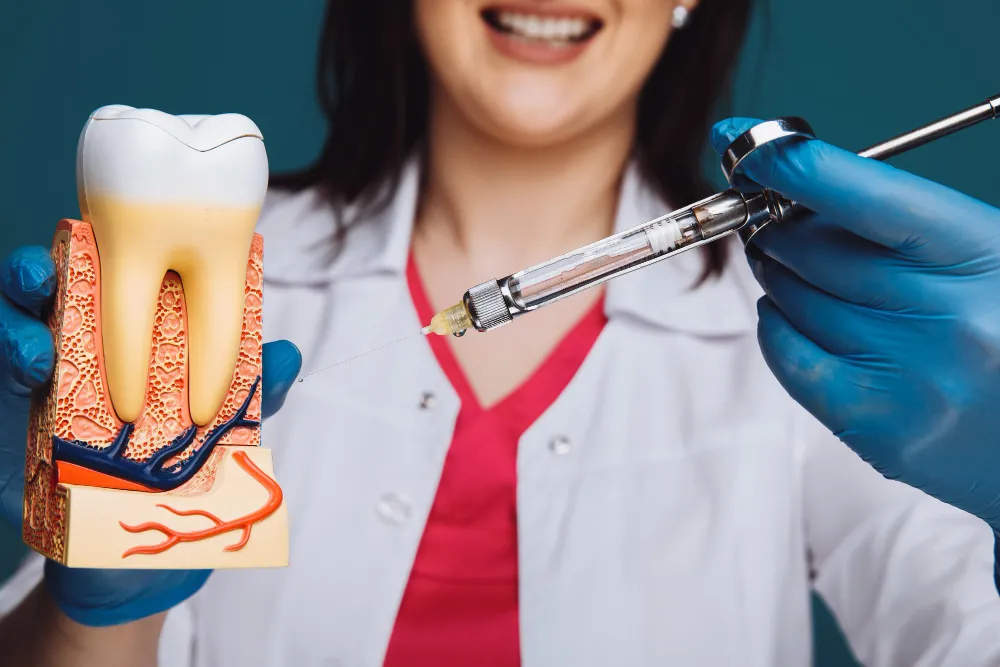
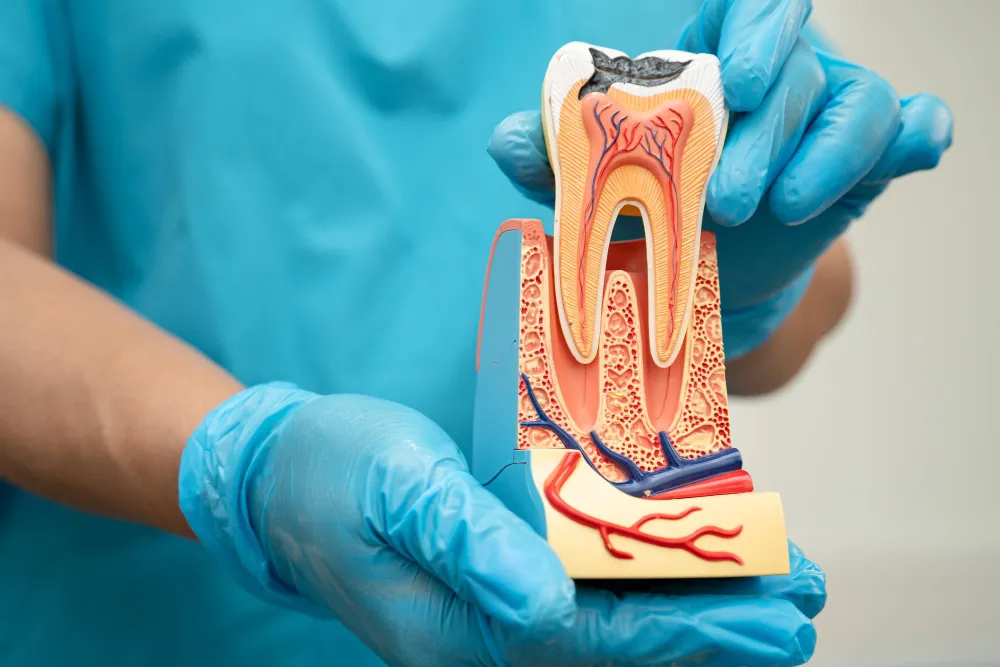
A bone graft for teeth is a dental procedure in which lost bone in your jaw is rebuilt or replaced. In other words, a bone graft is simply about rebuilding the structure of your jaw to ensure it’s strong enough to support treatments like dental implants.
During the bone grafting process, a dentist will add bone material to the area where you have lost bone. This bone material can be:
- Harvested from your own body
- Sourced from a donor
- Made from synthetic material
Over time, the graft bonds with your natural bone and becomes part of your jaw. So, you get a more stable foundation for your dental work.
What Are the Types of Dental Bone Graft?
Generally, there are four main types of dental bone graft. Your dentist will determine the most suitable option according to the condition of your jawbone.
1. Autografts
In an autograft, bone tissue is taken from your own body. This is the most preferred type of graft due to its compatibility with your body.
The bone is usually harvested from areas like the chin, jaw, or even the hip, and there is a very low risk of rejection.
2. Allografts
Allografts are bone grafts derived from a donor. The bone is thoroughly processed to check if it is sterile and safe to use.
It can be an excellent option when harvesting bone from your own body isn’t feasible.
3. Xenografts
A xenograft uses bone from another species, typically bovine (cow) or porcine (pig). These materials are processed and sterilized to make them safe for human use.
It is generally recommended when there is a significant amount of bone loss and the other graft types are not viable options.
4. Alloplasts
In an alloplast, synthetic bone materials, such as calcium phosphate or bioglass, are used. These bone materials integrate well with the body and encourage bone growth.
Alloplasts are a popular option because they don’t require a donor and can be designed to mimic natural bone.
Who Needs a Tooth Bone Graft?
Dentists usually recommend a bone graft in the following cases:
- Bone loss due to tooth extraction
- Gum disease affecting the jawbone
- Injury or trauma that damages the jawbone
- Preparing for dental implants when there’s insufficient bone to support them
Step-by-Step Process of Bone Grafting Surgery
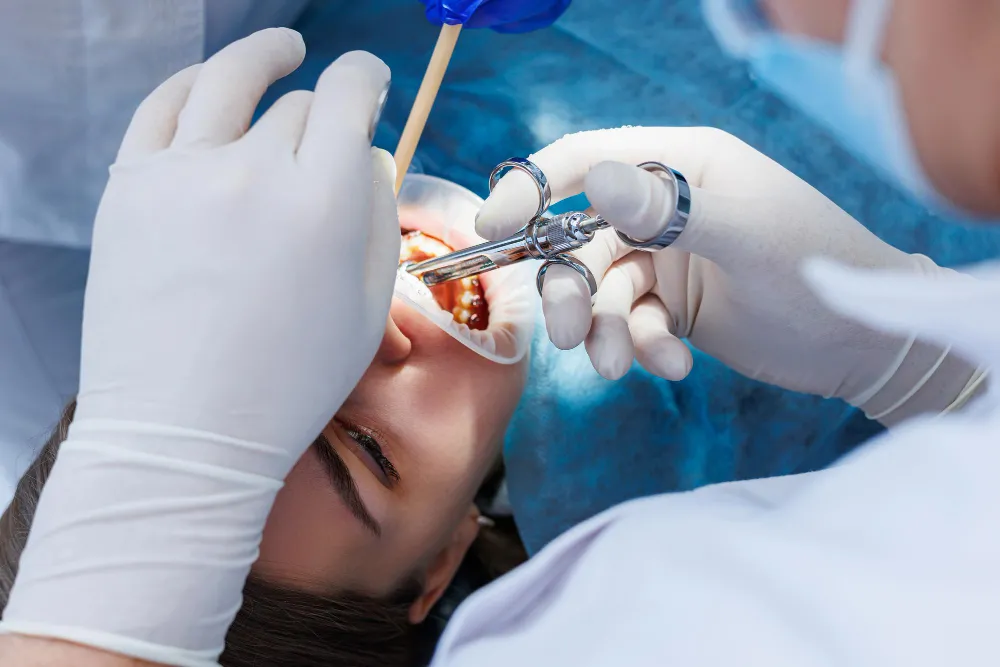
The process of dental bone grafting typically involves the following steps:
- In the first consultation, your dentist will assess the condition of your jawbone using X-rays or CT scans. They will determine the extent of bone loss and choose the most suitable type of graft for your situation.
- On the day of the procedure, you’ll receive anesthesia so you remain completely comfortable and pain-free during the surgery.
- The oral surgeon will make a small incision in your gum tissue to access the jawbone. Then, they’ll carefully place the graft material into the area that needs it. They will ensure a secure fit.
- Once the graft is in place, the surgeon will stitch up the incision, and the healing process will begin. You may need to wear a protective dressing for a few days to help with healing.
- After the procedure, you’ll follow specific aftercare instructions, such as taking prescribed medications and avoiding certain activities to ensure proper recovery. You’ll also have follow-up appointments to monitor the healing process.
Are there any side effects of a Bone graft?
Although a bone graft is generally safe, it may include some side effects:
- Swelling and bruising
- Pain and discomfort
- Bleeding
- Infection
- Graft rejection
You can minimize these risks by following your dentist’s post-surgical instructions carefully and attending follow-up appointments.
Why Choose Smile Lab for Your Bone Grafting Procedure?
At Smile Lab, we offer the highest level of dental care for our patients. Our experienced team of oral surgeons and dentists specializes intooth bone grafts. We use the latest technology and techniques so that our patients have the best possible outcomes.
If you need a bone graft after tooth extraction or are preparing for dental implants,Smile Labis here to make the bone grafting procedure precise and effective for you.
Conclusion
Bone grafting is a proven way to restore lost bone and prepare your jaw for future dental treatments like implants.
Whether bone loss is from extraction, gum disease, or injury, the procedure can rebuild your smile’s foundation.
If you’re considering bone grafting, consult Smile Lab today to explore your options and take the next step toward lasting oral health.
FAQs
How painful is a dental bone graft?
While the procedure itself is done under anesthesia, some discomfort and mild pain are common during the recovery process. You can manage this pain with prescribed pain medications. Most patients report that the pain is mild to moderate and fades after a few days.
Can I get a Bone Graft after tooth extraction?
A bone graft is often recommended after a tooth extraction if there is significant bone loss. It helps maintain the bone structure and provides a solid foundation for future implants or other dental work.
What is a molar extraction with a bone graft?
A molar extraction with a bone graft involves removing a molar tooth and placing a bone graft in the empty socket to preserve the bone. It prepares the area for future treatments, such as dental implants.
Related Articles
- Dental Implants vs. Bridges: For patients who’ve been told they need a graft before an implant and are weighing whether an implant is the right path versus a bridge.