
Do your gums bleed when you brush or floss? That is one of the earliest warning signs of gum disease, a condition that silently affects nearly 42% of adults aged 30 and over in the United States, according to the CDC.
Left untreated, the disease can lead to tooth loss and has been linked to heart disease, diabetes, and other serious health problems. This guide explains what gum disease is, what causes it, how it is diagnosed, and every treatment option available today.

What Is Periodontal Disease?
Periodontal disease, also known as gum disease, is an infection of the tissues that support your teeth. Gum disease and periodontal disease refer to the same condition, and the terms are used interchangeably by dentists.
It usually begins as gingivitis, marked by red, swollen, infected gums that bleed easily during brushing or flossing. Without proper treatment, periodontal disease can progress to periodontitis, where the infection begins to damage the bone that holds your teeth in place.
What Causes Gum Disease?
The leading cause is plaque buildup. Plaque is a sticky film of bacteria that forms on teeth throughout the day; when it is not removed, it hardens into tartar, which harbors the bacteria responsible for the infection.
Common risk factors include:
- Smoking or tobacco use, the single biggest risk factor for severe cases
- Poor oral hygiene
- Diabetes and other autoimmune conditions
- Hormonal changes during puberty, pregnancy, or menopause
- Certain medications that cause dry mouth
- Genetic predisposition
- Chronic stress
- A diet high in simple carbohydrates and low in fiber
Gum Disease Stages
There are four recognized stages of gum disease, and each one calls for a different level of care:
- Gingivitis. The earliest stage. Gums are red, puffy, and bleed when brushed. No bone loss has occurred yet, so this stage is fully reversible with professional cleaning and better home care.
- Mild periodontitis. Bacteria have moved below the gumline, small pockets have started to form, and early bone loss has begun.
- Moderate periodontitis. Deeper pockets, more visible gum recession, persistent bad breath, and continued bone erosion.
- Advanced periodontitis. Deep pockets, significant bone loss, and loose or shifting teeth. Without surgical intervention, tooth loss becomes likely.
What Our Patients Say
EXCELLENT Based on 2276 reviews
 Posted on Google
 Jou Min Chen (Jumin)I've been taking all my treatments over here for over a year now and so far I'm pretty satisfiedPosted on Google
 nikhil keswaneyDr basseri was amazing he took into account my fiances anxitey i to account and performed the filling even after hours he definitely earned 2 permenant patients.Posted on Google
 AkusaBeautiful experience! For my first dental visit- I had a smooth experience. Everyone was super nice. From the dentist, to the receptionist… all of the above.My teeth feels amazing. Super patient and explains everything clearly. I recommend, and I will definitely be back!Posted on Google
 Brynden FosterThis team is so helpful and kind! I always feel like a VIP coming for my cleaning and I couldn’t recommend them more.Posted on Google
 bhanu dattastaff was very helpful and they explained the procedure and payment options in a friendly wayPosted on Google
 Robina ShieldsMy experience with Smile Lab Dentistry Union Square "Wonderful", right down to the teeth cleaning.. that will make a person smile.Posted on Google
 Peter ChauLove coming here as a patient. Everyone here is super nice and thorough. I had my wisdom teeth done here which was an excellent experience. I now commute all the way to the city just to get my regular check ups here because it’s worth the trip. Also, I never had a hygienist floss my teeth before this place
Periodontal Disease Symptoms to Watch For
Periodontal disease symptoms are easy to overlook in the early stages. Watch for:
- Bleeding gums during brushing or flossing
- Ongoing bad breath or a persistent unpleasant taste
- Swollen, tender, or receding gums
- Loose or shifting teeth
- Pain when chewing
- A change in how your teeth fit together
Improve your smile today
3 Main Types of Periodontal Disease Treatment
The most effective treatment for periodontal disease depends on your stage. Early cases respond well to non-surgical deep cleaning; moderate cases usually combine cleaning with antibiotic therapy; advanced cases require surgical care to restore gum tissue and bone, according to the American Academy of Periodontology.
1. Scaling and Root Planing (Deep Cleaning)
Scaling and root planing, often called deep cleaning, is the foundation of non-surgical periodontal therapy and the first-line early gum disease treatment for mild to moderate cases.
- Scaling removes plaque and tartar from above and, more importantly, below the gumline where a toothbrush cannot reach.
- Root planing smooths the tooth roots so bacteria cannot easily reattach and encourages the gums to heal firmly against the teeth.
The procedure is performed under local anesthesia and is usually completed in one or two visits. It reduces inflammation, shrinks pocket depth, and stops the progression of the infection.
2. Medications for Periodontal Disease
Medications for periodontal disease are usually prescribed alongside scaling and root planing to control the bacterial infection:
- Topical antibiotics. Gels, chips, or fibers containing antibiotics are placed directly into gum pockets to fight localized infection.
- Oral antibiotics. Pills or capsules are prescribed for more widespread or persistent infections.
- Antimicrobial mouth rinses. Prescription rinses such as chlorhexidine reduce bacterial load throughout the mouth.
Your dentist will choose the right medication based on the severity of your condition and your overall health.
3. Surgical Treatments for Advanced Cases
When non-surgical care cannot reach the infection, advanced periodontitis treatment may involve one or more of the following procedures:
- Flap surgery (pocket reduction surgery). The gums are lifted back to expose and clean deep tartar deposits, then repositioned snugly around the teeth to reduce pocket depth.
- Bone grafting. Where bone has been lost, grafting material (your own bone, donor tissue, or synthetic material) is placed to encourage regrowth of the jawbone.
- Guided tissue regeneration (GTR). A small membrane is placed between the gum and healing bone so the slower-growing bone has time to regenerate without being crowded out by soft tissue.
- Soft tissue grafts. Gum tissue, often taken from the roof of the mouth, is used to cover exposed roots and restore a healthy gumline.
- Platelet-rich fibrin (PRF) therapy. Growth factors from a small sample of your own blood are applied at the surgical site to accelerate healing and tissue regeneration.
How Is Periodontal Disease Diagnosed?
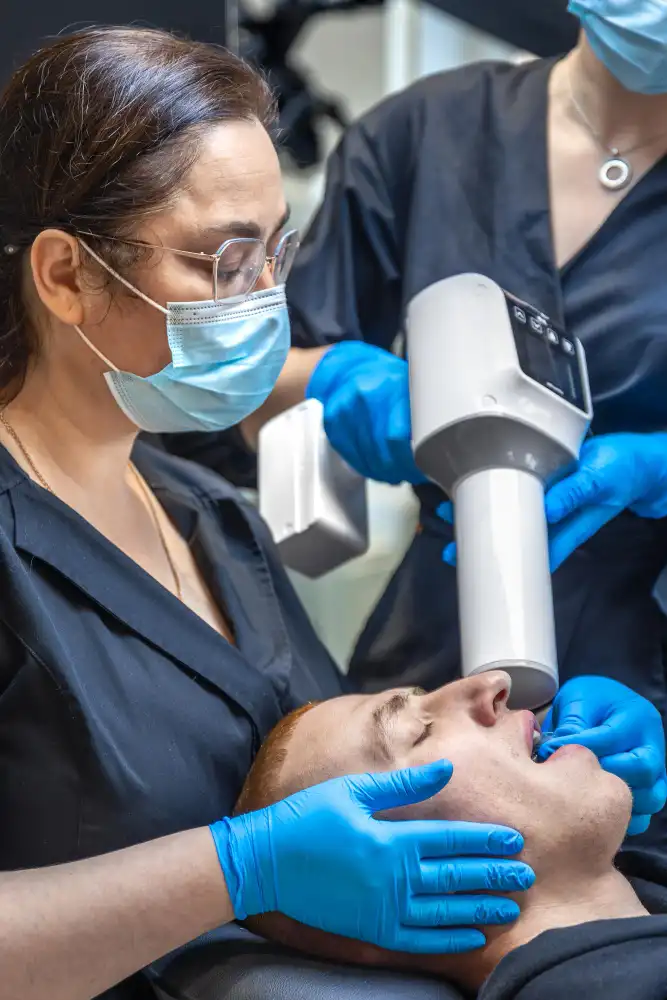
Periodontal disease often develops silently, so a clinical exam is the most reliable way to catch it early. Your dentist or periodontist will:
- Review your medical history and symptoms
- Measure the depth of the pockets around each tooth using a small ruler called a periodontal probe
- Take dental X-rays to detect bone loss beneath the gumline
Pocket depth is the key diagnostic measurement:
- 1 to 3 mm: healthy gums
- 4 mm: early periodontitis
- 5 mm or more: cannot be cleaned with routine brushing and flossing; professional intervention is required
Visiting your dentist every six months is the most reliable way to catch early signs before they progress.
Can Periodontal Disease Be Cured?
Gum disease is curable at its earliest stage and manageable at every stage beyond. Gingivitis can be fully reversed with a professional cleaning and consistent home care, because no bone loss has occurred yet.
Once the disease progresses to periodontitis, bone and tissue loss cannot be completely reversed, but the infection can be stopped, the damage stabilized, and further loss prevented. Regenerative procedures such as bone grafting and PRF therapy can rebuild some of what was lost.
The earlier you seek care, the higher the chance of a complete recovery.
LANAP Laser Gum Therapy
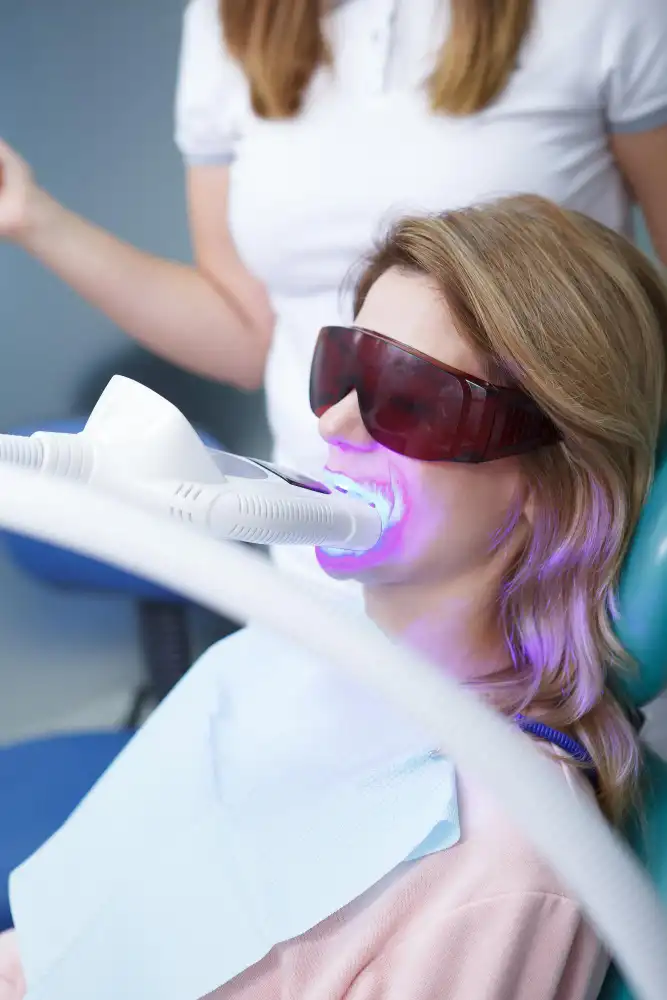
Advanced clinics like Smile Lab NYC may offer LANAP (Laser-Assisted New Attachment Procedure), a minimally invasive alternative to traditional gum surgery. The procedure uses a targeted laser to:
- Remove diseased tissue while preserving healthy gum tissue
- Sterilize the pocket to eliminate bacteria
- Stimulate natural tissue and bone regeneration
LANAP is a strong option for patients who want less discomfort, faster recovery, and no scalpel or sutures compared with conventional flap surgery.
Can You Treat Periodontitis at Home?
Home care supports professional treatment but cannot replace it. Once tartar has formed and pockets have deepened, only a dental professional can remove the source of infection.
What you can do at home to protect your gums:
- Brush twice daily with a soft-bristled toothbrush
- Floss daily to remove plaque between teeth
- Use an antimicrobial mouthwash
- Eat a diet rich in vitamins C and D and low in refined sugar
- Quit smoking
Treating periodontitis is a long-term commitment that requires both professional care and daily attention.

What Happens If You Do Not Get Treated?
Without timely treatment, periodontal disease worsens and causes permanent damage. Common consequences include:
- – Tooth loss from bone and tissue breakdown
- Chronic bad breath and gum pain
- Difficulty chewing and speaking
- Gum recession and exposed tooth roots
The National Institutes of Health also reports that untreated periodontitis raises the risk of diabetes, heart disease, stroke, and respiratory problems. The mouth is truly a gateway to overall health.
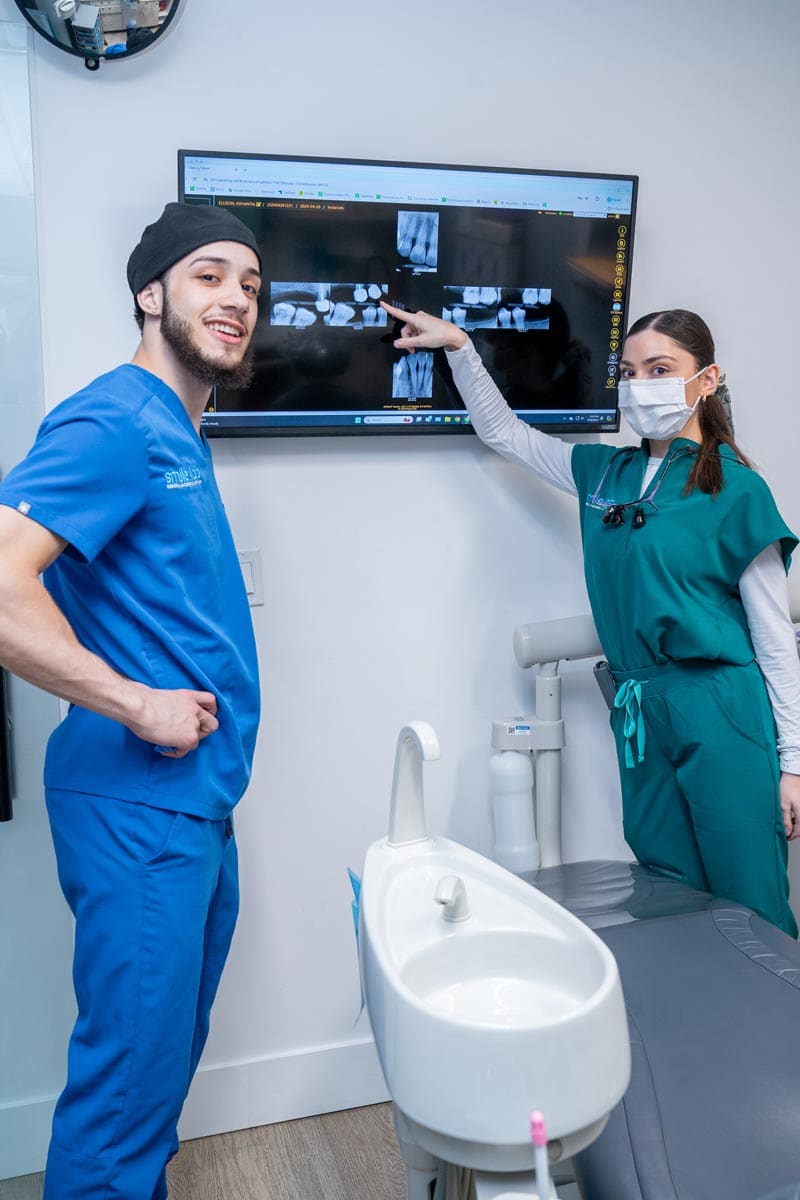
Periodontal Therapy at Smile Lab NYC
At Smile Lab NYC, our gum disease therapy covers every stage of the condition. Options include deep cleaning, medication-based care, LANAP laser therapy, flap surgery, and bone or tissue grafting, all delivered in one modern practice.
Our team uses current diagnostic tools and evidence-based protocols to build a treatment plan that matches your stage, your health, and your goals. Whether you need routine periodontal maintenance or advanced surgical care, we tailor the approach to your needs.
How to Prevent Periodontal Disease After Treatment
Long-term periodontal disease management depends on consistent oral hygiene and professional maintenance. To keep your gum health stable after treatment:
- Schedule professional cleanings every three to six months
- Quit smoking, the single largest modifiable risk factor
- Eat a balanced, anti-inflammatory diet
- Stay hydrated to support saliva production
- Brush twice a day and floss daily without exception
Questions to Ask Your Periodontist
Before starting treatment, consider asking:
- What stage of gum disease do I have?
- Will I need surgical or non-surgical treatment?
- How many appointments will the full treatment take?
- What is the expected recovery time?
- Do you offer sedation for surgical procedures?
- How often will I need cleanings after treatment?
- What signs should prompt me to call your office between visits?
Call now to Schedule Your Appointment
At Smile Lab, you will receive experienced & professional dental implant services in a supportive
and high-tech environment, ensuring you get the best care possible.
Or
Complete The Form Below
Frequently Asked Questions
Is gum disease contagious?
The bacteria that cause gum disease can transfer through saliva, so long-term close contact such as kissing may raise a partner’s risk. Brief casual contact does not transmit the disease.
How long does periodontal disease treatment take?
Non-surgical deep cleaning is usually completed in one or two visits. Surgical care requires additional appointments plus a healing period of several weeks. Ongoing maintenance is lifelong.
How much does periodontal disease treatment cost?
Cost depends on the stage of disease and the procedures required. Deep cleaning is on the lower end, while surgical treatments such as flap surgery or bone grafting cost more. Most dental insurance plans cover a portion of periodontal care.
Can gingivitis go away on its own?
Gingivitis will not resolve on its own, but it is fully reversible with a professional cleaning followed by consistent brushing, flossing, and regular checkups.
What is the difference between a dentist and a periodontist?
A periodontist is a dentist with three additional years of specialized training in the prevention, diagnosis, and treatment of gum disease and in dental implant placement.
Final Thoughts
Periodontal disease treatment has advanced significantly. With early diagnosis, professional care, and consistent home hygiene, you can stop the progression of gum disease and restore your oral health.
Whether your care begins with a deep cleaning or advances to laser therapy or regenerative surgery, the sooner you act, the more of your natural tissue and bone you can preserve. Work closely with your dental provider, follow through on maintenance, and make gum health a lifelong priority.