Key Takeaways
- Same-day dental implant pricing depends on the number of teeth, the type of restoration, the location, the provider’s experience, and any necessary extractions or bone grafting.
- The national average immediate dental implant cost is $3,255 per single tooth in the U.S., typically ranging from $2,506 to $5,953, while full-arch teeth-in-a-day treatment costs significantly more due to the added implants, surgical planning, and materials involved.
- A same-day estimate may include temporary teeth, but the final crown, bridge, or full-arch restoration often comes later.
- Not every patient qualifies for one-day implant timing because bone health, gum health, smoking, bite pressure, and medical history affect safety.
- A traditional implant timeline may be safer when the mouth needs more healing, infection control, or bone support before the final restoration.
- Smile Lab offers staged dental implant care but does not provide same-day dental implants at this time.
What Affects the Cost?
Several factors shape the final price. The cost of same-day dental implants depends on the number of implants, the health of your jawbone and gums, the type of restoration, and the provider’s experience.
Full-mouth dental implants usually cost more than a single-tooth implant because they require more planning, support, and restorative work. Location also matters, since dental care in Manhattan or NYC often costs more than in smaller markets.
Number of Implants
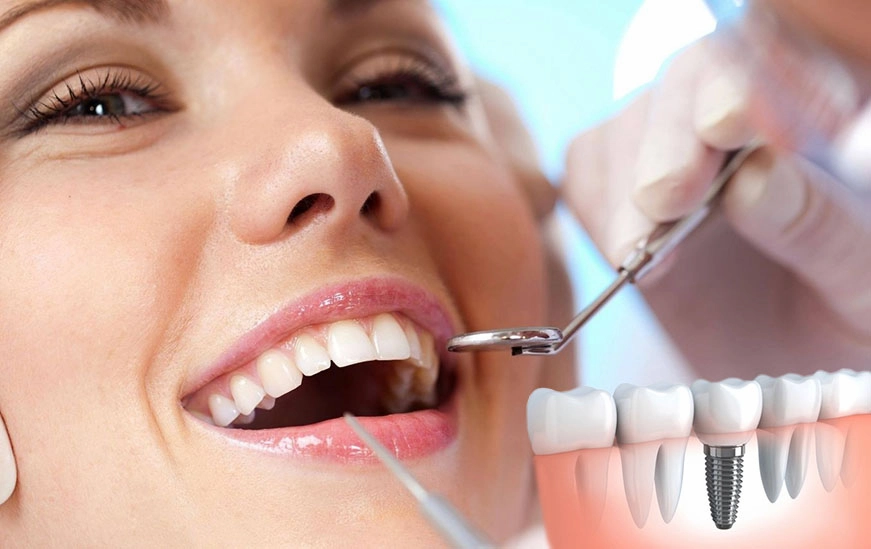
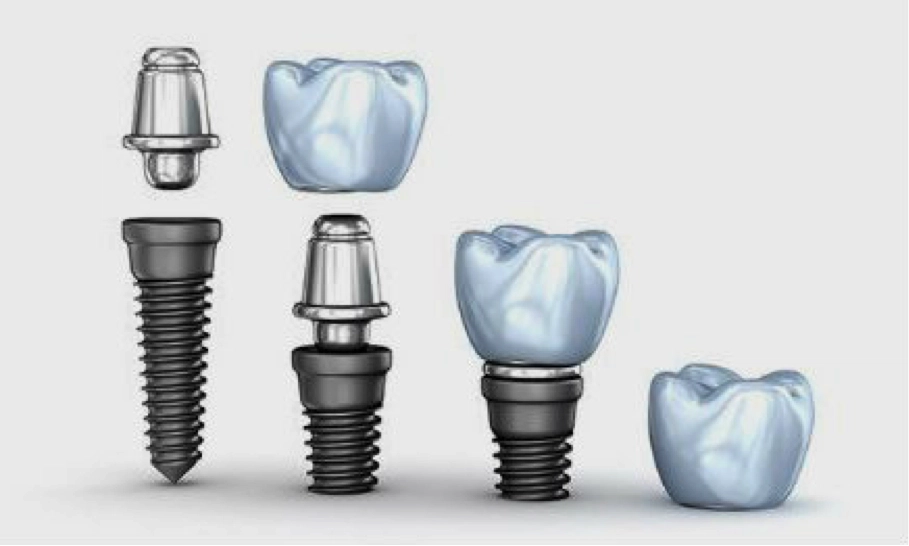
Replacing one tooth usually needs one implant post and one crown. Replacing several teeth may require multiple posts or an implant-supported bridge. A full arch requires more planning because the dentist must create stable support across the upper or lower jaw, often using four to six implants per arch.
Extractions or Bone Grafting
If a damaged tooth remains, tooth extraction may be part of the plan, especially when urgent pain or infection requires emergency dental care in Manhattan. If the jawbone is too thin or weak, bone grafting may be needed before or during treatment. Same-day extraction and implant costs usually add several hundred to a few thousand dollars to the base implant price, but these steps may also create a safer foundation.
Temporary and Final Teeth
Some implant plans include a temporary tooth or bridge first. This is why the temporary tooth implant cost is often built into a same-day quote, even when a patient receives temporary teeth that same day. A same-day implant and crown is possible in selected cases, but the crown placed that day is usually a temporary version, with the final crown, bridge, or full-arch restoration placed after the area has healed.
Location and Provider Experience
Dental implant cost also varies with the local market and the clinician placing the implant. In dense, high-cost metros, a same-day dental implant in NYC price often runs above the national average because of lab fees, real estate, and specialist rates.
Board-certified oral surgeons and implantologists with additional training in immediate placement often price at the top of the range, reflecting the imaging, planning, and surgical skill the procedure requires.
What Is Included in the Price?
A quote should explain what the dental implant procedure includes, especially if you are still learning what dental implants are and how safe they are. This helps you compare plans more fairly and avoid confusion later. A lower number may not include the final restoration, follow-up visits, or preparatory care.
A useful estimate may separate:
- Consultation and 3D imaging
- Tooth extraction or bone grafting
- Implant placement
- Temporary tooth or bridge
- Final crown, bridge, or full-arch restoration
- Follow-up visits
- Sedation, if used
- Any paperwork needed for insurance plans
Same-Day vs Traditional Implant Costs
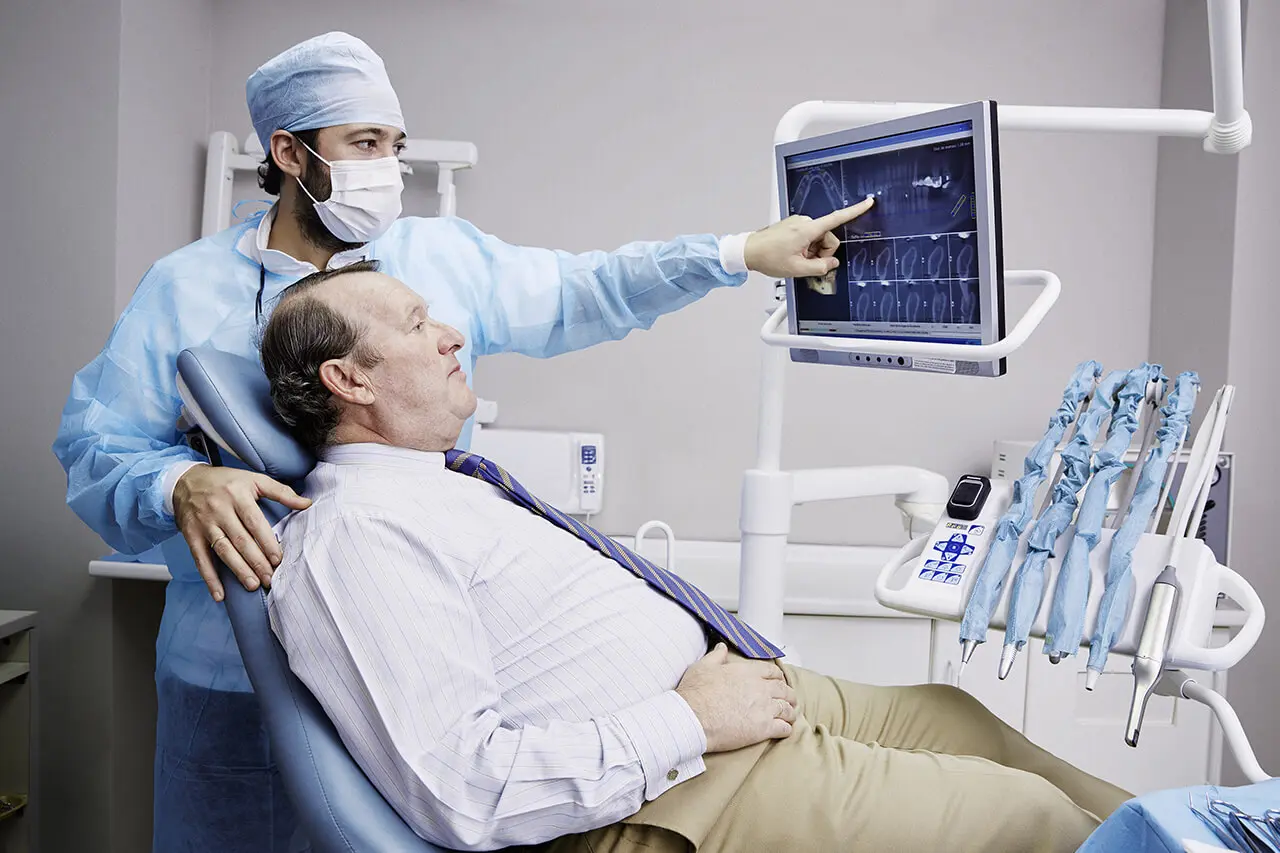
Same-day implants vs traditional treatment often comes down to timeline rather than total price: same-day care combines several steps into a shorter schedule, while traditional treatment spreads a similar total cost across more visits, including surgery, healing time, temporary solutions, and the final restoration.
At Smile Lab, implant consultations focus on selecting the safest and most predictable treatment timeline to restore your smile, not rushing care into a single visit.
The better question isn’t which option costs less, but which approach supports long-term stability, healing, and oral health. Patients with strong bone support and healthy gums may be good candidates for immediate placement, while those with active infection, bite pressure concerns, or bone loss often do better with a traditional, staged timeline.
Can You Replace All Teeth in One Day?
Yes, some patients can have all remaining teeth removed and receive implant-supported temporary teeth on the same day. This is often called a full-arch approach, “teeth in a day,” or a “same-day smile.” Temporary teeth are not usually the final restoration.
The teeth in a day cost runs significantly higher than a single implant, since the treatment involves more implants, more surgical planning, and more restorative materials across the entire arch. The same-day smile cost can rise further with premium materials like zirconia or with added sedation. Most full-arch cases use four to six implants per arch to support a fixed prosthesis on the day of surgery, with a permanent restoration placed several months later.
A dentist must evaluate bone support, bite force, gum health, and healing risks before deciding whether this timeline is safe. Since Smile Lab does not currently offer same-day dental implants, its implant consultations focus on safe planning and selecting the right treatment timeline to ensure long-term stability.
How Are Dental Implants Done in One Day?
Same-day placement is possible when 3D imaging shows enough healthy jawbone to hold the implant firmly during surgery. The clinician removes the damaged tooth, cleans and shapes the site, and inserts the titanium implant post, all in the same appointment. If the implant reaches enough initial stability, the clinician can attach an abutment and temporary crown or bridge the same day.
The extraction and implant same-day cost usually reflects this compressed workflow. The patient leaves with a functional temporary tooth, avoids wearing a removable placeholder, and returns after healing for the permanent restoration. Cases with weak bone, active infection, or heavy grinding usually require a staged plan through oral surgery and phased restoration instead.
Same-Day Dental Implant Success Rate
This treatment can have a high success rate, often reported at around 94% to 98% in properly selected cases, a range consistent with data published by the American Academy of Implant Dentistry. This does not mean every patient is a safe candidate. Success depends on strong bone support, healthy gums, careful surgical planning, and limited pressure on the temporary tooth during healing.
Dr. Waise Ebrahimi, who is certified in Dental Implant Placement and trained in reconstructive dentistry through the Kois Center, evaluates these same factors when planning implant treatment. Since Smile Lab does not offer same-day dental implants at this time, the goal is to select the safest implant timeline to ensure long-term stability.
Who Qualifies for Same-Day Implants?
This approach works best when the mouth is healthy enough to support the implant from the start. Some factors can make the timeline less predictable, including untreated gum disease, weak bone support, heavy grinding, smoking, active infection, and medical conditions that affect healing.
These issues do not always preclude implant dentistry, but they may make a staged plan safer than other tooth-replacement options in the long term. Comparing the tooth replacement price across implants, bridges, and dentures can help clarify which option fits your budget and long-term goals.
Understanding the Risks: Dangers of One-Day Dental Implants
The dangers of one-day dental implants relate less to the technique itself and more to the risk of loading a permanent bite force onto a healing site. Possible complications include implant failure if bone integration is disrupted, gum recession around the implant, infection at the surgical site, and bite problems if the temporary tooth applies uneven pressure. Most of these are avoidable with careful case selection and imaging.
Smoking, uncontrolled diabetes, and heavy grinding raise the risk of early failure. A traditional timeline gives the implant several months to fuse with the bone before it takes on the full force of chewing, which is why some clinicians prefer staged treatment for higher-risk cases.
Recovery and Long-Term Care
After implant surgery, most patients need to protect the area while the bone heals around the implant. Helpful recovery steps may include:
- Eating softer foods during the first stage of healing.
- Carefully cleaning the area to reduce gum inflammation.
- Attending follow-up visits to check healing and implant stability.
- Avoiding smoking when possible, since it can slow healing.
- Treating gum disease, teeth grinding, or inflammation early.
Long-term maintenance usually includes routine cleanings, home hygiene, and periodic exams to check the implant, the restoration, and the surrounding natural teeth. Implant teeth cannot get cavities, but the surrounding gums and bone still need consistent care. The goal is not only to replace missing teeth but to support long-term comfort, function, and oral health.
When to Schedule a Consultation
A consultation makes sense if you want a clear answer about timing, cost, and the safety of implant treatment for your mouth. Photos or online research can help you understand options, but they cannot show bone quality, bite pressure, or infection risk.
Smile Lab in Union Square offers dental implant care with clear planning and a calm, judgment-free process. Schedule a Consultation to understand your options and see which implant timeline fits your needs.