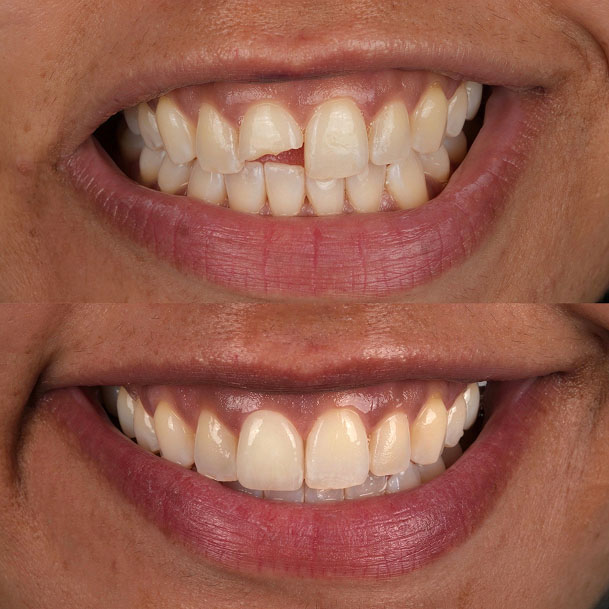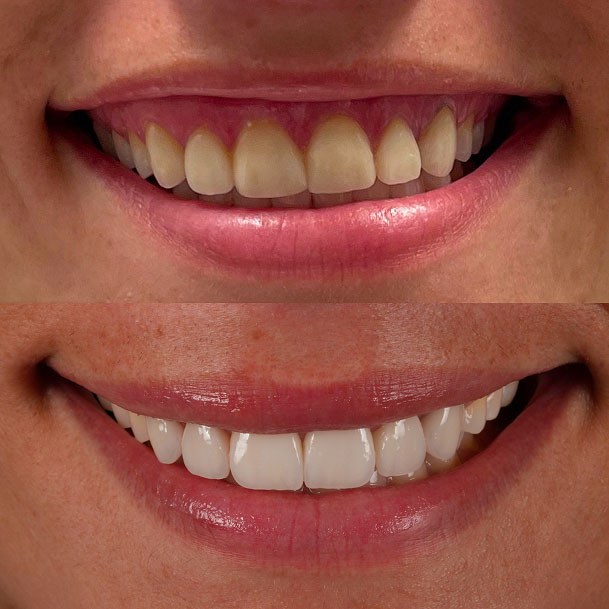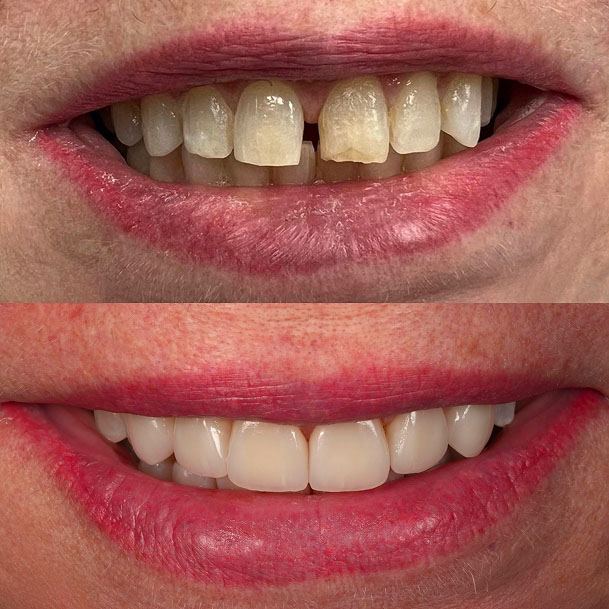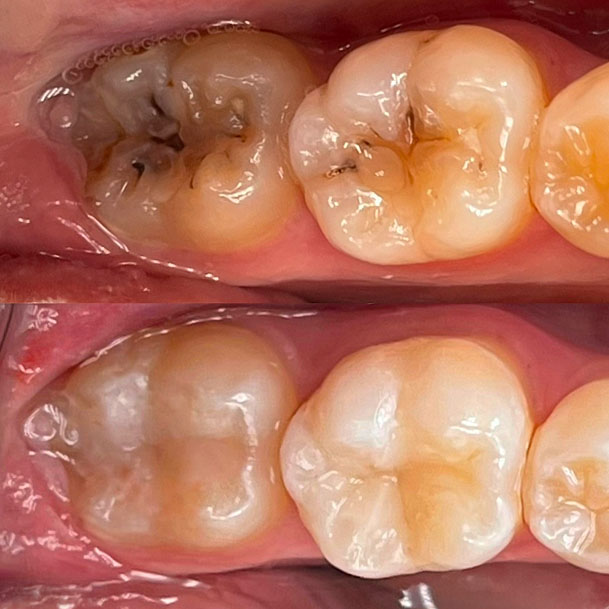
Pain, swelling, trauma, or infection can become harder to treat when care is postponed. The risks of delaying emergency dental treatment include worsening dental pain, bacterial spread, permanent tooth loss, and more complex care. Teeth and gums cannot repair deep infection, structural cracks, or abscesses without professional treatment.
Early evaluation helps identify whether the tooth can be saved, whether infection is present, and whether symptoms need urgent attention. At Smile Lab in Union Square, emergency dental care focuses on identifying the source of the dental problem, reducing discomfort, and clearly explaining the next steps.
Key Takeaways
- Delaying emergency care can lead to worsening pain, swelling, infection, tooth loss, and more complex treatment.
- A dental abscess, facial swelling, fever, pus, or trouble swallowing may signal an infection that needs prompt care.
- A knocked-out tooth, broken tooth, uncontrolled bleeding, or lost crown should be evaluated quickly to reduce further damage.
- Pain relievers may help relieve symptoms for a short time, but they do not treat decay, cracks, trauma, or infection.
- Early care can help preserve natural tooth structure, lower the risk of infection, and reduce the chance of needing more involved treatment.
The Risks of Ignoring a Dental Emergency
Urgent dental issues can worsen when they are left untreated, whether the delay comes from a busy schedule or dental emergency anxiety. Infection may spread to surrounding tissues, swelling may increase, and a tooth that could have been repaired may eventually require extraction.
Infection and Tooth Loss
A dental abscess can form when bacteria reach the inner tooth or gum tissue. Untreated dental infections can affect nearby bone, soft tissue, and overall health. Advanced decay, injury, or gum disease may also lead to bone loss and the need for dental implants after extraction.
More Complex Treatment
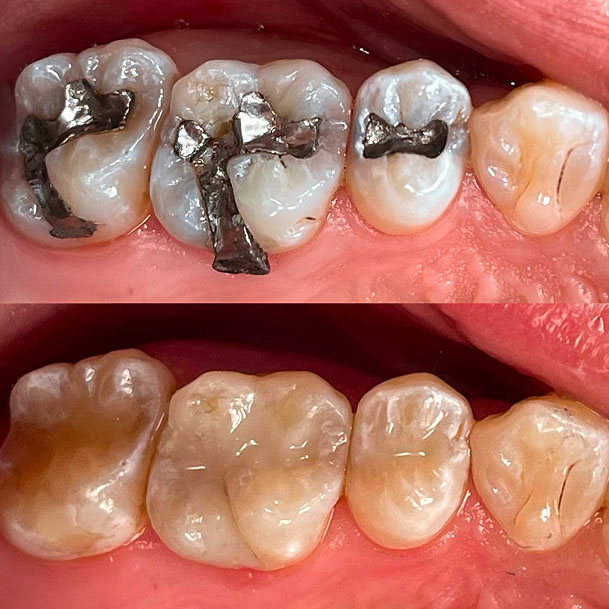
Delaying care can turn a small cavity, a cracked tooth, or a loose crown into a more extensive procedure. If infection reaches the inner tooth, that care may include emergency root canal treatment. Early treatment gives the dentist more ways to protect natural tooth structure.
Symptoms That Need Prompt Care
Call an emergency dentist in Manhattan if symptoms affect eating, sleeping, speaking, or daily functioning. This matters more when pain or swelling worsens rather than improves.
Pain, Swelling, or Pus
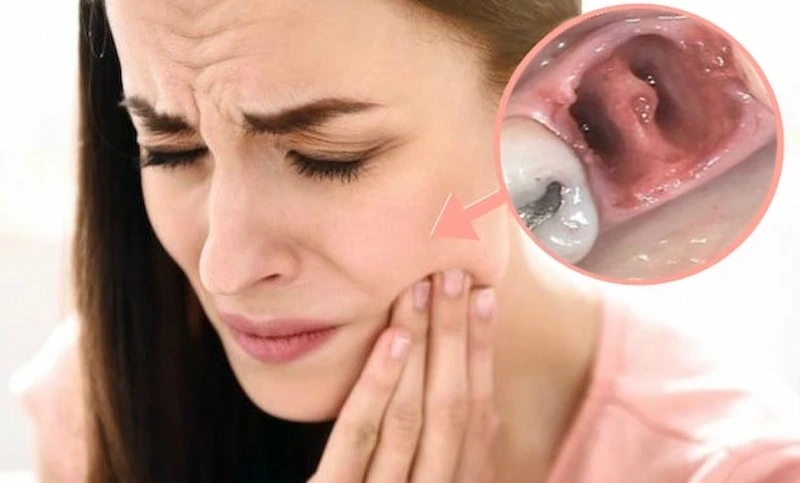
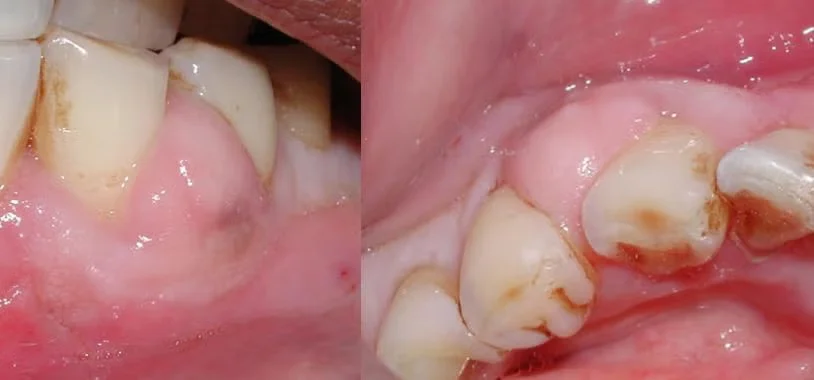
Severe tooth pain, facial swelling, fever, pus, red gums, or a bad taste are common signs of a dental emergency that should not be ignored.
Broken or Knocked Out Tooth
A knocked-out tooth needs fast attention. Keep it moist, avoid touching the root, and contact a dentist right away.
Bleeding or Lost Restorations
Bleeding that does not stop needs immediate care. A lost filling or crown can expose sensitive tooth structure, so it should be checked before the tooth breaks further.
Dentist or Emergency Room?
Most urgent tooth problems should be addressed by a dentist because the tooth, gum, or restoration needs direct treatment. A provider can identify the cause and recommend the safest next step.
Go to the emergency room for trouble breathing, trouble swallowing, facial trauma, heavy bleeding, or swelling that affects the airway. The ER can help with urgent medical safety, but tooth repair usually still needs follow-up care.
What to Do Before Your Visit
Rinse gently with warm water and apply a cold compress to reduce swelling. These steps may offer short-term relief for emergency tooth pain, but they do not treat the cause. Follow medication directions on the label, and avoid chewing on the painful side.
Do not place aspirin directly on gums or teeth. If a tooth breaks, save any pieces and bring them to your appointment at Smile Lab.

Emergency Dental Care in NYC
In Manhattan, delaying care can quickly disrupt your work, sleep, and daily routine. Dr. Waise Ebrahimi evaluates pain level, swelling, trauma, bite changes, and the long-term health of the tooth, with a conservative focus on preserving the tooth’s natural structure when possible.
When directly useful, low-radiation digital imaging can help identify infection, cracks, or more serious damage. If pain, swelling, bleeding, or a broken tooth is affecting your day, Schedule Your Visit to get clear answers and decide the right next step for emergency care in NYC.