
Dental Emergency Examples: What Counts and What Can Wait

I hope you’re enjoying reading this blog post if you want a consultation with Smile Lab, click here.
Compare dental emergency examples with issues that can usually wait, including swelling, chipped teeth, lost fillings, and mild sensitivity.
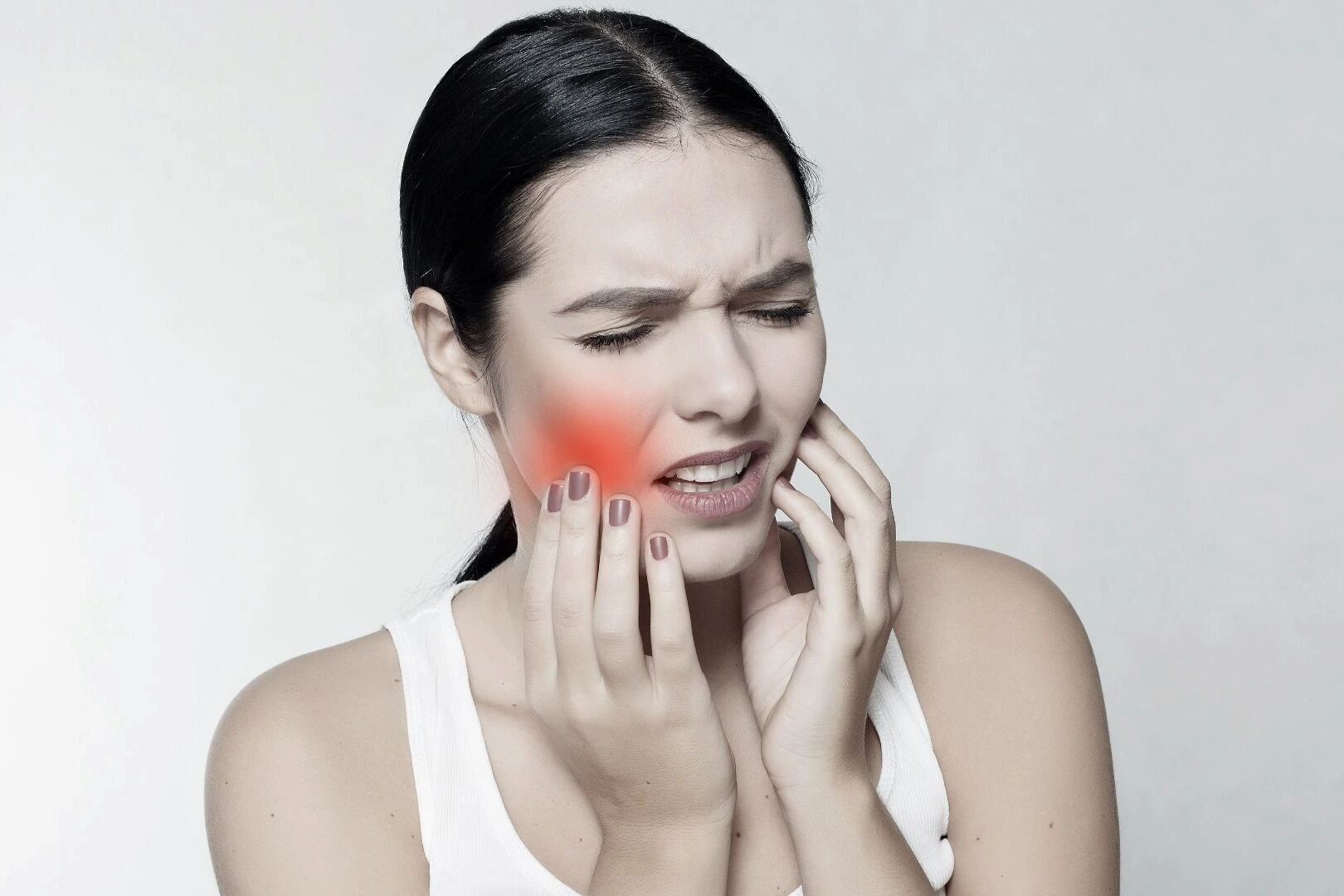
Urgent dental problems are the ones that may risk a tooth, spread infection, cause uncontrolled bleeding, or involve trauma to the mouth, jaw, or face. Common dental emergency examples include severe tooth pain, a knocked-out or loose adult tooth, a cracked tooth, a tooth abscess, swelling, heavy bleeding, and injuries to the lips, gums, tongue, or jaw. Lost fillings, a loose dental crown, and broken sharp orthodontic wires may also need prompt care if they cause pain, expose the tooth, or cut soft tissue. Some issues can usually wait briefly, such as mild sensitivity, a tiny chip with no pain, or minor gum irritation that does not worsen. The safest next step is to assess pain level, swelling, bleeding, trauma, and whether the problem is worsening. At Smile Lab in Union Square, patients can get clear guidance on what needs same-day care and what can wait for a scheduled visit.

Key Takeaways

  • Dental issues usually need urgent care when they involve severe pain, swelling, infection, trauma, bleeding, or a risk of losing an adult tooth.
  • Common urgent problems include knocked-out teeth, cracked or broken teeth, dental abscesses, mouth injuries, and lost crowns or fillings that cause pain or sharp edges.
  • Mild sensitivity, a tiny chip with no pain, or minor gum irritation can often be managed briefly if symptoms are stable and not worsening.
  • The safest first step is to call a dentist, explain your symptoms clearly, and avoid unsafe home fixes like glue, cutting tissue, or draining swelling yourself.
  • Go to the emergency room for trouble breathing or swallowing, major facial swelling, uncontrolled bleeding, suspected jaw fracture, or serious facial trauma.

Examples of Dental Emergencies

Dental emergencies are problems that require prompt care to stop pain, protect a tooth, control bleeding, or treat infection. The main types of dental emergencies are pain, trauma, infection, bleeding, and damaged dental work. These situations can affect your comfort, your bite, and sometimes your overall health.

Severe Tooth Pain or Swelling

Pain in the back of the mouth may also come from an impacted or infected wisdom tooth, which sometimes requires emergency wisdom tooth removal. While waiting for care, you can rinse your mouth with warm water, gently floss around the area, and take an over-the-counter pain reliever as directed.

Knocked-Out, Cracked, or Broken Tooth

A knocked-out adult tooth requires prompt action, as timing can affect whether the tooth can be saved.
  • Hold a knocked-out adult tooth by the crown, not the root, and avoid scrubbing it.
  • Keep the tooth moist in milk or a tooth preservation product if you cannot place it back in the socket.
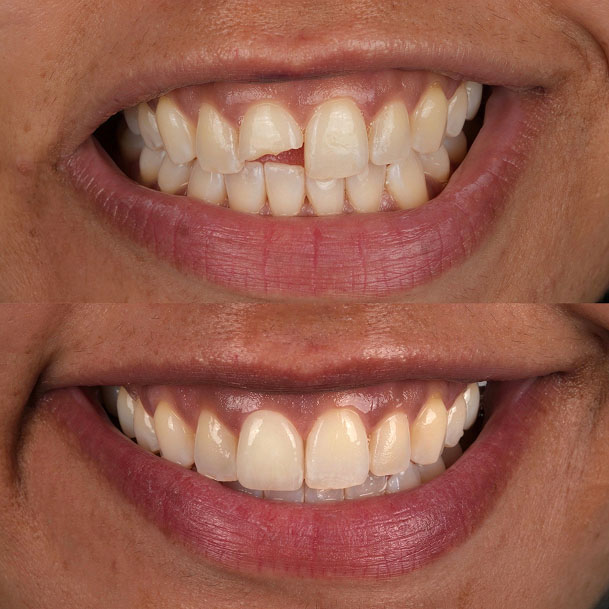
  • For a chipped ¿ or broken tooth, avoid chewing on that side, save any fragments, and apply a cold compress if swelling develops.
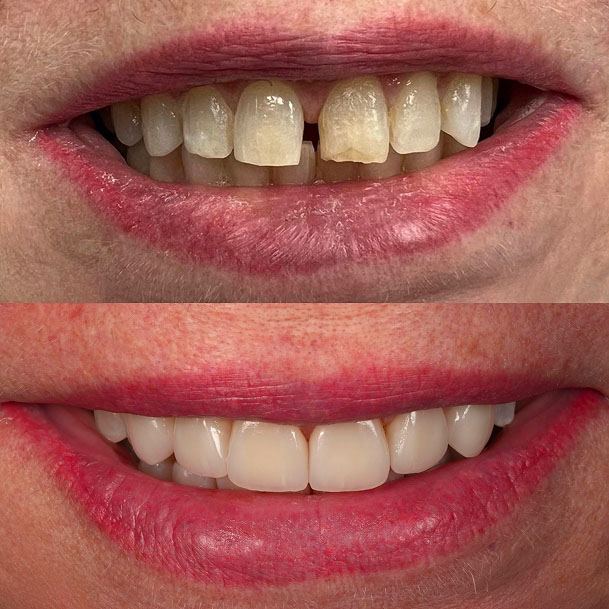
A cracked tooth may look small, but it can still reach deeper layers of the tooth. Avoid chewing on that side until a dentist checks the damage. Pain when biting, cold sensitivity, or a sharp edge are signs that you should seek emergency dental care.

Abscess, Bleeding, or Soft Tissue Injury

A tooth abscess is a pocket of infection near a tooth root or gum tissue. It may cause throbbing pain, swelling, fever, pus, a bad taste, or a pimple-like bump on the gums. In severe cases, emergency tooth extraction may be considered if the tooth cannot be safely restored. Bleeding from the lips, tongue, gums, or cheek can happen after a fall, bite, sports injury, or accident. This type of soft tissue injury may improve with gentle pressure, but bleeding that does not slow needs urgent care. Rinse gently with salt water if you can do so without increasing bleeding. Apply clean gauze with steady pressure for several minutes, and seek care right away if bleeding does not slow or the cut looks deep.

Lost Filling, Crown, or Restoration

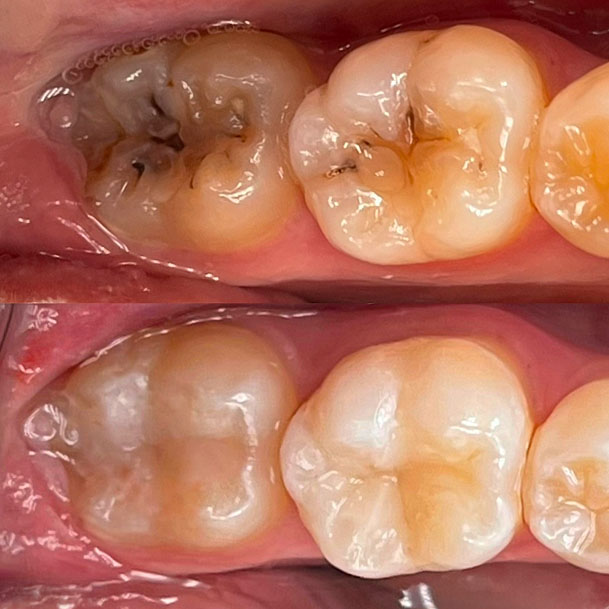
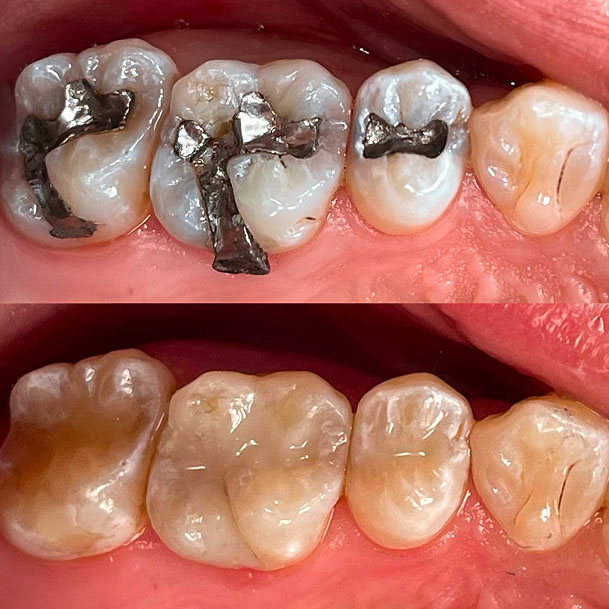
A lost filling, a loose dental crown, or a broken dental restoration may not always require same-day treatment, but it should not be ignored. The exposed tooth can feel sensitive to air, cold drinks, or chewing pressure. Do not use super glue or sharp tools to fix it yourself.

What Can Usually Wait?

Some dental problems can often wait briefly if pain is mild and there is no swelling, bleeding, trauma, or worsening symptoms. These may include mild sensitivity, a tiny chip with no pain, minor gum soreness, food stuck between teeth, or early signs of gum disease without swelling or pus. These issues still deserve attention, but they may not require the same-day treatment.

What to Do First

Call a dentist and explain when the problem started, where the pain is, and whether symptoms are getting better or worse. Mention swelling, bleeding, fever, trauma, a loose tooth, trouble opening your mouth, or a lost restoration. These details help the office decide whether you need same-day care, a scheduled visit, or medical attention first. If pain or swelling is present, use simple steps while you wait for care. Rinse gently, avoid chewing on the affected side, and bring any broken tooth fragments, fillings, or crowns with you. If symptoms involve the face, jaw, breathing, swallowing, uncontrolled bleeding, or possible injury to facial bones, go to the emergency room.

When to Go to the ER

Go to the emergency room if you have trouble breathing or swallowing, major facial swelling, uncontrolled bleeding, a suspected jaw fracture, or serious trauma involving the face and mouth. These signs may involve more than the tooth and may need medical care first. Once the urgent medical issue is stable, you may still need a dentist to treat the underlying cause. ER providers may administer medication or order imaging when the facial bones or jaw are involved. They usually do not perform dental procedures such as fillings, crowns, root canal therapy, or other long-term dental treatments.

Getting Emergency Dental Help in NYC

Urgent dental problems can feel stressful, especially if you delayed care because of fear, cost concerns, or a bad past experience. You should not have to guess whether to wait, visit your dentist, or seek emergency dental care. If symptoms are serious, unclear, or getting worse, getting guidance quickly can help you protect your tooth and avoid a more complex problem. At Smile Lab in Union Square, you can Schedule Your Visit to get a clear next step.
Dr. Waise Ebrahimi is a restorative and cosmetic dentist at Smile Lab Dentistry in Union Square, holding his Doctor of Dental Surgery degree from UCSF — the nation’s top dental school. A Fellow of the American Endodontic Society and member of the American Dental Association, he’s certified in dental implant placement and trained at the world-renowned Kois Center for advanced dentistry. Dr. Ebrahimi partners with Mt. Sinai Hospital to provide comprehensive, whole-body care focused on long-term wellness. Fluent in English, Spanish, and Farsi, he’s dedicated to making every patient feel comfortable and heard.

Want to stay in te loop?

Subscribe to our newsletter for the latest dentistry tips and special offers!
Dr. Waise Ebrahimi earned his Doctorate in Dental Surgery from the University of California San Francisco, the nation’s top dental school and the #1 recipient of federal NIH awards for 13 years. He continued his training in cosmetic and reconstructive dentistry, with a focus on the advanced principles taught by the world-renowned Kois Center.

Table of Contents

Get the Care
You Deserve
Dentistry Designed Around Your Comfort
Modern dental studio in Union Square offering general, cosmetic, emergency, implant, and specialty dentistry – all in one place.
Before And After
Smile Lab numbers

4.9 Star

Google Rating

4500+

Patient Reviews

5+ years

Serving Union Square / NYC

30K+

Patients Cared For

Want to stay in te loop?
Subscribe to our newsletter for the latest dentistry tips and special offers!
Book your consultation today and take the next step toward restoring your health.