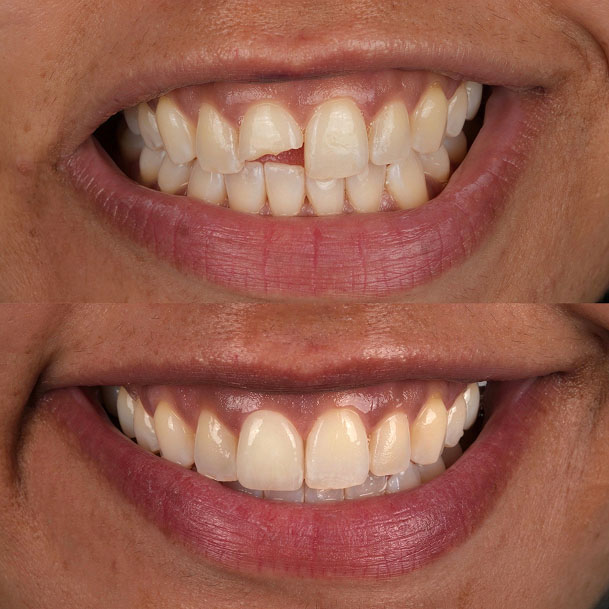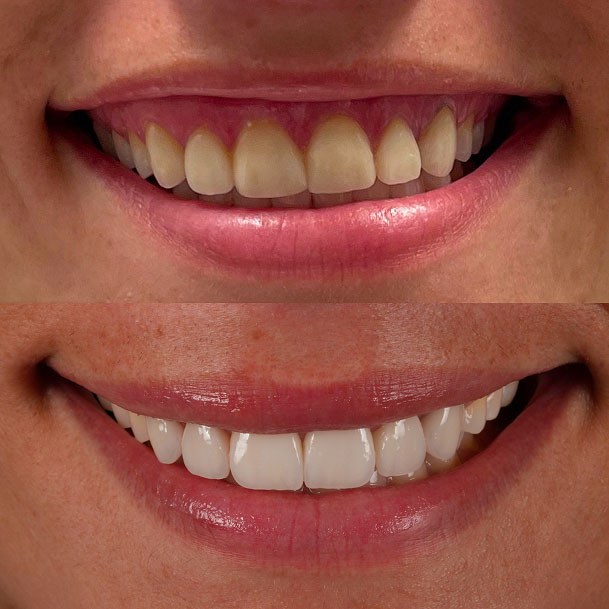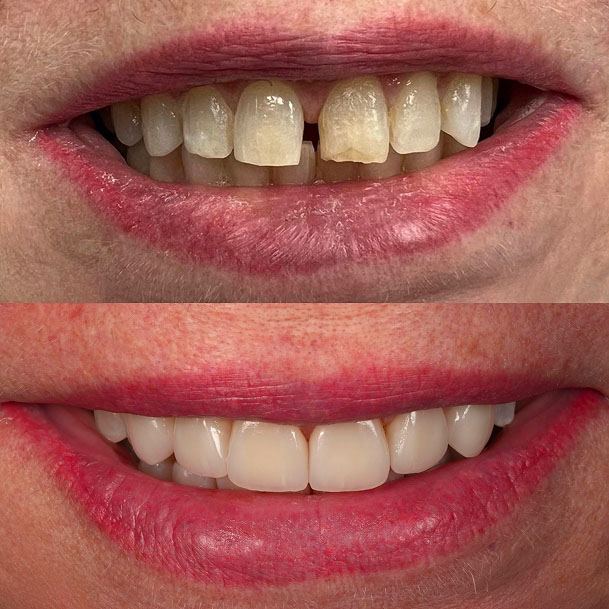
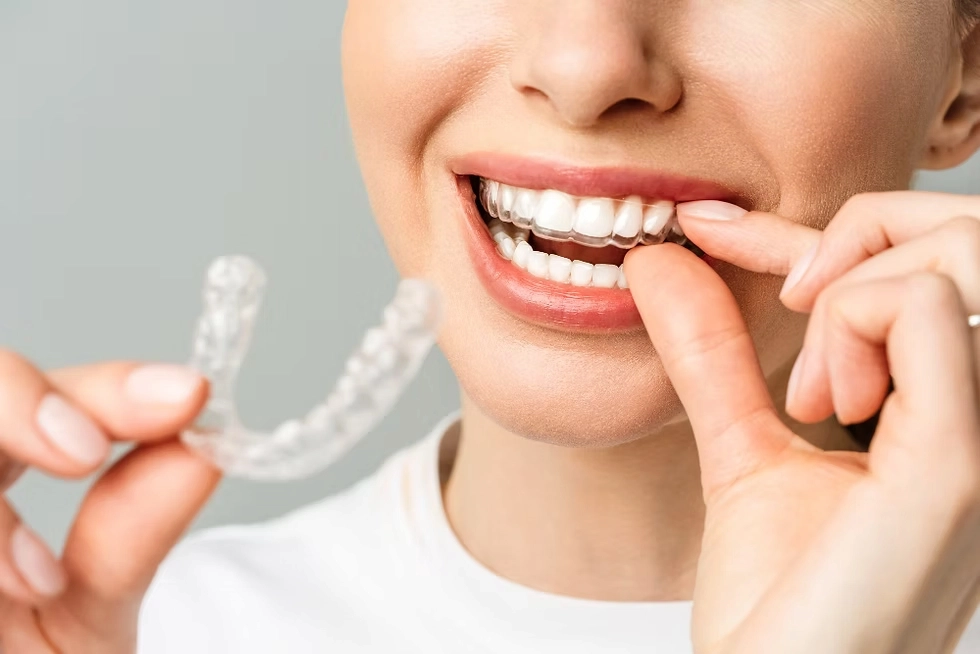
Removable, low-profile trays are custom appliances that fit over your teeth and gradually move them with controlled pressure. For NYC patients comparing clear aligners in SoHo, they offer a discreet option that can be removed for meals, brushing, and flossing.
Digital scans help map tooth movement, but an in-office exam still matters because your bite, gum health, and tooth position affect the safest plan. For patients near Union Square or Lower Manhattan, Smile Lab helps you understand whether trays fit your teeth, schedule, and goals before treatment starts.
Key Takeaways
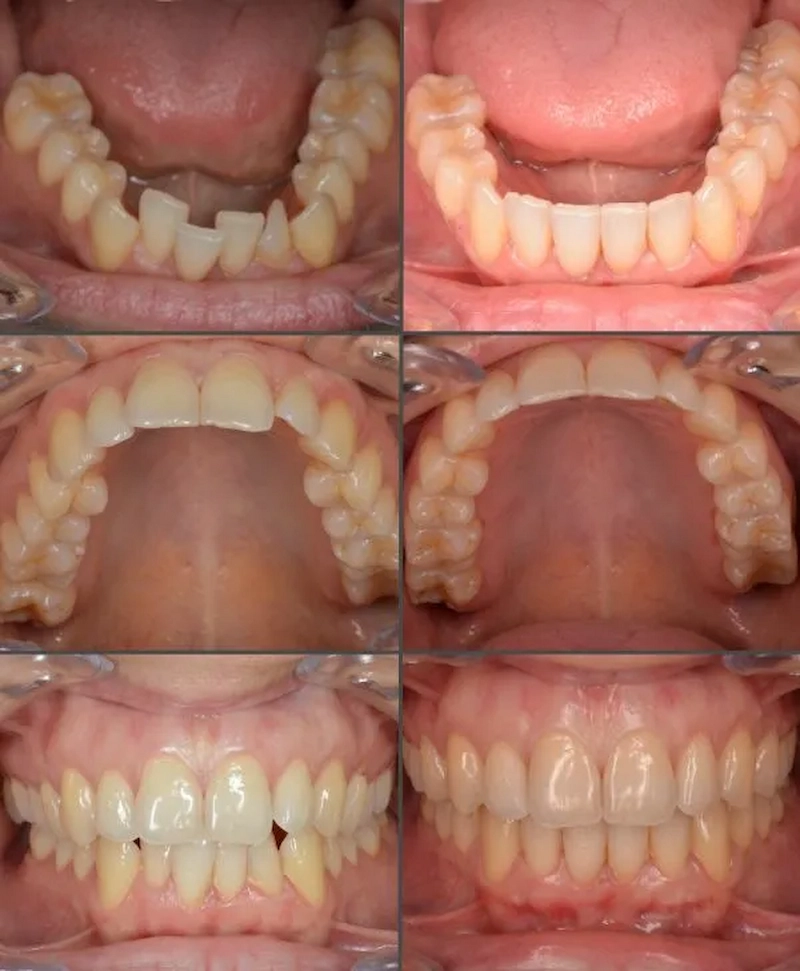
- Removable trays can treat mild to moderate crowding, spacing, rotated teeth, and some bite concerns when your teeth and gums are healthy enough for movement.
- Invisalign is a one-tray system, but the best option depends on your bite, tooth-movement needs, and ability to wear trays consistently.
- Treatment usually starts with a consultation, a digital scan, a bite evaluation, a custom plan, progress checks, and retainers to help maintain results.
- Most trays need to be worn 20 to 22 hours per day, and treatment length can range from a few months to 18 months, depending on the case.
- A good dental clinic near Lower Manhattan should explain your scan, timeline, cost factors, refinements, and retainer plan before you start treatment.
Are Clear Aligners Right for You
You may be a good candidate if you have mild to moderate crowding, small gaps, minor shifting, healthy gums, and can wear trays most of the day. Patients with long or prominent teeth may need to review what dental procedures can help with long or prominent teeth before choosing the right cosmetic plan. This option can work well if you want a discreet treatment that fits around meals, work, and daily routines. Traditional braces may work better for severe crowding, complex bite issues, untreated gum disease, or teeth that need stronger control. A dental exam confirms which option is safest for your mouth.Clear Aligners vs Invisalign in SoHo
Clear aligners are removable trays that gradually move teeth, while Invisalign is a well-known brand in that treatment category. Both can offer flexibility for eating, brushing, flossing, and social plans because the trays can be removed when needed. Unlike braces with metal brackets, the best choice depends on your bite, tooth-movement needs, your provider’s plan, and your daily habits.How Treatment Works
Treatment works by moving teeth in small planned stages with a series of custom trays. You start with a consultation, digital scan, bite evaluation, and treatment plan, then wear each tray as directed before moving on to the next. Progress checks confirm that each tray fits well, your teeth are tracking, and your bite remains comfortable. At Smile Lab, Dr. Waise Ebrahimi uses a conservative planning approach shaped by advanced training at the Kois Center, with a focus on predictable cosmetic and functional outcomes. This helps ensure treatment is not only about straighter teeth but also about healthy movement and long-term stability.
Timeline, Cost, and Daily Life
Some mild cases finish in a few months, while more involved cases may take up to 18 months. Candid clear aligners cost $6,000 and may take 1 to 24 months, depending on the case, while broader cosmetic dentistry costs can vary based on the treatment type, goals, and complexity. The consultation and scan take about 1 hour, and refinements are included at no charge under a 3-year warranty. Most trays need to be worn for about 20-22 hours per day. Good oral hygiene matters because food and plaque can get trapped when trays go back in after meals. You can remove them for eating, coffee, brushing, and flossing, which can make treatment easier for busy NYC routines.What to Know Before Starting
Your dentist should check for cavities, gum inflammation, bite stress, and tooth health before treatment. Retainers help maintain a straighter smile after active movement ends, as teeth can shift over time. A good consultation should explain what needs to move, how long care may take, whether refinements may be needed, and how retainers fit into the plan.