
Does a Deep Teeth Cleaning Hurt? Pain, Recovery, and Care
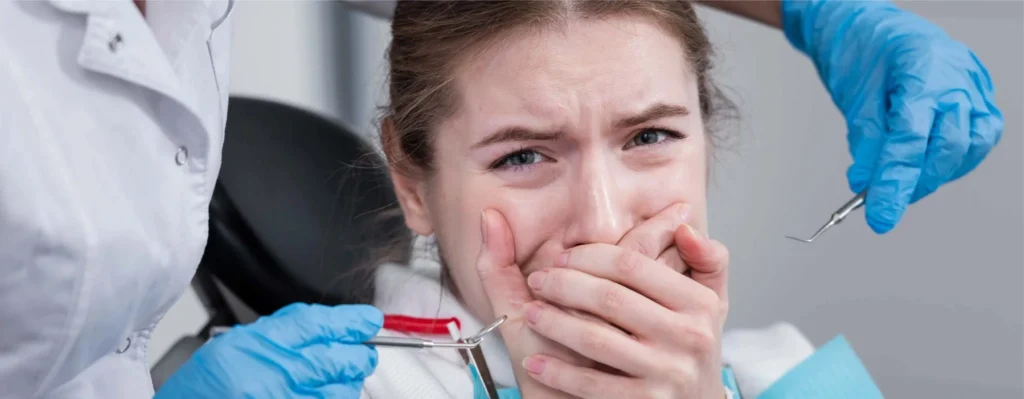
A deep teeth cleaning should not cause sharp pain because your dentist usually uses local anesthesia before working below the gumline. The clearest answer to “does a deep teeth cleaning hurt” is that you may feel pressure, vibration, water spray, or scraping, but the treated area should stay comfortable.
After the numbness wears off, mild soreness, gum tenderness, and temporary sensitivity to hot or cold foods can happen.
Dental Hygienist Cleaning Teeth: Methods, Benefits, and Cost
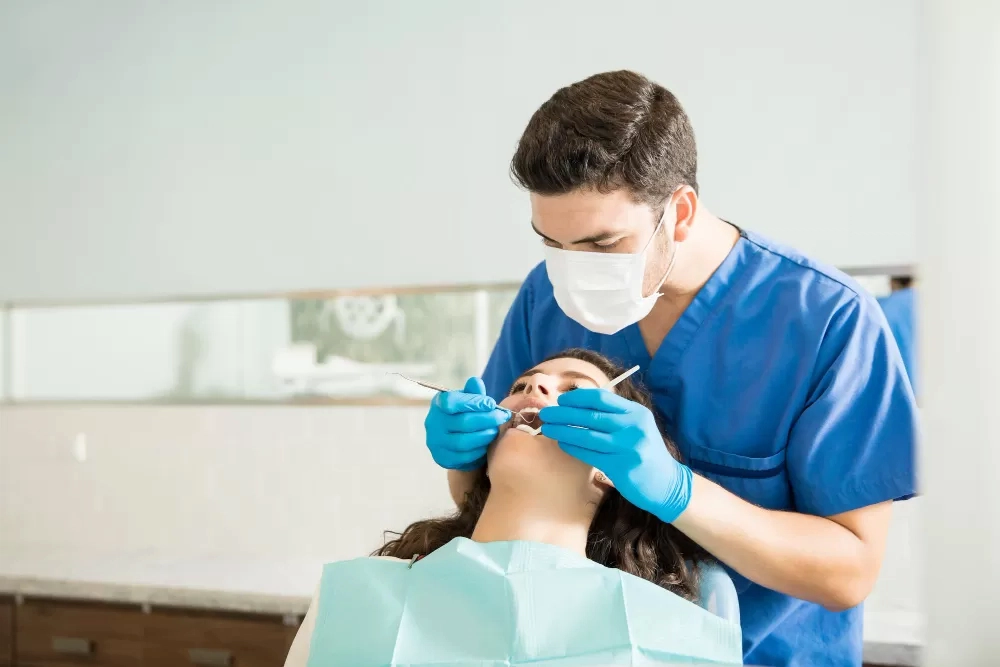
A routine dental cleaning usually takes about 30 to 60 minutes. It may include an oral exam, a gum health check, scaling to remove plaque and hardened tartar, polishing to reduce surface stains, and flossing. X-rays or fluoride treatment may also be recommended based on your age, oral health, and dental history.
Professional cleaning removes tartar that brushing and flossing cannot remove at home. It can also help prevent cavities and control early gum inflammation. The cost depends on whether the visit includes X-rays, fluoride, or treatment for gum disease rather than a routine cleaning.
Can Gum Clean Teeth? A Guide to Benefits and Limits
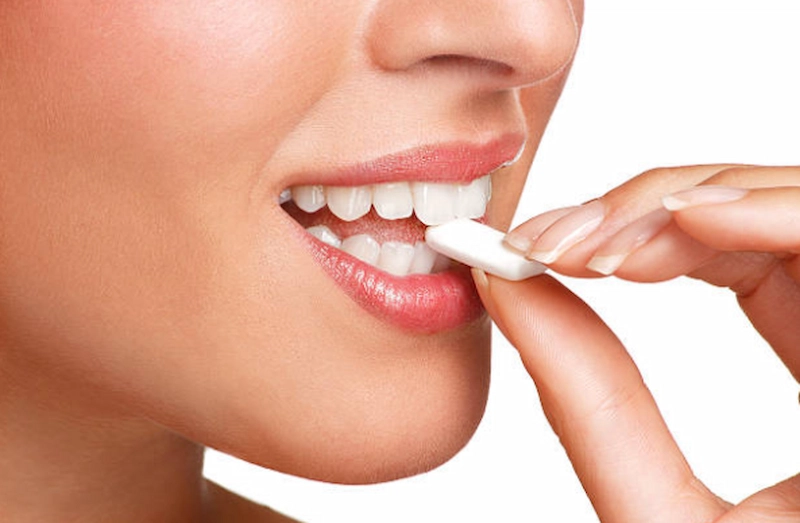
Yes, but only to a point. The answer to whether gum can clean teeth depends on the product and what you expect it to do. Sugar-free options can loosen food particles, increase saliva flow, neutralize acids from oral bacteria, and support tooth enamel, but they cannot replace brushing and flossing.
Deep Teeth Cleaning vs Regular Teeth Cleaning: Simple Guide
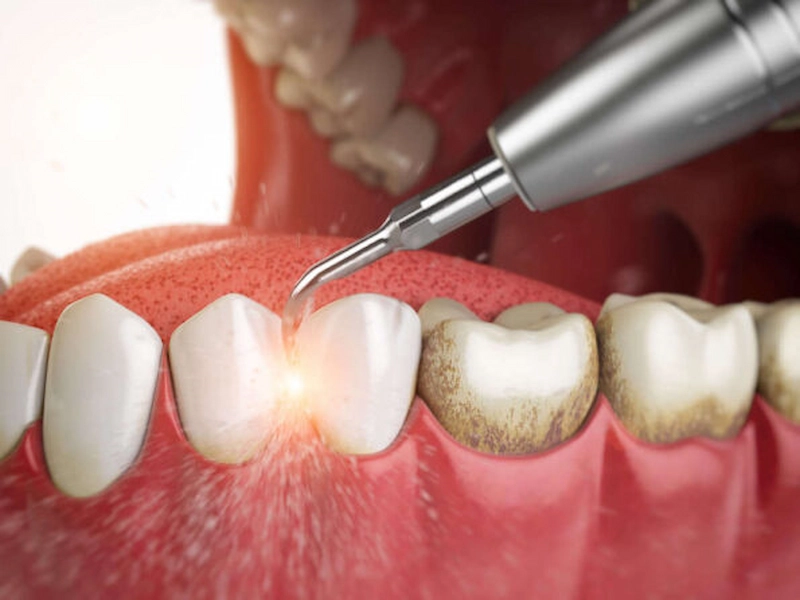
A routine dental visit is preventive care for healthy or stable gums, while scaling and root planing treat gum disease. The core difference in deep teeth cleaning vs regular teeth cleaning is how far the dentist or hygienist needs to reach: standard care removes buildup above the gumline, while periodontal therapy removes hardened tartar and bacteria below it.
Cleaning Teeth after an Extraction: Safe Aftercare Guide
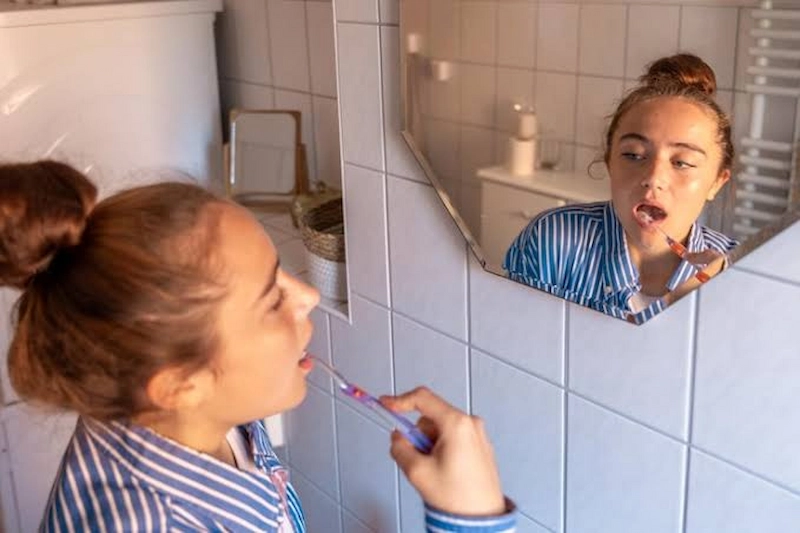
You can usually brush your other teeth on the same day as an extraction, but avoid brushing directly over the socket until your dentist says it is safe. Use a soft toothbrush and clean gently around the treated area. During the first 24 hours, do not rinse forcefully, spit, or use a straw because these actions may disturb the blood clot needed for healing.
Airflow Teeth Cleaning: Benefits, Process, and Results
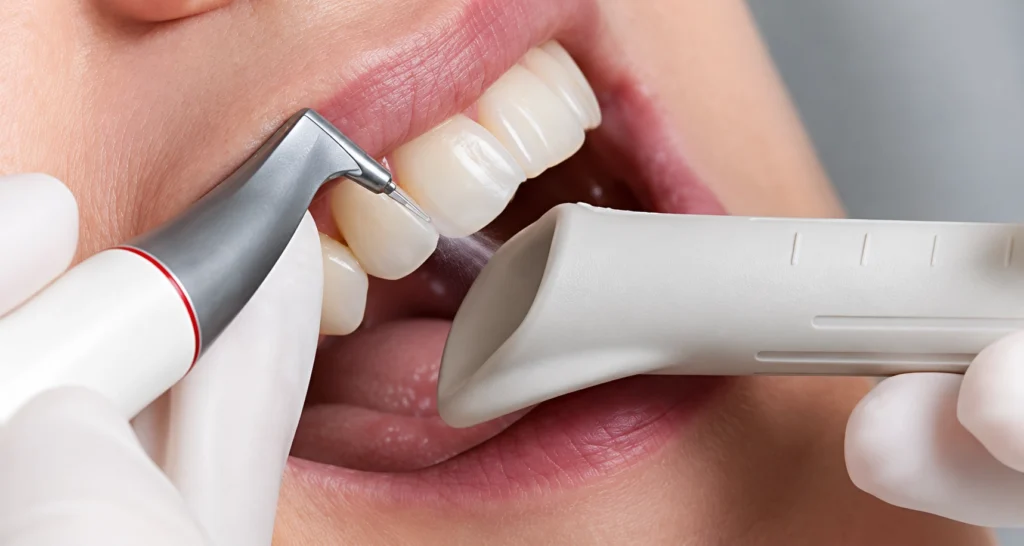
Airflow teeth cleaning, also called airflow dental cleaning or air polishing, uses compressed air, warm water, and a fine powder (usually erythritol or sodium bicarbonate) to lift plaque, biofilm, and surface stains from the tooth surface. Many clinics deliver it as part of a wider protocol called Guided Biofilm Therapy (GBT).
The process feels smoother than traditional polishing because it targets soft buildup with a controlled spray rather than heavy scraping. It works well for stain removal, sensitive areas, and cleaning around braces, crowns, and dental implants, though hardened tartar may still need scaling.
Dental Cleaning for Sensitive Teeth and Relief Tips
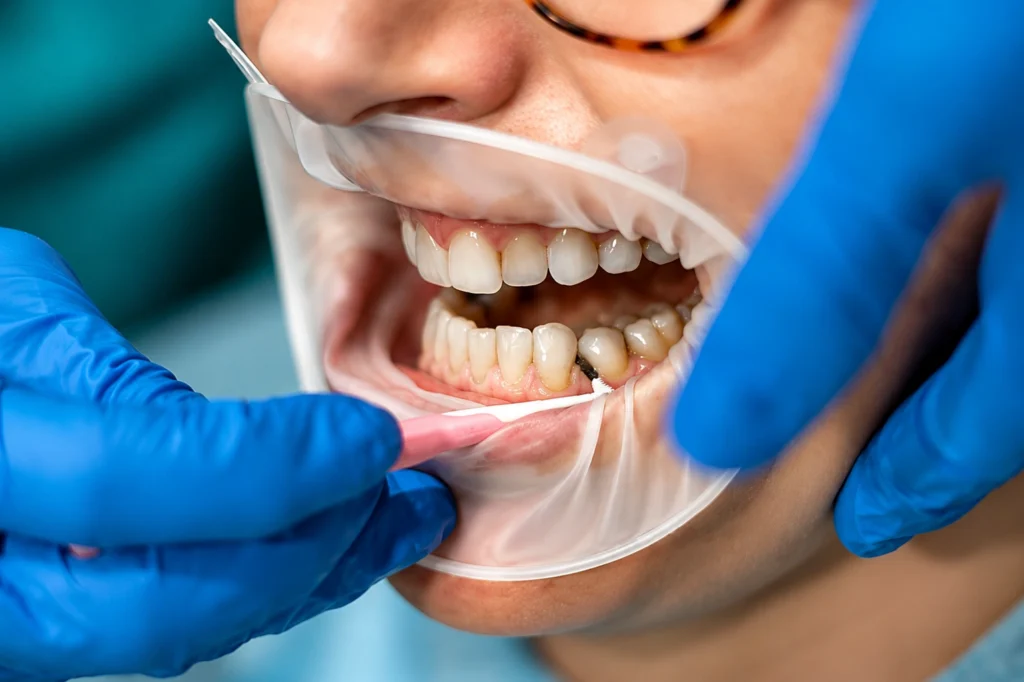
Tender spots can still be treated safely, but the visit should feel controlled rather than rushed. A dental cleaning for sensitive teeth may include lighter pressure, short breaks, desensitizing products, or numbing options for areas that react to air, water, or touch.
Some soreness afterward is common because removing hardened plaque and tartar can expose areas that were previously shielded from hot, cold, or sweet triggers.
Gaps Between Teeth after Deep Cleaning: Causes and Treatment
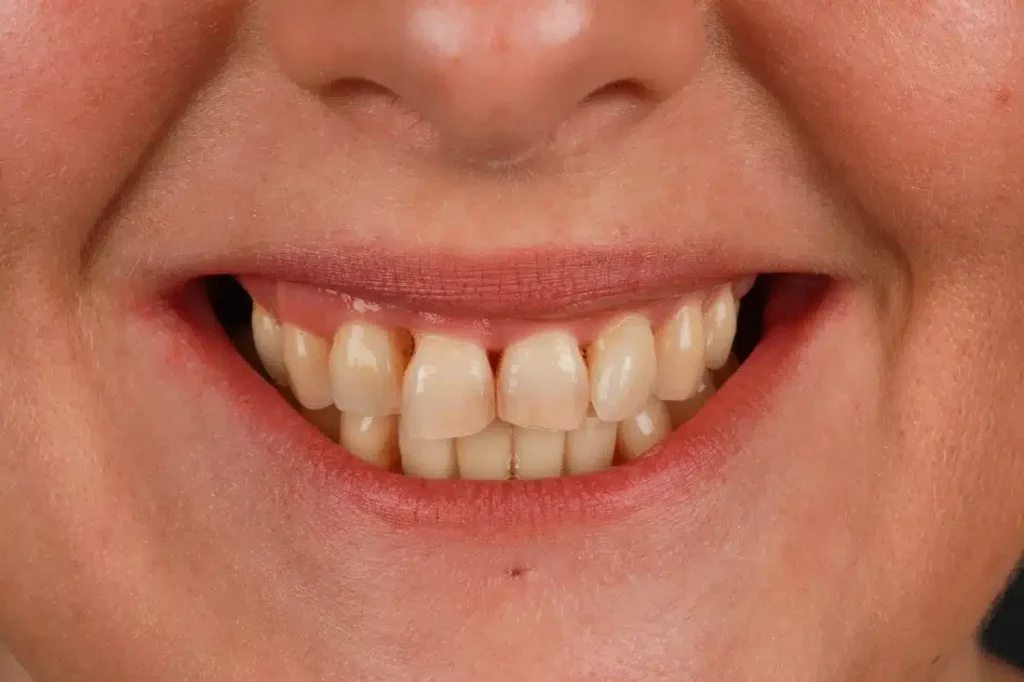
New spacing after periodontal care usually happens because hardened tartar, plaque, and swelling no longer hide the natural shape of your gums. In most cases, gaps between teeth after deep cleaning in Manhattan do not mean the procedure damaged your smile. The treatment removes buildup below the gum line, and the tissue may start to tighten as gum inflammation improves.
Teeth Cleaning Before and After: Results, Benefits, and Care
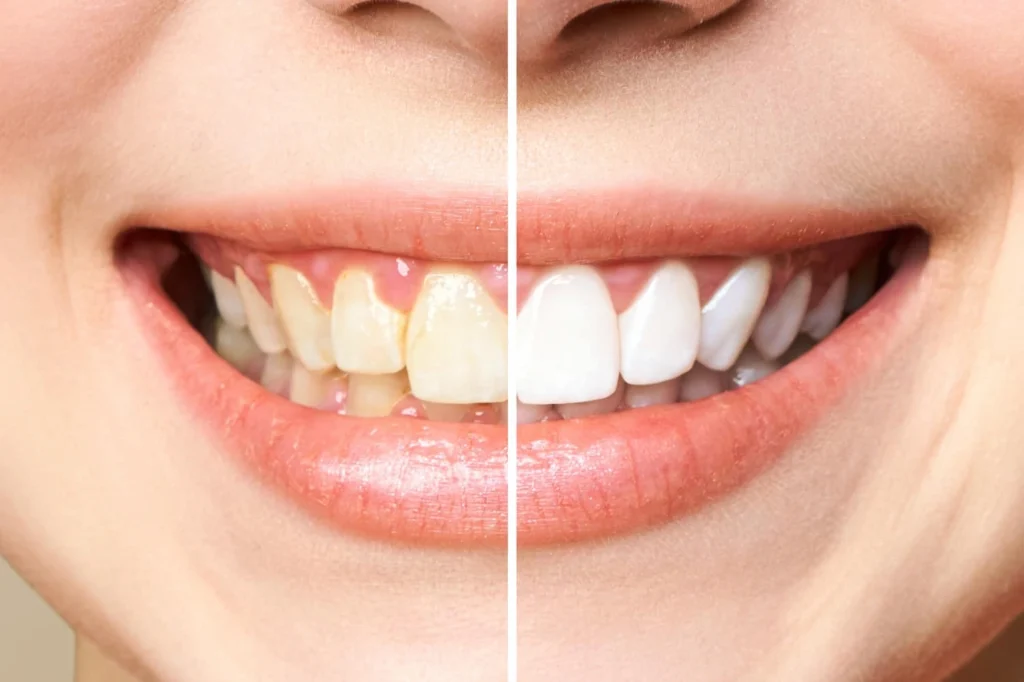
A professional visit removes plaque, hardened tartar (also called dental calculus), and surface stains that brushing at home cannot fully lift. The teeth cleaning before and after difference is usually visible right away: smoother tooth surfaces, less debris along the gumline, and a fresher feel in the mouth. A useful before-and-after view covers comfort, gum health, and daily habits, not just how the smile looks in photos.
Dental Exams and Teeth Cleanings: A Guide for Patients
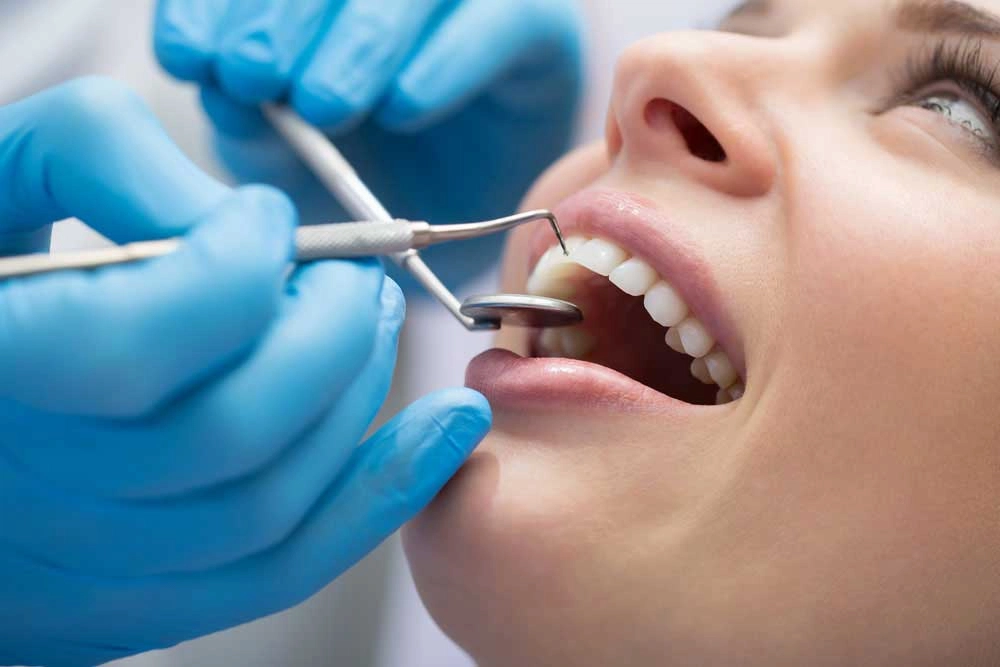
Dental exams and teeth cleanings are preventive visits that help keep your teeth and gums healthy while allowing dental problems to be identified early. During a typical appointment, a dental hygienist removes plaque and tartar, polishes your teeth, and evaluates your gum health, while the dentist examines your mouth for cavities, gum disease, oral cancer, and other concerns.