
Bleeding Gums When Cleaning Your Teeth: Causes and Care
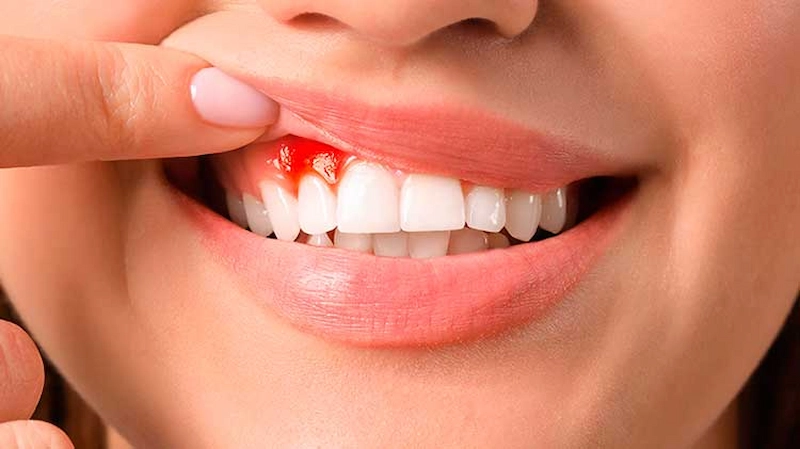
Bleeding while brushing, flossing, or during a dental visit usually means the tissue around your teeth is irritated or inflamed. Plaque buildup is the most common reason, as it traps bacteria along the gumline, which can lead to gingivitis or early gum disease.
With consistent care, bleeding gums when cleaning your teeth often improve within 1 to 2 weeks, especially when you brush twice a day with a soft-bristled toothbrush and floss daily.
Laser Teeth Cleaning: Is It Worth It and How It Works
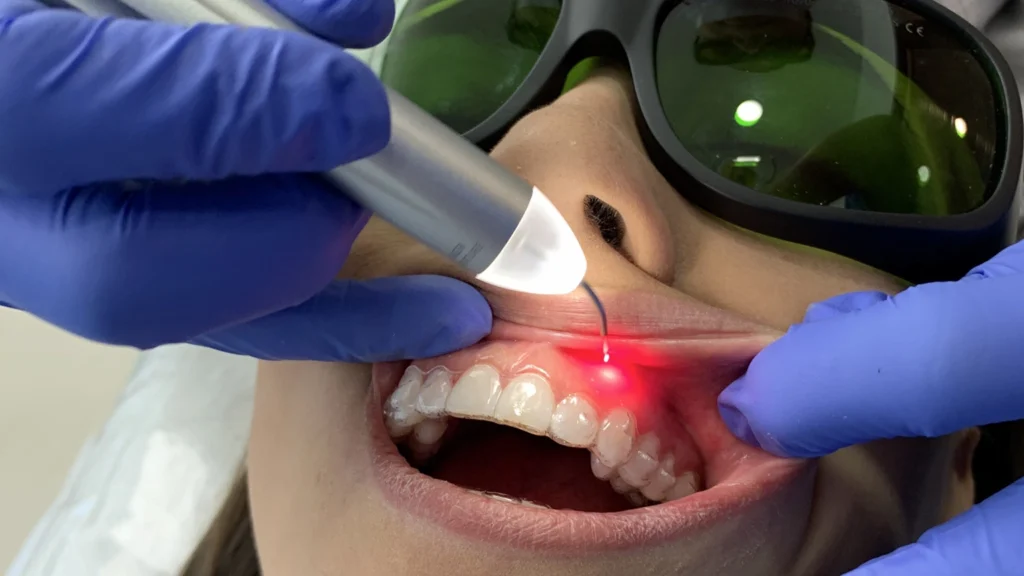
Laser teeth cleaning can be worth it in select cases of gum treatment, but it is not necessary for every routine dental visit. During this type of dental treatment, a dentist may use focused light energy to reduce harmful bacteria or treat irritated gum tissue, while traditional scaling may still be needed to remove hardened plaque and tartar from the tooth surface.
Why Teeth Are Sensitive After a Cleaning and When to Worry
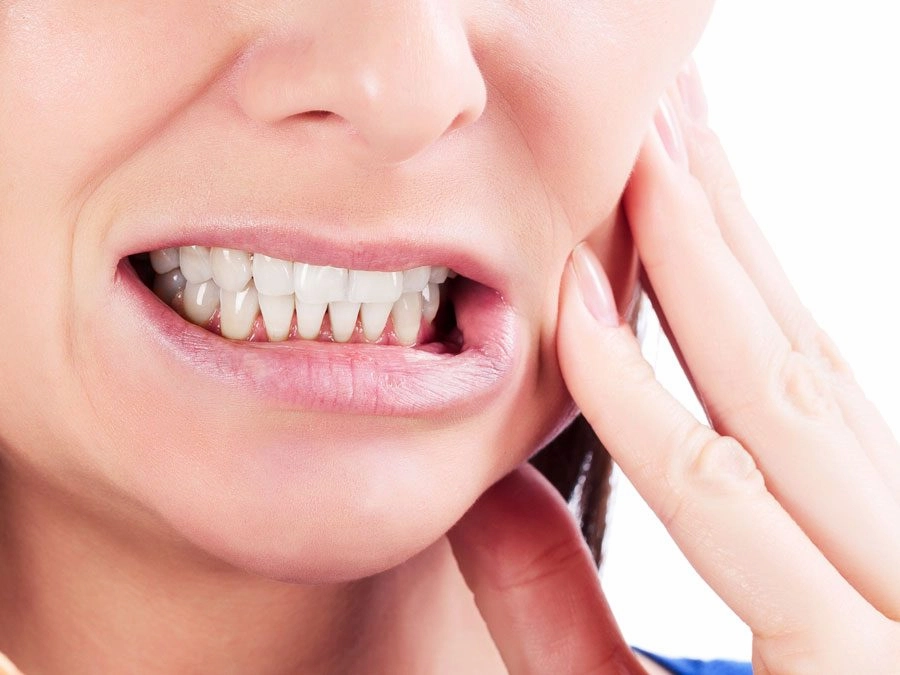
Mild sensitivity after a dental cleaning is usually normal and often improves within a few days. Teeth are sensitive after a cleaning because removing hardened plaque and tartar can expose tiny channels in the dentin, while irritated or slightly receded gums may leave root surfaces more reactive to hot, cold, or sweet triggers.
How Long After a Teeth Cleaning Can I Eat or Drink

You can usually have food and drinks right away after a standard dental visit if you did not receive fluoride and your mouth is not numb. If fluoride varnish was applied, wait at least 30 minutes to an hour before having anything besides water, so the fluoride has time to stay on your enamel.
A simple answer to how long after a teeth cleaning I can eat depends on the type of visit: immediately with routine care, once the fluoride wait time has passed, or when numbness wears off following deeper gum care.
How Often Should You Get Your Teeth Cleaned by a Dentist

Most adults should get a professional teeth cleaning every six months. If you are asking how often you should get your teeth cleaned, the clearer answer is every six months for most healthy adults, and every 3 to 4 months if you have higher risk factors.
That timing helps remove plaque before it hardens into tartar, supports early cavity detection, and gives your dentist a chance to check your gum health.
Ultrasonic Teeth Cleaner: Benefits, Risks, and Safer Options
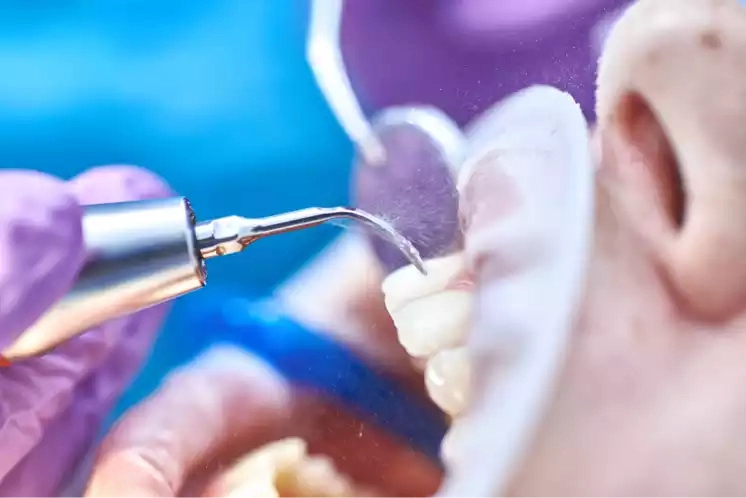
An ultrasonic teeth cleaner can help remove buildup when it is used in a professional dental setting, where training, water control, and proper technique protect the gums and enamel. These tools use high-frequency vibrations to loosen plaque and hardened tartar, also called calculus, but consumer-grade DIY versions pose real risks when used at home.
The main benefit is more efficient cleaning; the main risk is damaging delicate gum tissue, tooth roots, or enamel when the tool is used without clinical guidance.
Dental Teeth Cleaning Tools Dentists and Hygienists Use
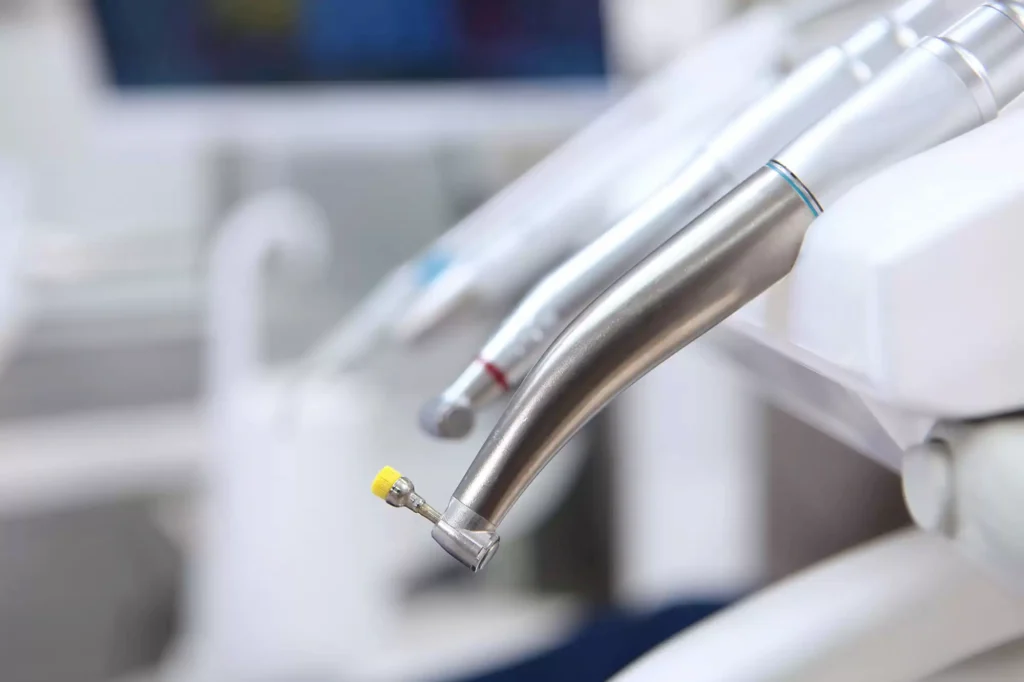
Dentists and hygienists use instruments for exams, scaling, suctioning, polishing, flossing, and imaging during a routine visit. These help them see hidden areas, loosen hardened tartar, clear away debris, polish the enamel, and check for concerns such as tooth decay, bone changes, or early gum inflammation.
Disadvantages of Deep Cleaning Teeth: Pros and Cons
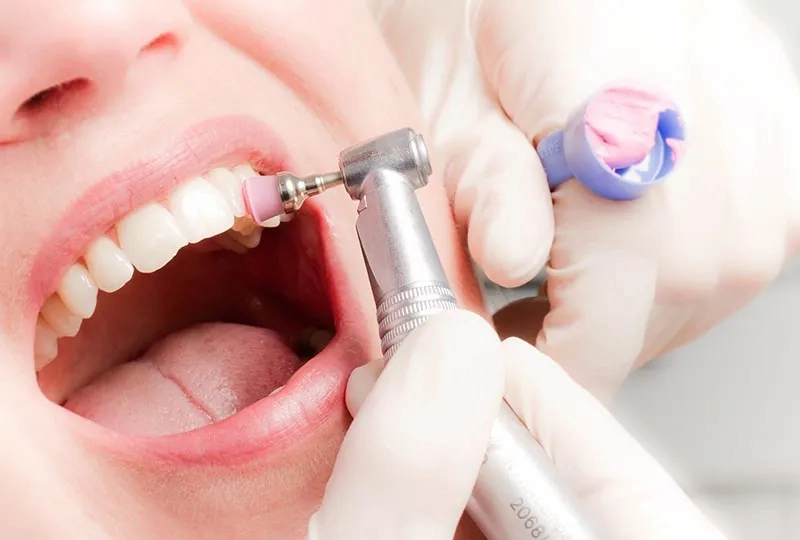
Understand the disadvantages of deep cleaning teeth and the benefits for gum disease, from less bleeding to better long-term oral health.
Teeth Cleaning Rates: Cost, Types, and What to Know
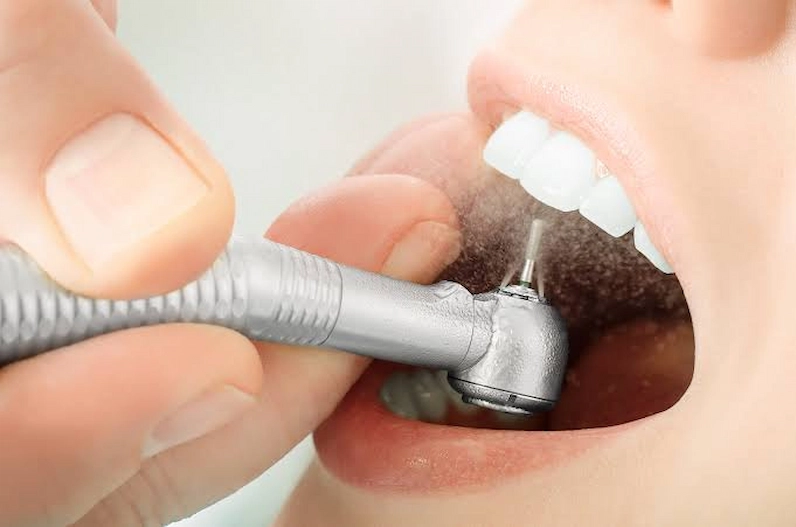
Learn teeth cleaning rates at Smile Lab, including $250 new patient and recall visits, plus when deeper gum care may change your cost.
Deep Teeth Cleaning: What It Is and When You Need It
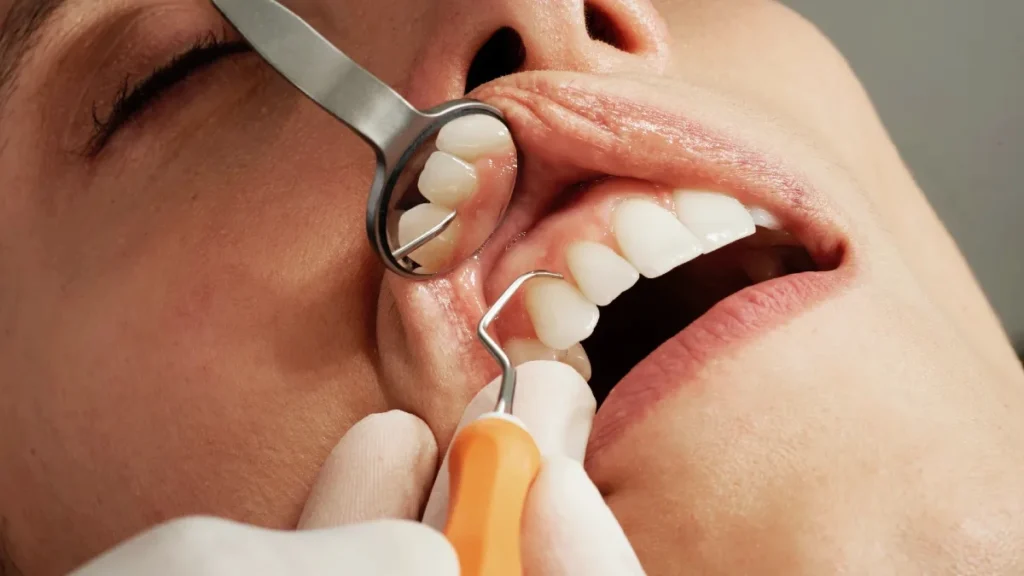
Read this deep teeth cleaning guide to understand scaling, root planing, comfort, recovery time, cost factors, and follow-up care.