
Kids’ Teeth Cleaning: What You Need to Know Before the Visit
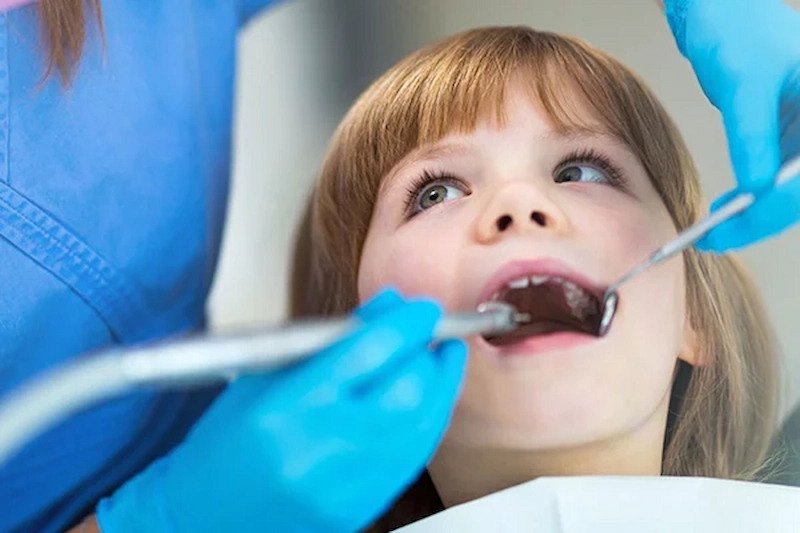
Before the visit, parents should know that kids’ teeth cleaning often includes an exam, plaque and tartar removal, polishing, and fluoride when needed. The visit may take 30 to 60 minutes and should not hurt, though a child may feel pressure or mild soreness. Children should usually see a dentist when the first tooth appears or by age one.
How to Relieve Pain After a Teeth Cleaning: Tips and Risks

Mild soreness or tooth sensitivity following a dental visit often improves within one or two days. To relieve pain after a teeth cleaning, start with warm salt water, desensitizing toothpaste, soft foods, gentle brushing, and an over-the-counter medication when appropriate. Severe, worsening, or persistent discomfort may indicate an issue beyond normal recovery.
Cleaning Your Teeth With Hydrogen Peroxide: Is It Safe?
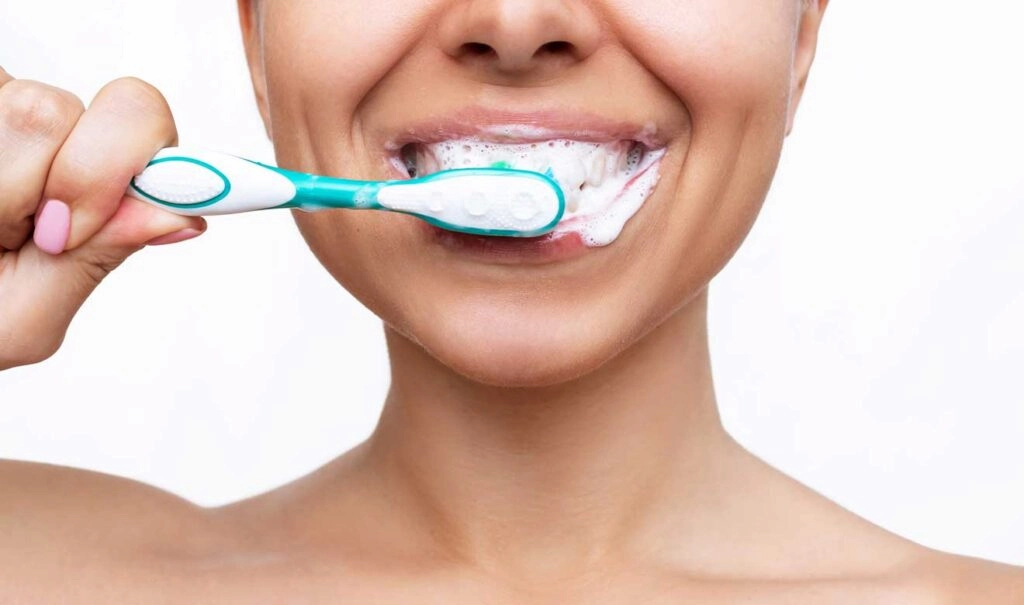
Yes, cleaning your teeth with hydrogen peroxide can be safe when you use a whitening product made for oral care and follow its directions. It may help fade surface stains, but it does not remove tartar or replace the need for fluoride toothpaste, flossing, and professional cleanings.
Applying a 3% household solution directly, mixing it with baking soda, or using it as a homemade rinse is not inherently safe, even if used only once or twice a week.
Can You Get Your Teeth Cleaned While Pregnant Safely?
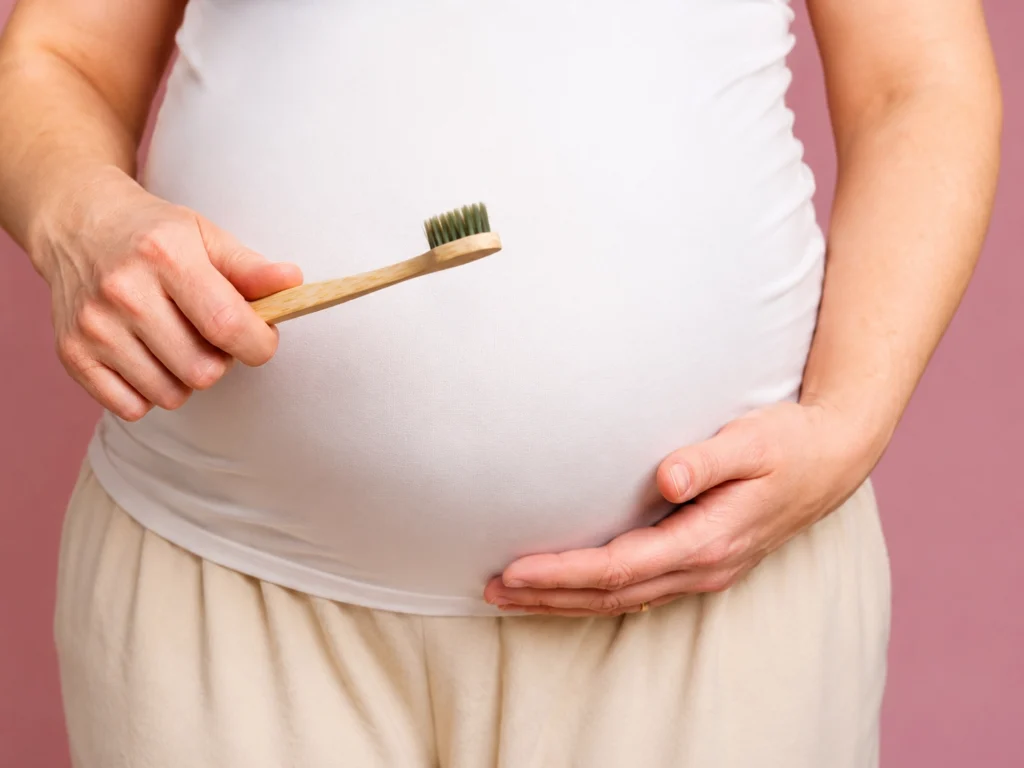
Yes. Routine professional cleanings are generally safe throughout pregnancy and help prevent plaque buildup, gum inflammation, tooth decay, and more serious oral health problems. If you are wondering whether you can get your teeth cleaned while pregnant, the answer is usually yes, as long as your dentist knows about your pregnancy and any medical concerns.
Emergency Walk-In Dentist in NYC for Same-Day Relief
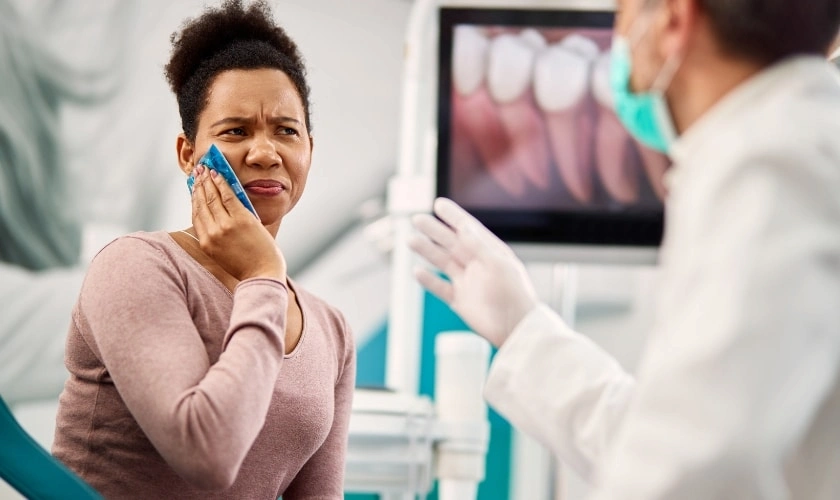
If you need same-day relief for tooth pain, swelling, a cracked tooth, or a dental injury, Smile Lab can help you find fast dental care in NYC with clear next steps. As an emergency walk-in dentist option in Union Square, the team focuses on pain relief, clinical clarity, and a calmer urgent visit from the start.
Tooth Scaling vs. Cleaning: What Is the Difference?
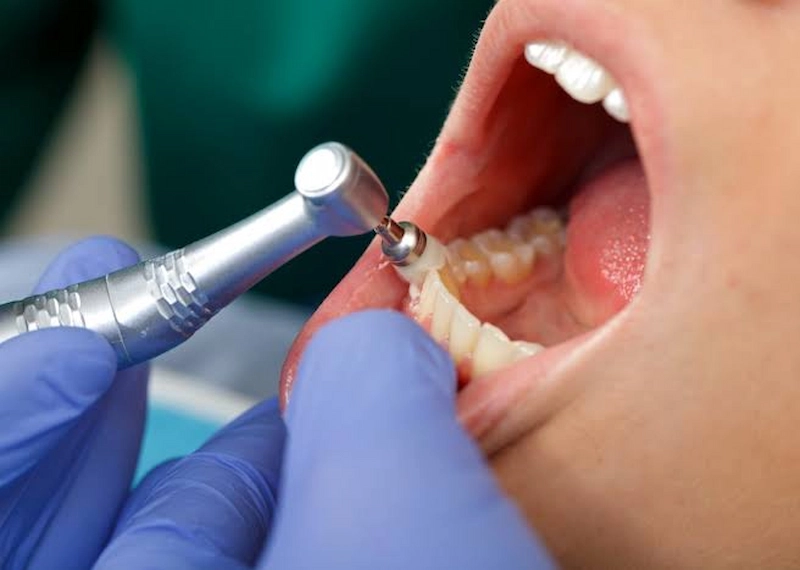
A routine dental visit removes plaque and tartar from the parts of your teeth above the gumline. A deeper treatment reaches below the gum line to remove hard buildup and bacteria associated with gum disease. The main difference in tooth scaling vs. cleaning is the depth of care and the health of the gums.
Dental Hygienist Cleaning Teeth: Methods, Benefits, and Cost
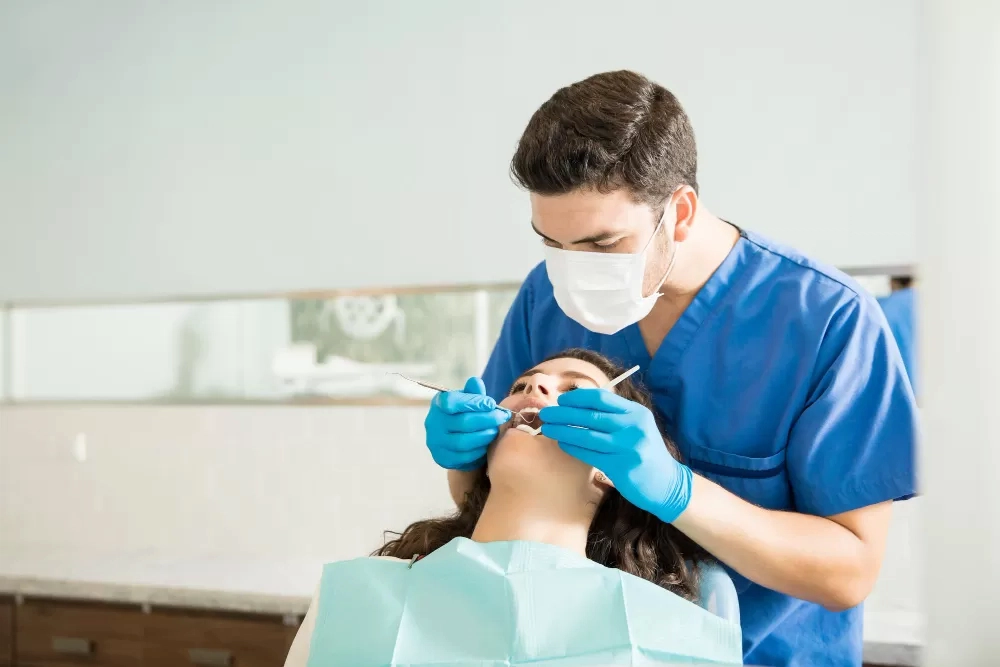
A routine dental cleaning usually takes about 30 to 60 minutes. It may include an oral exam, a gum health check, scaling to remove plaque and hardened tartar, polishing to reduce surface stains, and flossing. X-rays or fluoride treatment may also be recommended based on your age, oral health, and dental history.
Professional cleaning removes tartar that brushing and flossing cannot remove at home. It can also help prevent cavities and control early gum inflammation. The cost depends on whether the visit includes X-rays, fluoride, or treatment for gum disease rather than a routine cleaning.
Can Gum Clean Teeth? A Guide to Benefits and Limits
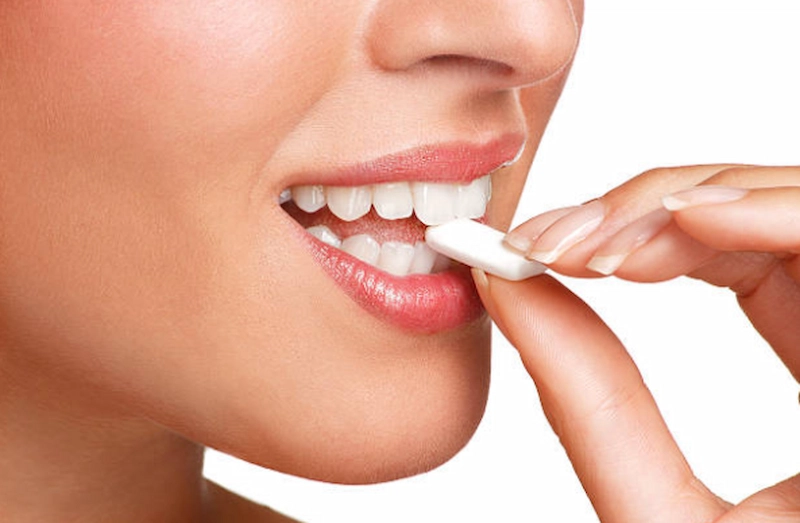
Yes, but only to a point. The answer to whether gum can clean teeth depends on the product and what you expect it to do. Sugar-free options can loosen food particles, increase saliva flow, neutralize acids from oral bacteria, and support tooth enamel, but they cannot replace brushing and flossing.
Deep Teeth Cleaning vs Regular Teeth Cleaning: Simple Guide
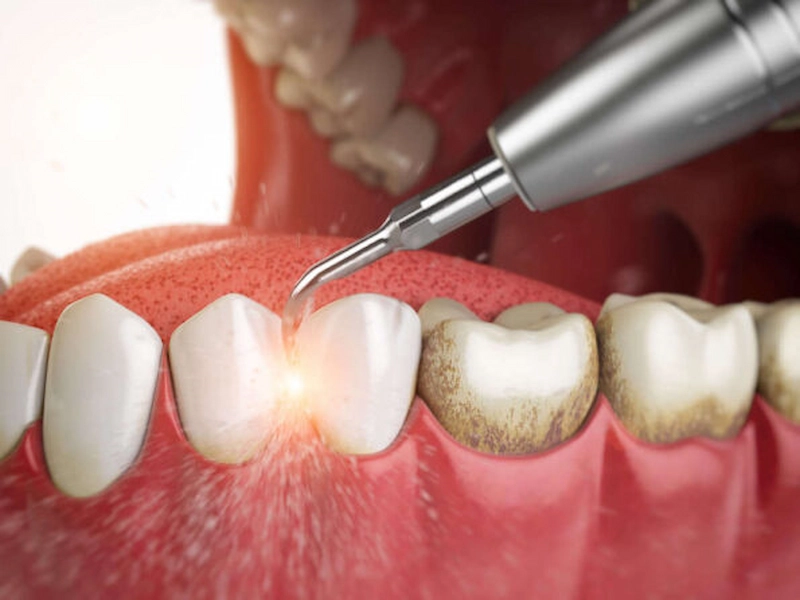
A routine dental visit is preventive care for healthy or stable gums, while scaling and root planing treat gum disease. The core difference in deep teeth cleaning vs regular teeth cleaning is how far the dentist or hygienist needs to reach: standard care removes buildup above the gumline, while periodontal therapy removes hardened tartar and bacteria below it.
Cleaning Teeth after an Extraction: Safe Aftercare Guide
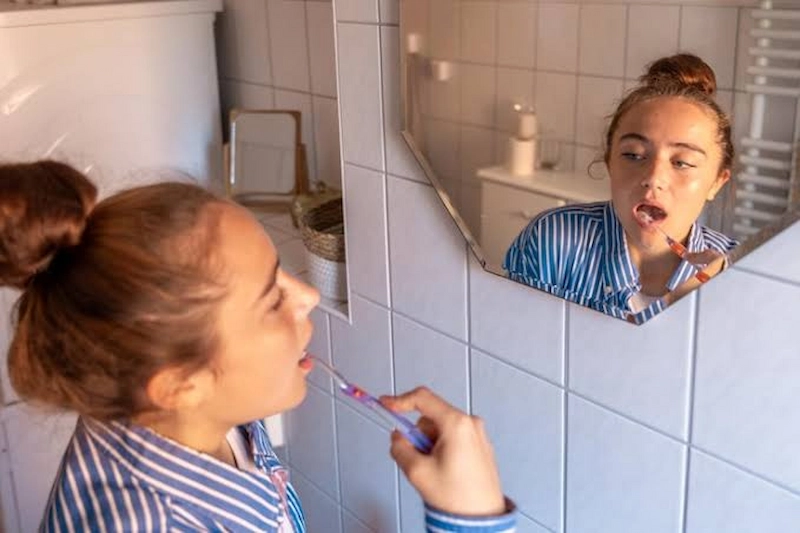
You can usually brush your other teeth on the same day as an extraction, but avoid brushing directly over the socket until your dentist says it is safe. Use a soft toothbrush and clean gently around the treated area. During the first 24 hours, do not rinse forcefully, spit, or use a straw because these actions may disturb the blood clot needed for healing.