
Every pregnancy is different, so your dental team may adjust the visit based on your trimester, comfort, or guidance from your obstetrician. At Smile Lab, Dr. Waise Ebrahimi follows a preventive, conservative approach to support dental health during pregnancy without recommending unnecessary care.
Key Takeaways
- Routine dental cleanings are generally safe during every trimester and can help prevent gum inflammation, tartar buildup, and tooth decay.
- Tell your dental team that you are expecting, especially if you have a high-risk pregnancy, take medications, or feel uncomfortable lying back.
- Dental X-rays, local anesthesia, fluoride treatments, and urgent procedures may be used when clinically necessary.
- Pregnancy gingivitis, bleeding gums, and enamel exposure from morning sickness need consistent home care and professional monitoring.
- Contact a dentist promptly for severe pain, swelling, infection, persistent bleeding, or unusual gum changes.
Dental Cleanings Are Safe During Pregnancy
Professional care removes plaque and tartar that brushing cannot fully address, and understanding teeth scaling vs. cleaning can help explain what happens during the appointment.
The American Dental Association and the American College of Obstetricians and Gynecologists support preventive, diagnostic, and necessary dental care during pregnancy.
Routine dental visits usually include an examination, tartar removal, polishing, and oral hygiene guidance. These visits do not involve invasive dental treatments unless a separate problem needs care.
Can Cleaning Harm the Baby?
A standard cleaning does not harm a developing baby. It focuses on tooth surfaces and the gumline without affecting the pregnancy.
Your dentist should still know your due date, medications, symptoms, and medical history. This helps the team tailor care for pregnant patients.
Can Cleaning Cause a Miscarriage?
There is no evidence that a professional cleaning causes miscarriage. Routine dental care during pregnancy can usually continue in any trimester unless an obstetrician recommends otherwise.
Why Dental Cleaning During Pregnancy Matters
Hormonal changes can make the gums react more strongly to plaque. Pregnant women may notice tenderness, swelling, or bleeding even when their brushing habits have not changed.
Good dental health during pregnancy helps control inflammation and allows the dentist to identify concerns before they become painful. It also supports whole-body wellness.
Pregnancy Gingivitis and Bleeding Gums
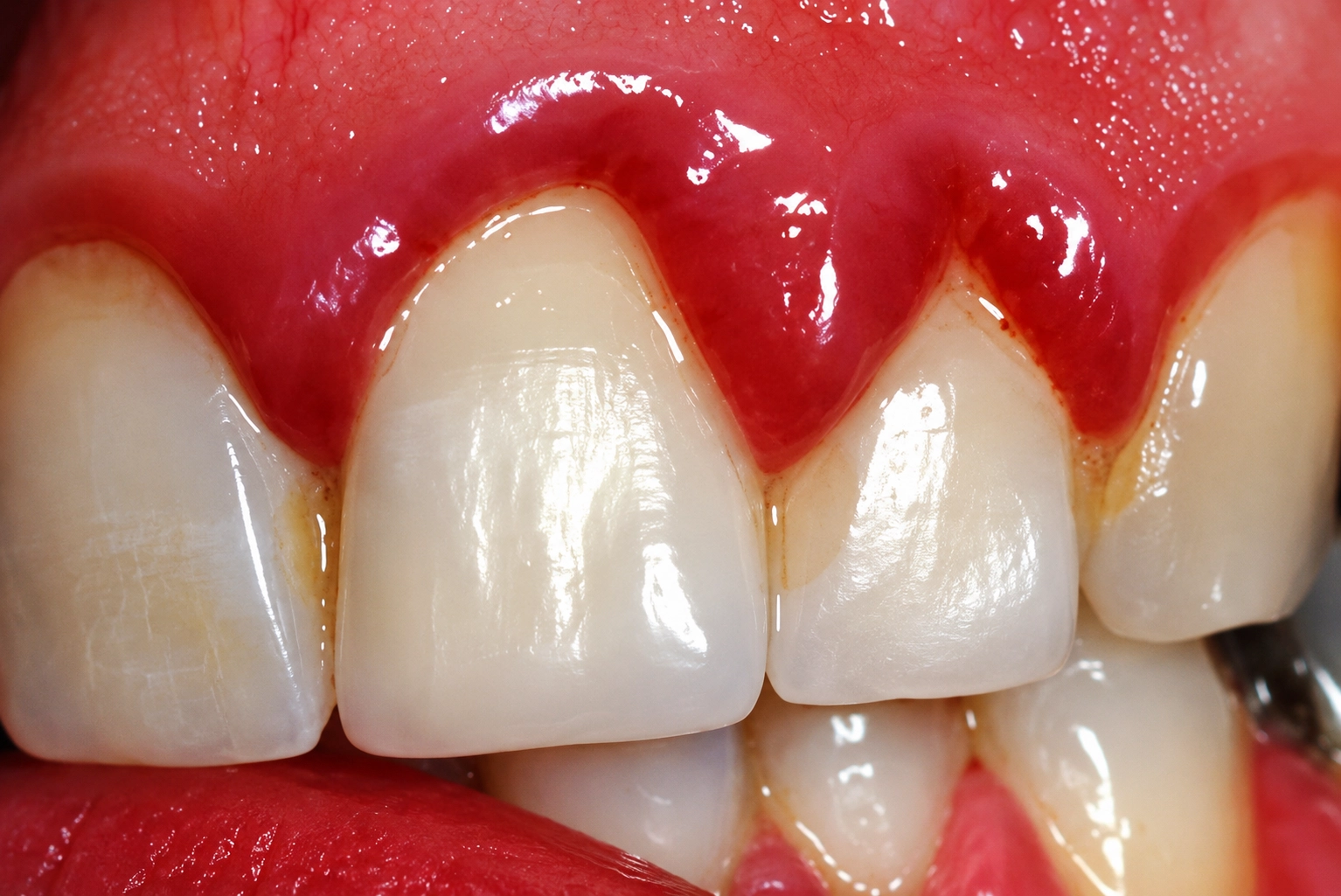
Pregnancy gingivitis is an early form of gum inflammation. It does not always mean that you have periodontal disease, but untreated inflammation may progress when plaque remains around the gums.
Bleeding while brushing is common, but you should continue to care for the area carefully rather than avoid it.
Plaque, Tartar, and Enamel Damage
Plaque can contribute to gum inflammation and tooth decay. Once it hardens into tartar, a toothbrush cannot remove it.
Frequent vomiting can expose enamel to stomach acid, which may increase sensitivity and weaken the outer surface.
Dental Care in Each Trimester
Routine dental care is considered safe throughout pregnancy. The best time often depends on nausea, energy levels, comfort, and medical needs rather than a strict trimester rule.
Dental Visits in the First Trimester
Care is generally safe during the first trimester. Tell the team if nausea, fatigue, or a strong gag reflex could make the visit uncomfortable.
Urgent dental procedures should not be delayed when pain or infection is present.
Dental Visits in the Second Trimester
The second trimester often feels more comfortable because nausea may improve and lying back may still feel manageable. This makes it a practical time for routine dental care, but it is not the only safe period.
Dental Visits in the Third Trimester
A preventive appointment can still be completed during the third trimester. The dental chair may need to remain more upright, and short breaks can reduce back pressure or dizziness.
What to Expect at Your Visit
The hygienist will examine your gums, remove plaque and tartar, polish the tooth surfaces, and review areas that need more attention at home. The visit should feel similar to a standard appointment, with small adjustments for comfort.
Tell Your Dental Team You Are Expecting
Share how far along you are and whether your obstetrician has identified any complications. Also provide an updated list of medications and supplements.
When to Contact Your OB
Most healthy pregnant patients do not need written approval for routine dental care. Coordination may help when the pregnancy is high risk, a medical condition affects treatment, or the dentist needs guidance about medications.
Positioning and Comfort Adjustments
Tell the hygienist if you feel lightheaded, nauseated, short of breath, or uncomfortable. The team can change the chair angle or pause the visit.
Safe Dental Procedures During Pregnancy
Necessary dental procedures should not be delayed when postponement could worsen pain, infection, or damage. Your dentist will consider urgency, medical history, and current guidance.
Dental X-Rays During Pregnancy
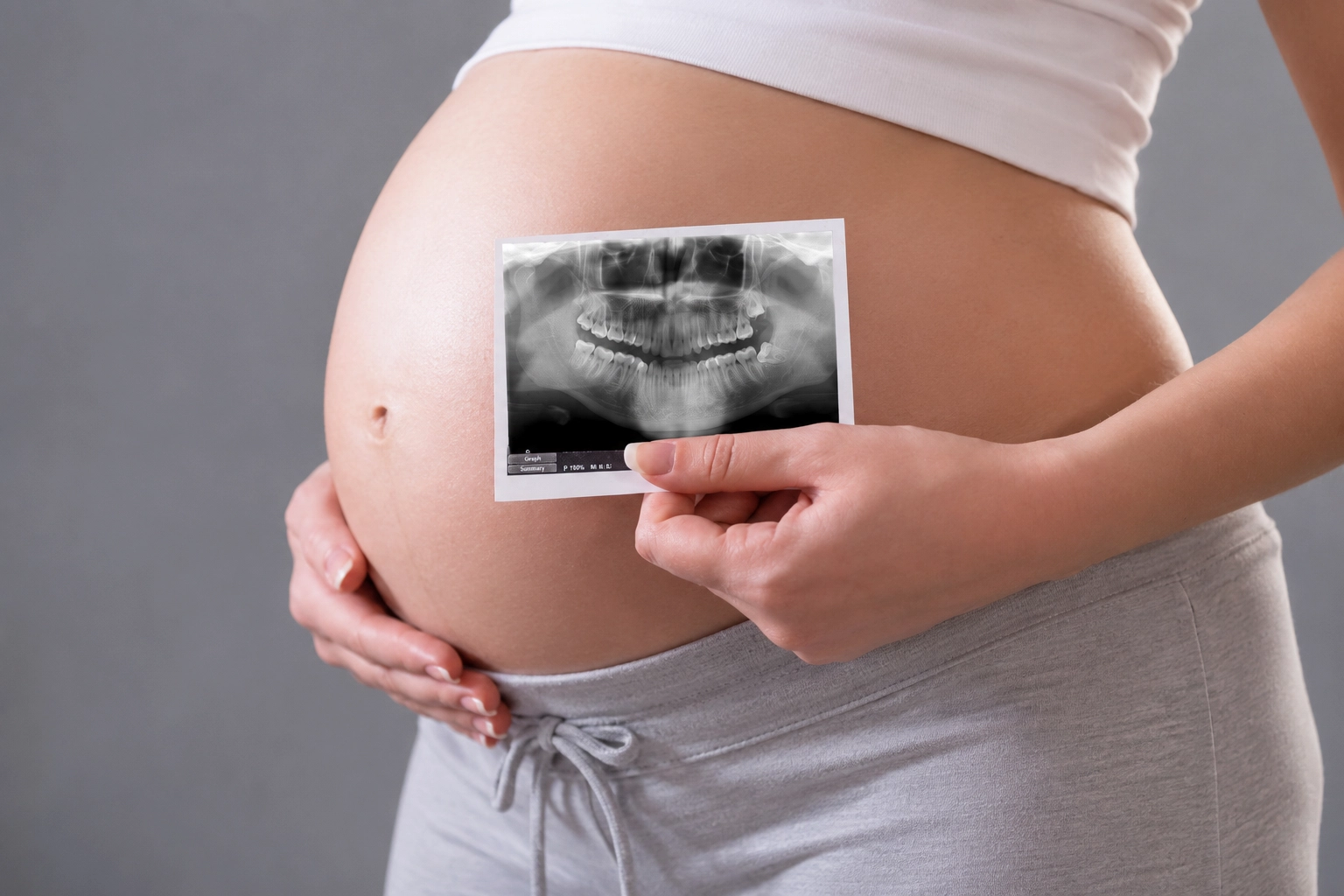
Dental X-rays can be taken when needed to diagnose or plan care. Modern low-radiation digital imaging uses a focused dose, and the dentist should order only images that provide a clear clinical benefit.
Local Anesthesia and Root Canals
Local anesthesia can be used when treatment requires numbing. Necessary restorative care, extractions, and root canals can also be performed when clinically required.
Fluoride and Cosmetic Treatment
Topical fluoride may help patients with sensitivity, frequent cavities, vomiting, or a higher risk of enamel damage. Whitening and other elective cosmetic dental treatments can usually wait until after delivery.
Routine Cleaning vs. Deep Cleaning
A routine dental cleaning removes plaque and tartar from visible surfaces and around the gumline. This guide to deep cleaning vs. regular cleaning for teeth explains how a deep cleaning treats active gum disease by reaching below the gumline and smoothing the roots.
A dentist may recommend deeper treatment when an examination shows gum pockets, bone changes, or periodontal disease. Research has found associations between severe gum disease, preterm birth, and low birth weight, although this does not prove direct causation.
Caring for Your Mouth at Home
Brush your teeth twice daily with fluoride toothpaste, floss once a day, and follow these tips for your oral hygiene routine while caring for tender areas, using light pressure. Strong oral hygiene habits support professional care between visits.
After vomiting, do not brush immediately, as stomach acid temporarily softens enamel. Rinse with water mixed with one teaspoon of baking soda, spit it out, and wait before brushing.
When Should You Call Your Dentist?
Contact a dentist for strong tooth pain, facial swelling, fever, pus, a broken tooth, or a bad taste that does not go away. Persistent bleeding, unusual gum growths, or worsening swelling also need evaluation.
Plan a Comfortable Dental Visit
You do not need to postpone preventive care simply because you are expecting. A focused examination can clarify what is safe, what needs attention, and what can wait.
To discuss dental care during pregnancy with a team that understands prevention, comfort, and coordinated care, schedule your visit with Smile Lab.