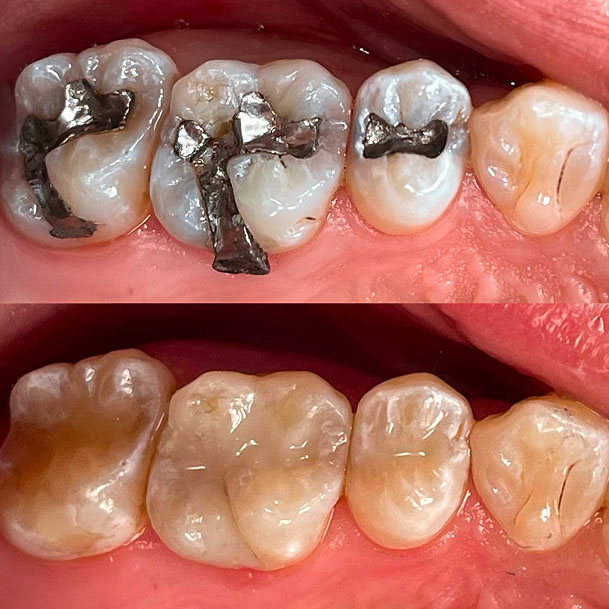

How Long After a Filling Can You Eat?
The timing depends on the filling material and your individual healing process.
| Filling Type | When You Can Eat | Key Notes |
|---|---|---|
| Composite (tooth-colored) | Once numbness fades (1–2 hours for most patients) | Cures instantly under UV light; avoid hard foods for 24 hours |
| Amalgam (silver) | After 24 hours | Needs full setting time; no hard or sticky foods for a few days |
| Ceramic/Porcelain | Once numbness fades (2–3 hours) | Avoid temperature extremes initially; no chewing ice |
| Gold | Once numbness fades (2–4 hours) | Very durable; still test gentle chewing first |
Eating after a composite vs. an amalgam filling depends on how each material sets. Composite cures instantly under UV light, so it’s ready to bite on almost immediately. Amalgam needs the full 24 hours, since bite pressure before it hardens can crack or dislodge it.
How Long to Wait After a Composite Filling
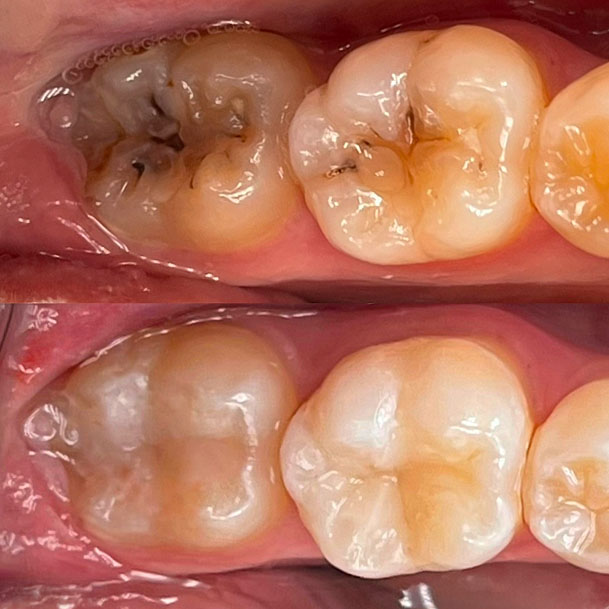
Composite fillings reach full hardness as soon as you leave the chair because they cure under UV light during placement. You can technically eat right away, but wait until the anesthetic wears off before putting anything in your mouth.
How long after a composite filling can you chew? For most patients, gentle chewing is safe within 1 to 2 hours, once sensation returns. Avoid chewing directly on the treated tooth for the rest of the day. That keeps pressure off the restoration while the surrounding tissue settles.
How Long to Wait After an Amalgam (Silver) Filling
Amalgam fillings take roughly 24 hours to reach maximum hardness. Avoid chewing on the filled side for the rest of the day, and stay away from hard or sticky foods for a few days while the material fully sets.
The risk with amalgam is mechanical: bite pressure before the material hardens can crack or dislodge it. If you’re wondering how long after an amalgam filling you can chew, 24 hours is the standard benchmark before you use that side of your mouth normally.
What About Ceramic and Gold Fillings?
For ceramic and porcelain fillings, wait until the anesthetic wears off (usually 2 to 3 hours) before eating, and avoid extreme temperatures for the first day. Ceramic can be more sensitive to sudden hot-and-cold shifts, so skip ice water, hot coffee, and ice cream early on.
Gold fillings are among the most durable restorations available, and many patients also ask whether gold fillings are safe given their metal content. Once numbness fades (about 2 to 4 hours), you can generally eat normally, though it’s smart to test gentle chewing on the opposite side first.
How Long Does Numbness Last After a Filling?
Local anesthetic typically wears off within 1 to 4 hours, depending on the agent used and how much was needed for your procedure. Most patients feel normal sensation return within 2 to 3 hours.
While you’re still numb, avoid chewing solid food, sipping anything hot, or drinking through a straw. It’s easy to bite your cheek, lip, or tongue without realizing it, or burn your mouth on something too hot to notice. Room-temperature water is generally fine if you can swallow comfortably.
If numbness lasts longer than 5 to 6 hours, contact your dentist. Prolonged numbness is uncommon but worth checking.

Factors That Affect How Soon You Can Eat
Tooth Sensitivity
Mild sensitivity to hot or cold is normal for a few days after the procedure. If you’ve noticed sensitive teeth before, from a cleaning or otherwise, this will likely feel similar. Stick to room-temperature or cool foods, and avoid temperature extremes until it settles.
Can you eat ice cream after a composite filling? Technically yes, since the material is fully cured, but the cold may trigger sharp sensitivity for the first day or two, so it’s better to wait. If sensitivity persists after a week, contact your dentist. Persistent sensitivity can signal that the filling needs a minor bite adjustment.
Size and Location of the Filling
Larger or deeper fillings, especially on molars that handle heavy chewing, may take longer to feel normal. Restorations near the gum line or nerve can also cause more post-procedure sensitivity.
Individual Healing
Recovery varies. Follow your dentist’s specific guidance if it differs from these general timelines.
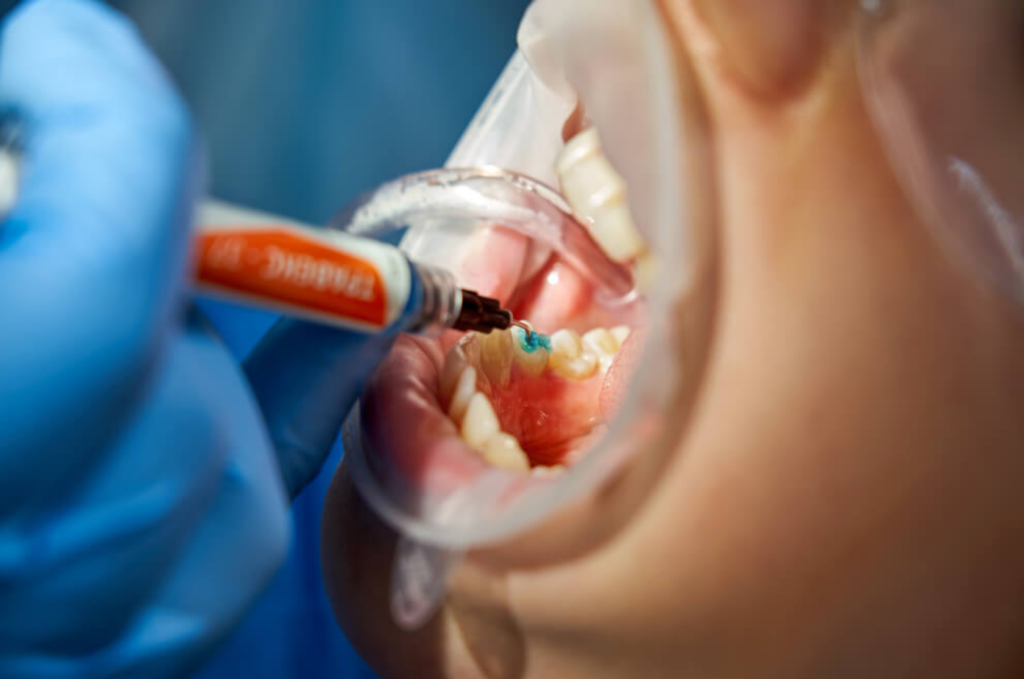
What Can You Eat After a Filling? A Post-Filling Meal Guide
What you eat in the hours and days after your filling procedure matters for keeping the restoration intact and managing any sensitivity.
First 24 Hours: What Foods Can I Eat After a Filling?
Once the anesthetic wears off, soft foods that require minimal chewing are your best option. Good choices include:
- Mashed potatoes
- Scrambled eggs
- Yogurt
- Smooth soups (lukewarm, not hot)
- Applesauce
- Oatmeal
- Smoothies or protein shakes
- Soft avocado or banana
Cool or lukewarm temperatures are gentler than very hot or very cold foods while the tooth settles.
After 48 Hours: Gradually Reintroduce Your Normal Diet
By day two or three, most people can comfortably return to their regular food choices, as long as nothing triggers sharp sensitivity or discomfort. Introduce foods progressively: well-cooked vegetables, soft proteins, and rice before moving on to anything crunchy or chewy.
Can I eat bread after a filling? Soft bread is fine within the first day or two, but skip crusty loaves, bagels, and pizza crust for the first few days, since the pressure they require can stress a still-settling restoration.
What to Avoid and for How Long
| Food/Drink Category | Examples | How Long to Avoid |
|---|---|---|
| Sticky foods | Caramel, taffy, gummy candy, chewing gum | At least 48–72 hours; longer for amalgam |
| Hard foods | Nuts, hard candies, ice, popcorn kernels | 24 hours minimum; longer if tender |
| Very hot or cold items | Hot coffee, hot soup, ice cream, ice water | Until sensitivity resolves (a few days) |
| Sugary or acidic foods | Soda, citrus, candy | Limit during the first week to reduce bacterial risk |
| Alcohol | Wine, beer, spirits | 24 hours if the tooth is tender |
What Happens If You Eat Too Soon?

Eating before the anesthetic wears off is the most common problem. You risk biting the inside of your cheek, lips, or tongue without feeling it, which can cause painful injuries that take a few days to heal.
Beyond the numbness risk, skipping the timing guidelines above can also stress the restoration itself, particularly with amalgam. Sticking to soft foods and chewing on the opposite side for the first day is the simplest way to avoid both problems.
Managing Sensitivity and Discomfort
Some sensitivity and mild soreness after the procedure is normal. Here’s what to expect and how to manage it.
Sensitivity to heat and cold is the most common complaint and usually fades within a few days to a week. Lukewarm foods and avoiding extremes of temperature will keep it manageable.
Pressure sensitivity when biting down typically resolves as the tooth adjusts to the new restoration. If it persists beyond two to three days, the bite may need to be adjusted.
Mild aches or soreness around the injection site can linger for a day or two; over-the-counter pain relievers like ibuprofen help with both pain and inflammation.
A few things that speed recovery along:
- Use a desensitizing toothpaste for two to three weeks if sensitivity lingers
- Avoid acidic foods and drinks (citrus, soda, wine) while the area is still sensitive
- Brush gently with a soft-bristle brush near the treated tooth
- Consider a fluoride mouthwash to support enamel recovery
How Long Do Dental Fillings Last?
Filling longevity depends on the material and how well you care for it. Composite (tooth-colored) fillings generally last five to seven years. Amalgam fillings are more durable and often last ten to fifteen years or longer.
Ceramic and gold fillings sit at the high end; gold in particular can last fifteen to twenty or more years with proper care.
These ranges align with clinical research on composite and restorative filling longevity, though individual results vary based on oral hygiene, diet, and bite habits.
At Smile Lab, composite fillings come with a one-year warranty. The better you maintain your oral hygiene and avoid habits like chewing ice or grinding, the longer your restoration holds up.
When to Contact Your Dentist
Mild discomfort for a few days is normal. These symptoms are not:
- Pain that gets worse instead of better after two to three days
- Swelling around the treated tooth or in the gum
- A bite that feels significantly elevated or misaligned
- Sharp edges on the filling that irritate your tongue or cheek
- A filling that feels loose or like a piece has broken off
- Sensitivity that worsens rather than gradually improves
If any of these come up, call your dentist promptly. Most of these issues are quick fixes when caught early, but leaving them can turn a minor adjustment into a bigger, more costly emergency dental visit.
If you’re unsure whether what you’re experiencing qualifies as urgent, Smile Lab’s guide to dental emergency signs can help you decide.
Expert Tips for Eating After a Filling
A few habits that make post-procedure recovery smoother:
- Chew on the opposite side of your mouth for the first day or two
- Eat slowly and take smaller bites than usual for the first 24 hours
- When reintroducing foods, pay attention to how the tooth feels under pressure
- Start with cool or room-temperature foods before trying anything hot or cold
Frequently Asked Questions
Can you eat right after a filling?
For composite fillings, the material is fully cured during the appointment, but you should still wait until the anesthetic wears off (usually 1 to 2 hours) before eating. For amalgam fillings, wait a full 24 hours before chewing on that side.
What can you eat after a filling?
Soft, easy-to-chew foods like yogurt, mashed potatoes, scrambled eggs, smooth soups, and applesauce are ideal for the first 24 hours. Cool or lukewarm temperatures are easier on a sensitive tooth than very hot or very cold ones.
How long do dental fillings last?
With good oral hygiene and regular checkups, composite fillings typically last 5 to 7 years, amalgam 10 to 15 years or more, and gold or ceramic restorations 15 to 20+ years. Grinding, chewing hard foods, and skipping cleanings all shorten that lifespan.
Can I drink coffee or alcohol after getting a filling?
Wait until the numbness has fully faded, then start with lukewarm, not hot, drinks. Avoid alcohol for at least 24 hours if the tooth still feels tender.
What counts as a dental emergency?
The ADA defines it as anything potentially life-threatening or anything requiring immediate attention to stop bleeding or relieve severe pain. At Smile Lab, we treat severe toothaches, knocked-out or broken teeth, facial swelling, uncontrolled bleeding, soft tissue infections, lost restorations, post-surgical complications, and trauma to the mouth or jaw. You can also read our full guide on the signs of a dental emergency if you’re not sure what you’re dealing with. Not sure if yours qualifies? Call anyway. We’d rather you check than wait too long.
Can I get a same-day urgent appointment in Manhattan?
Yes. Smile Lab offers same-day appointments for patients across Manhattan and surrounding neighborhoods. If you’re searching for an emergency dentist near me, Dr. Ebrahimi’s team is on call 365 days a year. Call (332) 258-8383 and we’ll get you in as quickly as possible.
What should I do while waiting for my appointment?
For a knocked-out tooth, keep it moist in milk or between your cheek and gum. Don’t let it dry out, and don’t scrub the root. For severe pain, over-the-counter pain relievers can help in the short term. For facial swelling, apply a cold compress to the outside of your cheek. For bleeding, apply gentle pressure with clean gauze. Call us at (332) 258-8383 so we can guide you on your way over.
How much does urgent dental care cost in NYC?
With PPO insurance, your visit is covered. Without insurance, an urgent exam is a flat $99, and we offer 0% financing through Cherry, so cost never gets in the way. We tell you the full treatment cost before we start, every time. Call (332) 258-8383 and we’ll walk you through your options before the appointment.
Is a toothache a dental emergency?
A mild, occasional ache probably isn’t. A severe or worsening one is. Intense pain often signals infection, an abscess, nerve damage, or decay that can spread fast. If your toothache keeps you up at night, makes eating hard, or comes with swelling or fever, call us right away.
Where is the best emergency dentist in Manhattan?
Smile Lab in Union Square is one of Manhattan’s top-rated urgent care practices. Dr. Waise Ebrahimi, a UC San Francisco graduate, leads a team on call 365 days a year for patients across New York. With a 4.7-star rating across 664 Google reviews and 1,759 ZocDoc reviews, Smile Lab is the team Manhattan patients trust when it matters most.
What should I do if I knock out a tooth?
Act fast. Pick the tooth up by the crown, never the root. Rinse it gently with water if it’s dirty, but don’t scrub it. Place it back in the socket if you can, or keep it moist in milk or saliva. Then call (332) 237-6453 and get to our Union Square office immediately. Reimplantation success drops sharply after 30 minutes.