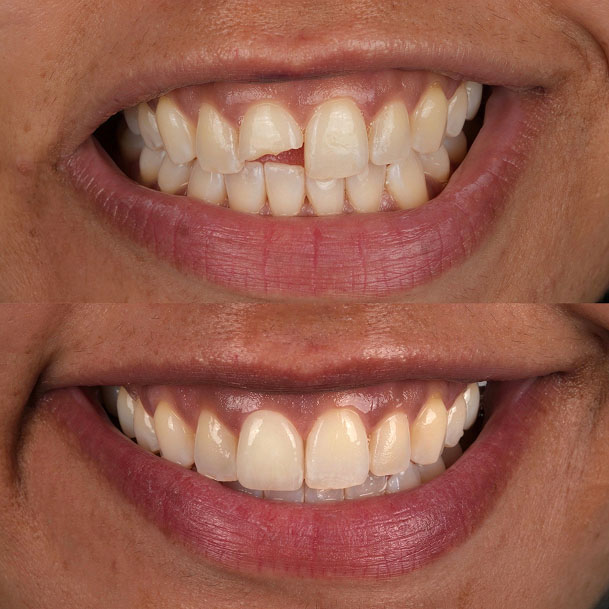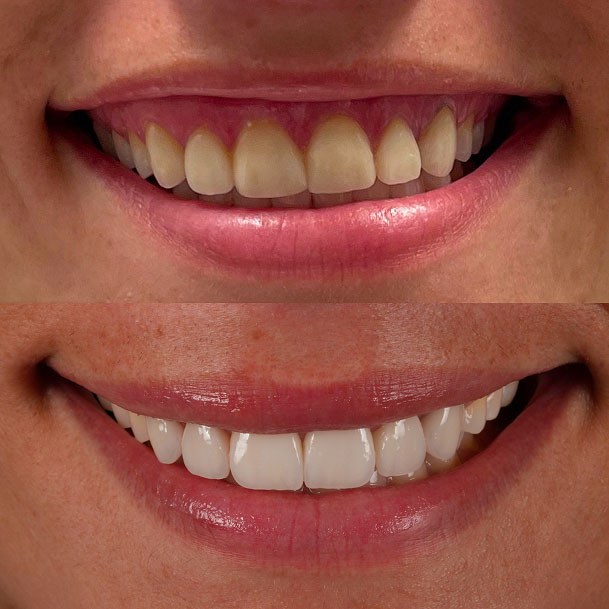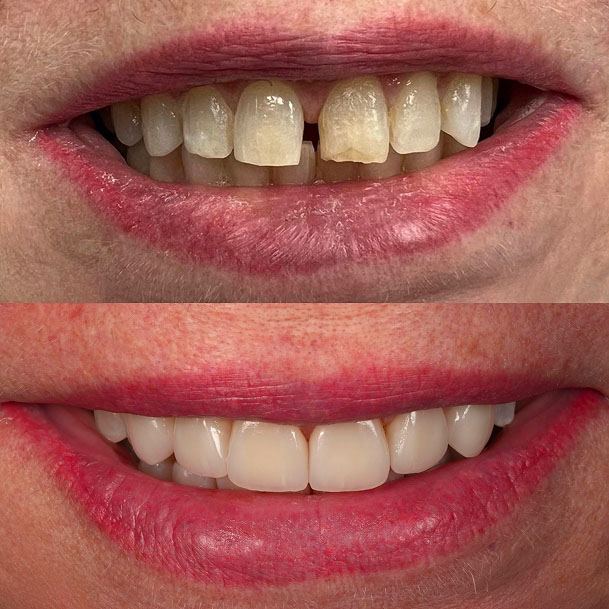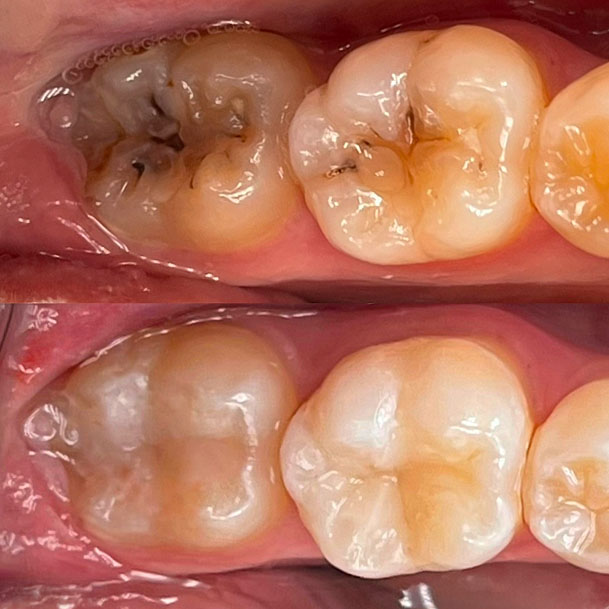
Reviewed by Dr. Waise Ebrahimi, DDS, restorative and cosmetic dentist at Smile Lab Dentistry in Union Square. Cost ranges are based on common U.S. fee ranges, restorative treatment factors, and patient cost-estimate resources such as FAIR Health Consumer and Delta Dental.
For a personalized estimate, schedule a consultation with Smile Lab.
What Is a Dental Crown Replacement?
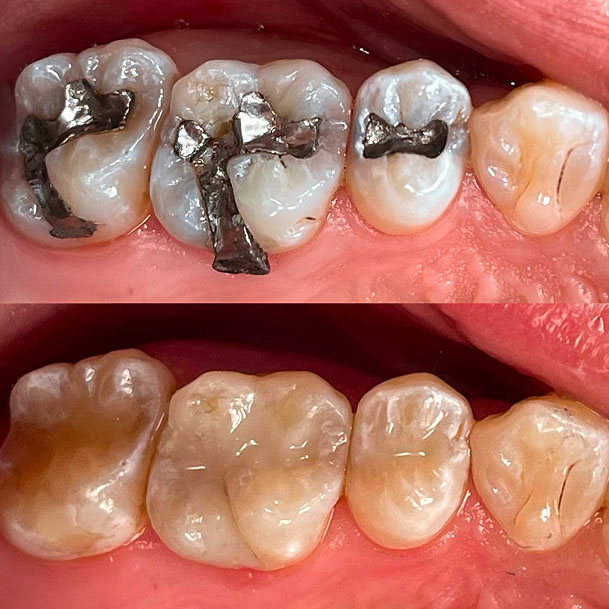
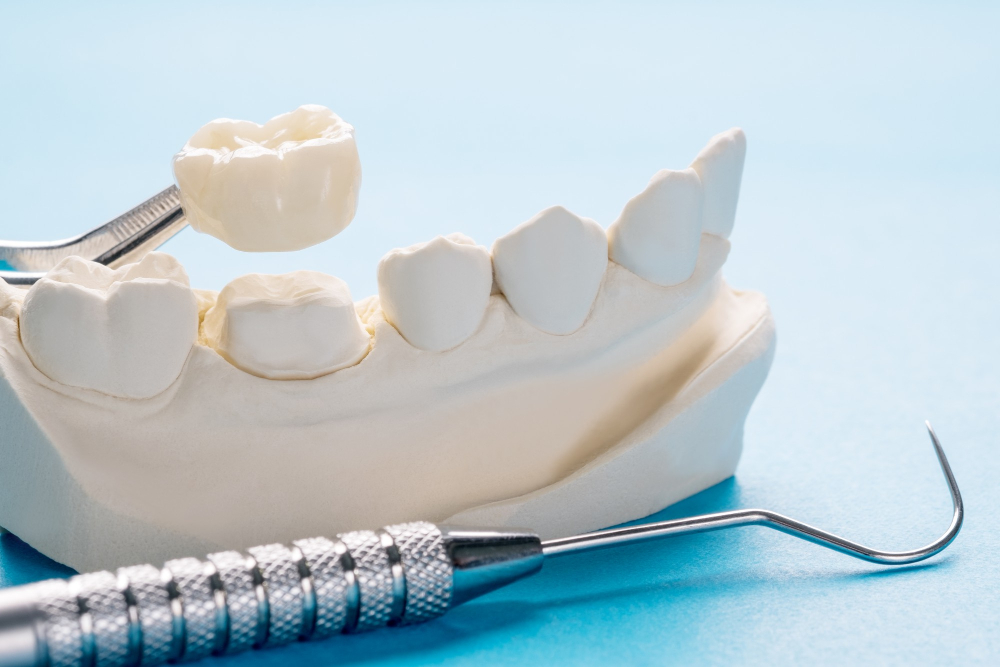
A dental crown replacement is a restorative procedure in which a dentist removes an existing crown and replaces it with a new one on the same tooth.
Patients may also hear this referred to as a crown restoration cost, dental cap cost, or replacement cap cost. These terms often describe the same general treatment, although the exact fee changes based on what needs to be done.
A replacement may be needed when the old restoration is cracked, loose, worn down, poorly fitted, discolored, or no longer protecting the tooth underneath. It may also be needed if decay forms at the edge or if your bite has changed over time.
The goal is to protect the remaining tooth structure, restore chewing function, and create a comfortable fit.
Average Cost to Replace a Dental Crown in the U.S.
The average cost of a dental crown replacement in the U.S. typically ranges from $1,000 to $2,500 per tooth.
So, how much does a dental crown cost when it is being replaced rather than placed for the first time? In many cases, the fee is similar to a new restoration because the dentist still needs to examine the tooth, remove the old cap, reshape or rebuild the area, take impressions or digital scans, and place the final restoration.
In higher-cost metro areas, fees may reach $3,000 or more for premium porcelain, zirconia, or E-Max materials. Prices can also increase if the tooth needs additional care before the new restoration can be placed.
Material Type
Gold, porcelain-fused-to-metal, all-porcelain, zirconia, and E-Max have different costs.
Some materials are chosen for strength. Others are chosen for appearance, especially when the restoration sits near the front of the smile.
Location
Urban practices usually have higher operating costs than suburban or rural clinics.
For a U.S. audience, the $1,000 to $2,500 range is a practical baseline. In cities such as New York City, San Francisco, Los Angeles, Boston, or Miami, the higher end of that range is more common. Patients comparing local fees can also review Smile Lab’s guide to crown cost in NYC.
Dentist Expertise
Restorative and cosmetic dentists may charge more because replacement cases can require detailed bite analysis, shade matching, and careful adjustment.
This matters most when the restoration is visible, when the bite is uneven, or when the first cap failed because of fit or material issues.
Additional Treatments
The replacement fee may not include every step needed to save the tooth.
If there is decay, infection, fracture, gum inflammation, or too little structure left, the dentist may need to treat those issues first. Minor decay may need a cavity filling before the final restoration can be placed.
What Is Included in the Price?
A replacement often includes more than the final cap.
Your estimate may include:
| Exam and diagnosis | Checks the old restoration and tooth underneath | $50 to $200 |
| X-rays or imaging | Looks for decay, infection, or fracture | $25 to $250 |
| Old cap removal | Removes the existing restoration safely | Often included, or $100 to $400 |
| Core build-up | Rebuilds missing structure before placement | $200 to $500 |
| Post and core | Adds support when little structure remains | $250 to $650 |
| Root canal, if needed | Treats infection or deep nerve damage before root canal treatment is completed | $700 to $1,800 |
| Temporary restoration | Protects the tooth while the final piece is made | Often included |
| Final restoration | The new cap, lab work, and placement | $1,000 to $2,500+ |
Not every patient needs each item.
A simple replacement may only require removal, preparation, impressions, a temporary, and final placement. A complex case may require several supporting procedures before the final restoration can be successful.
Loose or Detached Crown: Repair Cost vs Replacement
A loose cap does not always mean you need a full replacement.
The cost of a loose crown repair is usually lower when the restoration is still intact, and the underlying tooth is healthy. In that case, the dentist may clean the area, check the fit, and cement it back into place.
The cost to reattach a restoration may range from $100 to $400, depending on the exam, X-rays, and whether the cap fits correctly.
So, how much does it cost to reattach a crown? If the original piece is undamaged and no decay is present, it is usually one of the least expensive repair scenarios.
Replacement becomes more likely when:
- The cap is cracked or worn
- The fit is no longer secure
- Decay is present under the edge
- The tooth has fractured
- The bite caused repeated loosening
- The color or shape no longer matches nearby teeth
A dentist should not simply glue a loose restoration back on without checking why it came loose. If the underlying issue is overlooked, the same problem can recur.
5 Different Types of Dental Crowns and Their Costs
The material you choose has a major effect on price, appearance, and lifespan.
The right choice depends on where the tooth is located, how strong your bite is, how visible the restoration is, and how much natural structure remains.
When comparing quality vs cost in crowns, the cheapest option is not always the best long-term value. A stronger or more natural-looking material can reduce the risk of repeat treatment later.
Metal Gold Alloy
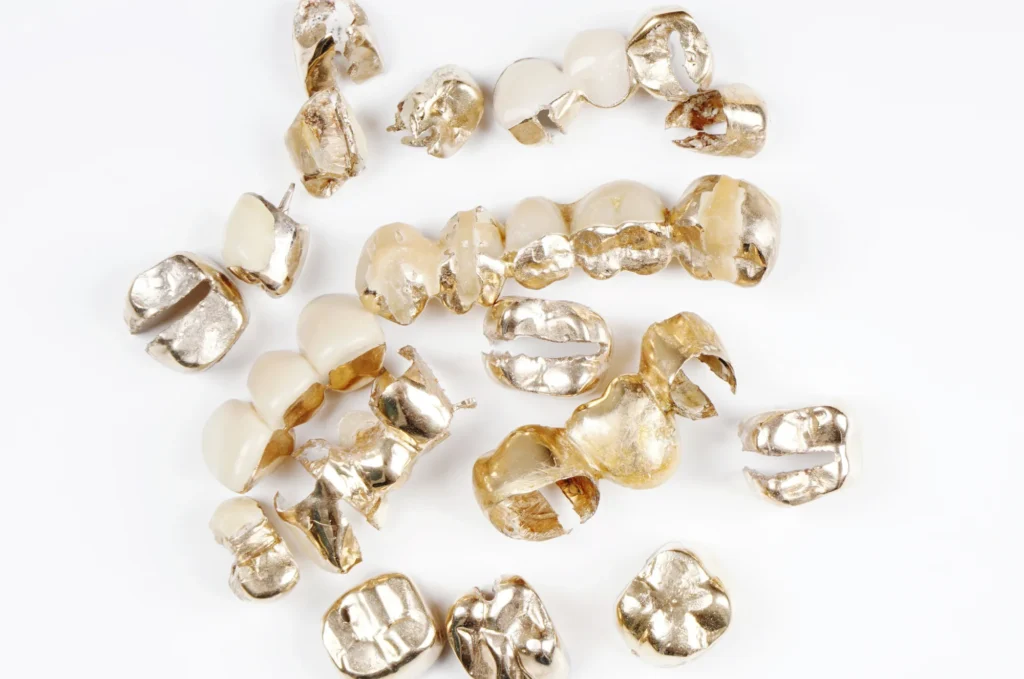
Gold alloy restorations have been used for decades because they are strong and long-lasting.
They are made from gold mixed with copper or other metals, which helps them resist wear. They work especially well for back molars, where chewing pressure is highest.
Gold requires less removal of natural structure than some other materials. It also rarely chips or cracks.
The drawback is appearance. Most patients do not choose gold for visible areas.
The cost usually ranges from $800 to $2,500 per tooth. The final price depends on the market price of gold and the amount of precious metal used.
Porcelain Fused to Metal
Porcelain-fused-to-metal (PFM) combines a metal base with a tooth-colored porcelain outer layer.
This option offers strength with a more natural appearance than full metal. It can work for front or back areas, although newer ceramic options often look better in highly visible spots.
Over time, a faint gray line may show near the gumline if the tissue recedes. Porcelain can also chip away from the metal base in some cases.
PFM restorations usually cost $500 to $1,500 per tooth. The fee depends on the metal used and the quality of the porcelain.
All Porcelain
All-porcelain restorations, also called all-ceramic restorations, are often chosen for visible areas because they closely match the surrounding enamel.
They are metal-free and can create a natural, lifelike appearance. This makes them a common choice for front teeth.
They may not be as strong as gold or some zirconia options, so the dentist will consider your bite before recommending them.
The cost usually ranges from $800 to $3,000 per tooth.
For patients comparing cosmetic dentistry costs, all-porcelain restorations are often a primary option because they prioritize appearance and shade matching.
Zirconia
Zirconia is a strong ceramic material made from zirconium oxide.
It is popular because it offers durability with a tooth-colored look. It resists chipping and withstands higher bite forces, making it useful for the back teeth and for patients who clench or grind.
Some zirconia restorations are solid for strength. Others are layered for a more natural appearance.
The replacement cost for zirconia usually falls between $900 and $2,900 per tooth.
The final fee depends on whether the restoration is solid or layered, how it is made, and whether digital scanning or advanced lab work is used.
E-Max Lithium Disilicate
E-Max is made from lithium disilicate ceramic.
It is known for combining strength with a highly natural appearance. It is often used when the restoration needs to look refined but still handle normal chewing pressure.
E-Max can work well for both front and back areas, depending on the case.
The cost usually ranges from $1,000 to $2,500 per tooth.
Because the material and lab process are more advanced, E-Max often costs more than traditional options.
| Crown Type | Average Cost Per Tooth | Best For | Appearance | Durability |
|---|---|---|---|---|
| Metal Gold Alloy | $800 to $2,500 | Back teeth | Low | Excellent |
| Porcelain Fused to Metal | $500 to $1,500 | Front and back teeth | Moderate | Good |
| All Porcelain | $800 to $3,000 | Front teeth | Excellent | Moderate |
| Zirconia | $900 to $2,900 | Front or back teeth | High | Excellent |
| E-Max Lithium Disilicate | $1,000 to $2,500 | Front or back teeth | Excellent | Very good |
Front Tooth Replacement Cost
Front teeth often cost more to restore because the cosmetic demands are higher.
The dentist must match color, shape, translucency, and gumline contours. Even small differences can stand out when the restoration is visible during speech or smiling.
If you are wondering how much a crown on a front tooth costs, the typical range is $800 to $3,000 per tooth, depending on material and complexity.
All-porcelain and E-Max are common choices for front areas. Zirconia may also be used when more strength is needed.
Does Insurance Cover Crown Replacement?
Many insurance plans treat this as a major restorative service and may cover part of the allowed cost when replacement is medically necessary.
Coverage may be lower or denied if the treatment is cosmetic, done too soon after the original placement, or outside your plan’s replacement frequency rules.
Common insurance factors include:
- Annual maximums
- Deductibles
- Waiting periods
- In-network versus out-of-network fees
- Replacement limits, often every 5 to 10 years
- Whether the reason is medical or cosmetic
Before treatment, ask for a pre-treatment estimate. This helps you see the expected insurance payment and your out-of-pocket share before you begin.
For more context on insurance estimates, deductibles, waiting periods, and plan rules, see Delta Dental’s cost guidance.
Payment Options if You Do Not Have Insurance
If you do not have coverage, the full fee may be paid out of pocket.
Some patients use financing, phased care, HSA funds, or FSA funds to make treatment easier to manage. Others compare materials and choose a durable option that fits both their clinical needs and budget.
Do not choose a material based only on the lowest upfront price. A poorly matched or weak restoration can fail earlier, increasing long-term costs.
Lorem ipsum dolor sit amet, consectetur adipiscing elit. Ut elit tellus, luctus nec ullamcorper mattis, pulvinar dapibus leo.

How Long Should a Replacement Last?
Many restorations last 5 to 15 years, depending on material, bite pressure, fit, hygiene, and regular care. Smile Lab also explains how long dental crowns last and what can shorten their lifespan.
Gold and zirconia may last longer when the bite is stable and the underlying tooth remains healthy.
Lifespan depends on:
- Oral hygiene
- Bite pressure
- Grinding or clenching
- Material choice
- Fit at the margin
- Gum health
- Whether decay develops near the edge
Regular exams help catch small problems before the restoration loosens, cracks, or needs to be replaced again.
Conclusion
Replacing a dental crown protects the tooth, restores chewing strength, and improves comfort. Most replacements fall within the same cost range as a new restoration, but the final fee depends on what the dentist finds under the old cap.
A repair may be possible when the existing cap still fits well, whereas decay, fracture, or poor fit usually indicates replacement. Every material, including gold, PFM, porcelain, zirconia, and E-Max, has a different balance of cost, strength, and appearance. The best choice depends on your tooth, bite, smile goals, and budget.
Smile Lab provides restorative care focused on fit, comfort, and natural-looking results. The goal is a restoration that feels comfortable, precise, and natural.
FAQs
How Long Should a Dental Crown Last Before Replacement?
Many restorations last 5 to 15 years, depending on the material, bite pressure, fit, hygiene, and regular care.
Gold and zirconia often last longer when the bite is stable and the underlying tooth remains healthy.
Does Dental Insurance Cover the Cost of Replacing a Crown?
Most insurance plans cover part of the fee when replacement is medically necessary.
Cosmetic upgrades, early replacement, deductibles, waiting periods, annual limits, and replacement frequency rules can affect your final cost.
Why Is the Front Dental Crown Cost Higher?
Front restorations require more precision because they must match nearby teeth in color, shape, and translucency.
That extra shade matching and cosmetic detail can increase the price.
How Much Does It Cost to Reattach a Crown?
Reattaching a loose or fallen-off restoration may cost $100 to $400 if the cap is intact and the tooth underneath is healthy.
If there is decay, fracture, poor fit, or damage to the old restoration, full replacement may be needed instead.
How Much Does It Cost to Remove a Crown Without Replacing It?
The cost of removing a tooth crown can range from $100 to $400 when done as a standalone step.
Most patients do not remove a restoration without a next step in place, because the underlying tooth still needs protection. A dentist may remove it before placing a new restoration, preparing for a bridge, treating decay, or planning another procedure.