A root canal procedure downtown Manhattan usually takes 60 to 90 minutes per appointment. Most cases can be completed in one or two treatment visits, although molars, severe infections, and retreatment may require more time. A separate appointment may also be needed to place the final crown or restoration.
Smile Lab provides root canal care at 841 Broadway near Union Square in downtown Manhattan. Your dentist will examine the tooth, review digital X-rays, and explain the expected timeline before treatment begins. Smile Lab also uses advanced dental imaging technology to support diagnosis and treatment planning when appropriate.
Why Your Tooth Hurts and What the Procedure Fixes
A root canal treats inflammation or infection inside a tooth.
Beneath the enamel and dentin is a soft tissue called the pulp. It contains nerves, blood vessels, and connective tissue. Deep decay, cracks, injuries, or repeated dental procedures can cause the pulp to become inflamed or infected.
During treatment, the dentist removes the damaged pulp, cleans and disinfects the canals, and seals the space. A dental crown or another restoration may then be placed to protect the weakened tooth.
The goal is to relieve pain, stop the infection, and preserve the natural tooth.
How Long Does a Root Canal Take?
A standard appointment usually lasts 60 to 90 minutes. For patients asking how long a root canal appointment is, the answer depends on the tooth’s location, the number and shape of its canals, and the extent of the infection.
Front teeth usually have one canal and may take less time to treat. Premolars often have one or two canals. Molars commonly have three or four narrow passages and may require a longer appointment.
When considering how long root canal therapy takes from start to finish, most cases require one or two treatment appointments. Crown preparation and delivery may require one or two separate restorative visits after the canals have been cleaned and sealed.
The total root canal duration may also increase when the tooth has curved canals, a severe infection, or previous treatment that must be removed.
| Factor | How it affects the appointment |
|---|---|
| Front tooth | Usually has one canal and may take less time |
| Premolar | May have one or two canals and require a moderate amount of time |
| Molar | Often has three or four canals and may require a longer appointment |
| Severe infection | May require medication or more than one visit |
| Curved or narrow canals | Can make cleaning and sealing more complex |
| Retreatment | May take longer because previous filling material must be removed |
The American Association of Endodontists’ treatment guide explains that endodontic treatment can often be completed in one or two visits. Your dentist can provide a more specific estimate after examining the tooth.

Root Canal Specialist
Improve Your Health
How Do You Know If You Need a Root Canal?
Pain does not always mean that you need a root canal. A dentist must examine the tooth and review X-rays to determine the cause.
Signs that may require an evaluation include:
- Severe pain while biting or chewing
- Lingering sensitivity to hot or cold
- Swollen or tender gums
- A chipped or cracked tooth
- Deep decay
- Darkening or discoloration of a tooth
- A recurring pimple or bump on the gum
- Facial swelling near the affected tooth
These symptoms can also result from cavities, fractures, gum problems, or other dental conditions. A clinical examination is needed before treatment can be recommended.
What Our Patients Say
EXCELLENT Based on 2276 reviews
 Posted on Google
 Jou Min Chen (Jumin)I've been taking all my treatments over here for over a year now and so far I'm pretty satisfiedPosted on Google
 nikhil keswaneyDr basseri was amazing he took into account my fiances anxitey i to account and performed the filling even after hours he definitely earned 2 permenant patients.Posted on Google
 AkusaBeautiful experience! For my first dental visit- I had a smooth experience. Everyone was super nice. From the dentist, to the receptionist… all of the above.My teeth feels amazing. Super patient and explains everything clearly. I recommend, and I will definitely be back!Posted on Google
 Brynden FosterThis team is so helpful and kind! I always feel like a VIP coming for my cleaning and I couldn’t recommend them more.Posted on Google
 bhanu dattastaff was very helpful and they explained the procedure and payment options in a friendly wayPosted on Google
 Robina ShieldsMy experience with Smile Lab Dentistry Union Square "Wonderful", right down to the teeth cleaning.. that will make a person smile.Posted on Google
 Peter ChauLove coming here as a patient. Everyone here is super nice and thorough. I had my wisdom teeth done here which was an excellent experience. I now commute all the way to the city just to get my regular check ups here because it’s worth the trip. Also, I never had a hygienist floss my teeth before this place
Improve your smile today
What Is the Process for Getting a Root Canal in Manhattan?
The process for getting a root canal in Manhattan begins with an examination and digital X-rays. The dentist then numbs the area, isolates the tooth, removes the inflamed or infected pulp, cleans the canals, and seals them. A permanent filling or crown is placed afterward to protect the tooth.
1. Examination and Digital X-Rays
Your dentist examines the affected area and takes digital X-rays. These images show the roots, surrounding bone, and possible signs of infection.
2. Local Anesthetic
Local anesthetic numbs the tooth and surrounding tissue. The dentist waits until the area is numb before beginning the procedure.
3. Tooth Isolation
A small protective sheet called a dental dam is placed around the tooth. It keeps the treatment area dry and prevents saliva from entering the canals.
4. Access Opening
The dentist creates a small opening in the top of the tooth to reach the pulp chamber and root canals.
5. Cleaning and Shaping
Small instruments remove the inflamed or infected pulp. The canals are then cleaned, disinfected, and shaped so they can be sealed.
6. Filling and Sealing
The cleaned canals are filled with a biocompatible material called gutta-percha. An adhesive cement helps seal the space and reduce the risk of bacteria entering again.
7. Temporary or Permanent Restoration
A temporary filling may be placed after the canals are sealed. The tooth is later restored with a permanent filling or crown, depending on how much natural structure remains.
The AAE step-by-step root canal guide provides more information about these stages.
Does a Root Canal Hurt?
Most patients remain comfortable during the procedure because the tooth and surrounding area are numbed with local anesthetic.
The experience is often similar to receiving a long dental filling. Pressure or movement may be noticeable, but sharp pain should not occur once the anesthetic has taken effect.
Many patients seek care because the inflamed or infected pulp is already causing pain. Removing that tissue is intended to relieve the source of the discomfort.
Mild soreness or sensitivity may continue for a few days after the appointment. The American Association of Endodontists explains how local anesthetic helps keep patients comfortable during care.
Patients with dental anxiety should discuss their concerns with the care team before the appointment and ask whether sedation dentistry is appropriate for them. Available comfort options depend on the patient’s health, the procedure, and the dentist’s recommendation
Improve your oral health today!
Stop waiting! Call now to schedule your root canal appointment at Smile Lab
What to Expect After a Root Canal
Mild sensitivity can occur for several days, especially if the tooth was painful or infected before treatment.
Your dentist may recommend an over-the-counter pain reliever such as ibuprofen or acetaminophen when medically appropriate. Follow the dosage instructions and any guidance provided by your dentist or physician.
Wait until the numbness has worn off before eating. This helps prevent accidental biting of the cheek, lip, or tongue.
Choose soft foods and chew on the opposite side during the first few days. Avoid hard or sticky foods until the permanent restoration has been placed.
Continue brushing and flossing unless your dentist gives different instructions. Be careful around a temporary filling and avoid placing heavy pressure on the treated tooth.
Contact the office if you experience:
- Severe pain or pressure that lasts more than a few days
- Visible swelling inside or outside the mouth
- A temporary filling that falls out
- An uneven bite
- Symptoms that return after improving
- An allergic reaction to medication
See the AAE post-treatment care instructions for more recovery guidance.
What Does a Root Canal Cost in Downtown Manhattan?
The cost depends mainly on which tooth requires treatment. Front teeth usually cost less because they often have one canal. Molars cost more because they commonly have several canals and more complex anatomy.
Smile Lab’s listed out-of-pocket prices for patients without insurance are shown below
| Procedure | Listed cost |
|---|---|
| Root canal, front tooth | $1,400 |
| Root canal, premolar | $1,600 |
| Root canal, molar | $1,800 |
| Dental crown | $1,950 |
| Front tooth treatment plus crown | $3,350 |
| Premolar treatment plus crown | $3,550 |
| Molar treatment plus crown | $3,750 |
Not every treated tooth requires the same restoration. Your written estimate will reflect the tooth involved, the recommended restoration, and any insurance benefits.
Smile Lab is in-network with many PPO insurance plans. Coverage varies by plan, deductible, annual maximum, and whether the procedure is considered medically necessary.
Qualified patients may also be eligible for 0% financing options through Cherry. Approval and terms depend on the financing provider’s eligibility requirements.
Saving a restorable natural tooth is often less expensive than a tooth extraction followed by an implant or bridge. When a tooth cannot be preserved, dental implants are one possible replacement option.
The total cost of replacing a tooth depends on whether the patient needs grafting, surgery, or additional restorative care.
- Union Square
- Flatiron District
- Greenwich Village
- Gramercy Park
- Chelsea
- East Village & More
When a Root Canal Needs Retreatment
A tooth that has already received root canal care can sometimes develop new symptoms months or years later. Retreatment involves reopening the tooth, removing the previous filling material, cleaning the canals again, and placing new sealing material.
Retreatment may be recommended when:
- A narrow or curved canal was missed
- Complex canal anatomy was not detected
- The final crown or restoration was delayed
- The original restoration did not prevent contamination
- New decay exposed the filling material
- A filling or crown became loose, cracked, or broken
- The tooth developed a new fracture
The procedure may take longer than the original treatment because the dentist must remove existing restorations and fillings before accessing the canals.
| Procedure | Listed cost |
|---|---|
| Retreatment, front tooth | $1,600 |
| Retreatment, premolar | $1,800 |
| Retreatment, molar | $2,000 |
Why You Should Choose Smile Lab NYC for Your Root Canal
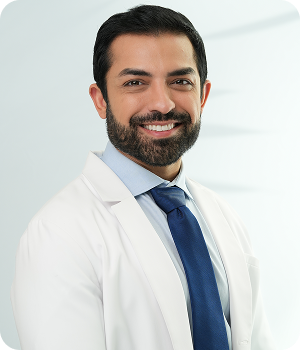
Dr. Waise Ebrahimi earned his Doctor of Dental Surgery degree from the University of California, San Francisco. He has also received a Fellowship Award from the American Endodontic Society.
You can review his education and professional background in Dr. Waise Ebrahimi’s biography.
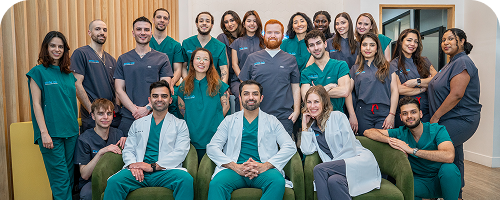
Smile Lab provides diagnostic, endodontic, restorative, and surgical dental services at its Union Square office. Keeping these services within one practice may reduce the need to coordinate care across multiple locations.
The dentist will first determine whether the tooth can be preserved and whether root canal care is appropriate. Treatment recommendations depend on the examination, digital imaging, the condition of the tooth, and your overall oral health.
Call now to Schedule Your Appointment
At Smile Lab, you will receive experienced & professional dental implant services in a supportive
and high-tech environment, ensuring you get the best care possible.