How Long Do Dental Implants Last? Lifespan and Care

Dental implants can last 25 years or more, and with proper care, some remain functional for life. The lifespan of dental implants depends on how well the titanium post bonds with the jawbone through osseointegration, which keeps it stable for decades.
Research shows approximately 90–95% implant survival after 10 years, although survival does not guarantee freedom from complications. The visible crown wears down daily and typically lasts about 10–15 years before it may need replacement, even if the post remains secure.
Can Veneers Fix an Overbite? Options and Alternatives
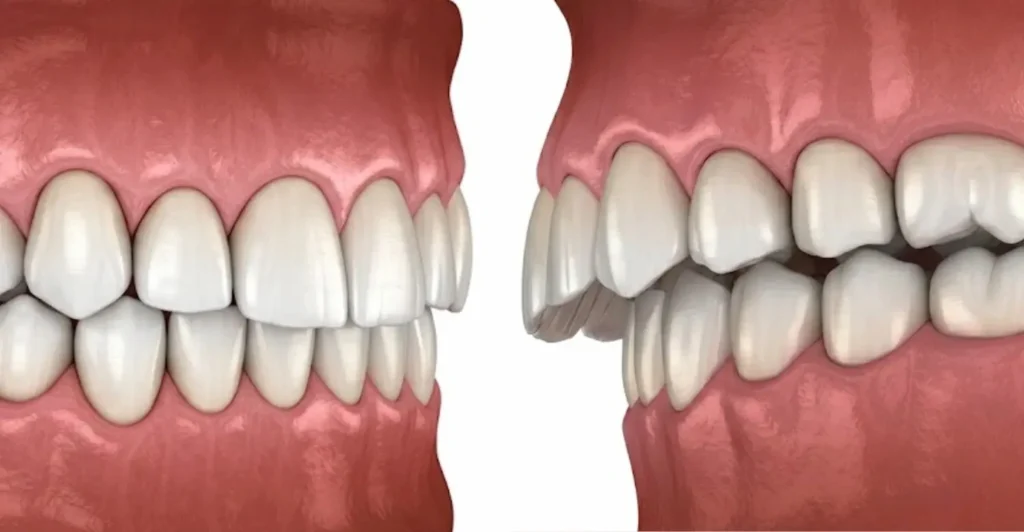
No, veneers cannot physically correct an overbite, but they can improve its appearance in certain mild cases. These thin porcelain or composite shells cover the front of teeth, changing their shape, length, color, and symmetry to hide minor gaps or protrusions.
So, can veneers fix an overbite? Only cosmetically, since they cannot move teeth, reposition the jaw, or correct bite alignment. A deep or heavy bite can also place excessive pressure on veneers, increasing the risk of chipping, cracking, or premature failure.
Dental Implant Repair: Signs, Solutions, and Recovery

A loose or damaged implant doesn’t always need replacement. Dental implant repair depends on what’s damaged: the crown, connector, screw hole filling, or titanium post in the jaw. A dentist can often fix a chipped crown, tighten a loose screw, or replace a missing filling without removing the post. Gum disease and bone loss may need cleaning, surgery, or a bone graft, while antibiotics or laser treatment may help in some cases.
Care and Maintenance of Dental Implants: Cleaning Guide
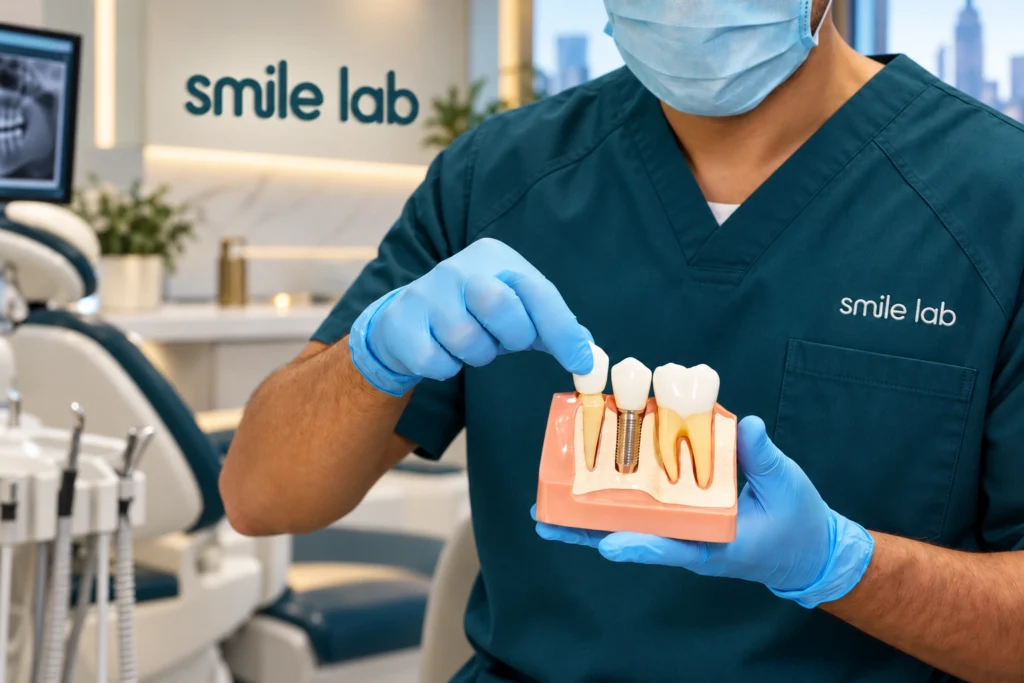
Proper dental implant maintenance starts with brushing twice daily for two minutes using a soft-bristled or electric toothbrush, gentle circular motions, and non-abrasive toothpaste. Angle your brush about 45 degrees toward the gumline, and avoid charcoal or harsh whitening formulas.
Clean between teeth and under bridges daily with implant-safe floss, coated interdental brushes, or a water flosser on a gentle setting, especially with full-mouth restorations. An alcohol-free antimicrobial rinse may help if your dentist recommends it, but it cannot replace daily cleaning.
Alcohol Abstinence Period After Dental Implant Surgery

Avoid drinking alcohol for at least 48–72 hours after dental implant surgery. This gives your blood clot and gums time to heal. A safer alcohol abstinence period after dental implant surgery may be 1–2 weeks. If you had a bone graft or sinus lift, your dentist may advise 2–6 weeks, though not everyone needs to wait that long.
Dental Codes for Implant Bridges: Abutments and Crowns
A dental implant bridge uses several CDT codes, with each part and tooth position coded separately. Common dental codes for implant bridges include D6056 for a prefabricated abutment and D6057 for a custom abutment, both of which include placement. Retainers use D6068–D6074 and D6194–D6195 when supported by abutments, or D6075–D6077, D6098–D6099, and D6120–D6123 when attached directly to implants. These codes cover ceramic, porcelain-fused-to-metal, cast metal, and titanium options.
Are Dental Implants Tax Deductible? 2026 IRS Guide
Yes, dental implants may qualify as a medical expense on your 2026 federal taxes when they replace missing teeth, restore chewing, or treat dental damage. Purely cosmetic procedures usually do not qualify. Whether you can claim these costs depends on your income, total medical expenses, and filing method.
Dental Implant Post-Operative Instructions and Recovery

Proper care after implant surgery helps protect the surrounding bone and gums, reduce infection risk, and support healing. During the first 24 hours, control bleeding with gauze, apply cold compresses, keep your head elevated, and choose cool or lukewarm soft foods. Avoid rinsing, spitting, using straws, and disturbing the surgical area to protect the blood clot. Following your dentist’s dental implant post-operative instructions also helps manage discomfort and reduce complications.
What Kind of Dentist Performs Dental Implants? Options
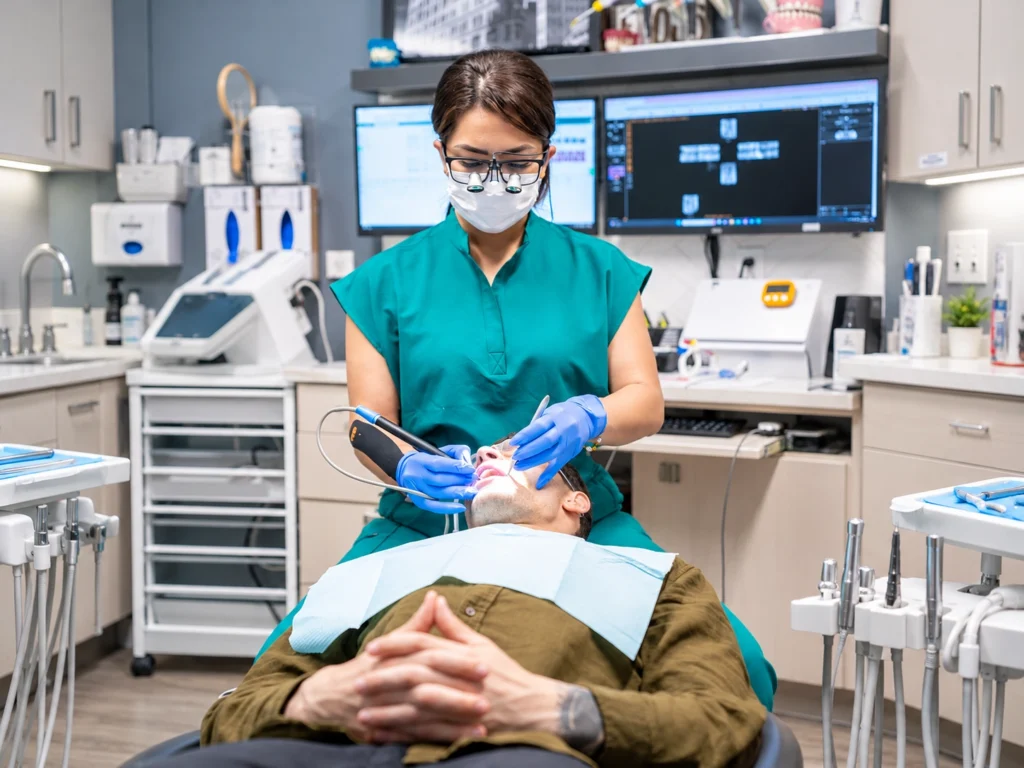
General dentists, oral and maxillofacial surgeons, periodontists, and prosthodontists can place dental implants. The right provider depends on their training, experience, and your specific needs. If you’re researching which dentist performs dental implants, your oral health and the complexity of your case will guide your choice. Oral surgeons complete four to six years of surgical residency and often treat complex cases involving bone loss, sinus lifts, and bone grafting.
Can Dental Implants Get Cavities? Risks, Causes, and Care
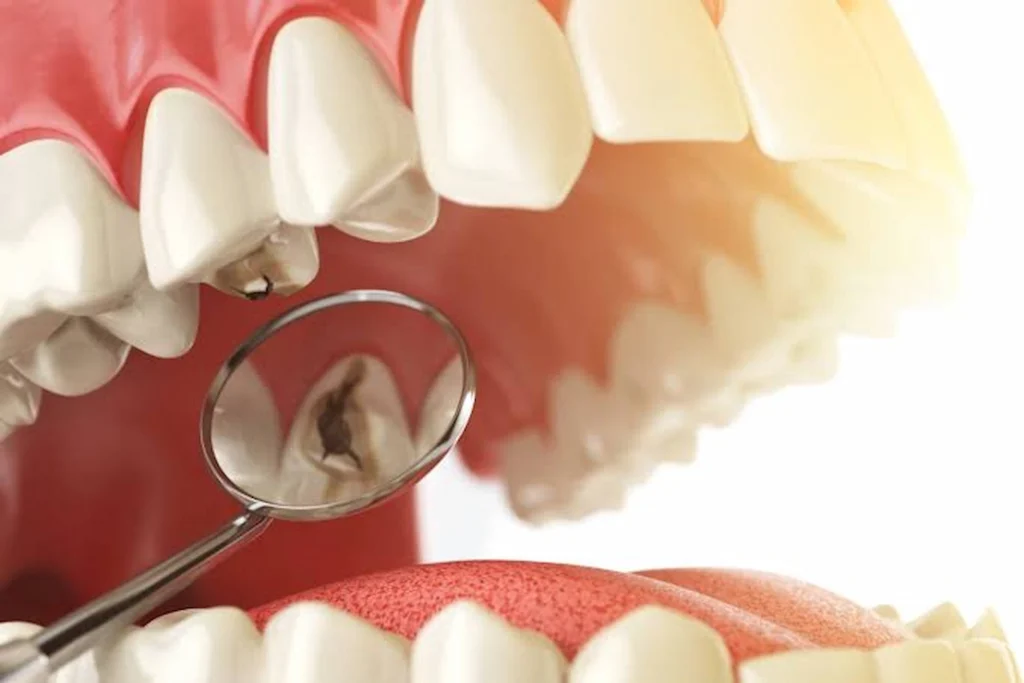
No, dental implants cannot get cavities. They are made from materials like titanium, zirconia, and porcelain, which do not decay like natural teeth. They also do not need fillings or root canals. Still, bacteria can build up around them and cause gum infections, bone loss, or implant failure.