
Teeth Shaving for Veneers: Procedure, Risks, and Alternatives
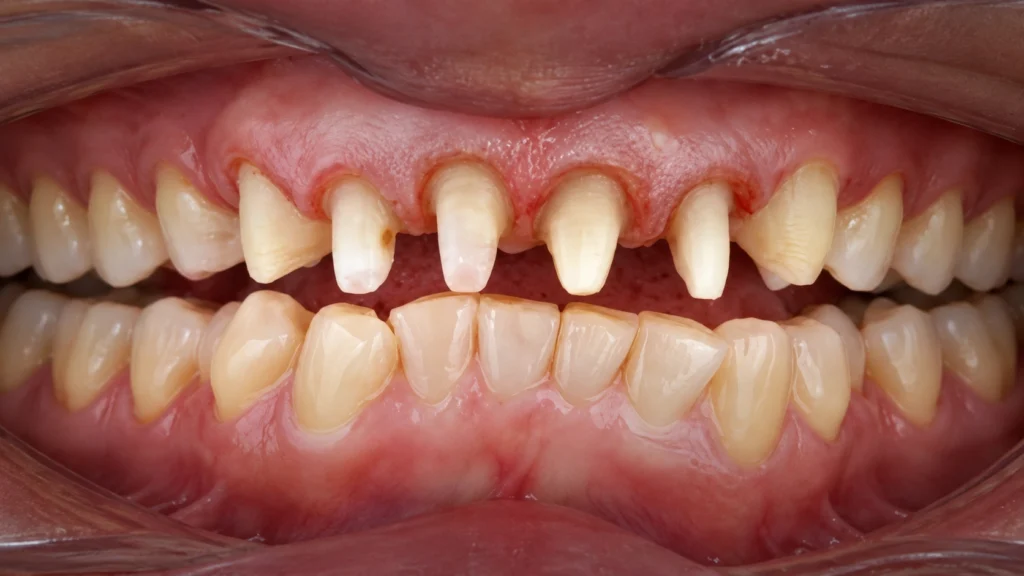
Dentists may remove a thin layer of enamel, often about 0.3 to 0.7 mm depending on the area and case, so porcelain restorations can sit flush instead of looking bulky. During teeth shaving for veneers, preparation is usually limited mainly to the front surface, while enamel etching creates the microscopic texture needed for strong bonding and enough space remains for natural shape, color, and translucency.
This is much more conservative than the circumferential reduction used for many dental crowns, which can explain the heavily reduced “stump-like” teeth sometimes seen online. Because enamel itself has no nerve endings, conservative preparation may cause little discomfort, although local anesthesia can still be used when needed.
Airflow Teeth Cleaning: Benefits, Process, and Results
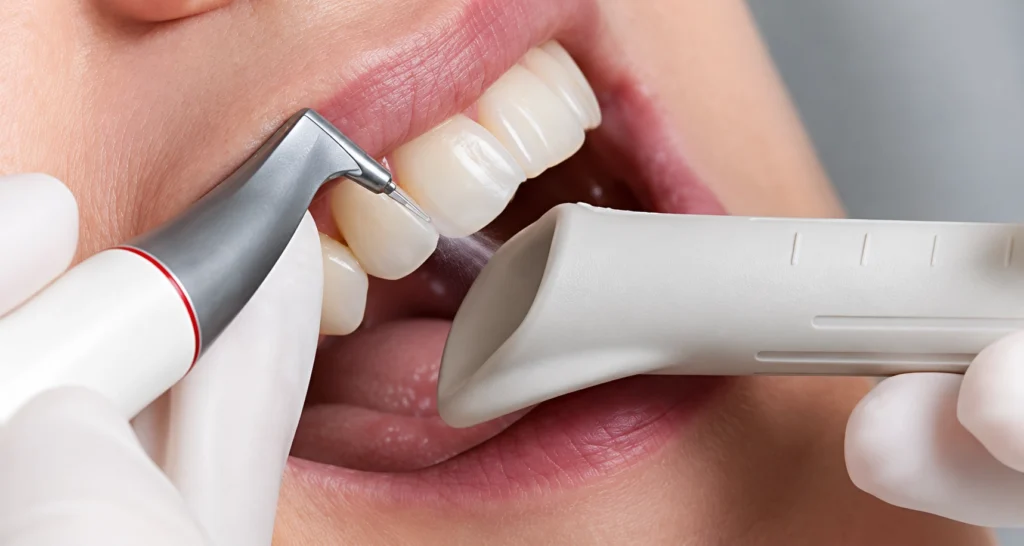
Airflow teeth cleaning, also called airflow dental cleaning or air polishing, uses compressed air, warm water, and a fine powder (usually erythritol or sodium bicarbonate) to lift plaque, biofilm, and surface stains from the tooth surface. Many clinics deliver it as part of a wider protocol called Guided Biofilm Therapy (GBT).
The process feels smoother than traditional polishing because it targets soft buildup with a controlled spray rather than heavy scraping. It works well for stain removal, sensitive areas, and cleaning around braces, crowns, and dental implants, though hardened tartar may still need scaling.
Why Do My Teeth Hurt When I Bite Down?
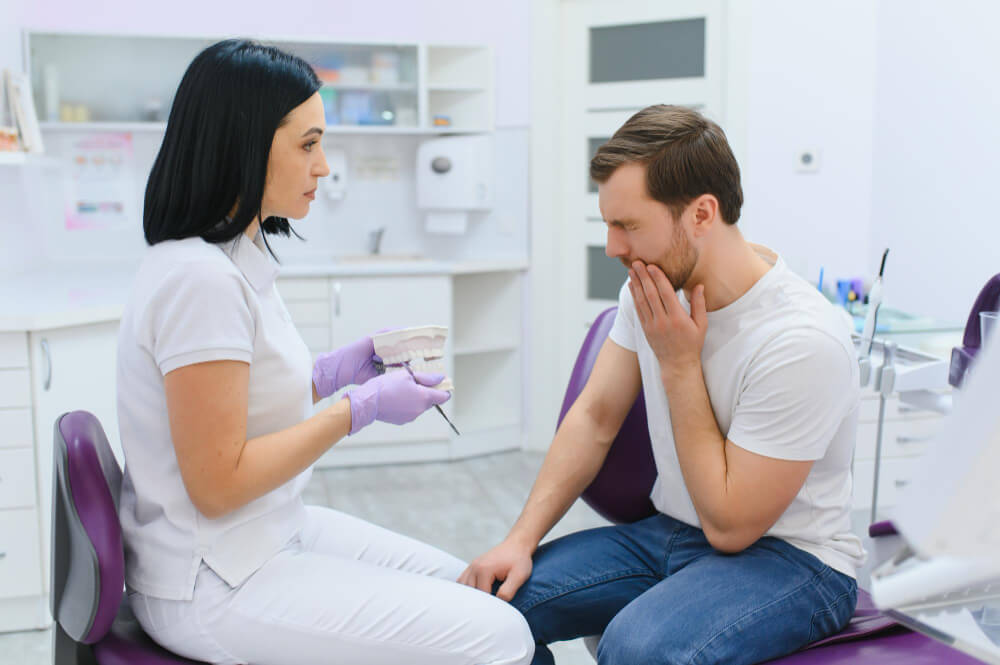
Your teeth hurt when you bite down because pressure is aggravating a cracked tooth, deep cavity, loose or high filling, inflamed tooth ligament, or infection around the root.
The location and character of the pain matter: a sharp jolt usually points to a crack, while throbbing or swelling suggests infection. Grinding and clenching can also leave a tooth sore by stressing the tissues that hold it in place.
Until you are seen, chew on the other side temporarily, stick to soft foods, and use over-the-counter pain relief as directed. If the soreness lasts more than a day or two, gets worse, or arrives with swelling, fever, or a bad taste, book a dental exam so the cause can be identified and treated.
Deep Cleaning Your Teeth at Home: Safe Methods and Limits
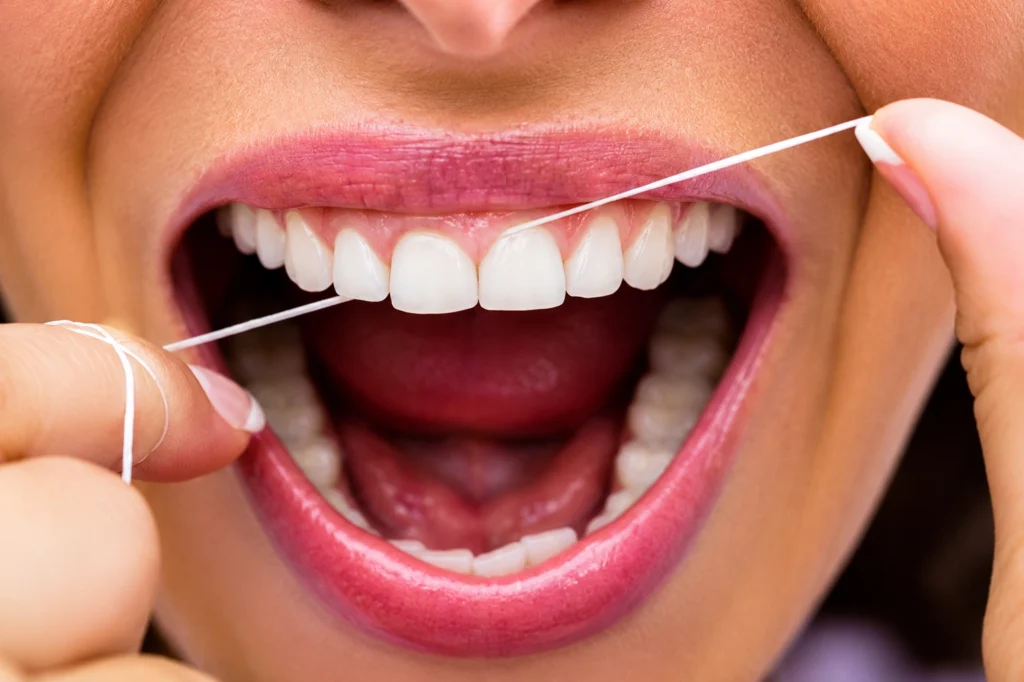
You cannot fully deep clean teeth at home the way a hygienist can, because hardened tartar and bacteria may sit below the gumline where only professional instruments reach. A strong daily routine still removes soft plaque, reduces bacteria, freshens your breath, and lowers the risk of tooth decay and gum disease.
How to Clean Veneers: Safe Daily Care and Maintenance
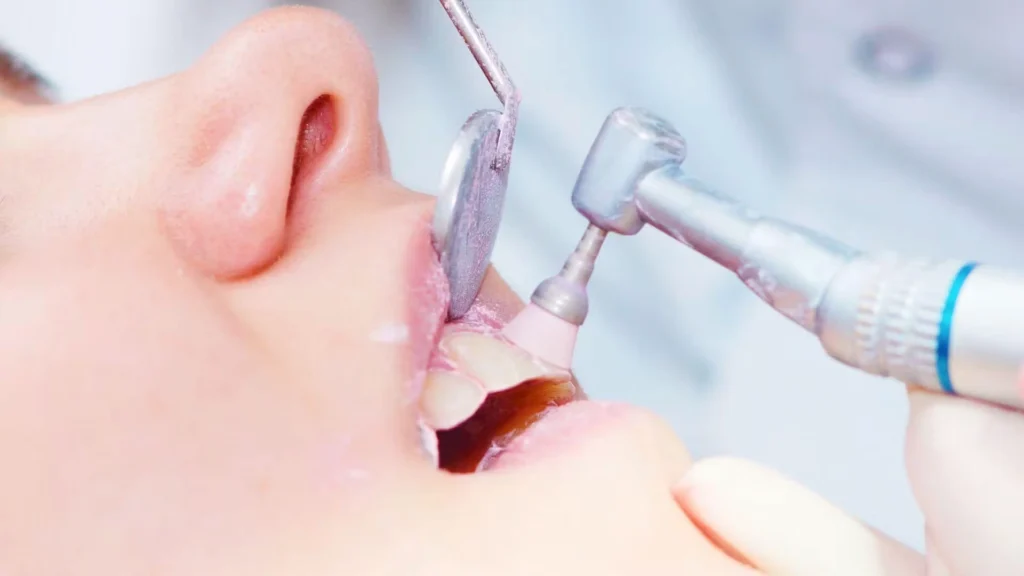
Brush twice a day for two minutes with a soft-bristled toothbrush and non-abrasive fluoride toothpaste, using gentle strokes along the gumline rather than aggressive scrubbing. The safest approach to cleaning veneers also includes flossing once daily to remove plaque between teeth and around the margins, where the restoration meets the natural tooth. Floss or a water flosser can clean these spaces, while a fluoride mouthwash may complement, but should not replace, brushing and flossing.
Avoid hard-bristled brushes and abrasive DIY products such as charcoal or baking soda scrubs, which can wear or dull restorative surfaces over time. Whitening toothpastes and bleaching products also need care because whitening agents change the color of natural teeth but not porcelain or other tooth-colored restorations, potentially creating an uneven shade.
How Long Can You Keep Your Teeth with Periodontal Disease? Your Guide to Lasting Oral Health

There is no single timeline, but the answer is more encouraging than most people expect. Roughly half of patients diagnosed with gum disease never lose a single tooth. With early treatment and steady maintenance, many people keep their natural teeth for life.
What decides the outcome is not the diagnosis itself. It comes down to which stage you are in, how much bone support you still have, and whether you stay on a maintenance schedule.
Smoking, uncontrolled diabetes, and skipped cleanings shorten that runway fast. Early treatment and consistent care extend it for decades.
Can the Emergency Room Remove a Tooth?

Most emergency rooms do not perform routine tooth extractions; you usually need an emergency dentist or oral surgeon to remove the tooth. If pain or swelling becomes severe, you may wonder, can the emergency room remove a tooth? In most cases, the ER can control pain, prescribe antibiotics when appropriate, treat heavy bleeding or facial trauma, and refer you for dental care, while hospitals with an oral and maxillofacial surgery team may handle certain complex cases.
Go to the ER if swelling makes it difficult to breathe or swallow, you have uncontrolled bleeding, or a serious facial infection is spreading. For severe tooth pain, a broken tooth, or an infected tooth that may need extraction, contact an emergency dentist for same-day treatment.
Cleaning Your Teeth with Baking Soda: Benefits and Risks
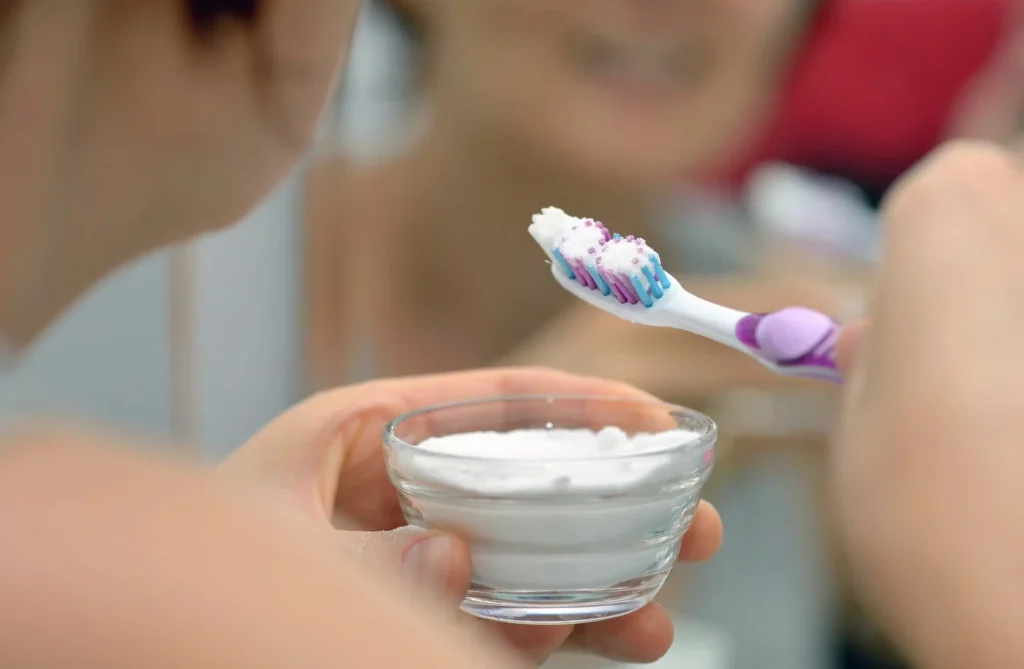
Cleaning teeth with baking soda can lift some surface stains and disrupt soft plaque, but it will not remove tartar, treat cavities, or change discoloration inside a tooth. Used with light pressure two to three times per week, sodium bicarbonate is generally safe for enamel, though a fluoride toothpaste that already contains baking soda is a better daily choice.
How Much Does It Cost to Remove Wisdom Teeth in Manhattan?
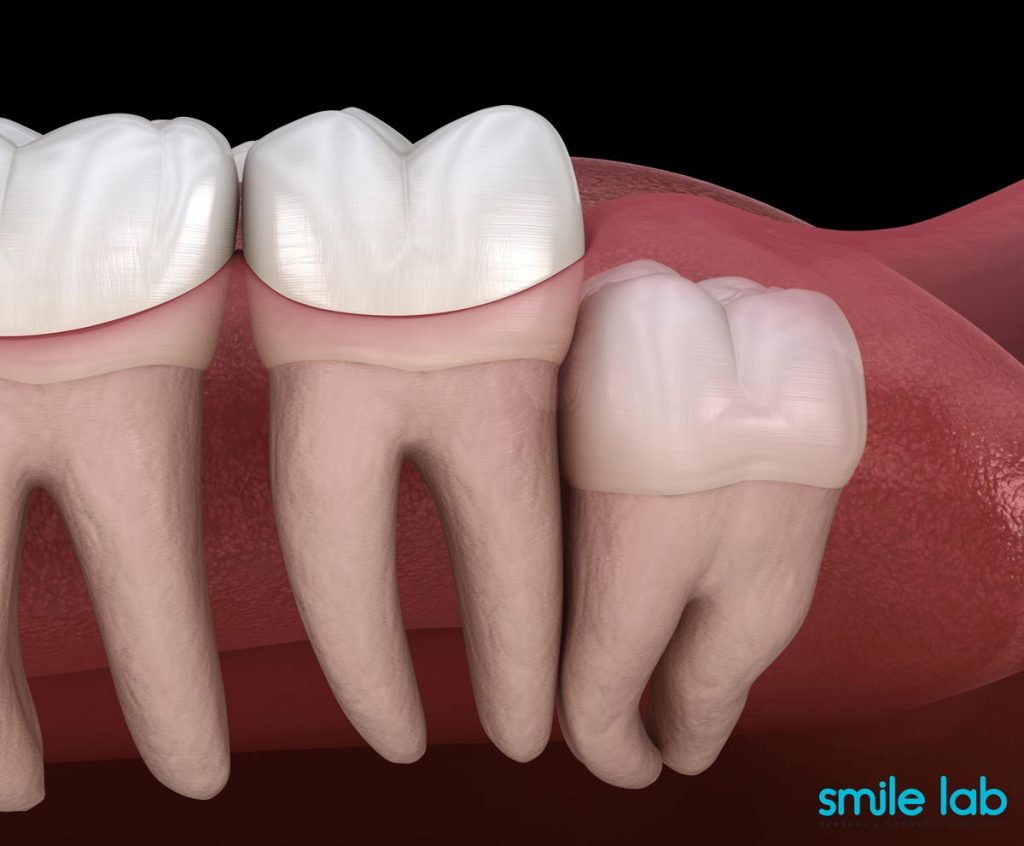
At Smile Lab in Manhattan, an oral surgeon lists wisdom tooth extraction at $1,200. If you are comparing how much it costs to remove wisdom teeth in Manhattan, prices can vary based on the number of teeth removed, whether they are impacted, the complexity of the extraction, and the type of anesthesia used. Across Manhattan, wisdom tooth removal can range from a few hundred dollars per tooth to several thousand dollars for multiple extractions.
Dental insurance may cover part of the cost when the extraction is medically necessary, but the amount depends on your specific PPO plan, deductible, and annual maximum. Smile Lab can verify your insurance benefits before treatment so you have a clearer estimate of your expected out-of-pocket cost.
Swollen Gum Around One Tooth: Top Causes and Effective Treatments

A swollen gum around one tooth is usually caused by a localized problem such as trapped food, plaque or tartar buildup, gum irritation, a cracked tooth, or a dental abscess. A swollen gum around one tooth may improve if you gently floss the area, rinse with warm salt water, and avoid pressing or picking at the swollen tissue. If the swelling is caused by infection, decay, or a crack, you will need dental treatment to address the source rather than just the swelling.
See a dentist if the swelling lasts more than a couple of days, keeps returning, or comes with pain, pus, a bad taste, or tenderness when biting. Seek prompt care if you develop fever, severe pain, or swelling that spreads into the jaw or face.