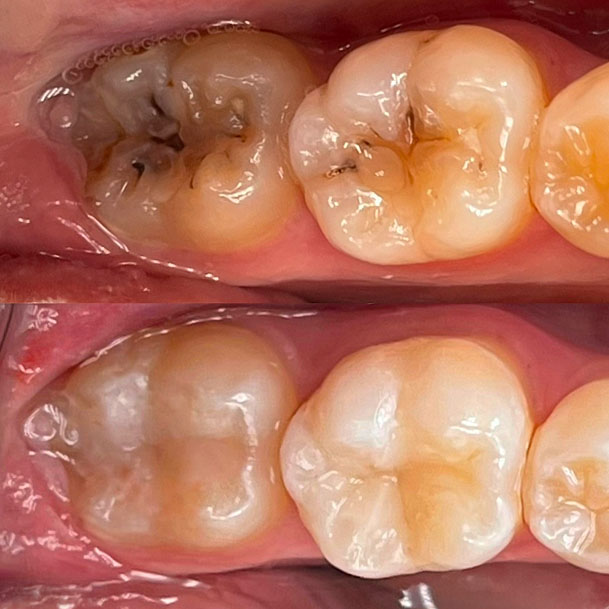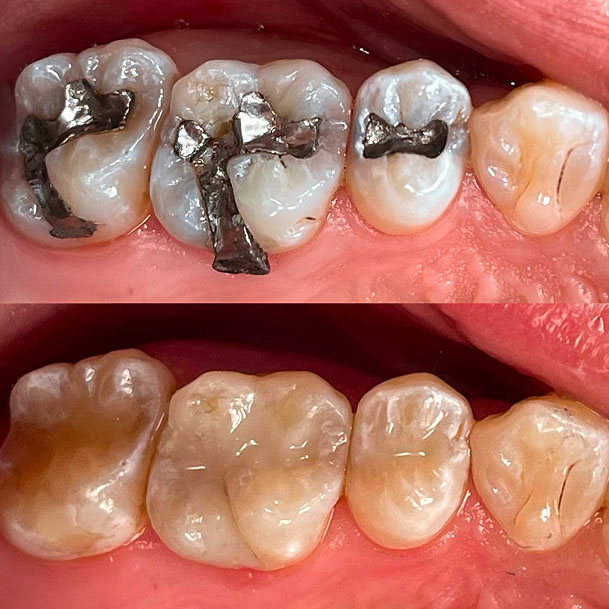
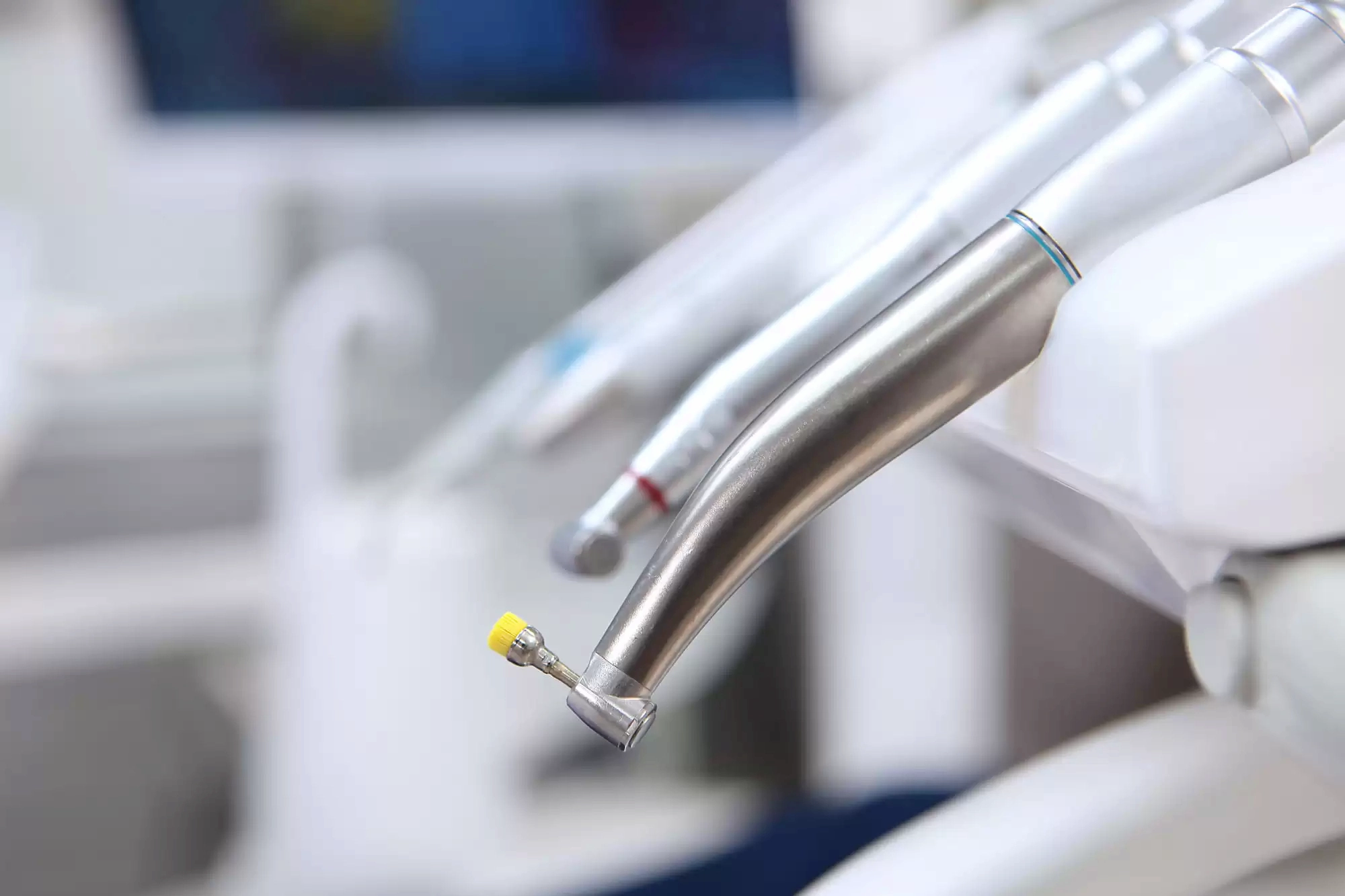
At home, your toothbrush, floss, water flosser, interdental brushes, tongue scraper, and rinse can help control daily plaque before it hardens. In the office, dental cleaning tools do what home care cannot, especially around the gumline and in tight spaces. At Smile Lab in Union Square, the goal is to make each step clear, comfortable, and easier to understand before deeper care begins.
Best Tools by Need
- For Tartar: Ultrasonic scaler or hand scaler, used professionally
- For Daily Plaque: Soft toothbrush and floss
- For Braces: Water flosser, floss threader, and interdental brush
- For Sensitive Gums: Soft-bristled brush and low-pressure water flosser
- For Breath: Tongue scraper and consistent brushing
- For Safety: Avoid at-home scalers and sharp plaque scrapers
What Do Dental Cleaning Instruments Do?
Dental instruments reach areas your toothbrush and floss cannot fully access. Some remove buildup from your teeth’s surfaces, while others rinse, polish, or help check for signs of gum disease.
During a professional visit, dental hygienists use these instruments with controlled pressure and training. At home, your focus should be on removing plaque daily, not scraping or scaling your own enamel.
Types of Professional Teeth Cleaning Tools
Professional teeth-cleaning tools are designed for use by trained professionals. They help remove plaque and tartar safely, clean near the gum line, and support a more complete view of your dental health.
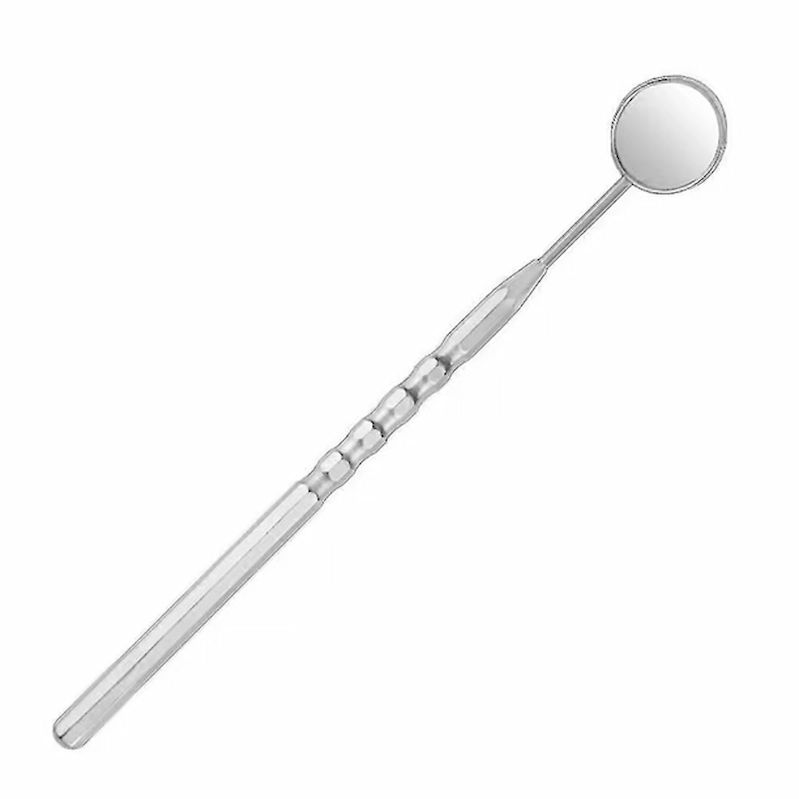
1. Dental Mirror
A dental mirror helps the provider see the back of the mouth, tight spaces, and areas near the gums. It also helps move the cheek or tongue safely during an exam.
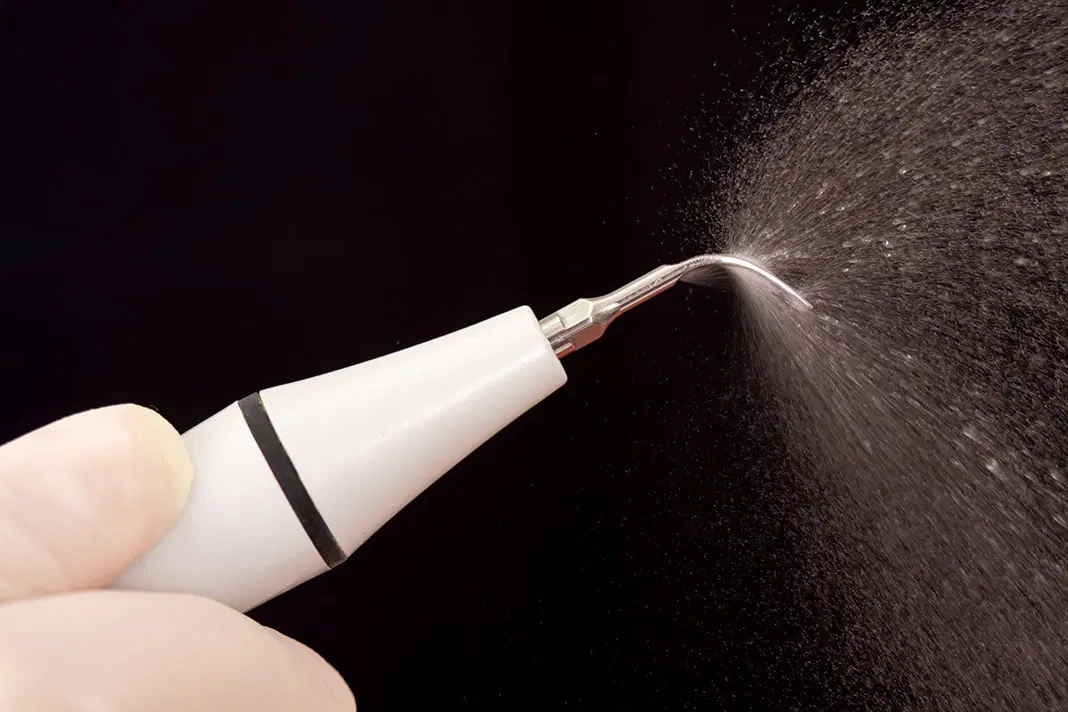
2. Ultrasonic Scaler
An ultrasonic scaler uses vibration and water to break up hardened buildup. It often helps when plaque buildup has turned into tartar along the teeth and gums.
The sound can feel unfamiliar, but this device reaches areas that brushing cannot manage.
3. Hand Scaler
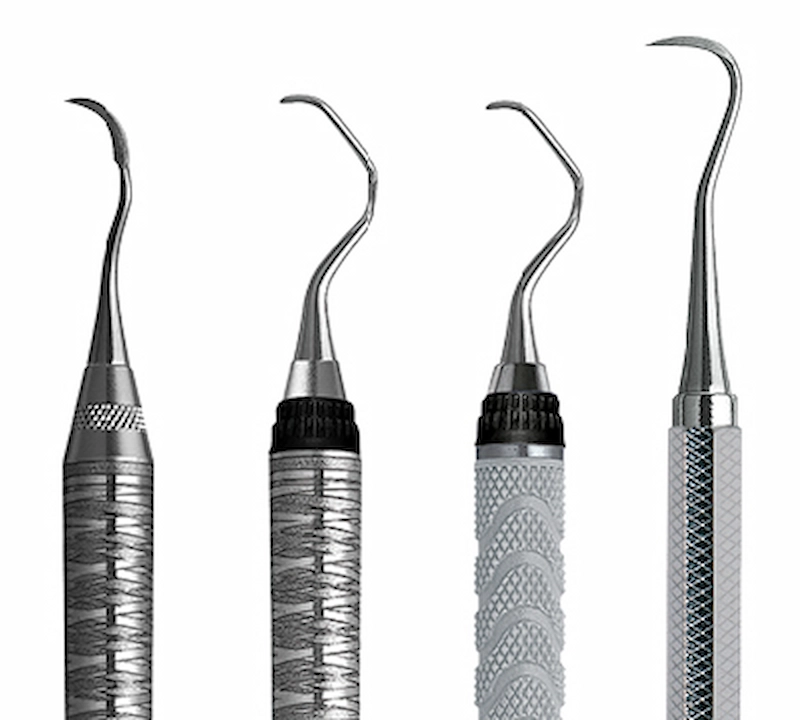
A hand scaler is a small stainless steel instrument used for detail work. It helps remove smaller deposits near the gum line or between teeth after ultrasonic scaling.
This instrument requires training because too much pressure can irritate gum tissue or damage enamel.
4. Saliva Ejector
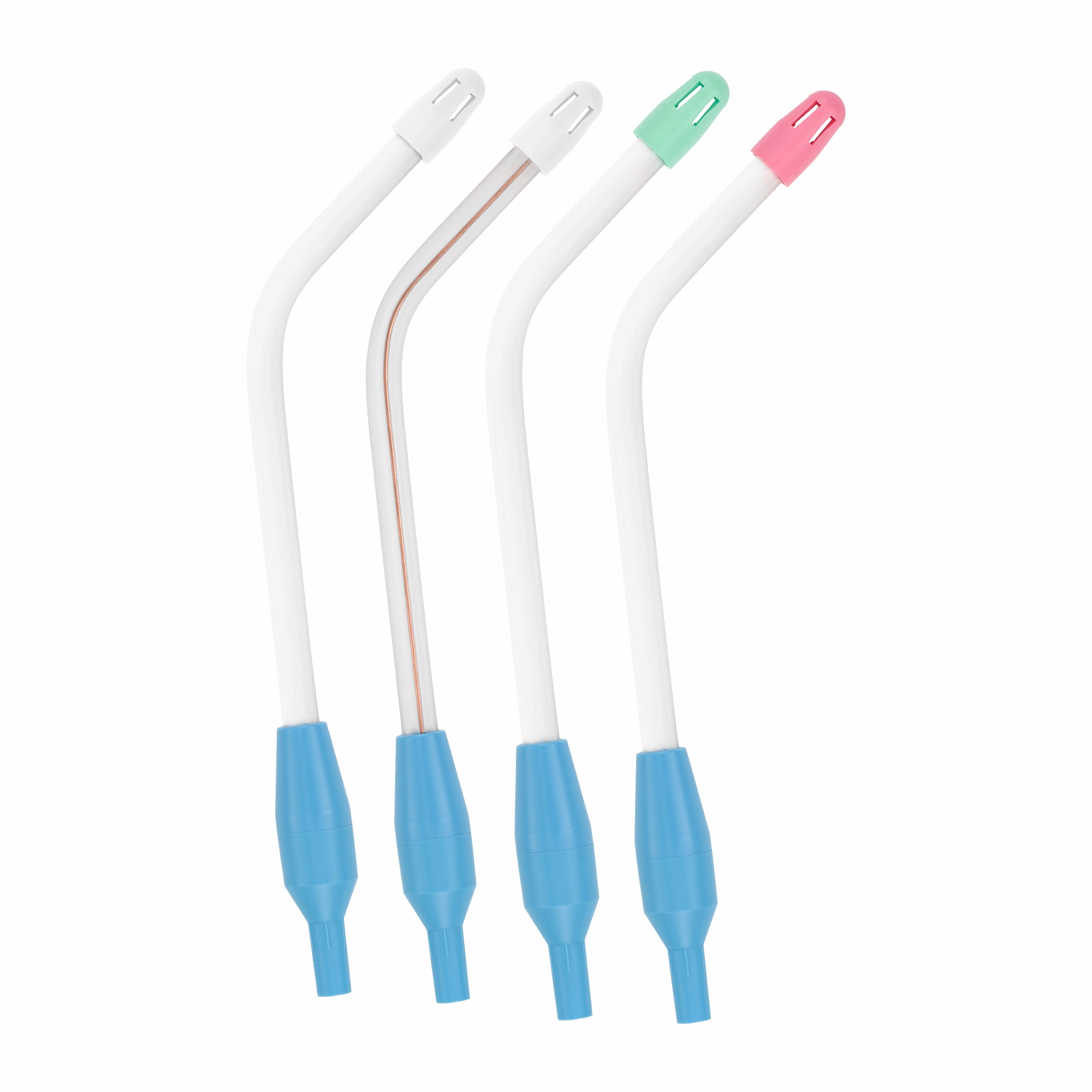
The saliva ejector is the small suction tube that removes water, saliva, and debris during your visit. It keeps the area clear while the provider works.
5. Polishing Tool and Prophy Paste
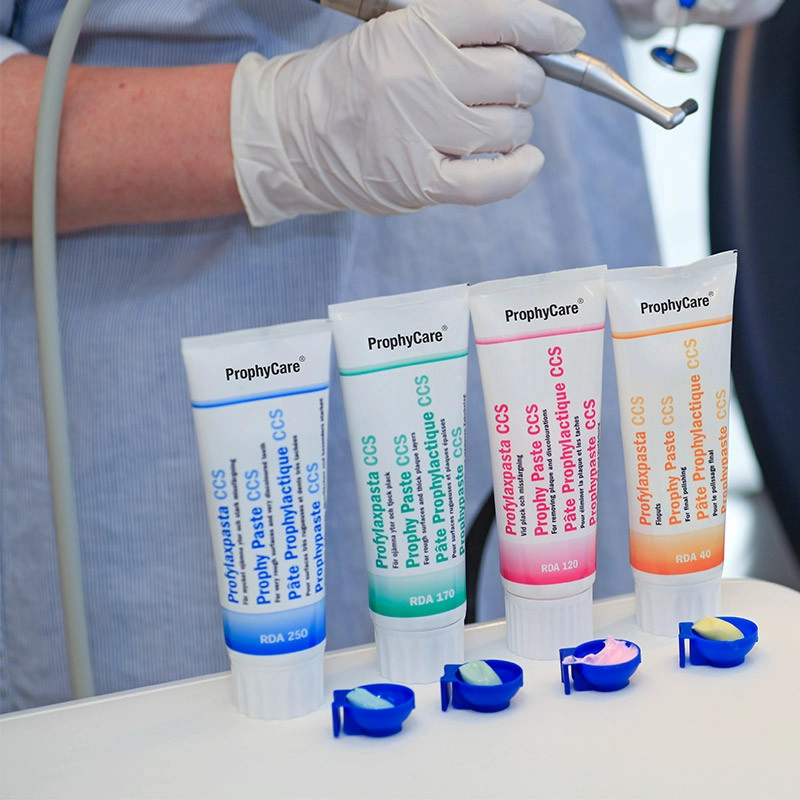
After scaling, the provider may use a polishing cup with prophy paste. This smooths the tooth surface and can reduce some surface stains, though polishing is different from professional whitening or a planned same-day teeth-cleaning-and-whitening visit.
Polishing does not remove deep tartar. It is a finishing step after the main buildup has been removed.
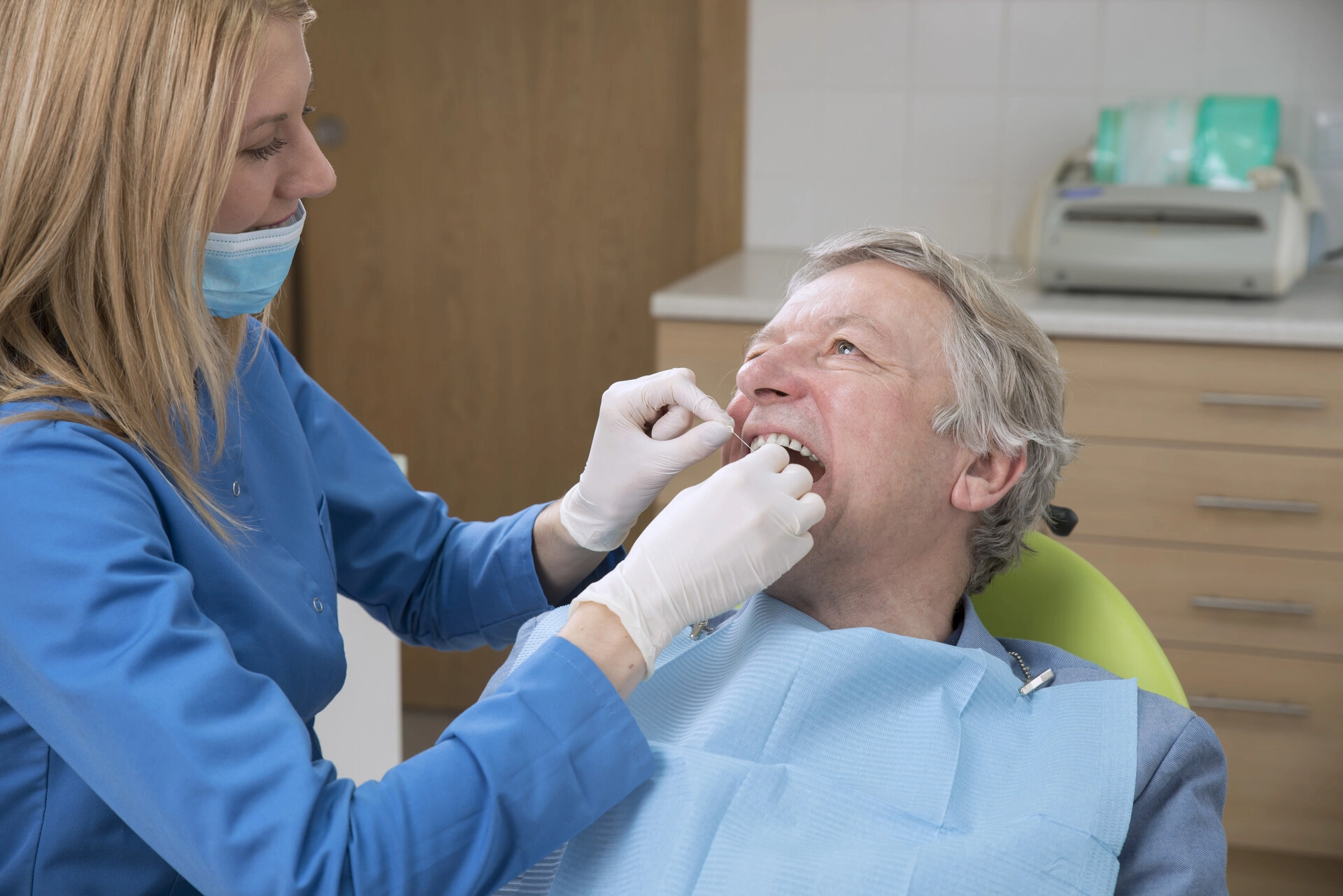
6. Professional Flossing
Professional flossing checks for leftover debris and cleans between teeth. It also helps the hygienist see how your gums respond.
Bleeding does not mean you should feel embarrassed. It can indicate inflammation, missed spots, or a routine that needs minor adjustments.
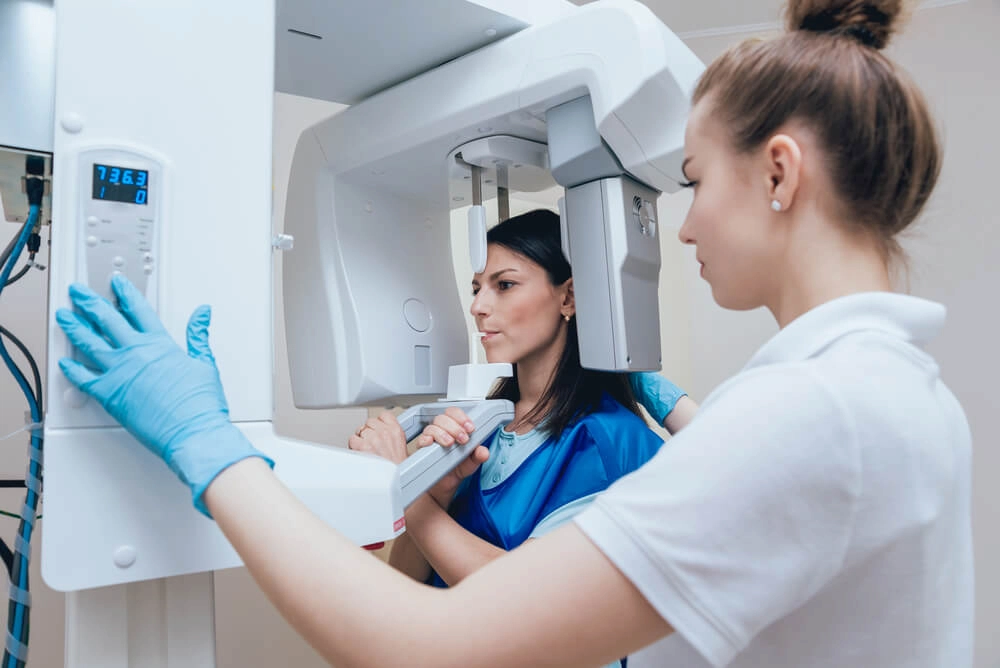
7. Digital X-Rays
Digital X-rays help detect problems that are not visible during a basic exam. They can show tooth decay between teeth, bone changes, infection, or concerns below the surface.
At Smile Lab, low-radiation digital imaging may be used when clinically needed. Dr. Waise Ebrahimi, DDS, focuses on preventative and conservative dental care, so the goal is to find concerns early and preserve natural tooth structure when possible.
At-Home Oral Care Essentials
Updated text: Home products support daily oral care between visits, especially because missed brushing can affect plaque, breath, and gum health, as explained in this guide on what happens when you don’t brush your teeth. They help control plaque, support fresher breath, and reduce buildup before it hardens, which works best as part of a consistent oral hygiene routine.
Manual or Electric Toothbrush
A toothbrush is the main tool for removing plaque at home. Electric brushes can help some people clean more evenly, especially if they brush too hard or rush.
Dental Floss
Dental floss reaches areas a brush cannot access. It helps remove plaque between teeth before it hardens into tartar.
Water Flosser
A water flosser uses a stream of water around teeth, gums, bridges, implants, and braces. It can help people who struggle with string floss, but it may not replace it for every person.
Interdental Brushes
Interdental brushes clean wider spaces, bridges, and areas near orthodontic brackets. They should fit comfortably without being forced between tight contacts.
Tongue Scraper and Mouth Rinse
A tongue scraper can help remove buildup on the tongue. Mouth rinse can support fluoride protection, breath, or gum health, but it should not replace brushing or flossing.
Teeth Cleaning Tools for Braces
Braces create extra places for food and plaque to collect. Brackets, wires, and tight spaces need more attention because missed plaque can raise the risk of stains, cavities, and gum irritation.
Useful teeth-cleaning tools for braces include:
- Orthodontic toothbrush
- Floss threader
- Interdental brush
- Water flosser
- Fluoride rinse
These options help clean around brackets and wires without making the routine feel too complicated.
Tools You Should Not Use at Home
Some devices look simple online, but they can cause harm without training. Your at-home routine should focus on prevention, not scraping hard buildup.
Sharp plaque scrapers can cut gum tissue or scratch enamel, especially if you are trying to treat buildup that may require a deep cleaning instead. At-home scalers are risky because they require angle control and pressure control. Whitening trays, lights, or gels can also cause sensitivity or gum irritation when used without guidance.