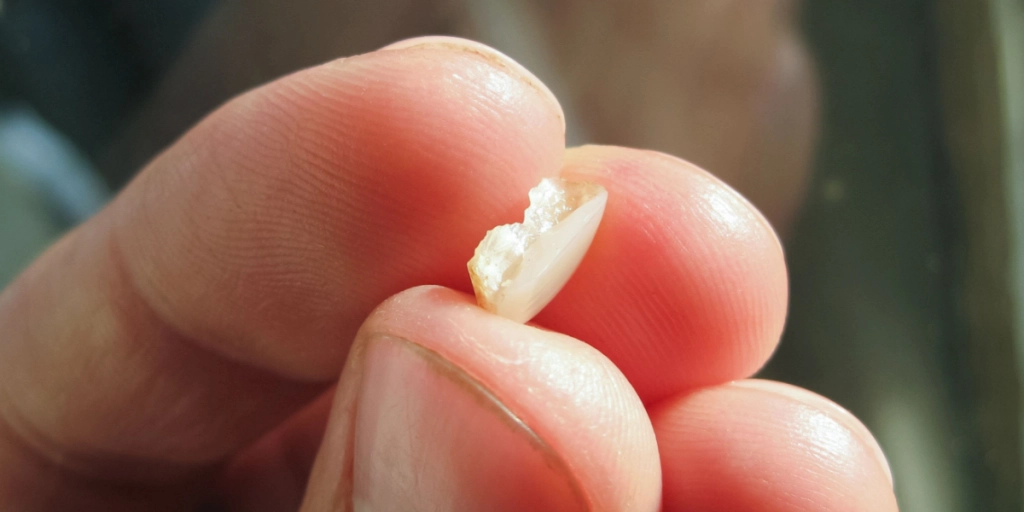
Save the crown, avoid chewing on that side, choose soft foods, and do not use super glue or household adhesive. Temporary dental cement may help for a short time if the crown fits comfortably, but it should not replace a dental visit.
If you have severe pain, swelling, fever, bleeding, trouble breathing, or a broken tooth edge, contact a dentist right away. At Smile Lab in Union Square, the goal is to check the tooth, quickly protect it, and determine whether the crown can be recemented or a new dental crown is needed.
Key Takeaways
- A loose or missing restoration is usually not a 911-level emergency, but it should be checked soon, ideally within 1 to 2 days if symptoms are mild.
- Call a dentist right away if you have severe pain, swelling, fever, bleeding, trouble breathing, or a broken tooth edge.
- Save the piece and any tooth fragments, then bring them to your appointment so the dentist can check whether they can be reused.
- Avoid chewing on that area, choose soft foods, and do not use super glue or household adhesive.
- A dentist may recement it, replace it, or treat any underlying damage, depending on the tooth, fit, and bite.
If a Crown Falls Off, Is It an Emergency?
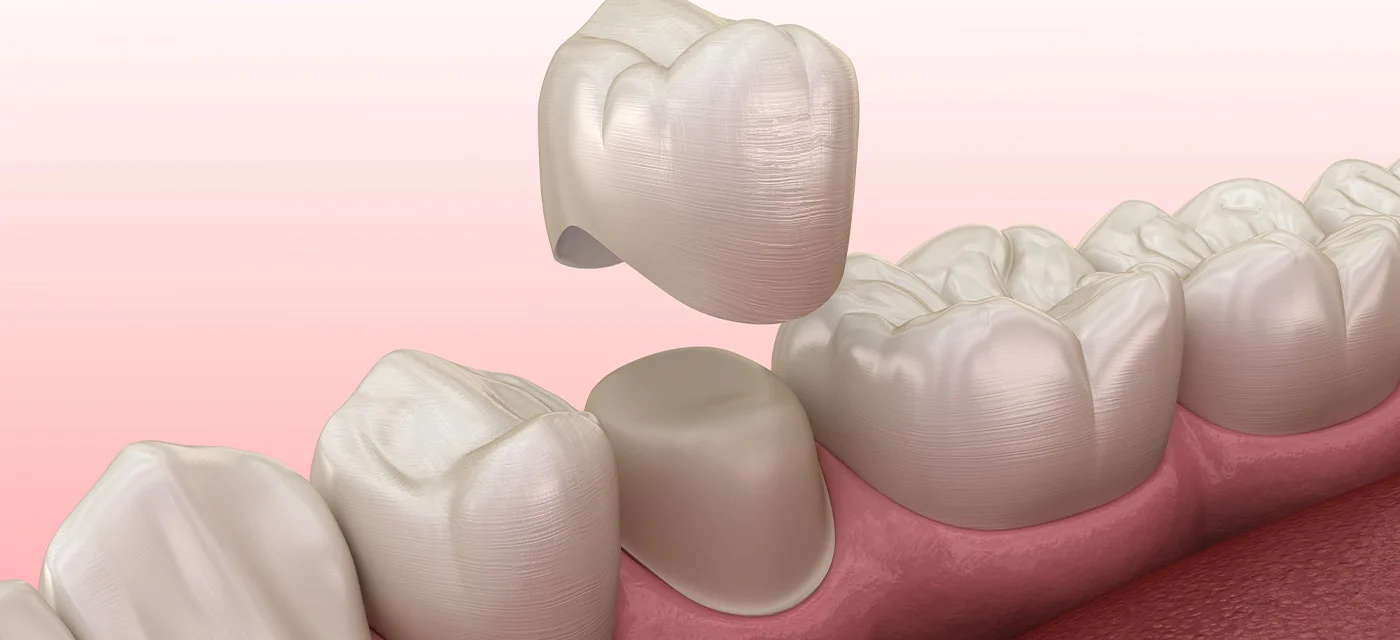
Not always. Losing a dental crown may not need immediate treatment if there is no severe pain, swelling, bleeding, or broken tooth structure. Still, you should contact your dentist and schedule an appointment soon because the exposed tooth may be weaker, more sensitive, or more prone to bacteria.
When It Can Wait Briefly
It may wait briefly if the tooth feels stable, the crown is intact, and you have no major pain or discomfort. This usually means there are no warning signs such as swelling, bleeding, sharp tooth edges, fever, or severe sensitivity when you breathe, drink, or bite. Even then, the tooth is still exposed, so waiting should mean scheduling care soon rather than ignoring it.
Keep the piece in a small container and bring it with you to the appointment. Avoid biting on that tooth until a dentist checks it, because pressure can crack the exposed structure or change the fit. Stick to soft foods, chew on the other side, and call your dentist if symptoms start or get worse.
When to Call a Dentist Now
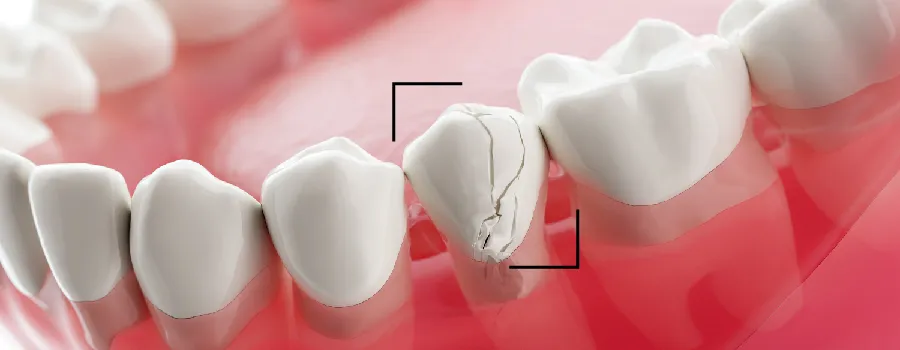
Call right away if you have swelling, fever, bleeding, severe sensitivity, or a sharp broken edge. These signs may point to infection, trauma, nerve irritation, or deeper tooth damage. If the tooth looks black, smells bad, or the restoration came off with pieces of the tooth, seek care quickly instead of waiting to see if it improves.
You should also call promptly if your bite feels uneven, the tooth hurts when air touches it, or the area feels painful when you close your mouth. These symptoms can mean the tooth is exposed, cracked, or under too much pressure. Rapid evaluation helps protect the tooth and may prevent the need for a more complex repair later.
What If You Swallowed the Piece?
If you swallowed the piece, do not try to make yourself vomit. Call your dentist for guidance, especially if the tooth underneath is exposed or sensitive. A swallowed restoration may pass through the digestive system, but you still need a plan to protect the tooth.
Seek medical guidance right away if you have coughing, chest discomfort, trouble breathing, stomach pain, or trouble swallowing. These symptoms may mean the piece did not go down normally. If you are unsure whether you swallowed or inhaled it, treat it as urgent.
What to Do Right Away
Your first goal is to protect your tooth and prevent extra pressure. Keep the area clean, avoid biting on that side, and save anything that came loose. The piece may still be useful if it fits well and the tooth is healthy enough.
- Rinse your mouth gently with warm water.
- Store the piece in a small bag or container.
- Save any tooth fragments and bring them with you.
- Avoid chewing on that side until a dentist checks it.
- Choose soft foods if you need to eat.
- Contact your dentist and schedule an appointment soon.
Do not use super glue or household adhesive. These products can irritate your gums and stop the restoration from seating correctly. Temporary dental cement may help for a short time if it fits comfortably, but remove it if your bite feels high or painful. Wait for professional care if the piece does not sit easily.
Can You Eat If Your Crown Falls Off?
Yes, but eat carefully. Don’t panic if you need to eat before your appointment, but choose soft foods and avoid chewing on the affected side of your mouth. Skip sticky, hard, crunchy, and chewy foods because they can crack a tooth or pull off the temporary material. Stop eating if the tooth feels sharp, painful, or unstable.
How to Reduce the Risk
Clean carefully around the gumline every day. Floss gently rather than avoiding the area, since plaque near the edge of the restoration can weaken the tooth or compromise the seal. If the floss catches, the area feels loose, or food keeps getting trapped, contact your dentist before the piece comes off completely.
Grinding and clenching can also loosen dental work over time. If you wake up with jaw soreness, headaches, or worn teeth, ask whether a night guard could help protect the tooth. Regular checkups also help your dentist catch loose margins, decay, or bite issues that may affect how long dental crowns last.
How Long Can You Wait?
The safest timeline depends on the condition of the tooth, restoration, and symptoms. If symptoms are mild, try to be seen within 1 to 2 days. Over-the-counter pain relievers may help with soreness, but they do not fix the problem or seal the tooth.
If you have severe pain, swelling, fever, bleeding, trauma, or trouble breathing after swallowing the piece, do not wait. Contact your dentist or seek urgent medical guidance. A swallowed restoration may pass, but breathing symptoms need fast attention.
How a Dentist Fixes It
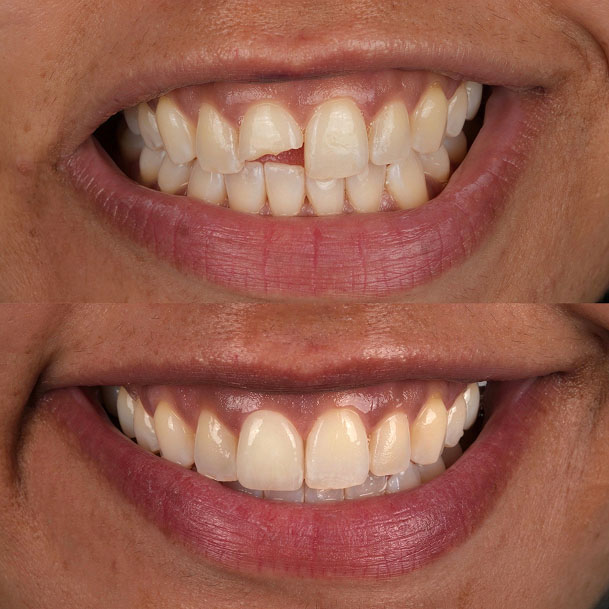
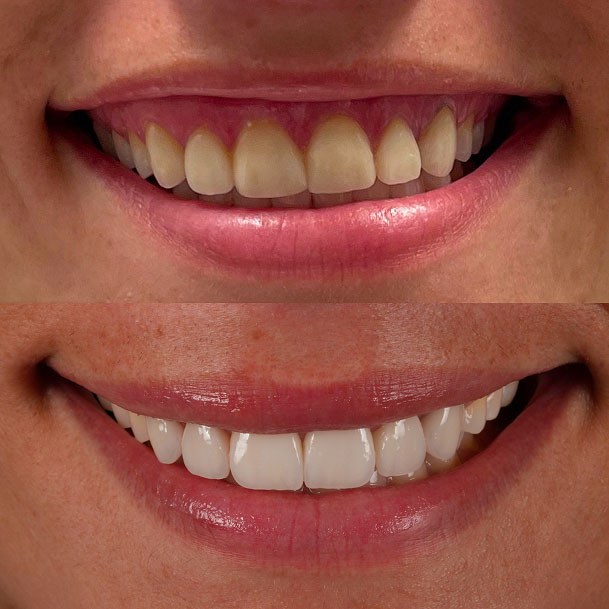
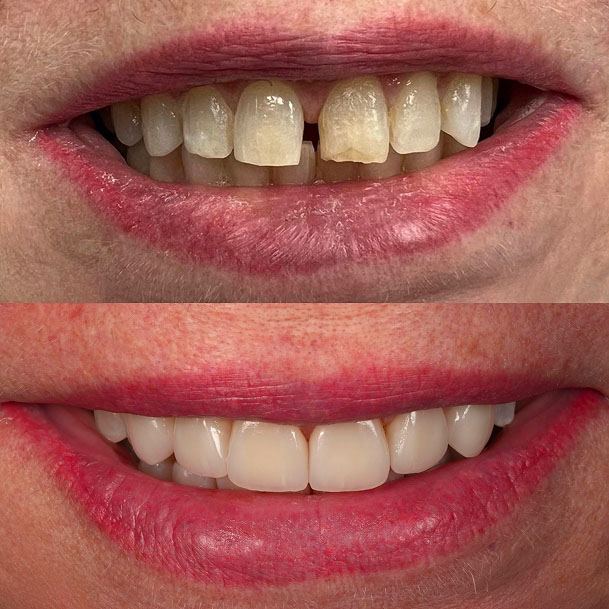
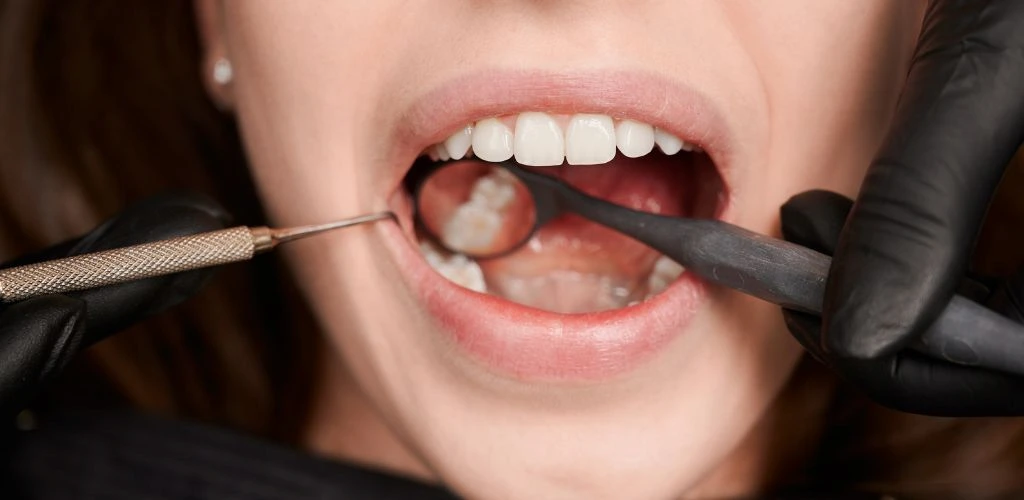
A dentist will check whether the tooth, bite, and restoration are stable. If it still fits well and the tooth is healthy, it may be cleaned and recemented. If replacement is needed, understanding the cost of dental crown replacement can help you plan your next step.
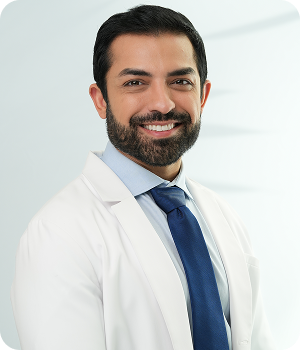
Dr. Waise Ebrahimi, DDS, focuses on conservative dental care that preserves natural tooth structure when possible. At Smile Lab, the exam helps confirm whether a simple repair is enough or whether the tooth needs treatment first. This protects the area and reduces the chance of the problem recurring.
Get Clear Answers Quickly
If this happens during a busy NYC workday, bring the piece with you and avoid chewing on that side until you are seen. The sooner you know what is happening, the easier it is to protect the tooth. If cost is part of your decision, this guide explains how much a dental crown costs in NYC before you schedule care. To understand what the tooth needs next, Schedule Your Visit.