At Smile Lab in Union Square, the goal is to help you understand the problem, review your options clearly, and decide your next step without pressure.
Key Takeaways
- A dentist can usually treat urgent dental problems even if you do not have insurance, but you should ask about first-visit costs and payment options before treatment begins.
- Severe pain, swelling, fever, uncontrolled bleeding, facial trauma, or a knocked-out tooth should be treated as urgent and may need same-day care.
- Emergency dental offices, dental schools, and community health clinics can all be options, depending on your symptoms, budget, and how quickly you need care.
- The emergency room is best for serious medical symptoms, such as trouble breathing, trouble swallowing, severe facial swelling, or major trauma.
- Before booking, ask for the exam cost, whether X-rays are included, if written estimates are available, and what payment options the office accepts.
Will a Dentist Treat You Without Insurance?
Yes, a dentist can usually treat you without coverage. Dental professionals can examine the problem, explain what needs attention now, and discuss payment before dental treatment begins. If you need emergency dental care in Manhattan, it is worth checking what emergency dental insurance covers before you assume you are paying full price.
Dental Emergencies Without Insurance: Warning Signs
Some dental problems can wait, but others should not. Common dental emergencies include severe tooth pain, swelling, infection, broken teeth, a knocked-out tooth, heavy bleeding, or jaw injury.
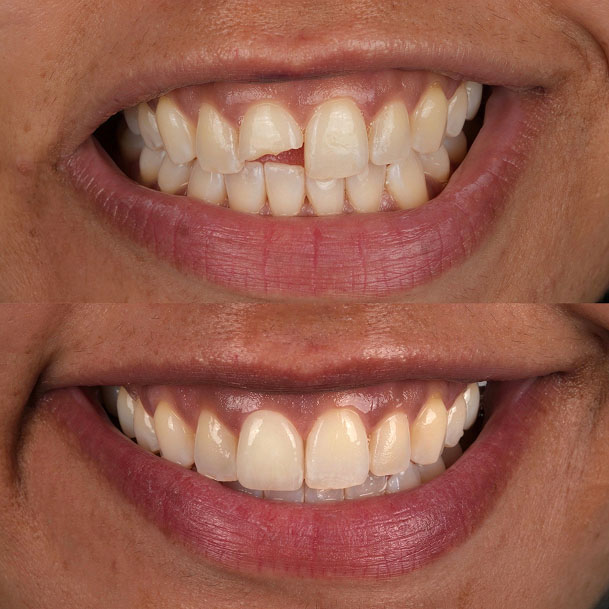
If an infection, cracked tooth, or broken tooth is left untreated, it can become harder and more expensive to manage. In some cases, a tooth that cannot be restored may need an emergency tooth extraction.
When to Seek Emergency Dental Help
You should seek emergency dental help when pain affects sleep, eating, work, or daily life. You should also call an emergency dentist if swelling spreads, the tooth feels loose, or dental issues follow an injury. A small chip or mild sensitivity may not need same-day care, but it should still be checked.
Where to Get Emergency Dental Care
Your best option depends on symptoms, timing, and budget. Emergency dental services are usually best for pain, swelling, infection, broken teeth, and urgent dental issues because they can diagnose and treat the source directly.
Dental schools and community health clinics may offer affordable dental care, but scheduling and availability can vary. If you need urgent care in Manhattan, Smile Lab in Union Square can help you understand the problem, review your options, and decide what needs attention first.
How Much Emergency Dental Care Costs
The cost of emergency dental care depends on the exam, X-rays, diagnosis, and treatment needed, and our full breakdown of emergency dental care pricing explains how each of those factors changes the total.
At Smile Lab, if a patient has PPO insurance, the visit is covered by their insurance. For patients without insurance, emergency visits are available at a flat rate of $99.
Before booking, ask whether imaging is included and whether the dentist can separate urgent care from treatment that can safely wait. You can also review what is normal for dental costs in NYC before comparing your options
Dentist vs. Emergency Room
The emergency room can help with serious medical symptoms, but it usually does not fix the tooth itself. Use this simple guide:
- Go to the ER: trouble breathing, trouble swallowing, severe facial swelling, uncontrolled bleeding, major trauma, or signs that infection is spreading.
- Call a dentist: tooth pain, gum swelling, chipped teeth, broken restorations, loose teeth, abscess concerns, or most dental infections.
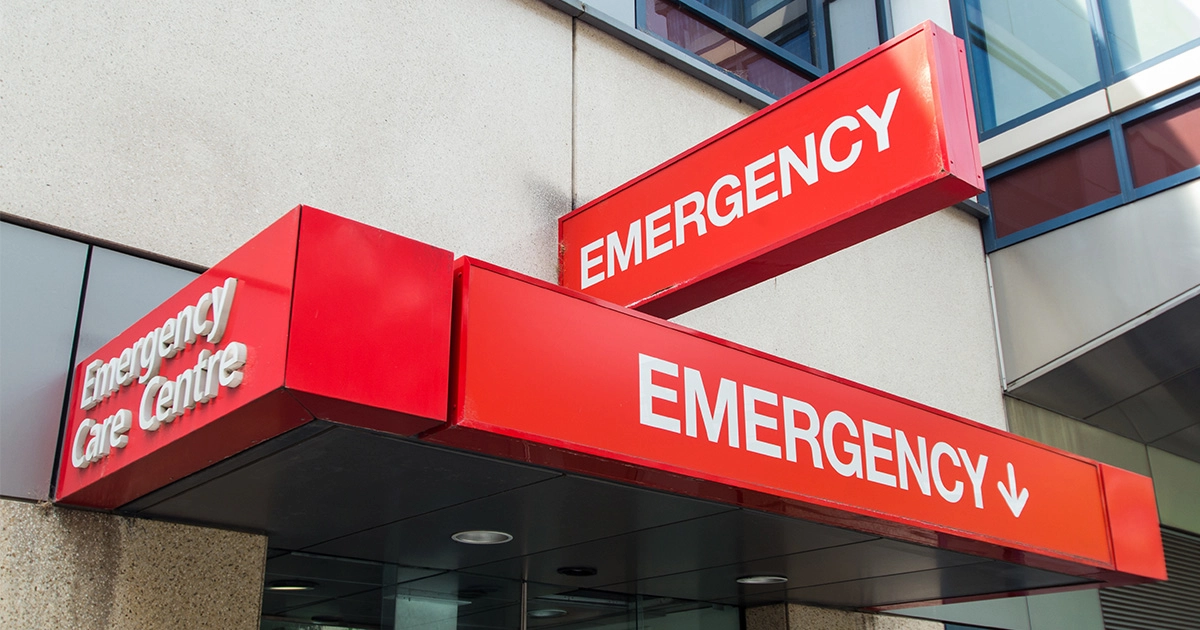
For most tooth-related problems, a dentist is usually the better first call because they can diagnose and treat the source directly.
Getting Help in NYC
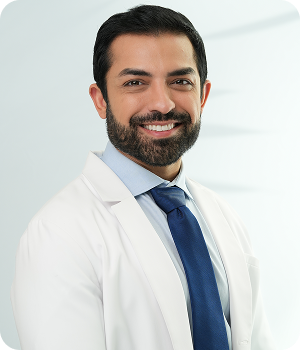
If you live or work in Manhattan, location can make care easier to access. At Smile Lab in Union Square, Dr. Waise Ebrahimi uses a conservative approach focused on preserving natural tooth structure when possible. Book Online if you need a focused exam and want to understand your options before making a treatment decision.