
Key Takeaways
- Smile Lab’s SRP is $1,400 and includes PMT (periodontal maintenance).
- This treatment costs more than a routine visit because it reaches plaque, tartar, and bacteria under the gums.
- The final need depends on gum measurements, X-rays, bleeding, tartar buildup, and the number of areas affected.
- Scaling and root planing can help treat gum disease and support healthier gums when paired with good oral hygiene.
- A clear estimate should explain what is included, how many areas need care, and what follow-up care may be recommended.
How Much Does SRP Cost?
SRP is $1,400, including PMT (periodontal maintenance). This fee reflects care below the gumline, clinical measurements, and follow-up support designed to help stabilize gum health.
ItemPricingSRP$1,400IncludesPMTBest For Patients with gum disease signs
Some people need one or two quadrants treated. Others need a full mouth deep cleaning if gum disease affects several areas. The exact recommendation depends on pocket depth, bleeding, bone support, and buildup under the gums.
Dental Deep Cleaning Price by Quadrant
Dental deep cleaning is often priced by quadrant in many dental offices because gum disease may affect one area more than another. A quadrant means one section of the mouth, such as the upper right, upper left, lower right, or lower left.
A general price range is $150 to $350 per quadrant, depending on gum pocket depth, tartar buildup, and the time required. If all four quadrants need treatment, the total can reach about $600 to $1,400.
At Smile Lab, SRP is $1,400 and includes PMT (periodontal maintenance). This aligns with the higher end of full-mouth gum treatment and gives patients a clear fee that includes follow-up periodontal care.
Your exam, gum measurements, and X-rays confirm whether you need care in one area, several areas, or the full mouth.
Cost With and Without Insurance
The cost of deep cleaning teeth with insurance depends on your plan and how the treatment is classified. At Smile Lab, the team accepts most major PPO insurance plans and provides a clear treatment estimate before care begins, so you know exactly what is included.
For patients who prefer to spread out the cost, Smile Lab also offers 0% financing through Cherry, making treatment more manageable without unexpected fees or hidden costs.
Why Does It Cost More?
SRP costs more than a routine visit because it requires more time, more clinical judgment, and focused work under the gums.
A regular appointment clears visible tooth surfaces. Periodontal treatment reaches the root surfaces where bacteria collect inside gum pockets.
What Affects the Price?
The main price factors include gum disease severity, tartar buildup, X-rays, numbing, and follow-up care. Deeper pockets usually require more time because hardened deposits are harder to reach.
A proper exam helps confirm whether treatment is necessary. Low-radiation digital imaging can also help the dentist see bone support and buildup below the surface more clearly.
What Treatment Includes
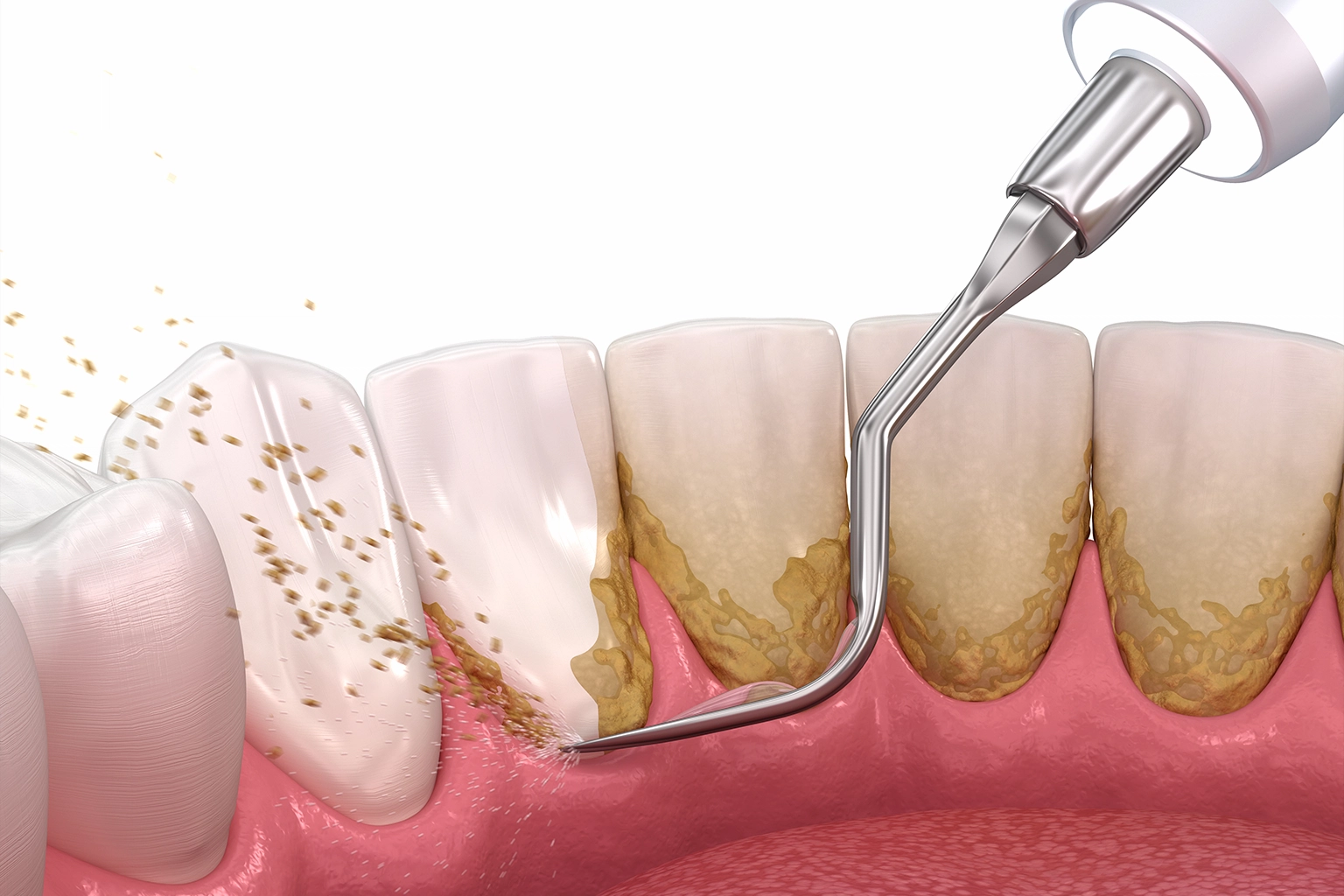
This gum therapy is also called scaling and root planing. Scaling removes hardened deposits above and below the gumline. Root planing smooths rough root surfaces so bacteria have a harder time collecting again.
Scaling, Root Planing, and Healing
Scaling focuses on removing bacteria, plaque, and tartar from the tooth and root surfaces. Root planing smooths the roots where bacteria can cling.
The treatment does not make gums reattach overnight. Instead, it creates a cleaner environment so inflamed tissue can heal and tighten around the teeth as much as your condition allows.
Comfort During Treatment
SRP may feel uncomfortable without numbing, especially when gums are inflamed. Local anesthesia can make the visit easier and more manageable.
At this Union Square studio, the team focuses on making deep cleaning in Manhattan clear and organized for busy NYC patients. Dr. Waise Ebrahimi, who earned his DDS from UCSF, approaches gum treatment with a conservative mindset that prioritizes preserving natural tooth structure whenever possible.
SRP vs Routine Care
A routine appointment and SRP serve different purposes. One helps maintain healthy gums. The other treats active periodontal problems.
A routine polish cannot reach bacteria trapped under the gumline. That is why a dentist may recommend SRP instead of standard preventive care. If you want to understand routine teeth cleaning rates before comparing them to SRP pricing, that breakdown covers what a standard visit includes and when costs change.
Routine Visit
A routine appointment, a same-day cleaning and whitening visit, and SRP serve different purposes. It supports daily oral hygiene and prevents gum disease when paired with brushing, flossing, and regular exams.
Periodontal Maintenance
Periodontal maintenance is follow-up care after gum disease treatment. It usually happens more often than routine preventive visits and helps control bacteria below the gumline.
Pain, Time, and Recovery
The experience depends on gum sensitivity, pocket depth, and the extent of treatment needed. Some people feel pressure or vibration during care. Others feel tenderness for a few days after the visit.
Does SRP Hurt?
SRP should not feel sharp when the area is properly numbed. You may feel pressure, movement, or mild soreness afterward.
If you have avoided dental procedures because of a past experience, tell the team before treatment starts. That gives them a chance to slow down, explain each step, and adjust comfort options.
How Long Does It Last?
The appointment itself usually lasts 60 to 90 minutes for one or two quadrants. A full-mouth case may take about 2 hours or may be split into two visits, depending on gum sensitivity, buildup, and comfort needs.
The results can last several months or longer when you follow your maintenance plan. Most patients with gum disease need periodontal maintenance every 3 to 4 months to keep bacteria from building up again.
Is SRP Worth It?
SRP can be worth it when a dentist confirms periodontal disease. The treatment targets bacteria below the gumline and helps prevent the condition from worsening.
It is not a cosmetic add-on. It is a health-focused treatment that protects the gums, bone, and natural teeth.
Benefits and Risks
Scaling and root planing can reduce bacteria around the roots, reduce bleeding, calm swelling, and make gum pockets easier to maintain. It can also make brushing and flossing more effective because there is less hardened buildup below the gumline.
The main benefit is control. When gum disease is managed earlier, patients may preserve more of their natural tooth support and reduce the need for more complex dental services later.
Waiting can allow gum pockets to get deeper. Over time, untreated periodontal disease can affect bone support and increase the risk of tooth mobility or tooth loss.
Do You Need Periodontal Treatment?
You cannot know for sure without an exam. The need depends on pocket depth, bleeding, tartar location, bone levels, and gum inflammation.
Common signs include bleeding when brushing, swollen gums, persistent bad breath, gum recession, and sensitivity near the gumline. Some people have no clear symptoms, even when pockets are getting deeper.
How Dentists Confirm It
Dentists confirm the need through gum measurements, X-rays, and a clinical exam. They look for pocket depth, bleeding, inflammation, and bone changes.
Dr. Waise Ebrahimi connects gum health with whole-body wellness and prevention. The goal is not just to complete treatment, but to help you understand your oral health and make a clear plan.