
Can Veneers Fall Off? Causes, Risks, and Treatment Options
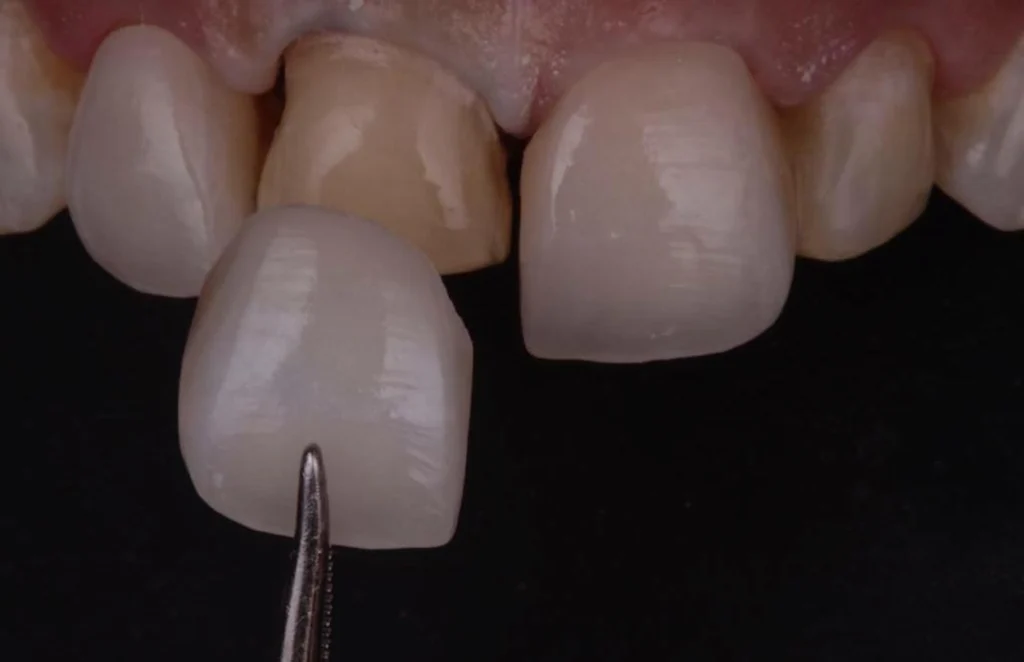
Yes, dental veneers can detach, although they are designed to remain securely bonded for years. Porcelain veneers typically last 10 to 15 years or longer with proper care, but weak bonding, tooth decay, teeth grinding, biting hard objects, and natural wear can affect their stability. If you’re wondering whether veneers can fall off easily, detachment is uncommon when they are placed correctly and maintained properly.
Can You Floss with Veneers? Best Practices and Tips
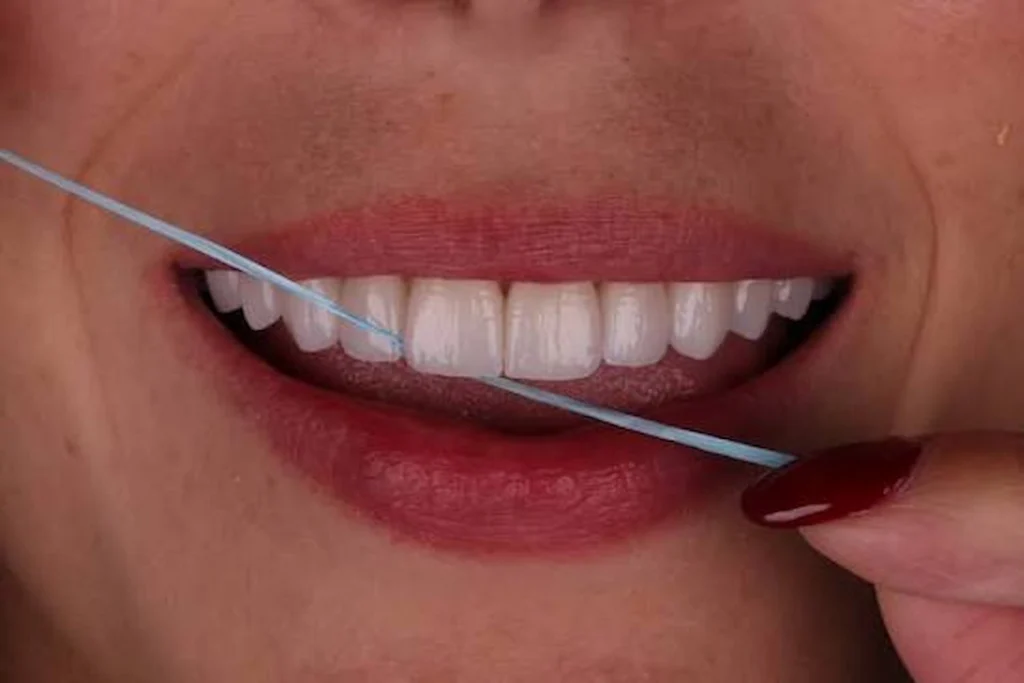
Yes, you can and should clean between your veneers every day. This helps remove plaque, prevent gum disease, and protect your natural teeth. If you’re asking, “Can you floss with veneers” without causing damage, the answer is yes. Properly bonded veneers can handle gentle cleaning without coming loose.
Do Teeth Rot Under Veneers? Causes, Signs, and Prevention
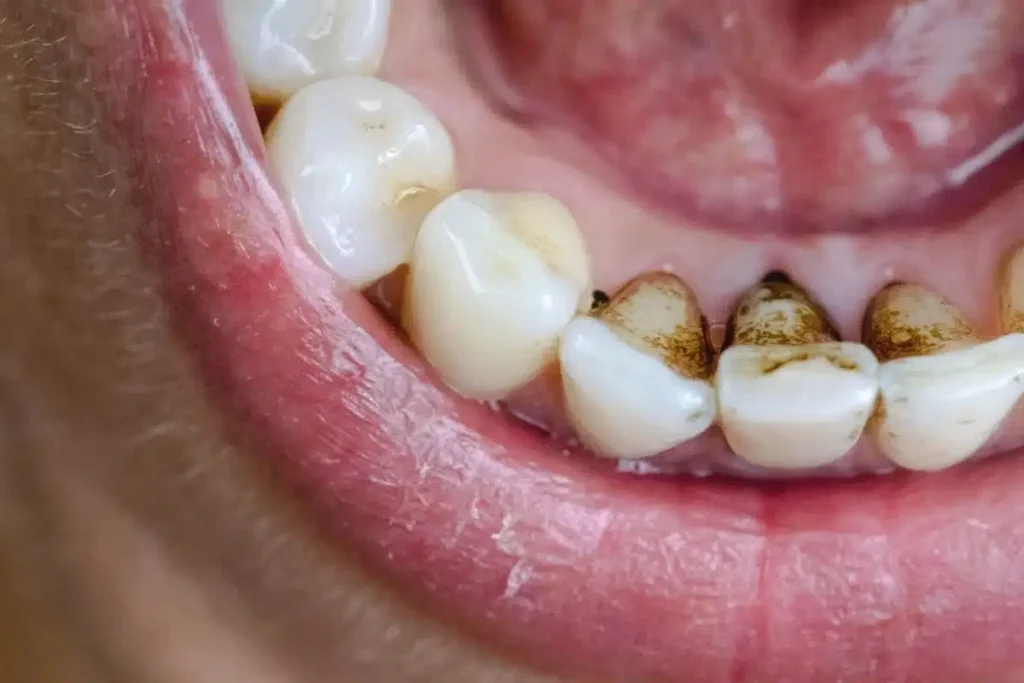
Yes, your natural teeth can develop cavities beneath veneers. The risk is lower when restorations fit well, and you care for them properly. While porcelain and composite materials cannot decay, bacteria can damage the tooth underneath. Plaque buildup, poor oral hygiene, and gaps around the edges increase this risk.
All-on-6 Dental Implants: Cost, Procedure, and Results
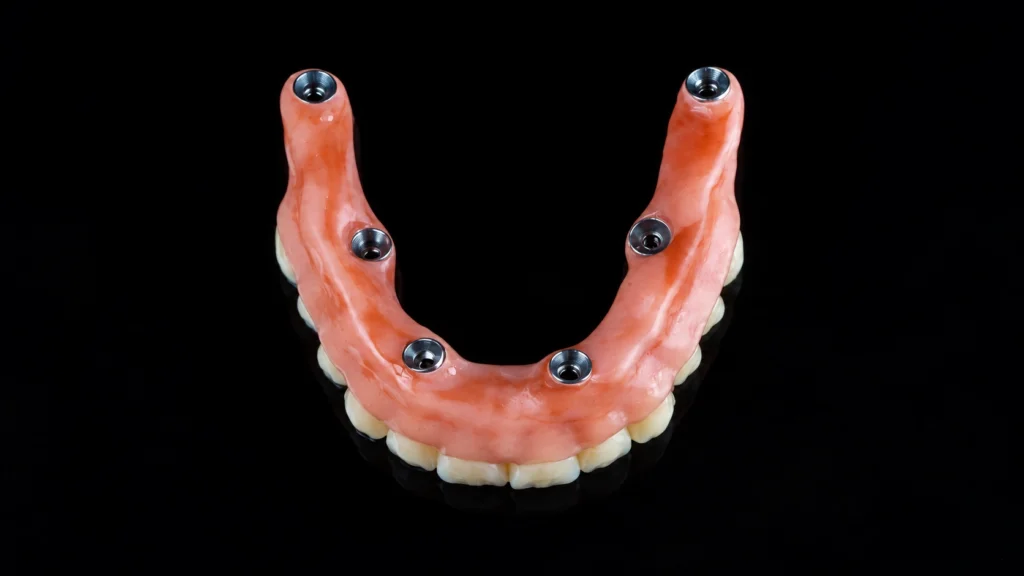
All-on-6 dental implants replace an entire upper or lower arch of missing teeth with six dental implants supporting a fixed bridge. The procedure typically includes an initial consultation, imaging, implant placement, and several months of healing before attaching the final restoration. Some patients may receive temporary teeth during this period.
Can You Eat with Veneers? Safe Foods, Risks, and Tips
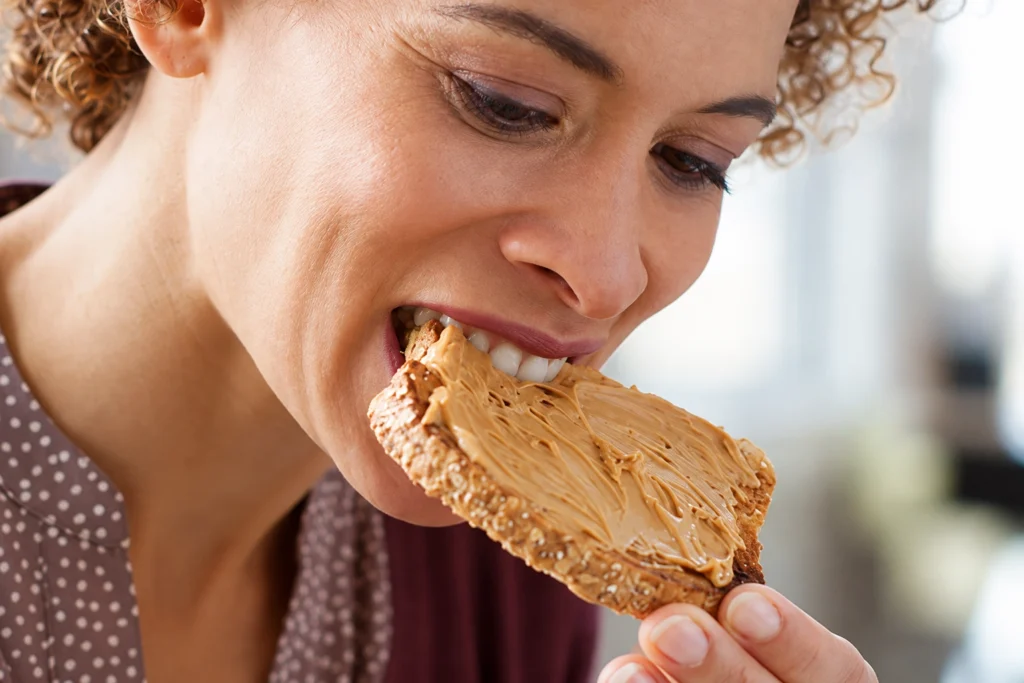
Yes, permanent porcelain veneers usually allow you to return to a normal diet once they are fully bonded. If you are wondering whether you can eat with veneers, everyday foods such as eggs, pasta, rice, cooked vegetables, fish, chicken, tender steak, and fruits cut into smaller pieces are generally safe. Avoid ice, hard candy, unpopped popcorn kernels, sticky foods, and habits that could chip or crack the restoration.
An Alternative to Veneers: Which Option Is the Best?
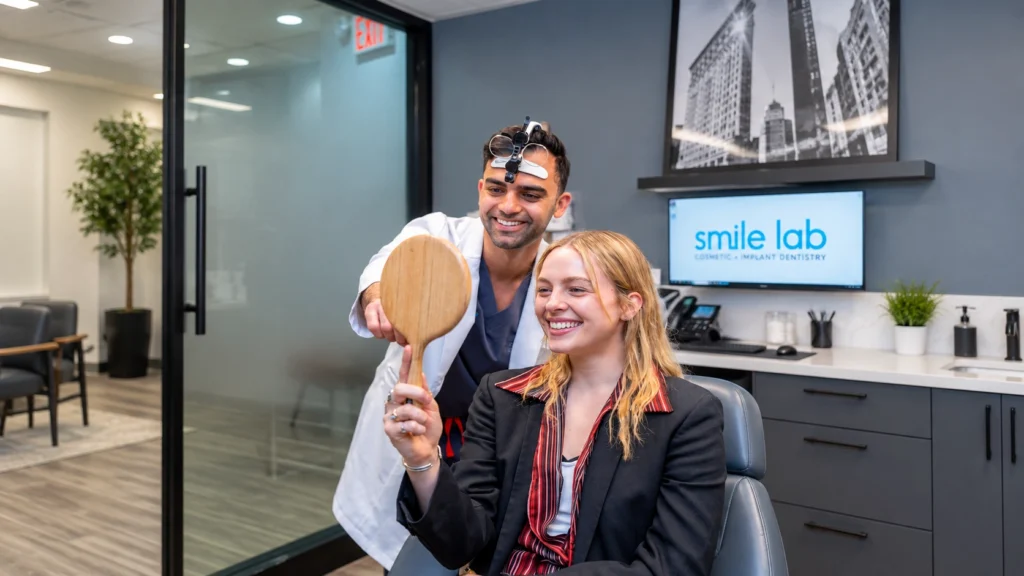
If you want to improve chips, gaps, discoloration, or mild misalignment without committing to traditional porcelain veneers, several treatments can address the specific problem instead. Dental bonding is often an alternative to veneers for small chips or gaps, while professional whitening can treat discoloration, clear aligners can move crooked or crowded teeth, crowns can protect weak or damaged teeth, and enamel contouring can smooth minor shape irregularities.
Bonding is usually completed in one visit with little or no enamel removal and typically lasts about 3 to 10 years, while orthodontic results require retainers to help keep teeth in their new positions.
Do Porcelain Veneers Stain? Causes, Prevention, and Care
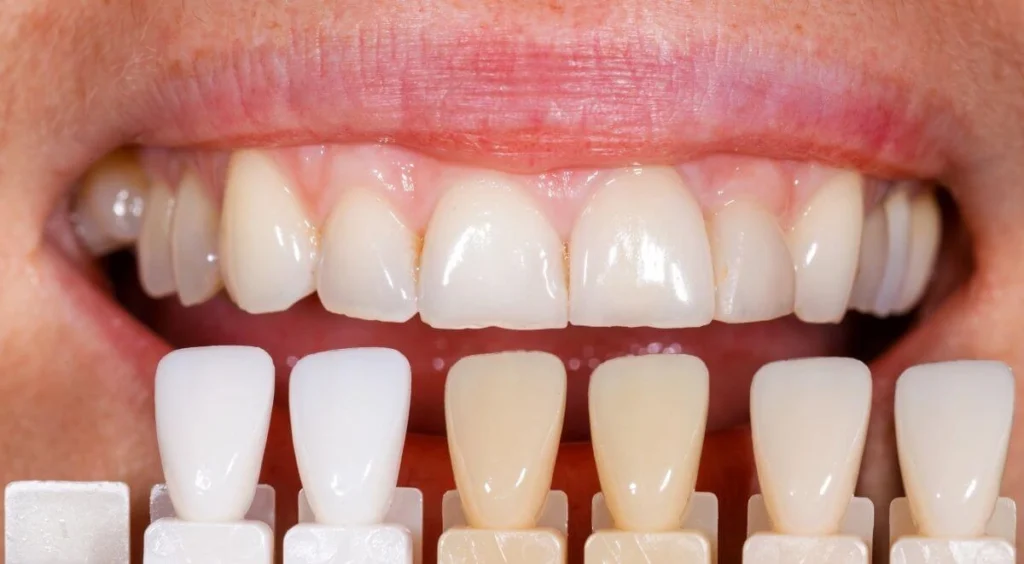
Ceramic restorations are highly resistant to discoloration because the material is non-porous and does not absorb pigments the way natural enamel can. So, do porcelain veneers stain? Coffee, tea, red wine, and berries generally don’t change the color of intact ceramic, although plaque, surface deposits, smoking residue, or wear on the polished glaze can make the teeth look dull or discolored.
Dental Veneers for Missing Teeth: Options and Costs
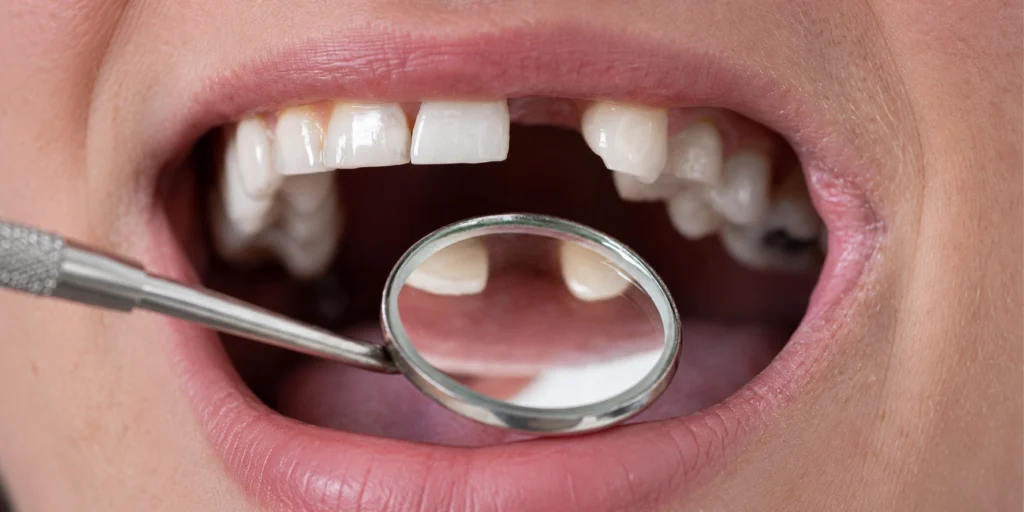
Traditional veneers cannot replace a completely missing tooth because porcelain or composite shells need an existing natural tooth to bond to. They can improve nearby teeth, while the open space itself usually requires a dental implant, bridge, or removable partial denture. Clip-on or snap-on options may temporarily hide some gaps, but they do not replace the root or restore function like a fixed restoration.
Do Veneers Hurt? Pain, Sensitivity, and What to Expect

Getting this cosmetic treatment is usually comfortable because local anesthesia can numb the teeth and gums when preparation is needed. If you are wondering, “Do veneers hurt?” you may feel pressure or vibration while the dentist removes a small amount of enamel, often about 0.3–0.7 mm depending on the tooth and treatment plan. You shouldn’t expect sharp discomfort during this step.
Do Veneers Cause Bad Breath? Causes, Signs, and Solutions
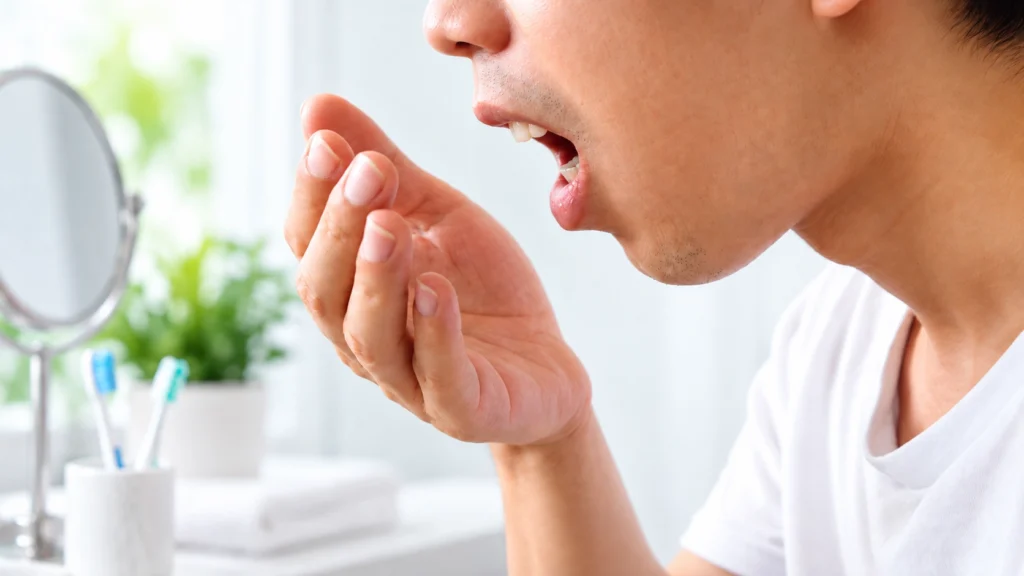
Cosmetic restorations don’t normally cause odor on their own, but bacteria, food debris, inflamed gums, decay, or aging bonding materials can cause bad breath. If you are searching “do veneers cause bad breath,” the issue is usually related to the surrounding tooth, gums, or restoration margin, not the material itself. Warning signs may include a persistent bad taste, bleeding gums, sensitivity, or an unusual smell.