Most discomfort improves within a few days, though some sensitivity may last up to a week depending on gum inflammation and tartar buildup. Warm saltwater rinses, soft foods, a soft-bristle toothbrush, and an over-the-counter pain reliever such as ibuprofen can usually help, as long as your dentist says it is safe for you.
At Smile Lab in Union Square, the goal is to make this visit feel clear, manageable, and focused on helping your gums heal without adding stress.
Key Takeaways
- A deep teeth cleaning should not cause sharp pain when the gums are properly numbed with local anesthesia.
- You may feel pressure, vibration, scraping, or water spray during treatment, but the treated area should stay comfortable.
- Mild soreness, gum tenderness, and sensitivity after treatment are normal and usually improve within a few days.
- This periodontal treatment helps treat gum disease by removing tartar buildup and bacteria below the gumline.
- Good home care, soft foods, saltwater rinses, and a soft-bristled toothbrush can help your gums heal after treatment.
Is a Deep Cleaning Painful?
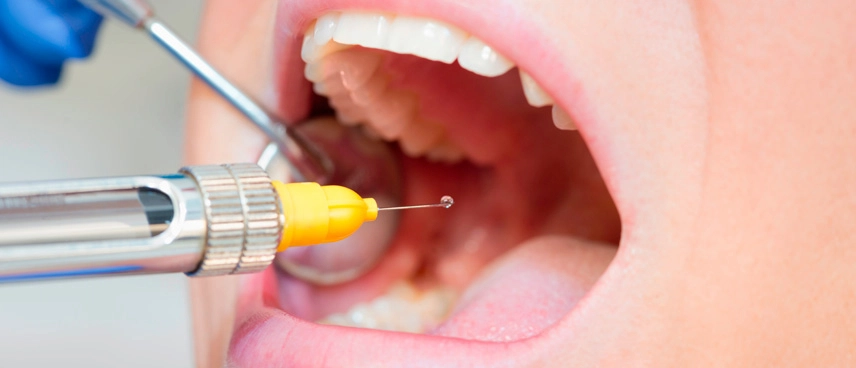
Most people do not describe a deep dental cleaning as painful when the area is properly numbed. Your dentist can numb the area before working below the gumline, especially if your gums are inflamed or your pocket depth is higher than normal.
The goal is to remove bacteria and hardened deposits that a routine visit cannot reach. This helps treat gum disease before it causes more serious problems, including bone loss, gum recession, or tooth loss.
What It Can Feel Like
Some people feel only light pressure from the teeth cleaning tools during the visit, while others notice tenderness in areas where the gums are already swollen. Your comfort level usually depends on your sensitivity, gum inflammation, pocket depth, and the amount of buildup that needs to be removed.
If something feels uncomfortable, your dentist can pause, add more numbing, or adjust the technique. You should not feel like you have to tolerate sharp pain.
Does It Hurt Without Anesthesia?
It can feel uncomfortable without anesthesia if the instruments need to reach deeper pockets. Some patients with mild buildup need less numbing, but inflamed gums usually need more support.
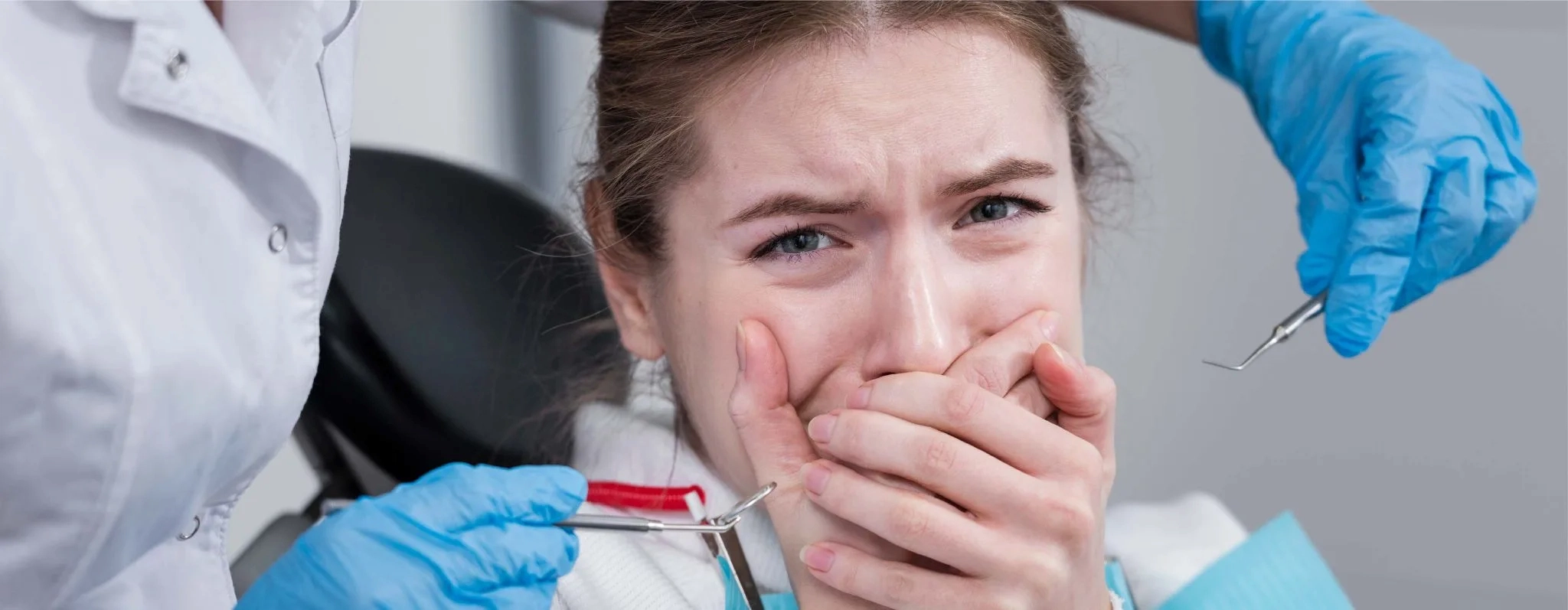
Local anesthesia can make the appointment easier to manage. It can also reduce anxiety for patients who have delayed care because of fear or a bad past experience.
Why Dentists Recommend Below-Gum Care
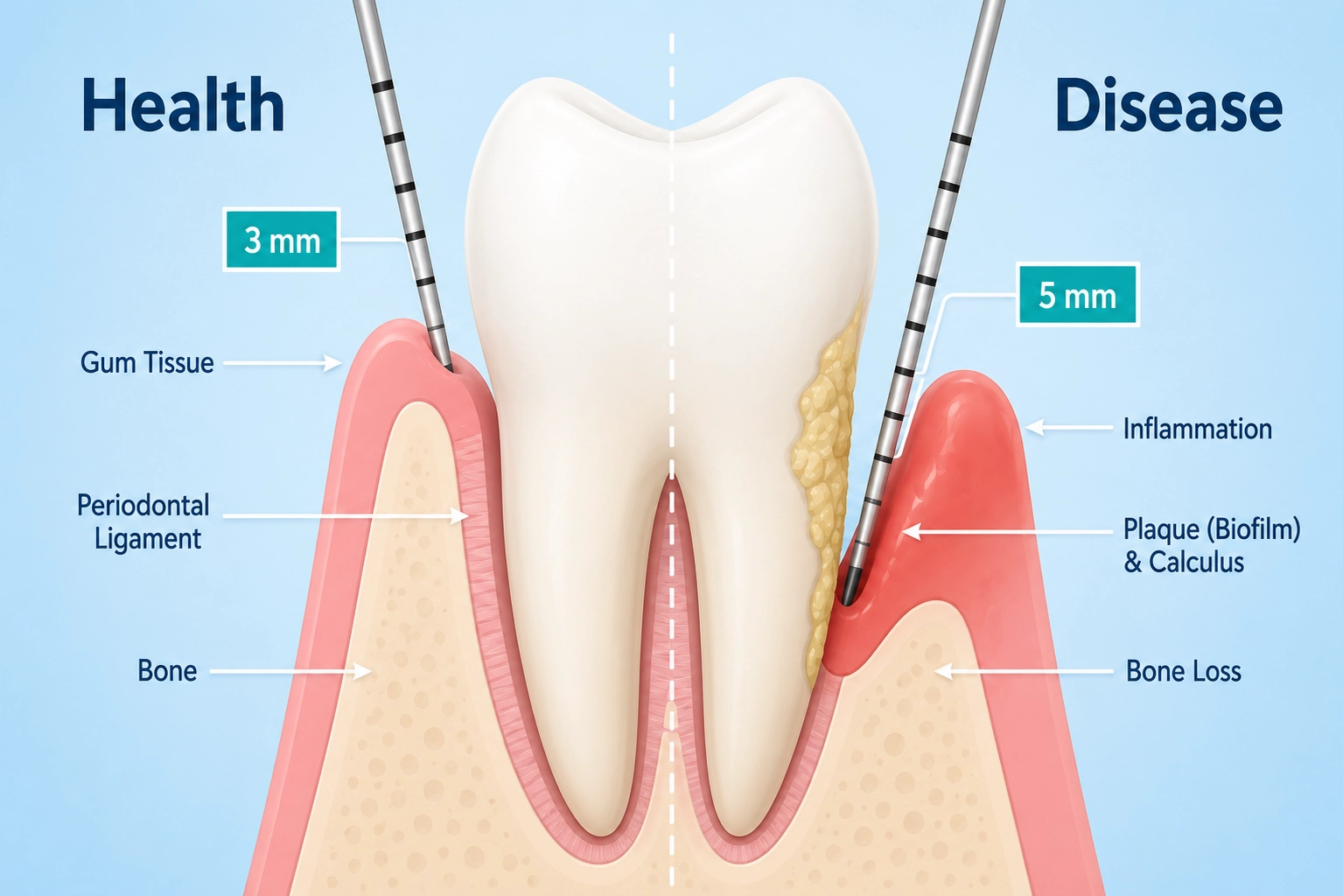
Dentists recommend this treatment when bacteria collect below the gumline. A routine visit can remove plaque from visible areas, but it cannot fully clean deeper pockets caused by gum disease.
Dr. Waise Ebrahimi, DDS, trained at UCSF and focuses on preventative, conservative dentistry. That approach matters because early gum care can protect oral health while helping preserve natural tooth structure.
Signs You May Need It
You may need this type of care when your exam shows signs that bacteria have moved below the gumline. Your dentist may also use low-radiation digital imaging to check for bone changes and understand how advanced the problem is.
Common signs include:
- Bleeding when brushing or flossing
- Gum tenderness or swelling
- Persistent bad breath
- Gum recession
- Deeper pocket depth measurements
- Early signs of bone loss
These signs do not always mean you need the same level of treatment in every area. A dental exam helps identify which sections need attention and where good home care may no longer be enough on its own.
Routine Cleaning vs Periodontal Treatment
A routine visit supports healthy gums and removes buildup above the gumline, while a deep cleaning vs. regular cleaning comparison can help explain why below-the-gumline care may be needed. Periodontal therapy reaches below the gumline when infection is already present.
This is not just a stronger version of a standard appointment. It is a targeted treatment for an active gum problem.
What Happens During Treatment?
Your dentist or hygienist usually works on one section of the mouth at a time. This can make the visit more comfortable and help your care team focus carefully.
The appointment may include gum measurements, numbing, cleaning below the gums, smoothing root surfaces, and aftercare instructions. You should leave knowing what is normal and when to call.
Scaling and Root Planing
Scaling removes hardened buildup from the teeth and roots. Root planing smooths rough root surfaces so bacteria have fewer places to collect.
This process helps the gums heal and reattach more closely to the teeth. It does not instantly reverse every problem, but it gives gum health a better chance to improve.
How Long It Takes
Timing depends on how many areas need care. One section may take about 45 to 90 minutes, while full-mouth treatment may be split across multiple visits.
For busy Manhattan patients, staged visits can also make scheduling easier. It may help you avoid having your entire mouth numb at once.
Is Periodontal Care Worth It?
For the right patient, this treatment can be worth it because it addresses the cause of active gum inflammation. It may reduce bleeding, tenderness, bad breath, and the risk of future tooth loss.
No single visit permanently stops gum disease if plaque returns and the gums stay inflamed. Long-term results depend on follow-up visits and daily care.
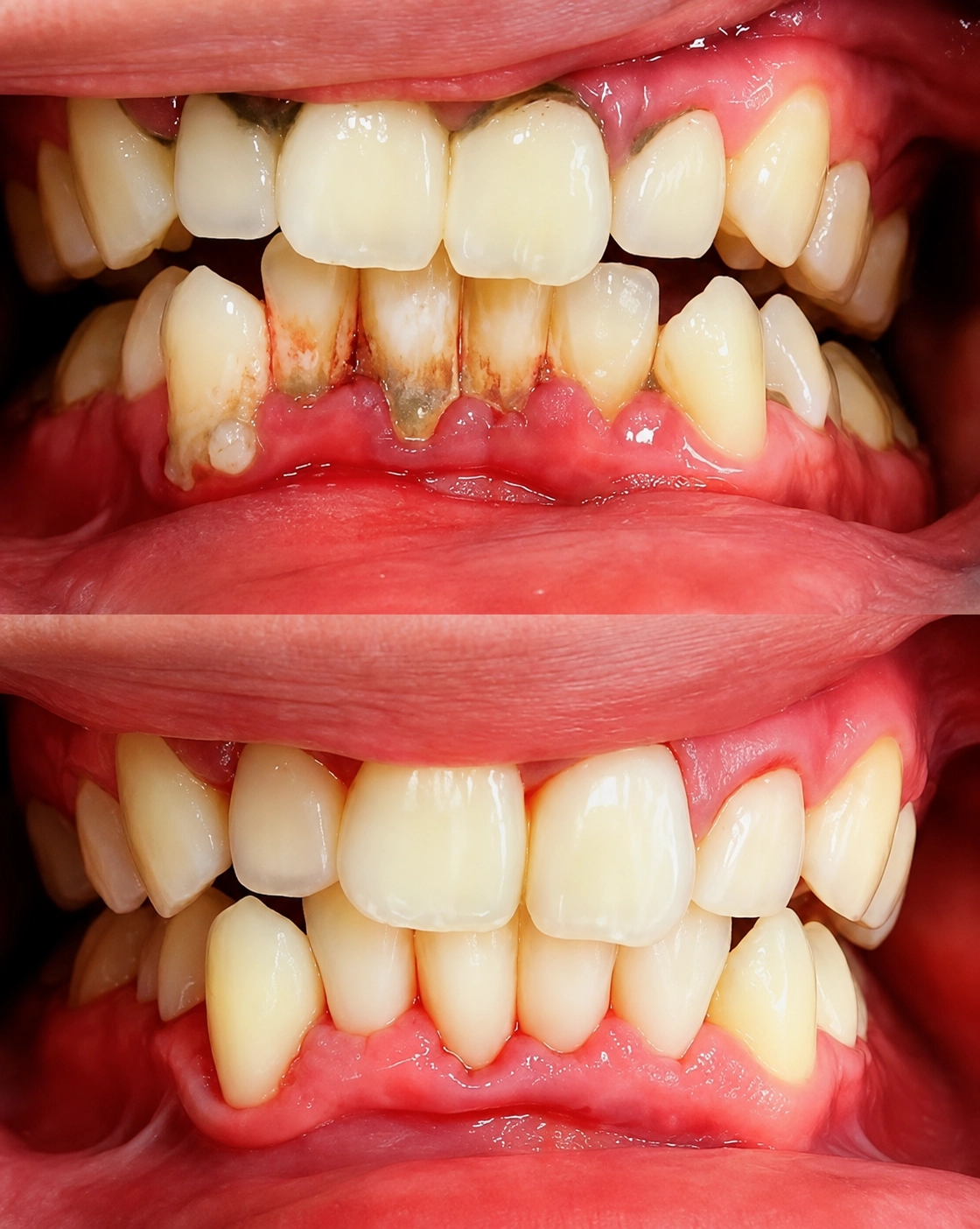
Before and After Treatment
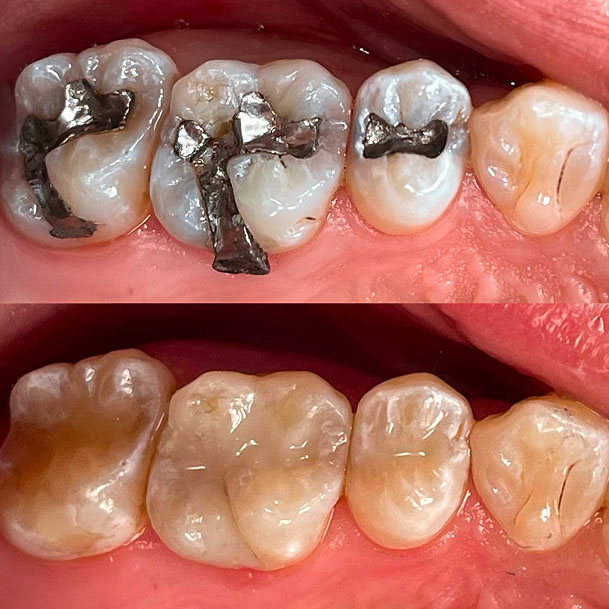
Before care, gums may bleed, feel puffy, or pull away from the teeth, which is why reviewing teeth-cleaning expectations before and after care can help you understand the healing process.
Afterward, the tissue may feel tender at first, then gradually become tighter, calmer, and less likely to bleed. Your dentist may recheck measurements later. That follow-up shows whether the gums heal as expected.
Does It Help Bad Breath?
Yes, it can help when odor comes from bacteria trapped under the gums. Removing buildup below the gumline can reduce one common source of bad breath.
Bad breath can also come from dry mouth, cavities, diet, or medical factors. A dental exam can help identify the cause.
Possible Disadvantages
The main disadvantages are temporary soreness, sensitivity, gum tenderness, and the need for more careful aftercare. Some patients also feel nervous about the numbing, the time, or the cost.
These tradeoffs are usually short-term. Delaying care can allow gum disease to progress and may lead to more complex treatment later.
When Teeth Feel Loose
Some teeth may feel different after tartar is removed because once that buildup is gone, existing gum inflammation, deeper pockets, or bone loss may become more noticeable.
This does not mean the treatment caused tooth loss. If the looseness feels severe, worsens, or does not improve, your dentist should check the area.
How to Reduce Discomfort
You can make recovery easier with simple care. Keep the area clean, but avoid aggressive brushing or hard chewing at first.
Helpful steps include:
- Rinse gently with warm saltwater if recommended
- Eat soft foods for the first day or two
- Use a soft bristle toothbrush
- Brush and floss carefully
- Follow your dentist’s instructions
Good home care matters even if your gums feel sensitive. Skipping care can allow plaque to return and slow healing.
When to Call Your Dentist
Call your dentist if soreness worsens after several days, swelling increases, or pain becomes sharp. You should also reach out if bleeding continues, increases, or feels hard to control.
Most tenderness should fade gradually. Symptoms that move in the wrong direction need a closer look.
Deep Cleaning at Smile Lab
At Smile Lab in Union Square, gum treatment is planned around comfort, clarity, and long-term health. The team explains what they see, why treatment may help, and what you can expect before, during, and after the visit.
If fear, a busy NYC schedule, or uncertainty has kept you from moving forward, the next step does not have to feel overwhelming. Schedule Your Visit to see if Smile Lab is the right fit for you.