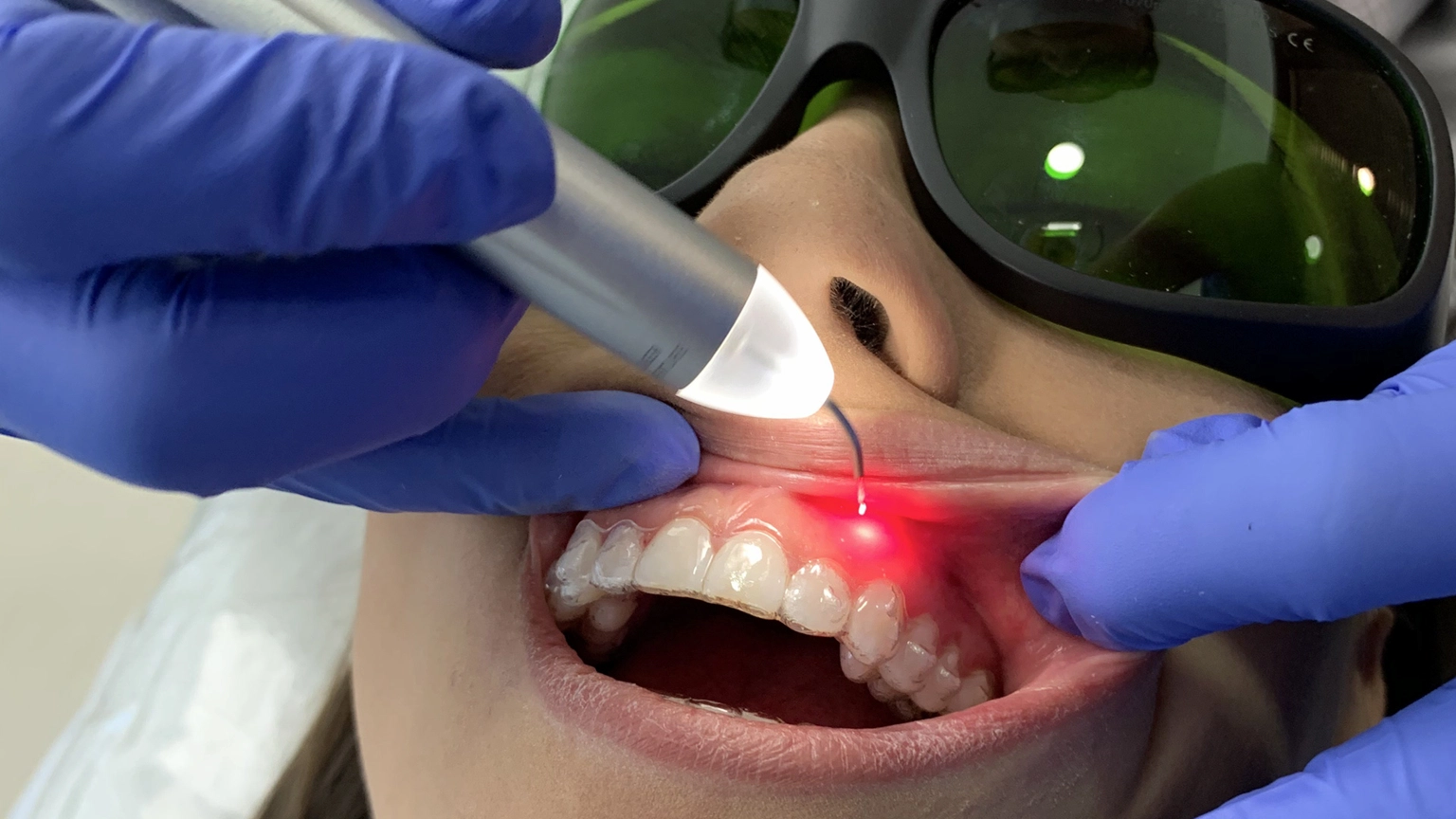
This approach may reduce bleeding and swelling and shorten healing time in some cases, especially when used as part of laser periodontal therapy. At Smile Lab in Union Square, the focus is on helping you understand your gum health first, then recommending the most conservative treatment that fits your needs.
Key Takeaways
- Laser teeth cleaning may help reduce bacteria and gum irritation in select cases, especially when inflammation or deeper periodontal pockets are present.
- It does not replace every part of traditional cleaning. Hardened plaque and tartar often still need scaling for proper removal.
- The treatment is usually manageable, but mild gum sensitivity or soreness can happen after deeper care.
- Cost depends on gum health, the number of areas treated, and whether scaling and root planing or laser periodontal therapy is needed.
- The best approach starts with a clear diagnosis, so your dentist can decide whether a standard cleaning, a deep cleaning, or another gum treatment makes the most sense.
Is It Worth It?
This treatment may be worth it when a dentist uses it for the right reason. It can support gum care by targeting bacteria, reducing irritation, and helping inflamed areas recover after treatment.
It is not always needed for healthy teeth and gums, where a routine teeth cleaning is usually enough. The best value comes from matching the care plan to your actual needs, not choosing technology because it sounds advanced.
What Is Laser Dental Cleaning?
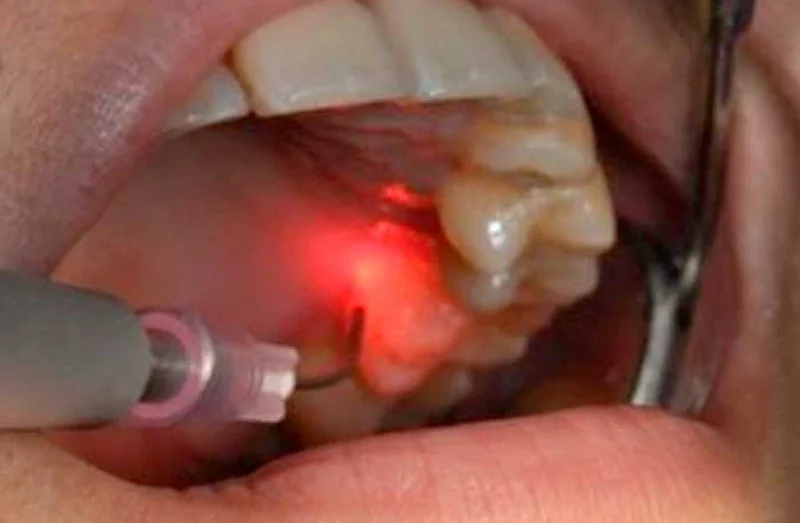
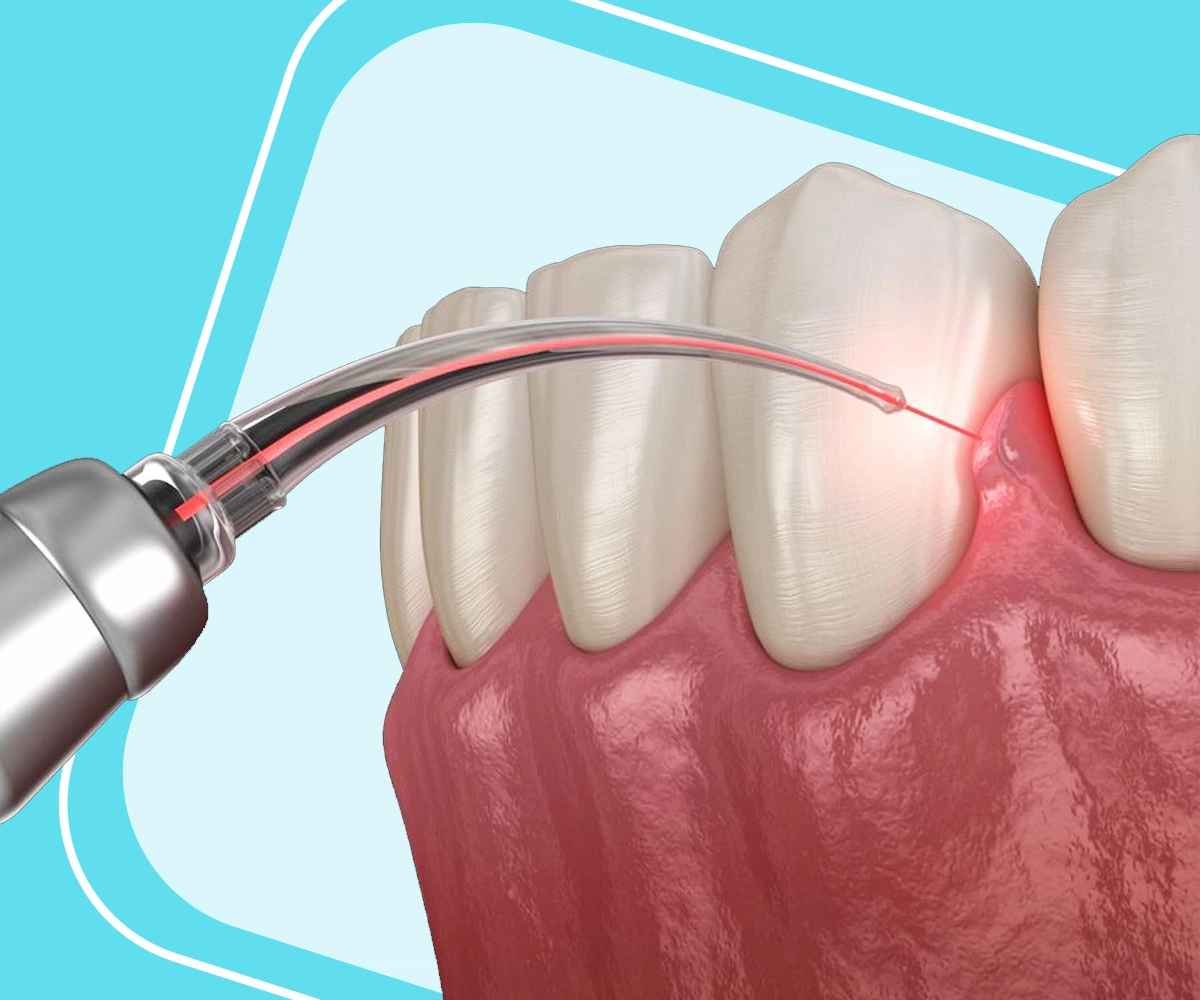
Laser dental cleaning typically refers to the use of dental lasers as part of a hygiene or gum treatment plan. The device uses light energy to interact with soft tissue and bacteria around the gum area.
This does not mean every step of the visit uses the device. A dentist may still use traditional methods to remove plaque and tartar, especially when buildup is firmly attached to the tooth surface or below the gum line.
How It Compares to Deep Cleaning
A deep cleaning is usually called scaling and root planing. It removes tartar and bacteria around the tooth root and beneath the gums when gum disease is mild or moderate.
Light-based care may support deeper treatment by reducing bacteria or treating inflamed gum tissue. It does not replace the need for a full exam, gum measurements, and careful removal of buildup.
How the Treatment Works
A dentist or hygienist first checks inflammation, bleeding, pocket depth, buildup, and areas that need focused care. If this approach makes sense, it may help reduce bacteria and support soft tissue treatment while protecting healthy tissue as much as possible.
Laser plaque removal is not the same as removing every deposit from the tooth. Scaling with tools such as an ultrasonic teeth cleaner is often still needed to remove hardened tartar.
Does It Hurt?
Most people describe the experience as manageable. Some feel warmth, pressure, or mild sensitivity, especially if their gums already feel tender.
Comfort depends on gum health, treatment depth, and whether numbing is needed. If you have delayed dental care because of fear or a bad experience, tell your provider before treatment starts.
Pros and Cons
The main benefits can include targeted reduction of bacteria, reduced irritation to surrounding tissue, support for gum recovery, and improved access in select periodontal areas. These benefits are most relevant when laser treatments serve a clear clinical purpose.
The main limitation is that this technology does not remove every type of buildup. Possible side effects include temporary gum tenderness, sensitivity, or minor bleeding, which are usually related to the condition being treated and the depth of care required.
How Long Do Results Last
The cleaner feeling may last for several weeks, but plaque can start returning within days. If gum disease is involved, results usually require maintenance visits every 3–4 months to help control bacteria and prevent inflammation from returning.
Cost Factors
In NYC, laser-assisted gum treatment can range from about $1,000 to $2,650 per quadrant, depending on the type of treatment, the severity of gum disease, the number of areas treated, and the time needed for care.
Before treatment, ask what the fee includes, whether scaling will still be needed, and what results you should expect. Clear answers should help you understand whether this option makes sense for your gum health.
Aftercare
After treatment, gums may need time to settle. Soft foods can help if your mouth feels tender, and very hot, spicy, or crunchy foods may irritate the area. For general guidance after a routine visit, read more about how long after teeth cleaning you can eat.
Keep brushing and flossing, but use gentle pressure. If flossing feels difficult around a treated area, ask your dentist whether another tool would help the tissue heal without causing additional irritation.
Who Is a Good Candidate
A person may be a candidate if they have gum inflammation, bleeding, deeper pockets, or bacteria under the gums. A dentist may also consider this approach when treating gum disease in a targeted way while preserving healthy areas.
You may not need it if your gums
Final Thoughts
Laser-assisted gum care can be useful in specific cases, but it should begin with a thorough exam and a clear indication. If you want to understand what your gums need, Schedule Your Visit and see if Smile Lab is the right fit for you.