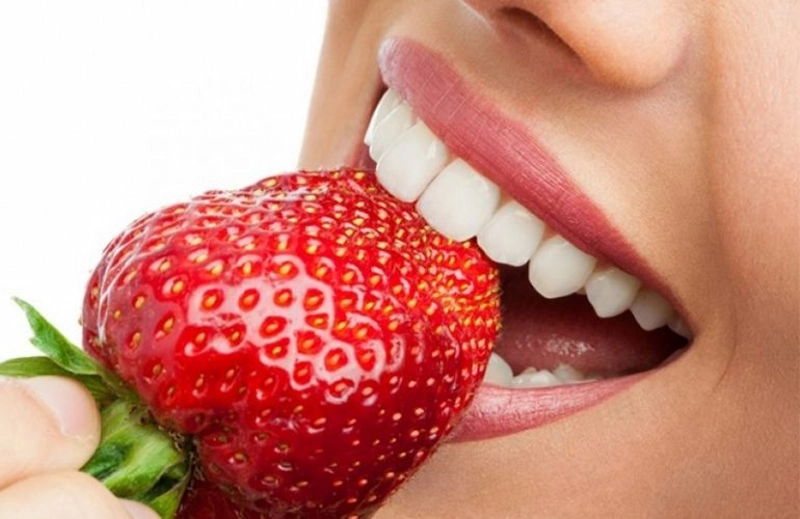
For your first meal or drink, choose what feels comfortable. Water is usually fine, while very hot coffee, acidic drinks, sticky foods, crunchy snacks, and spicy meals may bother freshly polished enamel or tender gums.
At Smile Lab in Union Square, we help patients understand what applies to their visit, so care instructions feel clear and easy to follow.
Key Takeaways
- You can usually have food and drinks right away from a standard dental visit if you did not receive fluoride and your mouth is not numb.
- If fluoride was applied, wait at least 30 minutes to an hour before consuming anything other than water.
- With deep gum treatment, wait until numbness wears off before chewing, then start with soft foods while your gums heal.
- Avoid very hot, cold, spicy, sticky, crunchy, acidic, or staining foods if your mouth feels sensitive.
- Water is usually the safest drink following your appointment, while coffee, soda, alcohol, and acidic drinks are better saved for later.
Can You Eat After a Teeth Cleaning?
In most cases, yes. You can usually have food right away if you only had a standard visit and no fluoride treatment. A routine professional teeth cleaning removes plaque, tartar, and surface stains using specialized teeth cleaning tools, but it usually does not require downtime.
Your mouth may still feel different for a short time. Some cleanings may also involve an ultrasonic teeth cleaner, which uses gentle vibrations and water to break up tartar. Freshly cleaned teeth can feel smoother, more sensitive, or more exposed to temperature changes. That feeling is usually temporary.
How Many Hours Should You Wait
If no fluoride was used, you do not need to wait several hours. You can have food when you feel ready, and knowing how long a teeth cleaning takes helps if you are planning around a workday.
If fluoride was applied, your dental team may recommend waiting at least 30 minutes before consuming anything other than water. Some fluoride varnishes allow food sooner, but soft options are still the safer post-cleaning choice.
When You Can Eat Normally
Most people can return to normal meals the same day. If your mouth feels fine, your usual foods are okay once the short fluoride wait time has passed.
If your gums feel sore, give yourself a few hours before crunchy snacks, chewy foods, or strong flavors. Comfort is the best guide.
Eating With Fluoride Treatment
Fluoride helps strengthen enamel and reduce the risk of cavities. It works by sitting on the tooth surface and supporting remineralization, which is the process of adding minerals back into weakened enamel.
That short waiting period gives fluoride more time to bind to the enamel rather than being washed away, diluted, or rubbed off by food and drink.
You can still eat after a dental fluoride treatment, but timing matters. For many patients, that means waiting at least 30 minutes or following the specific time your dental team recommends.
When you do have your first meal or snack, keep it simple. Good options include yogurt, eggs, oatmeal, warm soup, pasta, or soft fruits.
Foods and Drinks to Avoid With Fluoride
Until the recommended wait time has passed, avoid:
- Hard or crunchy foods, such as chips, nuts, or crusty bread
- Sticky or chewy foods, such as caramel, taffy, or gummy candy
- Acidic foods and drinks, such as citrus, soda, or sports drinks
- Staining drinks, such as coffee, tea, or red wine
- Alcohol, especially if your mouth feels dry or sensitive
Water is usually the best first choice.

Eating With Deep Teeth Cleaning
A deep cleaning teeth appointment is different from a routine visit. Dentists use scaling and root planing to clean below the gumline when gum disease has affected the tissue around the teeth. If you are weighing care options, learning the benefits and disadvantages of deep cleaning teeth can help you understand why your dentist may recommend it.
With this type of gum treatment, wait until numbness wears off before chewing. Having food in your mouth while it’s numb can lead to accidentally biting your cheek, tongue, or lip.
Once feeling returns, start with soft foods. Scrambled eggs, mashed potatoes, seedless smoothies, applesauce, oatmeal, soft pasta, and soft fruits can work well.
Avoid crunchy, spicy, sticky, or seeded foods while your gums heal. These can irritate tender tissue or leave food particles near healing areas.
What to Eat Following Your Visit
Following a regular visit, your best foods are the ones that feel comfortable and do not cling to your enamel. You do not have to choose a perfect meal. You just want to avoid irritation.
At Smile Lab in Union Square, patients often come in during a workday or between errands. If you are heading back to the office, a soft lunch can help you stay comfortable without making your schedule harder.
Soft Foods That Feel Comfortable
Good options are soft, simple foods that are easy to chew and less likely to bother tender gums, such as:
- Yogurt
- Oatmeal
- Eggs
- Smoothies
- Bananas
- Soup
- Rice
- Pasta
- Avocado
- Soft-cooked vegetables
If your mouth feels sensitive, keep your first meal mild. Avoid very hot, very cold, spicy, or crunchy foods until your mouth feels normal again.
Can You Eat Ice Cream?
You can usually have ice cream following a standard visit, but it may feel uncomfortable if your enamel is sensitive. Cold foods can create a quick zing once plaque and tartar have been removed.
If you had fluoride, wait until the recommended time has passed. If you had a deep gum treatment, choose a smooth option and avoid toppings like nuts, hard chocolate, or sticky candy.
What Not to Eat After Cleaning
Some solid foods can trigger sensitivity, cling to the enamel, stain the surface, or irritate the gums. This matters more if your mouth already feels tender or if you have bleeding gums, exposed roots, or a history of gum disease treatment.
If your mouth feels sensitive, wait before having:
- Spicy foods
- Chips
- Popcorn
- Crusty bread
- Hard nuts
- Chewy candy
- Dried fruit
- Sticky foods
- Tomatoes
- Citrus fruits
- Vinegar-heavy dressings
- Sour candies
- Dark berries
- Red sauces
- Curry
These foods are not off-limits for long. They are usually better later in the day, once your mouth feels normal again.
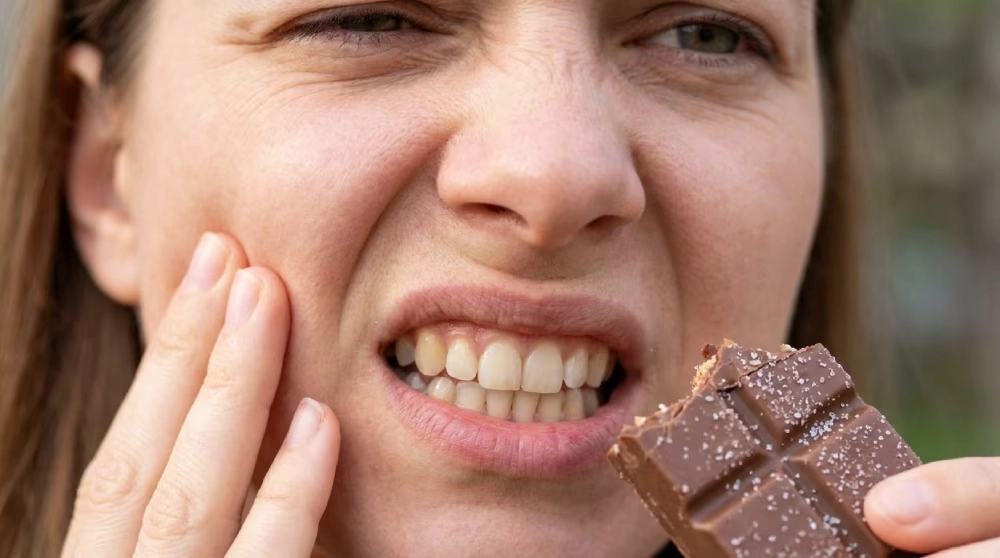
What Can You Drink Following Your Visit
Drinking is usually easier than eating after a regular cleaning. Plain water is the safest first choice because it supports saliva flow and helps rinse away loose food particles from your first meal.
Good drink choices include:
- Water, usually right away
- Room-temperature water if your mouth feels sensitive
- Warm coffee if your mouth feels fine
- Mild, non-acidic drinks later in the day
Hold off on these drinks right away:
- Soda
- Sports drinks
- Alcohol
- Acidic juices
- Very hot coffee or tea
These can irritate sensitive areas or add acid and sugar back onto clean surfaces.
Can You Smoke After Cleaning?
It is best not to smoke right after your appointment. Smoke can irritate gum tissue, affect healing, and increase staining on freshly polished surfaces.
If you had deep gum care, avoiding smoking matters even more. Your dentist can give you a more specific timeline based on your gum health.
What If Your Teeth Feel Sensitive
Some sensitivity following a dental visit is common. It may happen because tartar was removed from previously covered areas, or because your gums feel tender after plaque removal.
Use a soft toothbrush, avoid strong temperature changes, and keep meals simple for the rest of the day. If sensitivity lasts more than a few days or feels sharp, contact your dentist.
When to Call Your Dentist
Call your dentist if you have severe pain, swelling, heavy bleeding, a bad taste that does not improve, or sensitivity that keeps getting worse. Mild soreness is common. Intense or lasting symptoms deserve attention.
You should also call if you are unsure what instructions apply to your visit. A routine polish, fluoride treatment, and deep gum care can each come with different guidance.
Feel Clear About Your Next Meal
A dental visit should leave you with a clearer understanding of your mouth, not more confusion about what to do next. The right timing depends on whether you received fluoride, had a routine appointment, or needed deeper gum care.
If you want guidance that fits your schedule, comfort level, and oral health goals, Smile Lab offers teeth cleaning in Union Square for busy NYC patients. Schedule Your Visit to see what timing, prevention, and follow-up care make sense for you.