The disadvantages of deep cleaning teeth may include temporary tooth sensitivity, sore gums, minor bleeding, and possible gum recession, especially when inflammation has been hiding existing tissue changes. A deep teeth cleaning, also called scaling and root planing (SRP), can be worth it when gum disease is present, but it does come with trade-offs.
It can also take longer and cost more than a standard cleaning because the dentist or hygienist treats areas below the gumline, where hardened tartar and bacteria collect.
The main benefit is that this therapy can slow gum disease, reduce bleeding, improve bad breath, and help protect the bone and tissue that support your smile. For a fuller overview of the treatment itself, you can read Smile Lab’s guide to deep cleaning teeth.
At Smile Lab in Union Square, Manhattan, the goal is to clearly explain both the pros and cons so you understand why treatment is recommended and what to expect before scheduling deep cleaning in Manhattan.
Key Takeaways
- Periodontal therapy can cause temporary sensitivity, sore gums, minor bleeding, swelling, and possible gum recession, especially when gum disease has already affected the tissue.
- This treatment differs from a standard cleaning because it removes hardened buildup below the gumline, where home care cannot reach.
- The benefits often outweigh the drawbacks when gum disease is active because care can reduce inflammation, slow disease progression, and protect tooth support.
- Home care, rinses, and regular cleanings may support gum health, but they cannot replace clinical treatment when deep gum pockets or hardened tartar are present.
- You can ask questions, request your gum measurements, or seek a second opinion before moving forward, especially if you feel unsure about the recommendation.
What Are the Disadvantages?
The main drawbacks are usually short-term, but they can feel uncomfortable if you expected a routine visit. Cost can also be a concern, so it may help to review factors that affect the cost of deep cleaning teeth before scheduling.
- Tooth sensitivity, especially with cold drinks or brushing
- Gum soreness or tenderness for a few days
- Minor bleeding while the tissue begins to heal
- Temporary swelling around treated areas
- Possible gum recession if inflammation was hiding tissue changes
- More time in the chair than a standard visit
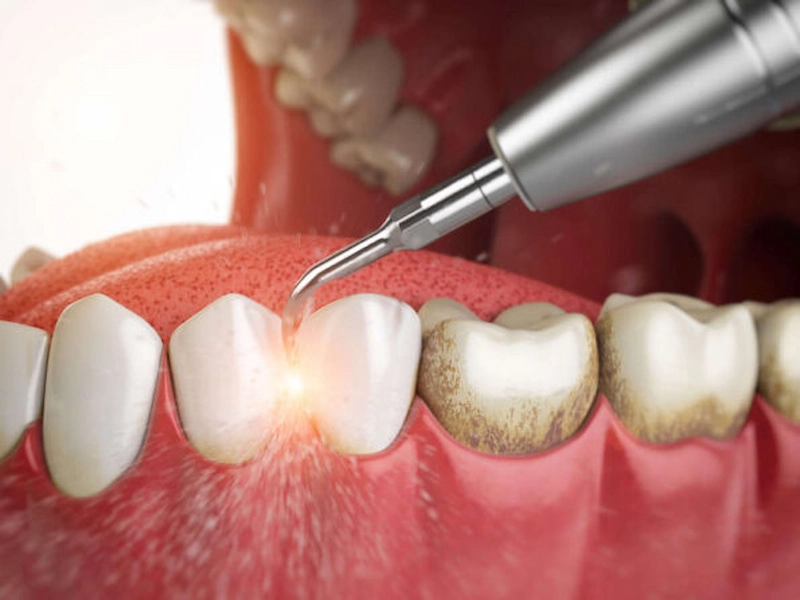
The treatment focuses on tartar below the gum line, which cannot be removed by brushing and flossing once it has hardened.
If your immune system is weakened or you have certain health conditions, your dentist may take extra precautions because irritated gum tissue can be more vulnerable during healing.
Benefits of Deep Cleaning Teeth
This treatment supports oral health by removing plaque and tartar from areas that a regular cleaning cannot reach. When gum disease is active, this therapy can reduce inflammation and help protect the teeth and gums from further damage.
Key benefits may include:
- Less gum inflammation when bacteria and buildup are removed
- Reduced gum bleeding during brushing and flossing
- Better bad breath control when odor-causing bacteria decrease
- More support for the tissue and bone that hold teeth in place
- A better chance for the gums to reattach to the teeth in areas where healing is possible
No treatment can guarantee that every pocket will fully close. Still, care below the gumline gives the tissue a better chance to recover.
Periodontal Care vs Routine Visits
A routine visit is preventive. It removes plaque, surface stains, and tartar above the gumline, and this guide explains how long a teeth cleaning takes if you want to compare visit times. This type of visit works best when your gums are healthy, your gum pockets are shallow, and there are no signs of active infection.
More involved gum therapy is used when bacteria and hardened buildup collect below the gums. Scaling and root planing remove tartar from below the gum line and smooth the root surfaces, which helps the gum tissue heal more closely around the tooth. This is usually recommended when gum pockets are deeper, gums bleed during measurements, or X-rays show early bone changes.
What Happens During Treatment?
The procedure usually starts with gum measurements and an exam. Your dentist may use low-radiation digital imaging when needed to check bone support.
The visit may include:
- Local anesthetic to numb the area
- Removal of plaque, tartar, and bacteria below the gumline
- Smoothing the root surfaces so gum tissue can heal
- Simple follow-up care instructions
Does the Procedure Hurt?
SRP should not feel sharp or intense when the area is numb. Afterward, you may feel soreness, pressure, or sensitivity for a few days.
You can usually manage discomfort with soft foods, gentle brushing, and your dental team’s aftercare instructions. Use a soft-bristle toothbrush and avoid brushing aggressively around treated areas.
Is It Worth It?
This treatment is often worth it when gum disease is present because it addresses the source of infection below the gums. The short-term side effects are usually easier to manage than the long-term risks of untreated gum disease, including recession, bone loss, and loose teeth.
Dr. Waise Ebrahimi, DDS, who trained at UCSF and practices preventative and conservative dentistry, focuses on preserving natural tooth structure whenever possible. At Smile Lab, that means recommending deeper gum care only when the clinical findings show it can help protect your long-term oral health.
Schedule Your Visit to see if Smile Lab is the right fit for you.