A professional teeth cleaning is a routine preventive treatment that removes plaque, hardened tartar, and surface stains that brushing and flossing alone cannot fully eliminate. It also gives your dentist or dental hygienist a chance to check for early signs of tooth decay, gum disease, and other oral health concerns before they become harder to treat.
At Smile Lab in Union Square, your visit is designed to help you understand what was done, why it mattered, and what to expect next.
Key Takeaways
- Professional teeth cleaning removes plaque, hardened tartar, and surface stains that brushing and flossing cannot fully remove.
- Regular visits help reduce the risk of tooth decay, bad breath, gum irritation, and early gum disease.
- A routine appointment usually includes an exam, tartar removal, polishing, flossing, and sometimes fluoride treatment or X-rays.
- Some patients need deep care, scaling and root planing, or more frequent visits when gum disease or heavy buildup is present.
- Mild tenderness or sensitivity can occur afterward, but it usually improves quickly.
What Happens During Teeth Cleaning at the Dentist
A teeth cleaning at the dentist is a preventive dental procedure that removes plaque and tartar, checks your gums, and helps keep your mouth healthy. You can learn more about how long a teeth cleaning takes if timing is a main concern.
A dental hygienist usually handles the hands-on care while the dentist reviews your oral health and checks for concerns that need treatment, which is why dental exams and teeth cleanings are usually scheduled together.
Common steps include:
- Gum and tooth check
- Scaling to remove plaque and tartar
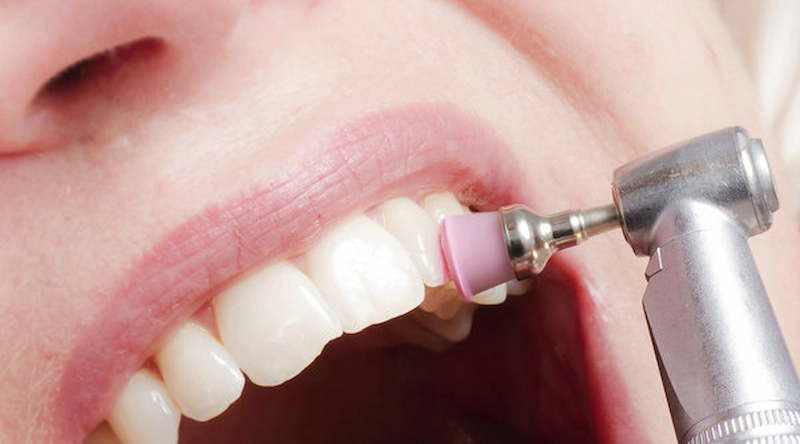
- Polishing for surface stains
- Flossing and rinsing
- Dentist review when needed
- Fluoride treatment, X-rays, or sealants when appropriate
Dental professionals use specialized tools to reach the gumline, tight spaces, and areas around older dental work. Cleanings remove plaque and tartar from your teeth in hard-to-reach areas. Your dentist may also recommend a fluoride treatment if your enamel needs extra support.
Is It Worth It?
Yes, a professional teeth cleaning is worth it for most people because regular cleanings support long-term oral health. They help lower the risk of tooth decay, gum irritation, persistent bad breath, and plaque and tartar buildup. They also give your dentist a clear baseline for your dental care.
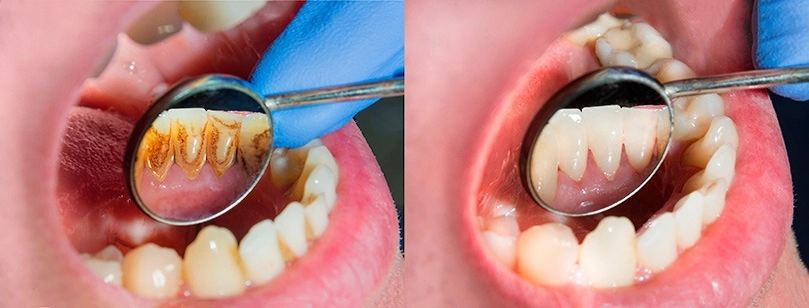
Before a visit, your smile may feel rough where tartar has hardened. Afterward, your mouth often feels smoother and fresher. The result is not the same as whitening, but removing buildup and surface stains can make your smile look cleaner. Some patients may want to learn whether teeth cleaning and whitening can be done the same day.
Does It Help Gingivitis?
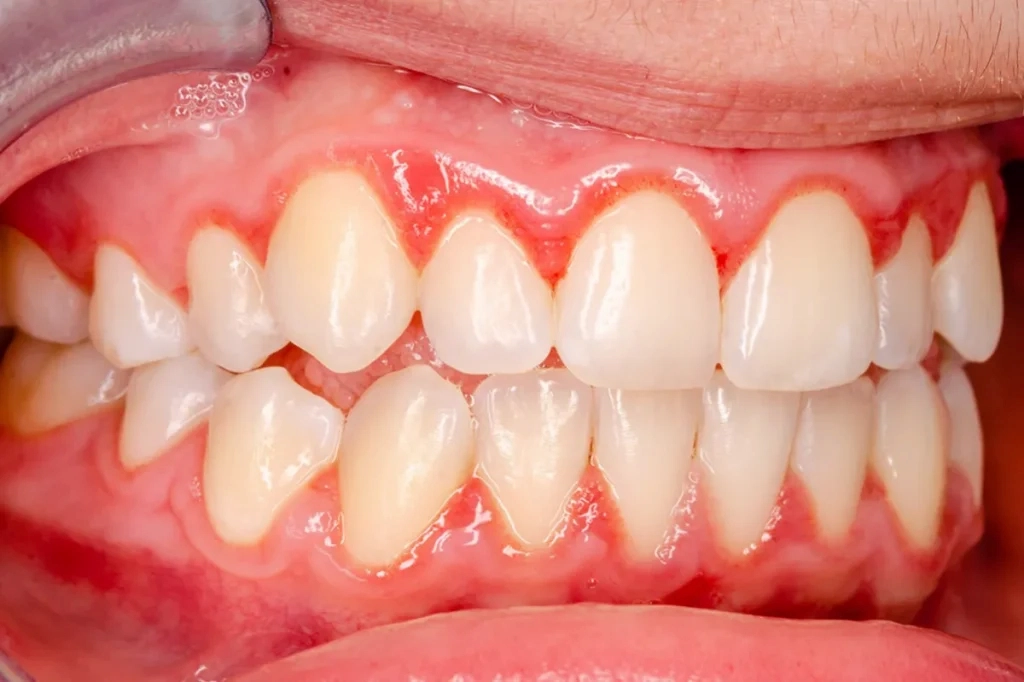
Dental cleaning can help with gingivitis when plaque is causing gum inflammation. Gingivitis often shows up as redness, swelling, or bleeding when you brush and floss. Removing buildup gives your gums a better chance to heal when you maintain consistent home care.
If buildup has moved below the gumline, a routine visit may not be enough. Your dentist may recommend scaling and root planing, a deeper gum treatment used when there are signs of gum disease, deeper pockets, or changes in bone support.
Cost, Safety, and Side Effects
Professional teeth cleaning costs can vary based on your needs, the type of visit, and whether additional care is needed. Our full breakdown of teeth cleaning rates covers routine and deep cleaning pricing in more detail.
At Smile Lab, a routine cleaning is $250 for uninsured patients and includes a full set of X-rays, cleaning, and exam. All PPO plans are accepted, and your visit may be covered depending on your plan.
Deep cleaning, also called scaling and root planing, is $1,400, including periodontal maintenance therapy (PMT). A routine visit is different from deep gum therapy, so your dentist should confirm which type of care you need after an exam. Patients who cannot pay upfront can apply for a payment plan through Cherry.
Side effects are usually mild and short-lived:
- Gum tenderness
- Light bleeding
- Temporary sensitivity
- Soreness in areas with heavier buildup
If you are worried about cleaning painful areas, tell the team before they start. You should also ask your dentist about bleeding gums, loose teeth, lasting sensitivity, mouth sores, pain when chewing, or bad breath that does not go away. These signs may point to gum disease, infection, or another issue that needs a closer look.
At-Home Kits vs In-Office Care
A professional teeth cleaning kit at home may help with daily maintenance, but it cannot replace a clinical visit. Home tools do not safely remove hardened tartar. Trying to scrape your own enamel can irritate gums or cause damage.
Your toothbrush, floss, and water flosser can remove soft plaque before it hardens. Once tartar bonds to the tooth surface, in-office care is the safer option.
How Often You Need a Visit
Most people benefit from a visit every six months. Your dentist can recommend a schedule based on your mouth, not a generic rule. This helps your care plan match your real risk.
Who Needs More Frequent Cleanings?
Some people need more frequent appointments because of gum disease, heavy tartar buildup, dry mouth, orthodontic treatment, frequent cavities, tobacco use, bleeding gums, or medical conditions that affect oral health. More frequent care can help control buildup, monitor gum changes, and catch problems earlier.