
The safest response to a painful dental problem is to act before fear takes over. Call a trusted dentist, describe your symptoms clearly, and use the 4-7-8 breathing technique: inhale for 4 seconds, hold for 7 seconds, and exhale for 8 seconds.
A practical part of learning how to handle dental emergency anxiety is setting a stop signal before treatment begins, so you know you can pause if the situation feels overwhelming.
Severe pain, swelling, bleeding, trauma, or a broken tooth should not be managed through avoidance. Prompt care can reduce dental pain, lower emotional stress, and help prevent a smaller problem from becoming more complex. At Smile Lab, anxious patients can expect clear communication, a measured pace, and comfort-focused support during urgent dental visits.
Key Takeaways
- Call a trusted dentist when you notice severe pain, swelling, bleeding, trauma, or a broken tooth. Early evaluation can reduce stress and lower the risk of a more complex dental problem.
- Use calming tools before the visit, such as controlled breathing, the 3-3-3 rule, and a written symptom list. These steps can make the next action feel more manageable.
- Tell the dental team about your fear before treatment begins. You can request clear explanations, planned breaks, a stop signal, and comfort options.
- Dental anxiety may come from past pain, embarrassment, fear of judgment, or feeling trapped in the dental chair. A supportive clinical team should address the problem without blame.
- Sedation options like nitrous oxide or conscious sedation may help some anxious patients. A dentist must determine what is appropriate based on your health history and treatment needs.
Stay Calm, Call, and Get Help
You do not need to feel calm to make a safe decision. You only need enough steadiness to contact a dental office and explain what is happening.
Slow Your Breathing First
Breathe in for four seconds and out for six seconds. Repeat this five times before calling, leaving home, or walking into the dental office.
Use the 3-3-3 Rule
Name three things you see, three sounds you hear, and three parts of your body you can move. This grounding exercise can interrupt panic and bring your attention back to the present moment.
Ask for Clear Next Steps
Say, “I am in pain, and I feel nervous about visiting the dentist. Can you explain what happens next?” This gives the team your symptom, your emotional state, and a clear starting point.

Coping With Fear and Embarrassment
Fear around dental treatment is often tied to past discomfort, cost concerns, embarrassment, or feeling out of control during dental procedures. Some people avoid dental offices for years, then feel ashamed when they finally need care.
Overcoming Fear During Dental Emergencies
Overcoming fear of the dentist during dental emergencies does not mean ignoring fear or forcing yourself through care silently. It means telling the dental team what feels difficult, asking for clear explanations, and choosing one manageable step at a time.
If You Are Scared but Need Treatment
Focus on your first appointment at Smile Lab, not the entire treatment plan. If you have experienced pain during past dental visits, mention that early so the dentist can discuss comfort options before care begins.
If You Feel Judged
Your mouth reflects a clinical condition, not a personal failure. The right team focuses on your oral health, your current symptoms, and the safest next step.
If You Need Support
Bring a friend or family member if support helps you stay grounded. Family members can sit with you, help organize your symptoms, or make the appointment feel less isolating.
What Counts as a Dental Emergency
A dental problem becomes urgent when symptoms suggest infection, trauma, severe dental pain, or risk to a tooth, and knowing what to do in a dental emergency can help you act without guessing.
Symptoms That Should Not Wait
Call promptly for severe tooth pain, facial swelling, fever, bleeding that does not stop, dental trauma, a knocked-out tooth, or trouble opening your mouth, especially if you need emergency tooth pain relief and clear next steps.
If you are unsure whether to go to the ER or call a dentist first, this guide explains whether emergency rooms have dentists and when medical care may be the safer first step.
Broken or Knocked-Out Teeth
A broken or knocked-out tooth needs quick attention. Keep a knocked-out permanent tooth moist, avoid touching the root, and contact an emergency dentist in Union Square right away.
What to Say and Expect
A clear call can replace uncertainty with a plan. Write down your symptoms before dialing if fear makes it hard to think.
What to Say When You Call
Explain where it hurts, when it started, and what changed. Mention swelling, bleeding, fever, trauma, or a broken tooth, then tell the team you feel nervous and need clear guidance.
What Happens at the Visit
Most urgent dental visits begin with a conversation, an exam, and any needed imaging. Dr. Waise Ebrahimi, DDS, leads care with a conservative approach that preserves natural tooth structure whenever possible.

How You Stay in Control
Ask the dentist to explain each step before starting. Set a hand signal before you sit back in the dental chair so you can pause if you need a break.
Can Sedation Help?
Sedation dentistry may help patients with high fear, those with longer appointments, or those undergoing certain dental procedures. Medication must be selected carefully, so your dentist needs to review your medical history, current medications, and the type of care you require.
Nitrous Oxide and Other Options
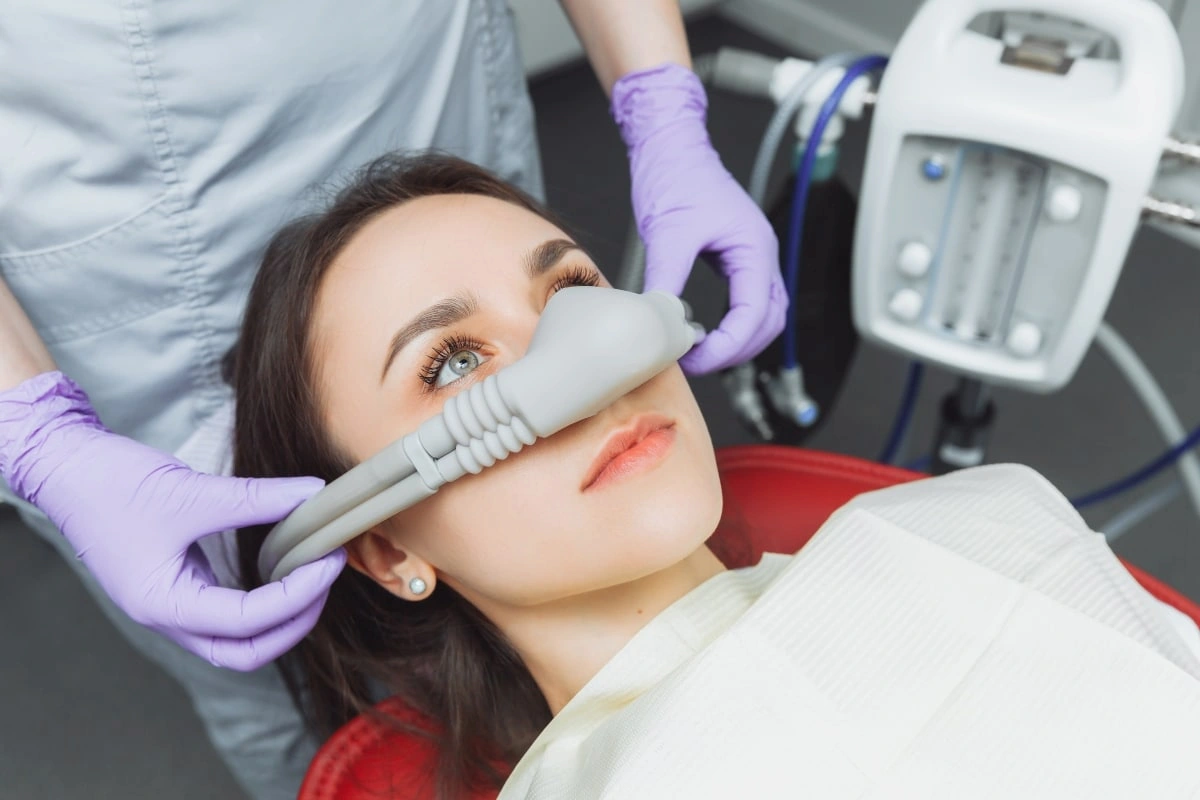
Nitrous oxide, also called laughing gas, may help some patients feel calmer while remaining awake and responsive. Conscious sedation may be considered for stronger fear or more involved care.
Why Guidance Matters
Do not take someone else’s medication before dental treatment. Comfort can also come from effective numbing, clear communication, planned breaks, and a team that does not rush the process.
Getting Emergency Help in NYC
Delaying care can create a vicious cycle of dental fear, worsening symptoms, and more stress, and the risks of delaying emergency dental treatment tend to grow the longer symptoms go unaddressed. Seeing a dentist regularly can help interrupt that pattern because problems are often identified earlier, before they become larger health problems.
A Calmer Visit to Smile Lab
Smile Lab offers a modern dental experience in Union Square for NYC patients who want clear answers and care that feels organized, respectful, and calm. For urgent concerns, the team can help you understand what needs attention, what can be handled first, and which comfort options may fit your situation.
See if Smile Lab is the right fit for you.