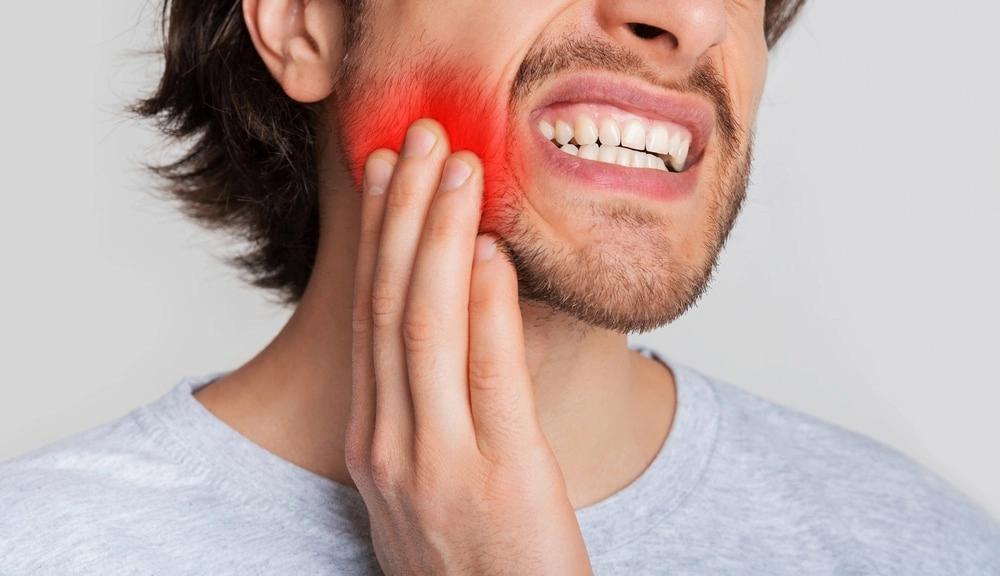
For short-term emergency tooth pain relief, rinse gently with warm salt water, try applying a cold compress to your cheek for 15 to 20 minutes, and consider over-the-counter pain relievers if they are safe for you. These steps may reduce pain and swelling, but they do not treat the cause.
Get urgent dental care if you have facial swelling, fever, severe or worsening discomfort, trauma, pus, trouble opening your mouth, or trouble breathing or swallowing. These symptoms can point to infection, dental abscesses, or more serious damage.
At Smile Lab in Union Square, Manhattan, patients can receive a thorough evaluation and learn whether the affected tooth needs a filling, a crown, same-day root canal treatment, extraction, or another treatment.
Key Takeaways
- Warm salt water rinses, gentle flossing, cold compresses, and OTC pain relievers may help reduce dental discomfort in the short term, but they do not treat the cause.
- Facial swelling, fever, severe pain, trauma, pus, or trouble breathing or swallowing are red flags that need urgent care.
- Children need age-appropriate care and prompt dental attention if symptoms are accompanied by swelling, fever, trauma, or difficulty opening the mouth.
- The ER can help with serious symptoms, pain control, or infection risks, but a dentist still needs to treat the affected tooth.
- A dental exam can identify whether the issue is due to decay, a cracked tooth, gum disease, a lost filling, or an infection.
Emergency Toothache Relief at Home
Home care can help for a short time. Start by rinsing with warm water, then gently check around the affected area for trapped food.
Saltwater Rinse and Gentle Flossing
Mix salt water with warm water and swish gently. Spit it out and do not swallow it.
Floss carefully around the sore tooth. If food is stuck near the gumline, removing it may lower pressure and irritation.

Cold Compress and Head Elevation
Cold can narrow blood vessels, which may help reduce inflammation and swelling. Keep your head elevated when resting, as lying flat can make the throbbing feel stronger.
Home Remedies for Nerve Pain
Nerve-related dental pain may feel sharp, deep, or electric. A cold compress, saltwater rinse, and avoiding hot or cold foods may help briefly.
A small amount of clove oil may numb the area for some adults. If using it, apply it carefully with a cotton ball and avoid swallowing it.
When Symptoms Need Urgent Care
Some signs mean you should not wait. Swelling, fever, trauma, or trouble breathing or swallowing need prompt attention.
Severe Pain, Swelling, or Fever
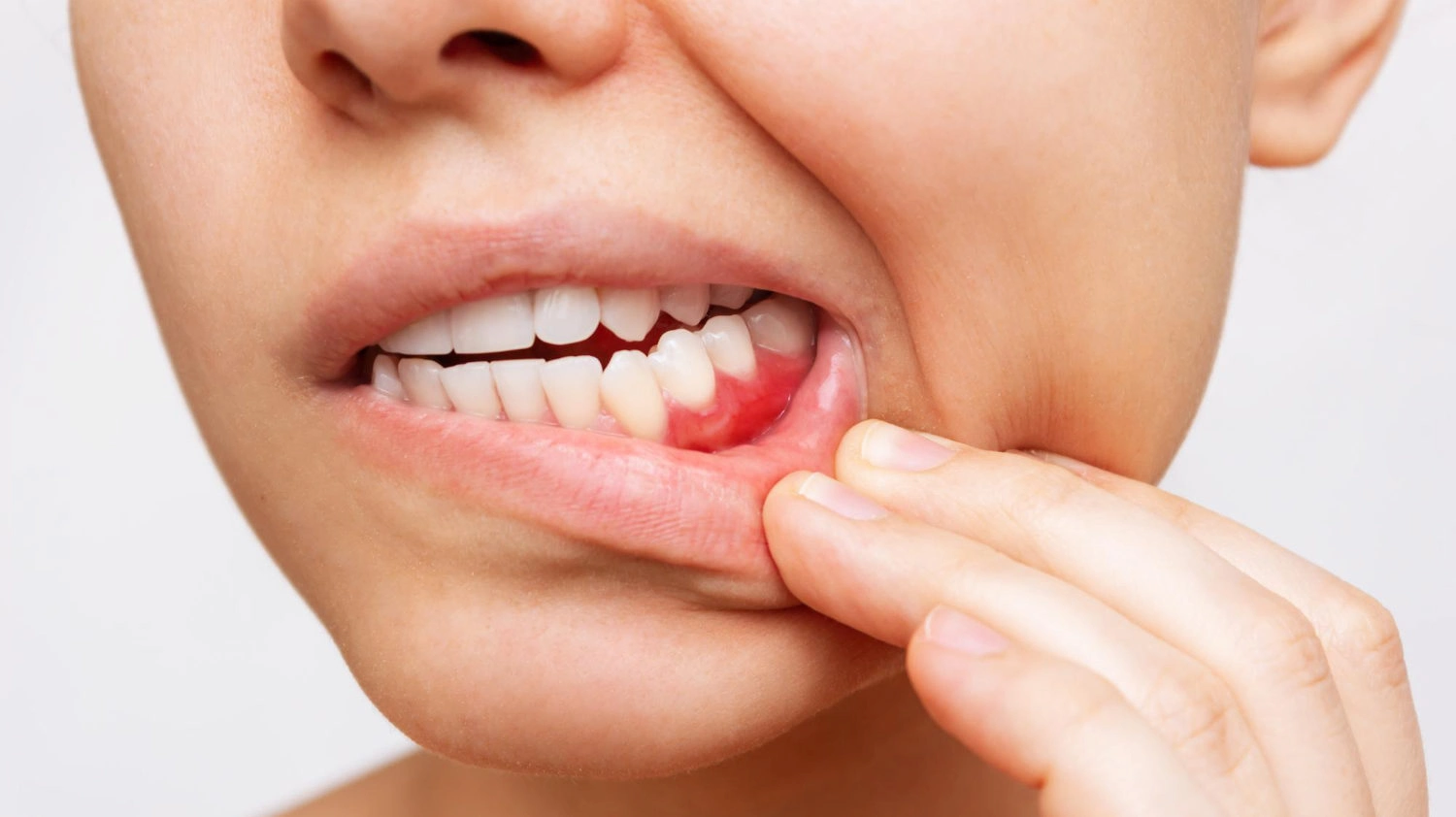
Severe pain can happen with deep decay, infection, a cracked tooth, or exposed nerve tissue. Swelling in the face, jaw, or gums, including swelling around a single tooth, may indicate infection.
Fever, bad taste in the mouth, pus, or swollen lymph nodes can also occur with dental abscesses. These signs need prompt care.
Trauma or Broken Teeth
A fall, sports injury, or accident can damage the tooth root even if the tooth still looks partly intact. If trauma caused the ache, use a cold compress and seek dental care quickly.
Trouble Breathing or Swallowing
Trouble breathing, swallowing, speaking, opening the mouth, or swelling near the eye can signal a spreading infection. These symptoms need emergency medical care.
Emergency Tooth Pain Relief Medicine
Medicine can help control symptoms, but it should not replace diagnosis. Follow the label and avoid doubling doses.
OTC Pain Relievers
Ibuprofen and acetaminophen may help with pain and inflammation when used as directed. Avoid ibuprofen if you have certain stomach, kidney, heart, bleeding, or pregnancy-related concerns unless a clinician says it is safe.
The 3-3-3 Rule for Toothache
The 3-3-3 rule usually means taking three ibuprofen tablets, three times daily, for three days. Do not follow it unless it matches the product label and your health history.
Numbing Gels and Drops
Numbing gels may help the surface tissue around a tooth. Use only a small amount as directed, and do not use adult numbing products for young children unless approved by a dentist or pediatrician.
Temporary Tooth Pain Relief for Kids
Children need extra caution because dosing and signs of infection differ from those in adults. Use a cold compress on the outside of the cheek, and use only the children’s medication according to the age- and weight-based directions.
Call a dentist quickly if your child has facial swelling, fever, trauma, uncontrolled discomfort, or trouble opening the mouth.
What Not to Do
- Do not place aspirin on the gums, as it can burn the soft tissue.
- Avoid very hot, cold, sweet, or acidic foods because they can trigger nerve sensitivity.
- Avoid rinsing with hydrogen peroxide unless a dentist tells you how to dilute and use it.
- Do not swallow hydrogen peroxide or use it too strongly, as it can irritate tissue.
How Dentists Treat the Cause
A dentist looks for the source, not just the symptom. In Union Square, Dr. Waise Ebrahimi uses a conservative approach focused on preserving natural tooth structure whenever possible.
A dental exam checks the teeth, gums, bite, and signs of infection, especially if you feel pain when biting down. Low-radiation digital imaging may help identify decay, cracks, bone changes, or abscesses that are not visible.
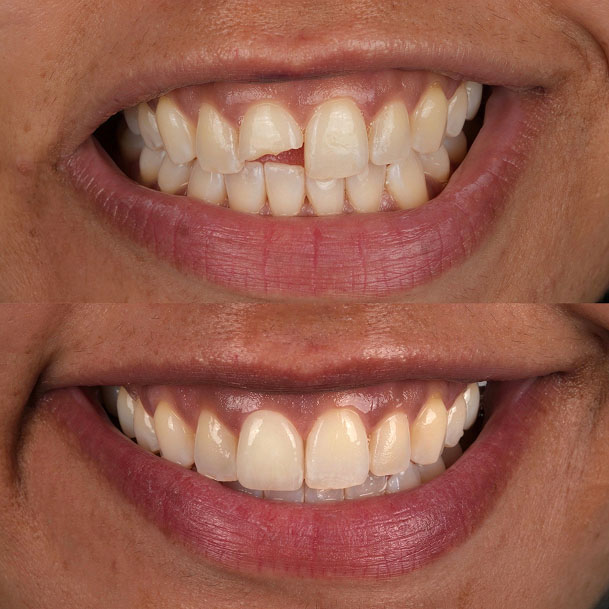
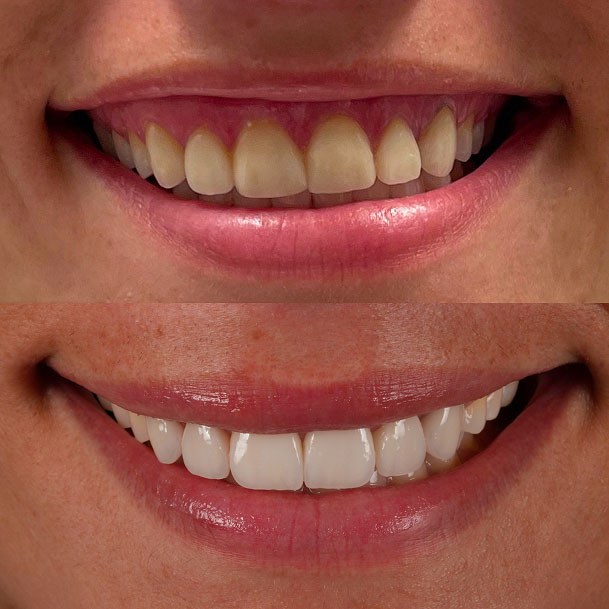
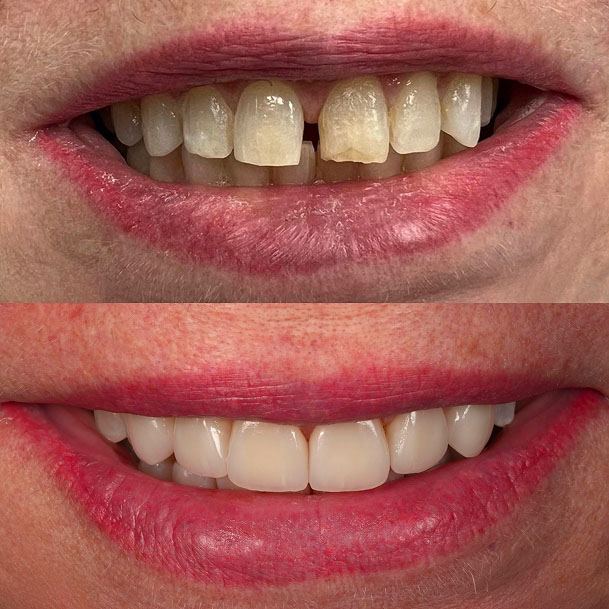
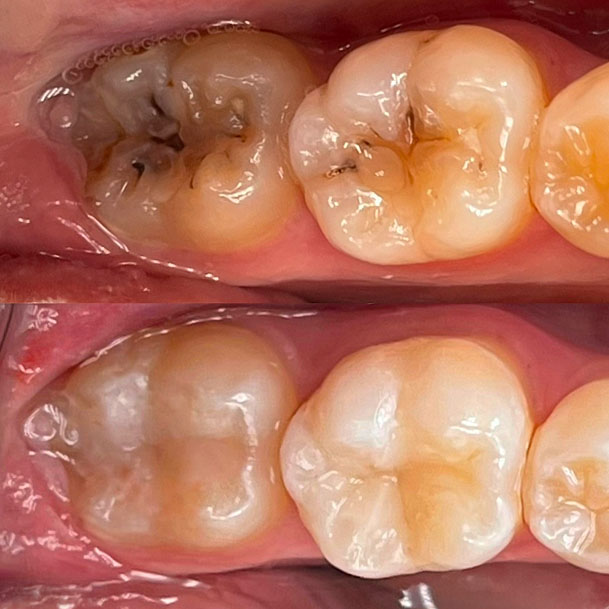
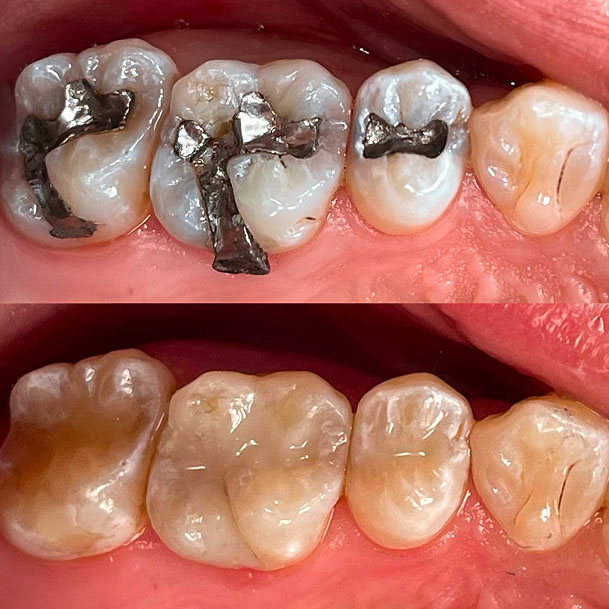
Treatment may include a filling, a crown, a bonding repair, a root canal, or an extraction. The right option depends on the source and severity of the problem.
When to Book a Dental Visit
Home care can buy time, but it should not become the plan. If discomfort lasts more than a day or two, keeps returning, affects sleep, or comes with swelling, book an evaluation with an emergency dentist in Manhattan, NYC.
If you want clear answers without feeling rushed, Schedule Your Visit and see if Smile Lab is the right fit for you.