Stay calm, protect the injured area, and call a dentist right away. The safest answer to “what to do in a dental emergency?” is to control bleeding, reduce swelling with a cold compress, avoid chewing on the affected side, and seek professional guidance as soon as possible.
Go to the ER if you have heavy, uncontrolled bleeding, severe facial swelling that affects breathing or swallowing, or signs of broken facial bones.
If you are experiencing a dental emergency, a dentist is usually the right first call for tooth pain, a cracked tooth, broken teeth, swelling, a lost filling, or a knocked-out tooth.
Smile Lab in Union Square can help you understand whether you need same-day dental emergency care in Manhattan, short-term pain control, or follow-up treatment to protect your oral health. You can also keep questions about dental insurance plans and the cost of emergency dental care separate from the urgent decision to get evaluated.
Key Takeaways
- Call a dentist right away for tooth pain, broken teeth, lost fillings, swelling, or mouth injuries.
- Go to the ER if you have trouble breathing, trouble swallowing, facial trauma, uncontrolled bleeding, or swelling that spreads toward the jaw, neck, or eye.
- For urgent tooth pain, rinse gently, floss carefully, use a cold compress, and avoid chewing on the affected side.
- A knocked-out, loose, cracked, or abscessed tooth needs prompt care because timing can affect treatment options.
- Avoid home repairs like super glue, aspirin on the gums, or trying to drain swelling yourself.
What to Do First
Call a Dentist
Call a dentist first if the problem seems limited to the teeth, gums, lips, tongue, or inside of the mouth.
This includes:
- Tooth pain
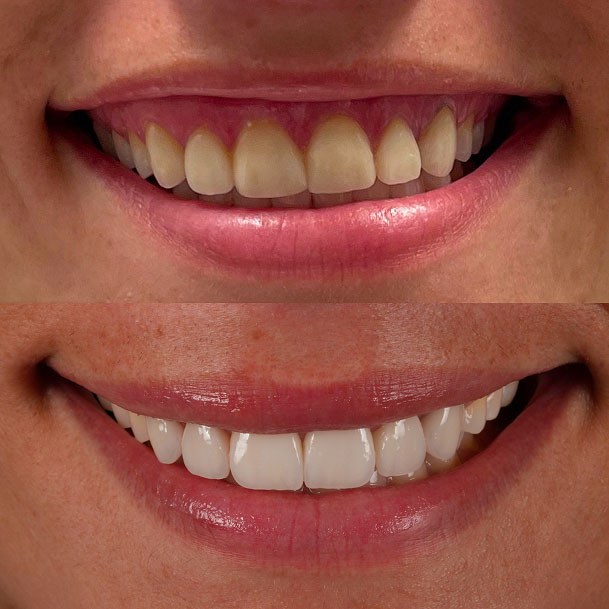
- Broken restorations
- Loose crowns
- Swelling around a tooth
- Mouth injuries without severe bleeding
A dentist can help you decide whether you need emergency care now or if the issue can wait until the next available visit. This guide to choosing the right dentist in NYC can help you compare providers.
Go to the ER if symptoms involve breathing, swallowing, facial trauma, or uncontrolled bleeding.
Control Pain and Swelling
For tooth pain, rinse your mouth with warm water, then gently floss to remove any trapped food. Use a cold compress on the outside of your cheek if swelling is present. Take over-the-counter pain medicine only as directed, and do not apply aspirin directly to the gums, as there are safer ways to ease tooth pain until you are seen.

Common Dental Emergencies
Dental Emergency Examples
Some dental problems feel minor at first but can become serious when infection, trauma, or deep decay is involved, so it helps to recognize the warning signs of a dental emergency early. These include:
- Severe tooth pain
- A knocked-out tooth
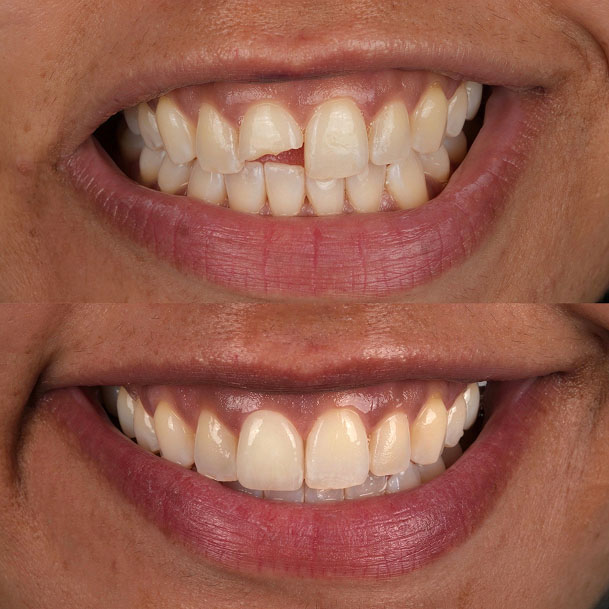
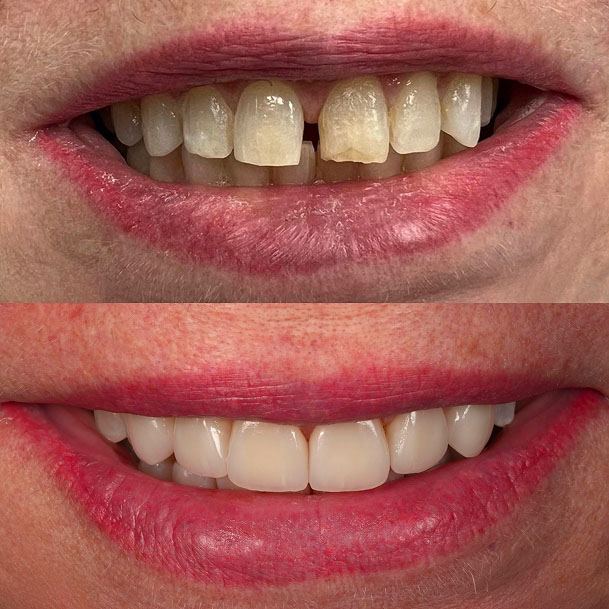
- A cracked tooth
- Swelling around the tooth, gums, jaw, or face
- Bleeding that will not stop
- Injuries to the lips, gums, tongue, or jaw
- A tooth that feels sharp, loose, or exposed
Call a dentist if pain increases, swelling develops, bleeding continues, or the tooth feels unstable.
Knocked-Out or Loose Tooth
Hold a knocked-out tooth by the crown, not the root. If possible, place it back in the socket without forcing it, or keep it moist in milk, saliva, or an approved tooth-saving solution. A loose or partially dislodged tooth also needs prompt care, so avoid chewing on that side and do not keep touching it.
Abscess, Swelling, or Bleeding
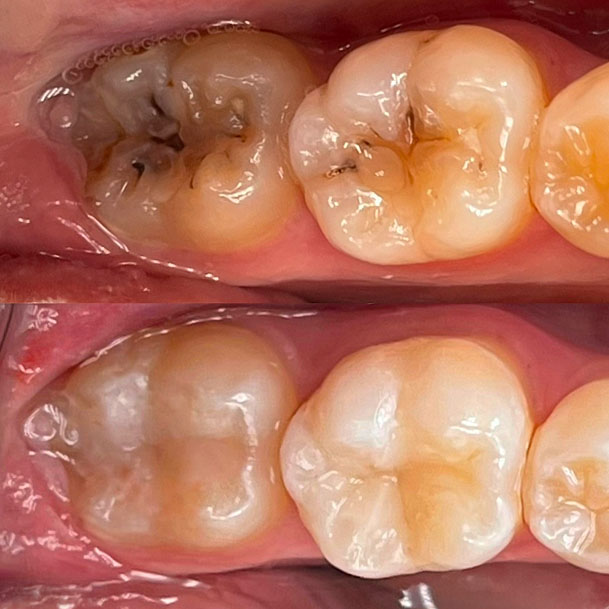
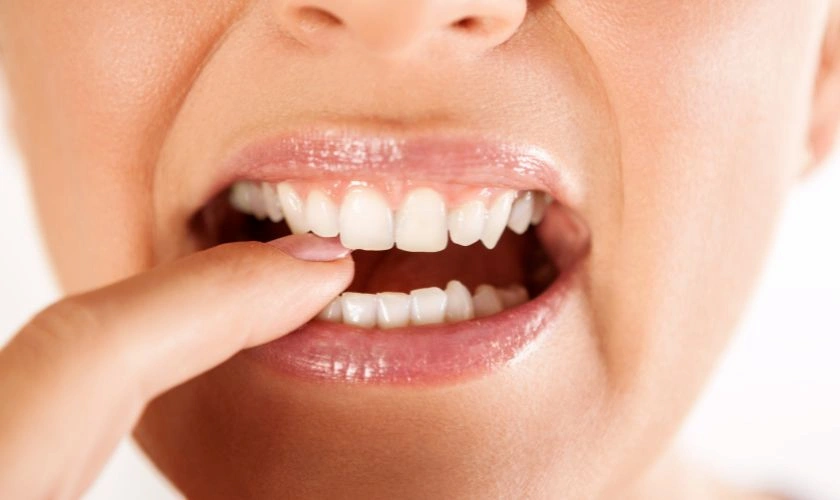
An abscess can cause pressure, fever, facial swelling, swollen gums, throbbing pain, or a bad taste in the mouth. It may be related to infection, deep decay, or gum disease, so do not try to drain the swelling at home. For cuts on the lip, cheek, tongue, or gums, apply steady pressure with clean gauze and seek care if bleeding does not slow.
Dentist vs. Emergency Room
When to Choose Each
Call a dentist for tooth pain, lost fillings, broken teeth, crowns, swelling near a tooth, or mouth injuries, and review when to seek immediate dental care in NYC if symptoms are worsening.
Go to the ER for trouble breathing, trouble swallowing, a suspected broken jaw, facial trauma, or bleeding that will not stop. The ER may stabilize pain, swelling, or infection, but a dentist is usually needed for repair, root canal therapy, extraction, or bite-related treatment.
What Not to Do
Avoid Home Repairs
Do not use super glue on teeth or crowns, as it can damage surrounding tissue and make repairs more difficult. Do not put aspirin on the gums, as it can irritate or burn the soft tissue. Do not ignore swelling, especially if it spreads toward the face, jaw, neck, eye, or throat.
How to Prevent Dental Emergencies
Protect Your Teeth
Urgent dental problems often happen because of trauma, decay, old restorations, hard foods, or gum disease. They can also happen while playing sports, grinding at night, or using teeth to open packages. Wearing a mouthguard during sports or at night while grinding can help protect teeth from sudden impacts, cracks, and chips.
Mouthguards, routine exams, and early treatment help protect your oral health and lower the risk of needing emergency dental services. Avoid chewing ice, hard candy, pens, or packages because these habits can damage natural teeth, fillings, and crowns. Small preventive steps can reduce the chance of pain, swelling, or urgent visits later.
Emergency Dental Care in Manhattan
What to Expect at Smile Lab
At Smile Lab, Dr. Waise Ebrahimi takes a conservative approach, focusing on identifying the cause of pain while preserving natural tooth structure whenever possible. If you need urgent care in Manhattan, the goal is to understand what is happening, relieve discomfort, and clearly explain the next step. When pain, swelling, bleeding, or tooth damage affects your day, schedule a visit at our Union Square office.