How Long Does a Cavity Filling Take?
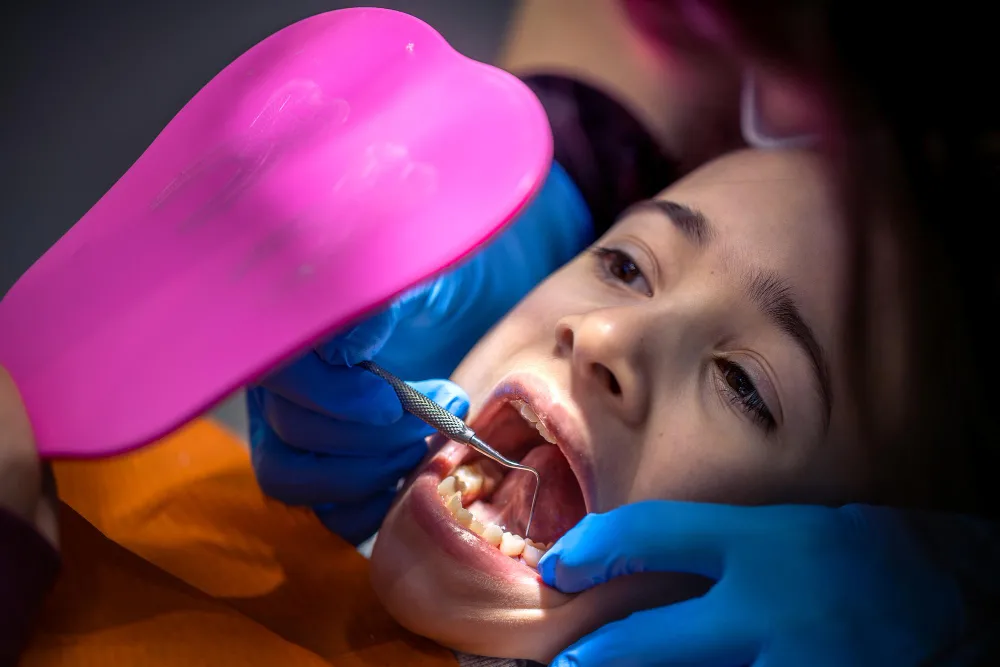
A cavity filling usually takes about 20 to 60 minutes for one tooth, depending on the cavity’s size, depth, and location. Filling time can also vary based on the filling material, how long numbing takes, and whether multiple surfaces of the tooth need treatment.
Small cavities may take about 20 to 30 minutes, while deeper or more complex fillings can take closer to an hour. If you need several fillings, your appointment may take longer because each additional tooth adds more treatment time.
This Is What Happens When You Don’t Brush Your Teeth
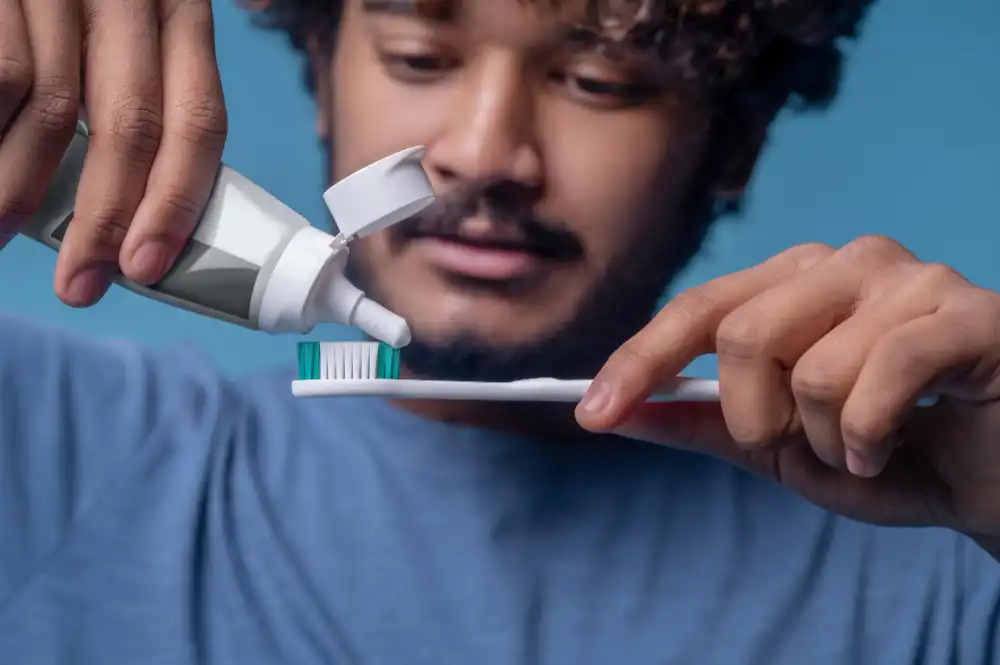
Not brushing your teeth allows plaque, bacteria, and food debris to build up quickly, increasing the risk of bad breath, cavities, and gum inflammation. This is what happens when you don’t brush your teeth: plaque begins forming within hours, and if you don’t remove it, it can harden into tartar that brushing alone cannot remove.
Over time, bacterial acids can damage enamel, while persistent gum inflammation can progress from gingivitis to periodontitis and eventually contribute to loose teeth or tooth loss.
How Long Does It Take to Remineralize Teeth?

Tooth remineralization can begin within a few minutes after an acid attack ends, once saliva raises the pH around the enamel above the critical level of about 5.5. Studies have found tooth-surface pH can recover above this level in roughly 2–5 minutes, allowing calcium and phosphate from saliva to begin redepositing into weakened enamel.
How Is Periodontal Disease Treated? A Complete Guide to Healthier Gums

Medically reviewed by Dr. Waise Ebrahimi, DDS, DDS on 09/09/2026.
Periodontal disease treatment ranges from professional deep cleaning and antibiotics in the early stages to laser therapy, flap surgery, and bone or tissue grafting for advanced cases. The right approach depends on how far the infection has progressed, and early intervention can often reverse the damage completely.
Deep Teeth Cleaning Cost: A Complete Patient Guide

Deep teeth cleaning, also called scaling and root planing, typically costs about $150 to $450 per quadrant, or roughly $600 to $1,800 for a full mouth without insurance. At Smile Lab in Manhattan, deep teeth cleaning costs $1,400 and includes periodontal maintenance treatment. Your final price can vary based on how many quadrants need treatment, the severity of gum disease, whether you need local anesthesia or additional periodontal care, and your insurance coverage.
Many dental plans cover part of scaling and root planing when it is medically necessary, but your out-of-pocket cost depends on your deductible, coinsurance, and annual maximum. Some practices charge extra for periodontal maintenance after treatment, while Smile Lab includes it in the $1,400 fee.
How to Choose the Right Dentist in NYC

Finding the appropriate dentist in New York City may seem daunting at first, with all the different practices, specialties, and opinions online to consider. With some research though, you’re sure to find one who meets all your needs and makes you feel secure about receiving care. Here Are A Few Key Criteria When Searching For […]
Does Sugar Cause Cavities? The Truth Behind Tooth Decay

Sugar contributes to cavities, but it does not directly damage teeth on its own. The sugar-and-cavities truth is that bacteria in dental plaque feed on sugars and other fermentable carbohydrates, producing acids that remove minerals from enamel and can eventually create cavities. Frequent snacking and sugary drinks increase risk because they expose teeth to repeated acid attacks, while saliva needs time between meals to neutralize acids and support remineralization.
Starchy foods such as crackers, chips, and bread can also break down into sugars and contribute to this process. Your overall cavity risk also depends on fluoride exposure, saliva flow, oral hygiene, diet, and how often your teeth are exposed to fermentable carbohydrates.
What Are Dental Implants: How They Work, Cost, and Benefits
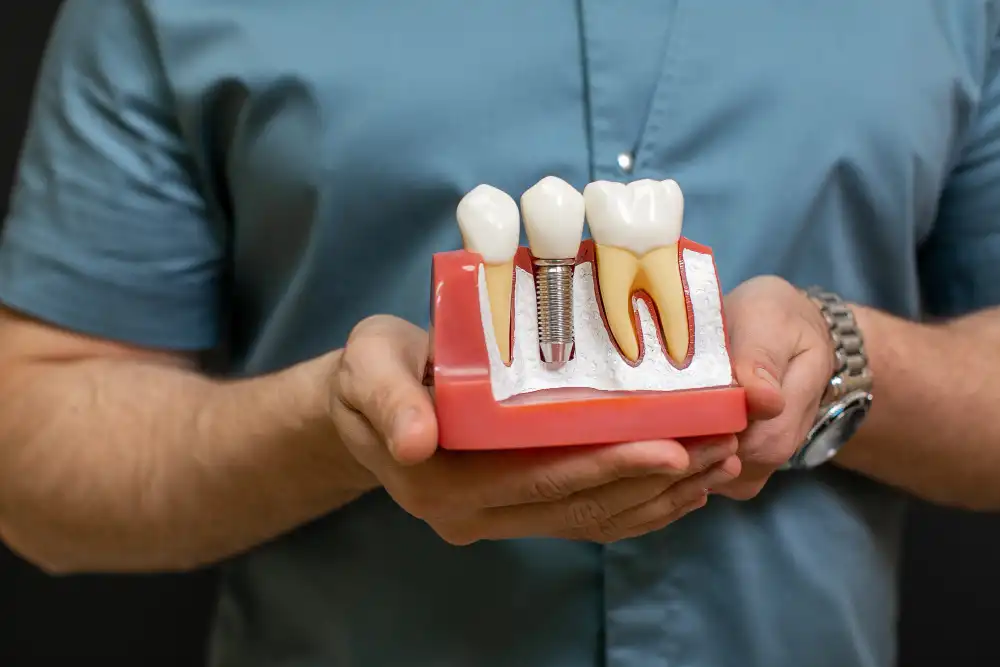
A dental implant is a small titanium or zirconia post that replaces the root of a missing tooth and is anchored directly into the jawbone, rather than resting against the gum line as other replacements do. Once that post fuses with the bone, a connector called an abutment attaches to it, and a crown, the […]
Teeth Bonding: What You Need to Know
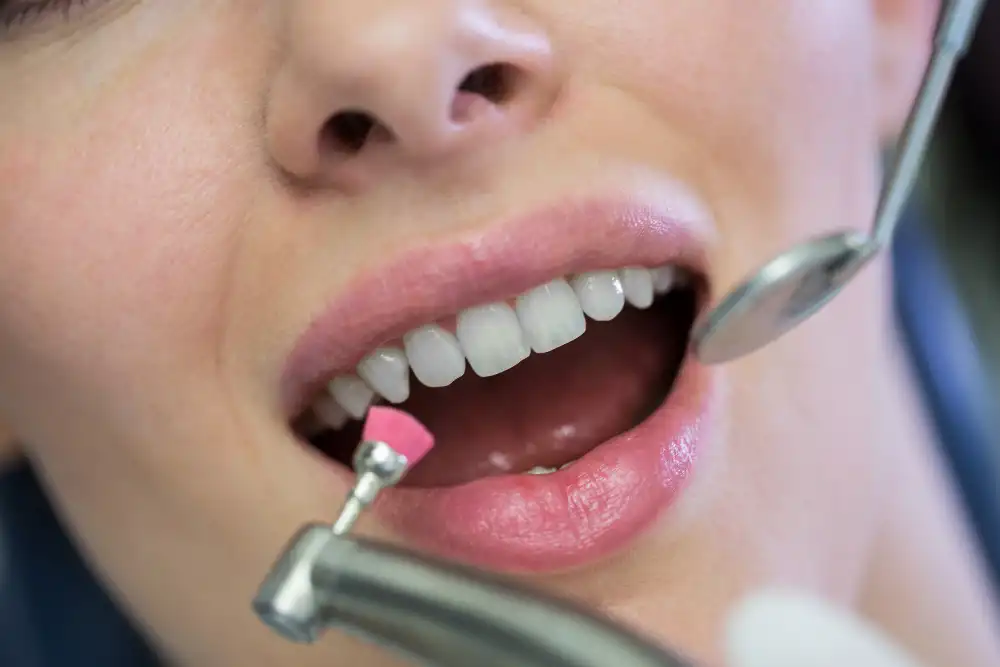
Dental bonding can help you eliminate broken, damaged or discolored teeth without invasive procedures. This cosmetic procedure provides an affordable, quick, and non-surgical treatment to those looking for a solution to restore their smile. But what is the process before and after teeth bonding? What are its benefits, how much does it cost, and how can […]
How Dentists Repair Cracked Teeth: Treatments, Options, and What to Expect

Cracked tooth repair depends on one thing: how deep the break runs. A surface line in the enamel often needs only smoothing. A break through the chewing surface usually calls for bonding, an onlay, or a crown. Once the split reaches the pulp, endodontic therapy comes into play, and a fracture running below the gum line usually means removal and replacement.