
What happens during a root canal? step by step guide
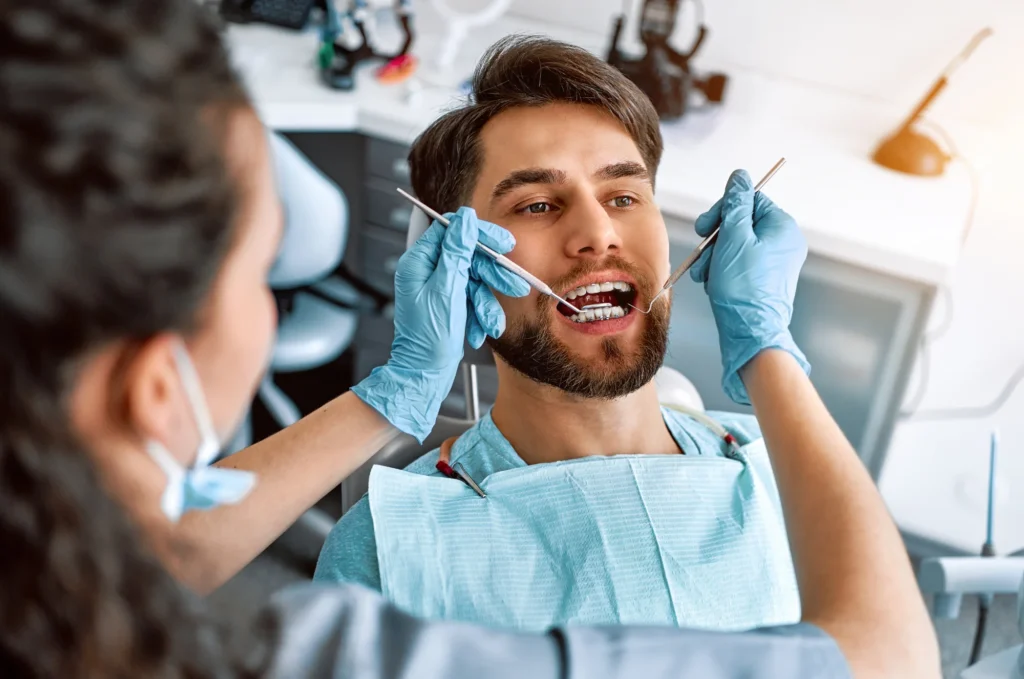
The tooth root canal process usually takes one to two appointments, each lasting around 90 minutes, though the exact number depends on how deep the infection has spread. During the first visit, the dentist numbs the tooth, opens a small access point, and removes the infected pulp from inside the tooth and its roots. If […]
Is Teeth Whitening Safe? Everything You Should Know

A quick search for teeth whitening shows warnings about enamel damage and chemical burns. It also promises a much brighter smile after one visit. Somewhere between the fear and the marketing sits the real answer, and it’s more straightforward than either extreme makes it sound. Once you know what happens inside your enamel during treatment, […]
Modern Dental Technology and Patient Comfort Explained

Modern equipment makes a visit easier in four practical ways: imaging that needs less exposure and no bulky film, scanners that replace impression trays, gentler numbing, and sedation for people whose fear runs deeper than ordinary nerves. None of it replaces a careful clinician. It does change how the appointment feels. Sounds, sensations, and not […]
Swollen Gum Around One Tooth: Top Causes and Effective Treatments

A swollen gum around one tooth is usually caused by a localized problem such as trapped food, plaque or tartar buildup, gum irritation, a cracked tooth, or a dental abscess. A swollen gum around one tooth may improve if you gently floss the area, rinse with warm salt water, and avoid pressing or picking at the swollen tissue. If the swelling is caused by infection, decay, or a crack, you will need dental treatment to address the source rather than just the swelling.
See a dentist if the swelling lasts more than a couple of days, keeps returning, or comes with pain, pus, a bad taste, or tenderness when biting. Seek prompt care if you develop fever, severe pain, or swelling that spreads into the jaw or face.
Teething Rash in Babies: Causes & Treatment Tips from a Top New York Pediatric Dentist

A teething rash, also called drool rash, usually develops when excess saliva stays on a baby’s skin and irritates the mouth, chin, cheeks, or neck. The main causes of teething rash in babies are frequent drooling, prolonged moisture, and friction from wiping, bibs, pacifiers, or clothing. Treatment focuses on keeping the skin clean and dry, gently patting away drool, changing wet bibs or clothes, washing with a mild fragrance-free cleanser, and applying a thin layer of petroleum jelly or another protective barrier ointment.
Avoid rubbing the area or using fragranced skin products that may increase irritation. If the rash becomes severely inflamed, starts oozing, spreads, or does not improve with home treatment, have your pediatrician or pediatric dentist evaluate it.
What Foods To Avoid After a Tooth Extraction & What to Eat

After a tooth extraction, avoid hard, crunchy, sticky, spicy, acidic, and very hot foods for at least the first 24 to 72 hours. Foods to avoid after tooth extraction include chips, nachos, nuts, popcorn, seeds, crusty bread, chewy candy, ketchup and other acidic sauces, pickles, and anything that can break into small pieces and enter the socket.
Tooth Extraction Healing Time: What to Expect and How to Recover
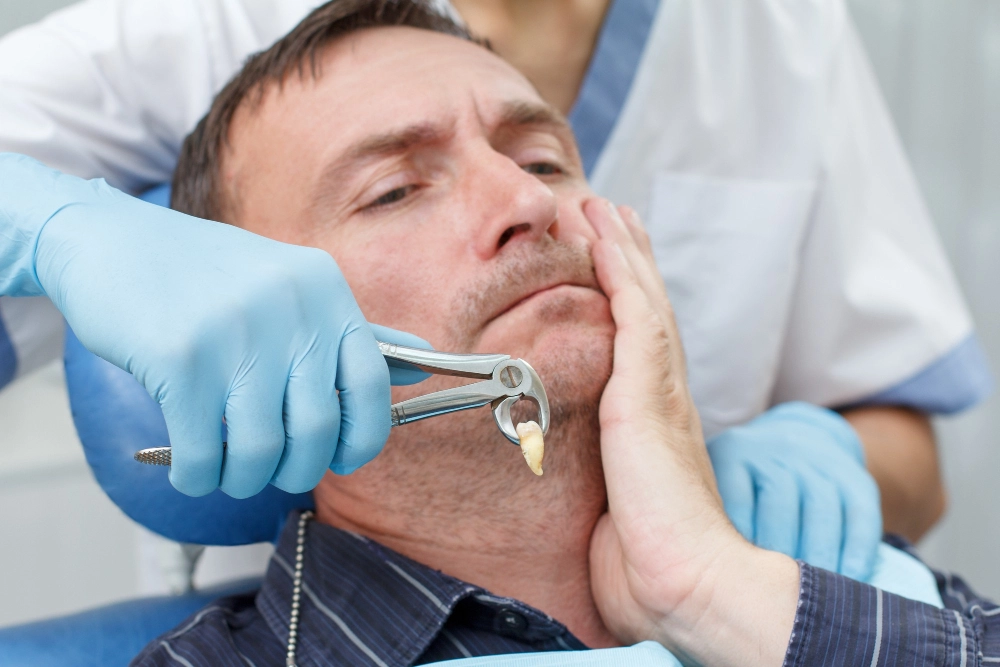
Most people feel significantly better within 7 to 10 days after a tooth extraction, while the gum tissue may take about 1 to 2 weeks to close and the bone underneath can take several months to fully heal. Tooth extraction healing time varies based on the type of extraction, the tooth removed, your overall health, and how well you protect the blood clot during the first few days. Swelling often peaks around days 2 to 3, then gradually improves as new tissue forms over the socket.
To support healing, avoid smoking, straws, forceful spitting, and hard foods that could disturb the clot, and choose soft foods during the first few days. After 24 hours, gentle warm salt-water rinses can help keep the area clean while healing continues.
What is a Bone Graft for Teeth
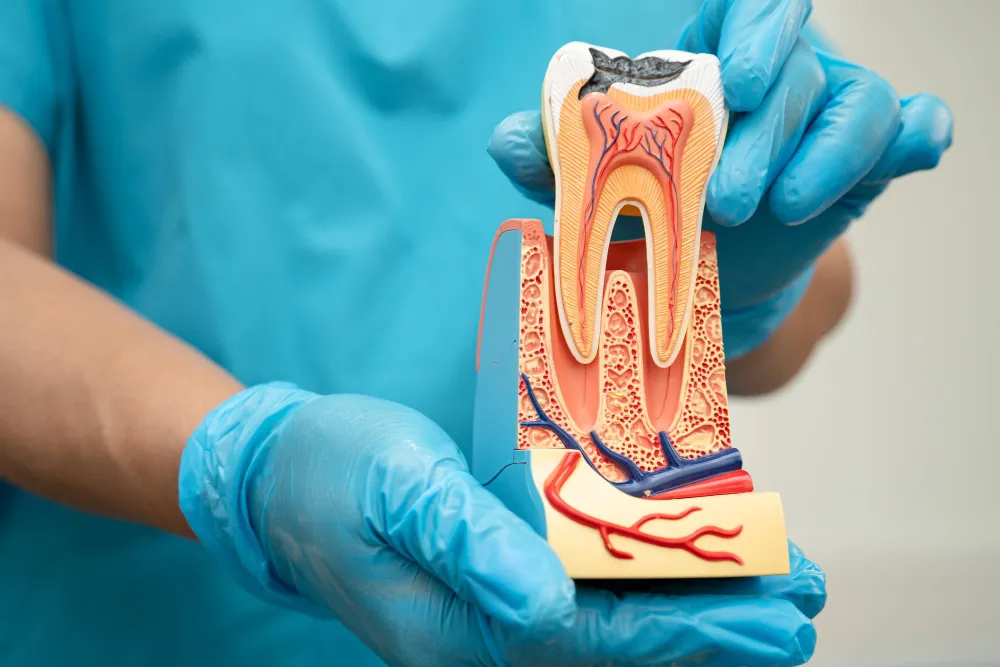
Each year, dentists perform over 2.2 million bone grafts worldwide, showing how safe and effective the procedure is. If you’ve lost bone due to tooth extraction, gum disease, or injury, a bone graft can restore strength to your jaw and prepare it for dental implants. This guide explains what a dental bone graft is, the types available, […]
Can You Eat After a Filling? A Complete Guide to Post-Filling Care

Yes, you can eat after a dental filling, but it is best to wait until the numbness from local anesthesia has fully worn off so you do not bite your cheek, lip, or tongue. The right approach depends on the material used: composite fillings harden immediately with a curing light, while amalgam fillings may need up to 24 hours before you chew hard foods on that side. For the first several hours, choose soft foods and avoid sticky, crunchy, very hot, or very cold foods if the tooth feels sensitive.
Chew on the opposite side if the filled tooth feels tender, and avoid nuts, ice, hard candy, caramel, and gum until the area feels comfortable. If your bite feels uneven or pain continues or worsens after a few days, contact your dentist for an evaluation.
Can Wisdom Teeth Grow Back After They’ve Been Removed?

No, wisdom teeth cannot grow back after they have been completely removed, because an extracted adult tooth and its roots do not regenerate. If you are wondering whether wisdom teeth can grow back after removal, a hard spot in the area is more likely to be a small bone fragment, retained root fragment, healing tissue, or, rarely, an extra supernumerary tooth. These issues can sometimes feel like a new wisdom tooth is emerging even though the original tooth is gone.
If you notice a hard bump, pain, swelling, or something sharp coming through the gum after extraction, a dentist can examine the area and use an X-ray if needed to identify the cause. Treatment depends on whether the area is healing normally or whether a fragment or extra tooth needs attention.