
Dental Implants vs Veneers: Differences, Costs, and Options
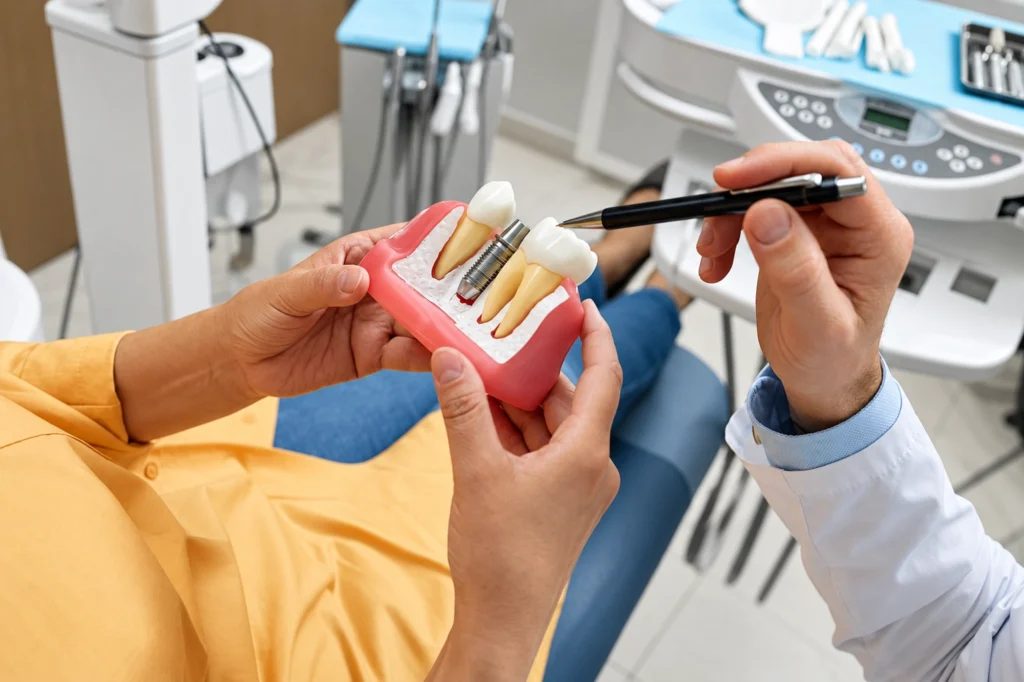
Veneers improve the color, shape, spacing, or surface of existing teeth, while implants replace missing teeth from the root up with a surgically placed post and final crown. In a dental implants vs veneers comparison, veneers usually involve limited enamel removal and little recovery, while implant treatment requires oral surgery and several months of healing.
At Smile Lab, the implant body costs $2,650, the abutment and crown cost $3,300, a porcelain veneer costs $2,323 per tooth, and a resin veneer costs $950 per tooth.
Porcelain veneers often last around 10-15 years, while the implant itself can last for decades with good oral hygiene and routine care, although the attached crown may eventually need replacement.
Delta Dental Implant Coverage in New York: What to Expect
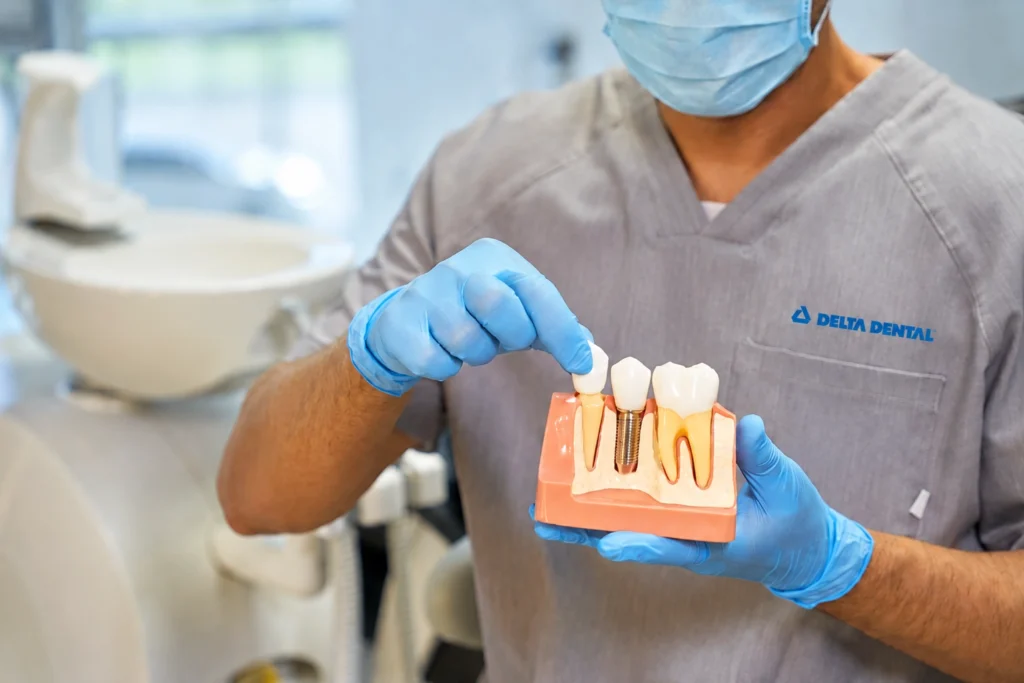
Your plan may help cover tooth replacement, but the amount depends on your specific benefits. Annual maximums, waiting periods, deductibles, network status, and the individual procedures involved can all affect what you ultimately pay. Delta Dental implant coverage in New York can also cover placement, the abutment, the crown, extraction, and bone grafting as separate services.
What Is a PPO Dentist and How PPO Dental Plans Work

A PPO dentist is a dental provider who participates in a Preferred Provider Organization network and agrees with an insurance company to accept pre-negotiated fees for covered services. If you are researching what a PPO dentist is, the key point is that choosing an in-network provider can lower your out-of-pocket costs while most plans still allow care outside the network.
Dental PPO plans combine this provider flexibility with deductibles, coinsurance, annual maximums, and different coverage levels.
Holistic Dentist in NYC With MetLife Coverage Options
Finding a holistic dentist in NYC with MetLife means looking for whole-person care while checking how your plan works. Smile Lab accepts MetLife PPO plans for general dental care, subject to verification of your exact plan and treating provider. Specialist participation may vary and must be confirmed separately.
Cleaning Dental Implants: Home Routine and Warning Signs
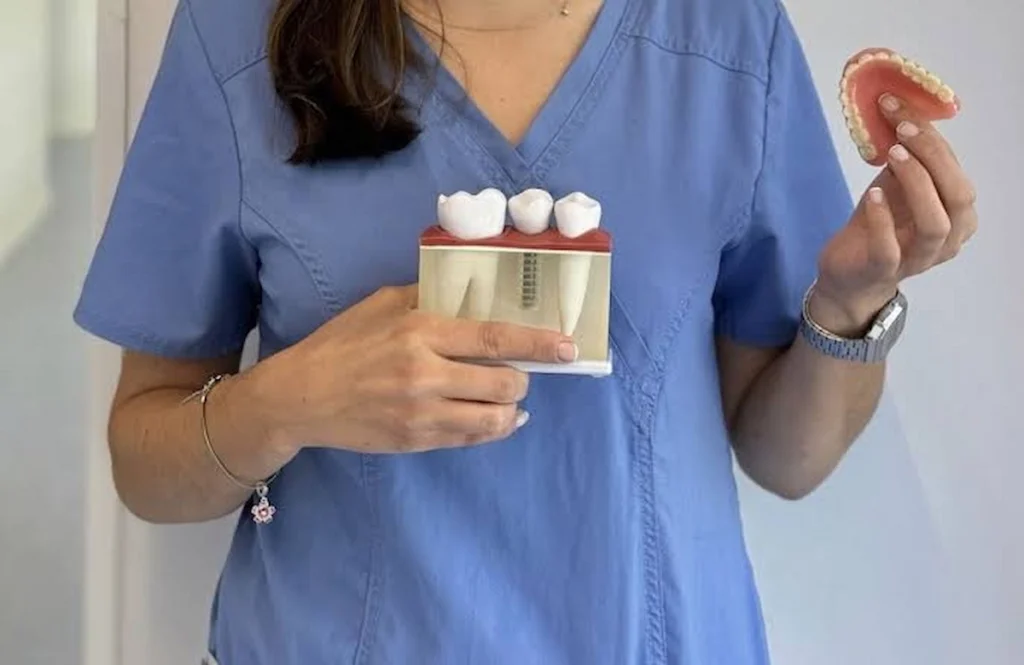
Plaque can collect around crowns, bridges, and the gumline, so daily care should include brushing twice with a soft-bristled brush and cleaning tight spaces each day with implant floss, an interdental brush, or a water flosser. Use gentle pressure and low-abrasion, non-whitening toothpaste, since abrasive formulas may damage some restorations. The best approach depends on whether you have a single crown, fixed bridge, full arch, or removable denture.
Teeth Cleaning Every 6 Months: Is It Really Necessary?

A twice-yearly schedule works well for many people, but it is not necessary for everyone. Teeth cleaning every 6 months removes hardened tartar and helps control gum inflammation, while the accompanying dental exam may detect cavities and other oral health problems early. The right interval depends on your gum health, history of cavities, dry mouth, smoking, home care, and how quickly buildup returns.
Cleaning Your Teeth with Soap: Risks and Better Options
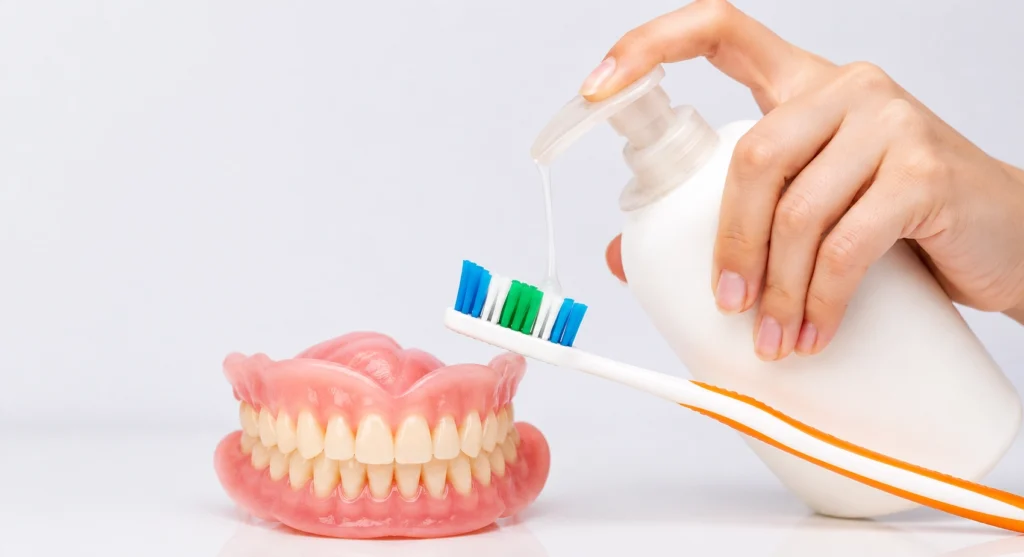
Cleaning your teeth with soap is not recommended for routine oral care. Brushing may remove some plaque in an emergency, but hand, bar, and dish soaps lack fluoride and may contain detergents, fragrances, or foaming ingredients that irritate the gums, mouth, throat, or stomach if swallowed. Fluoride toothpaste remains the better daily choice because it helps prevent cavities and strengthen weakened enamel.
Cleaning Your Teeth with Coconut Oil: Does It Work?

Cleaning your teeth with coconut oil may loosen debris, reduce some plaque, and temporarily improve bad breath, but the evidence remains limited.
The method, known as oil pulling, usually involves swishing about a tablespoon around the mouth for 15 to 20 minutes before spitting it out. Small studies report lower levels of cavity-related bacteria such as Streptococcus mutans, though systematic reviews find mixed, low-certainty results.
Cleaning Your Teeth with Braces: Steps, Tools, and Tips
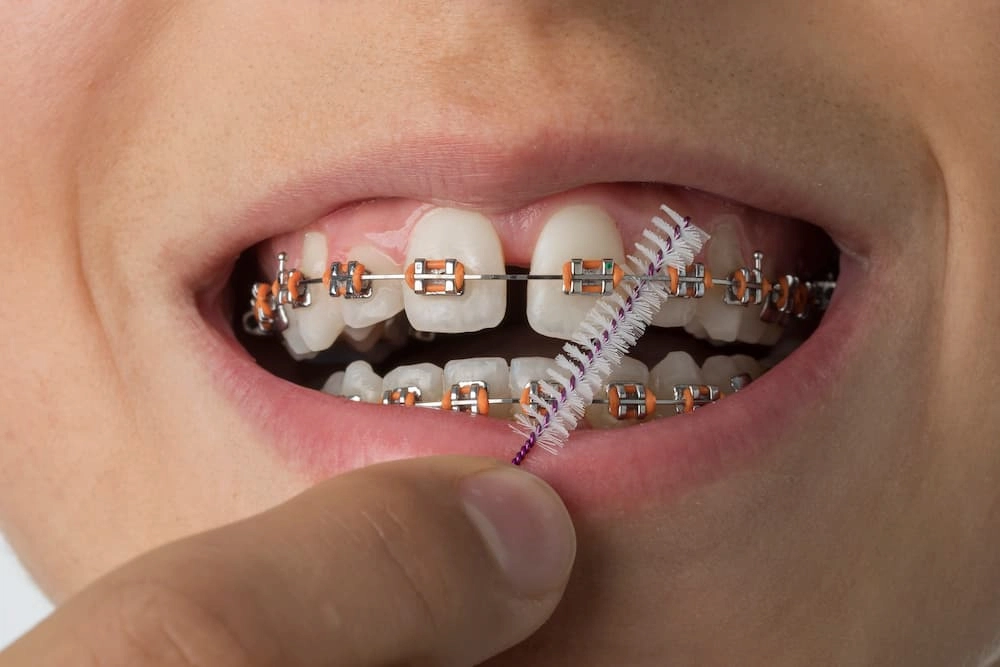
Brush with a soft-bristled toothbrush and fluoride toothpaste at least twice a day and after meals when practical. Hold the brush at a 45-degree angle toward the gumline, then clean the area above, below, and directly over each bracket with short, gentle strokes. Floss beneath the wires once a day with a floss threader, and use an interdental brush to clean around brackets and other areas the toothbrush cannot reach.
Types of Teeth Cleanings Explained for Better Oral Health
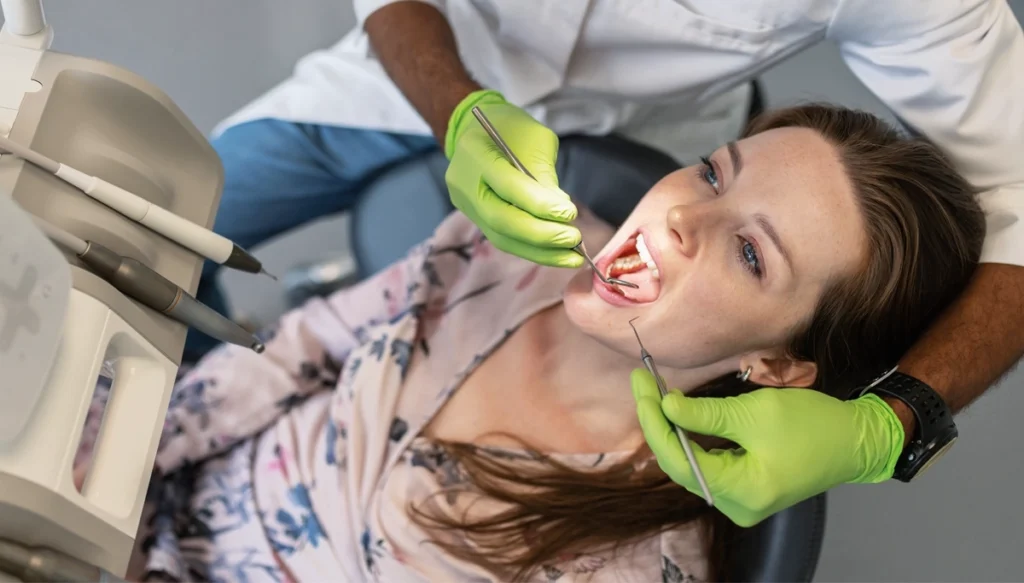
The right procedure depends on your gum health, treatment history, and the amount of plaque and tartar present. The four main types of teeth cleanings are prophylaxis for healthy mouths, gross debridement for heavy buildup that may block a full exam, scaling and root planing for gum disease below the gumline, and periodontal maintenance after gum disease treatment.
A prophylaxis removes routine buildup above the gums, while scaling and root planing also smooths the tooth roots to support healing. Periodontal maintenance helps control bacteria and reduce the risk of the disease returning.