
What Foods To Avoid After a Tooth Extraction & What to Eat
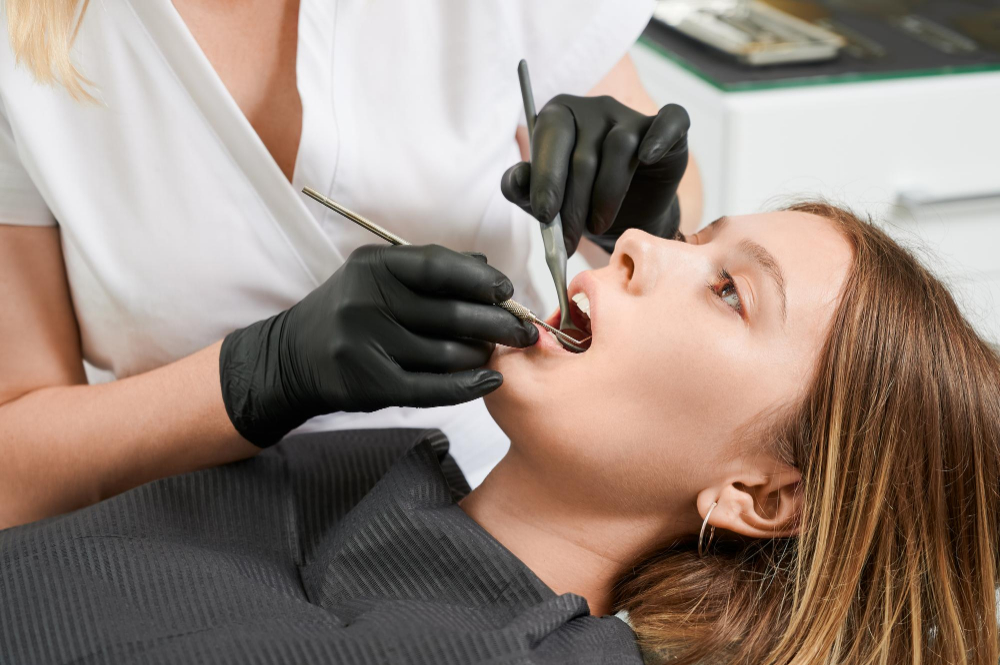
After a tooth extraction, avoid hard, crunchy, sticky, spicy, acidic, and very hot foods for at least the first 24 to 72 hours. Foods to avoid after tooth extraction include chips, nachos, nuts, popcorn, seeds, crusty bread, chewy candy, ketchup and other acidic sauces, pickles, and anything that can break into small pieces and enter the socket.
What to Eat After a Root Canal: Recovery Tips & What to Avoid
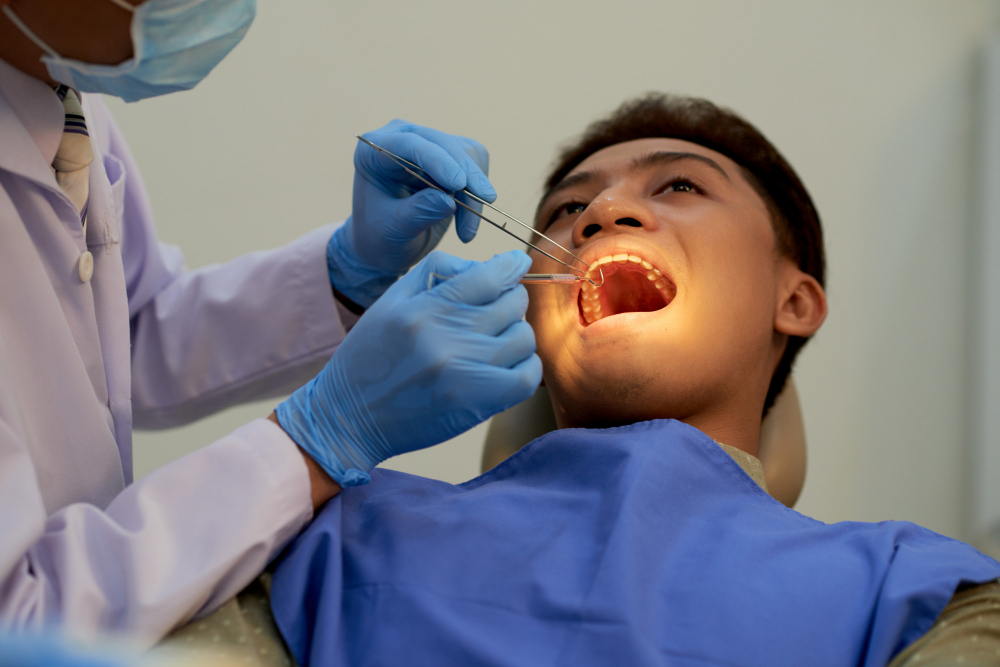
After a root canal, wait until the numbness has fully worn off before eating to avoid accidentally biting your cheek, lip, or tongue. What to eat after a root canal includes soft foods such as yogurt, scrambled eggs, mashed potatoes, oatmeal, soft pasta, rice, bananas, avocado, fish, and lukewarm soup. Avoid hard, crunchy, sticky, very hot, very cold, spicy, or acidic foods if the tooth feels sensitive, and chew on the opposite side until your dentist says the treated tooth is ready for normal use.
If you have a temporary filling or crown, avoid chewing hard or sticky foods on that tooth because the restoration can loosen or fracture. You can gradually return to your normal diet as tenderness improves and after the tooth receives its final restoration when one is required.
Dental Implant Recovery Timeline and Healing Stages
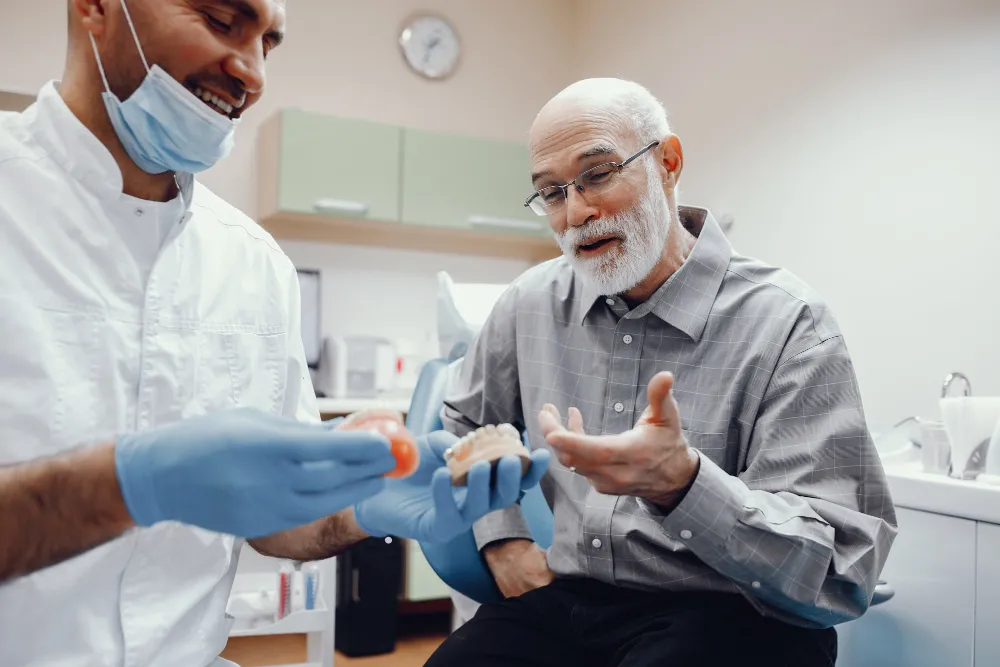
Dental implant recovery can feel uncertain when you are planning meals, work, sleep, and daily activities after surgery. Knowing what is normal, what can slow healing, and which symptoms need care can make things easier. This guide explains the process so you can protect the implant and prepare with realistic expectations. Key Takeaways Most people return […]
Tooth Extraction Healing Time: What to Expect and How to Recover
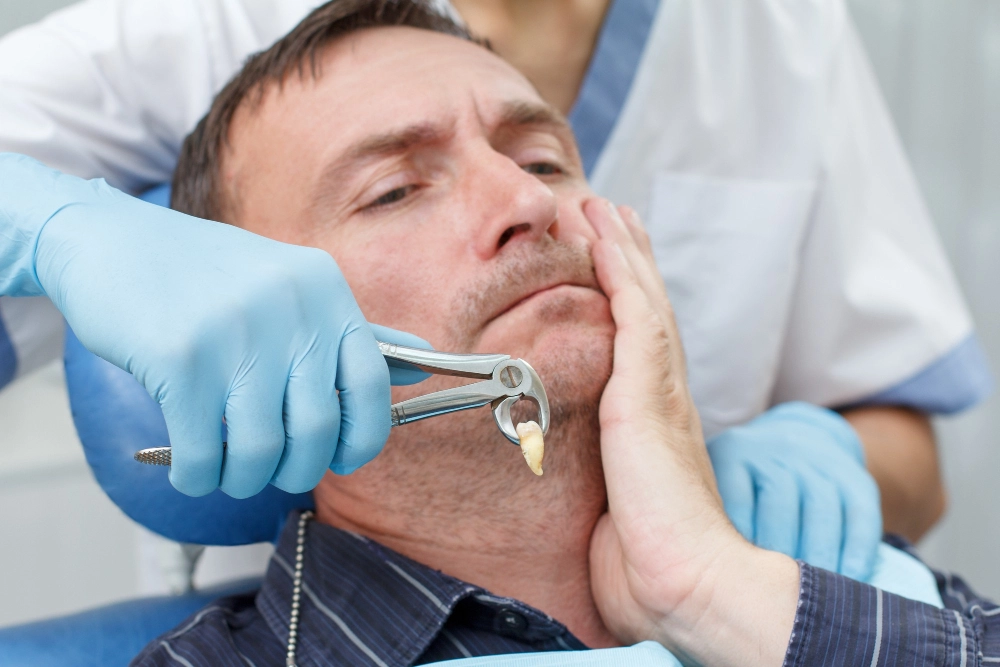
Most people feel significantly better within 7 to 10 days after a tooth extraction, while the gum tissue may take about 1 to 2 weeks to close and the bone underneath can take several months to fully heal. Tooth extraction healing time varies based on the type of extraction, the tooth removed, your overall health, and how well you protect the blood clot during the first few days. Swelling often peaks around days 2 to 3, then gradually improves as new tissue forms over the socket.
To support healing, avoid smoking, straws, forceful spitting, and hard foods that could disturb the clot, and choose soft foods during the first few days. After 24 hours, gentle warm salt-water rinses can help keep the area clean while healing continues.
What is a Bone Graft for Teeth
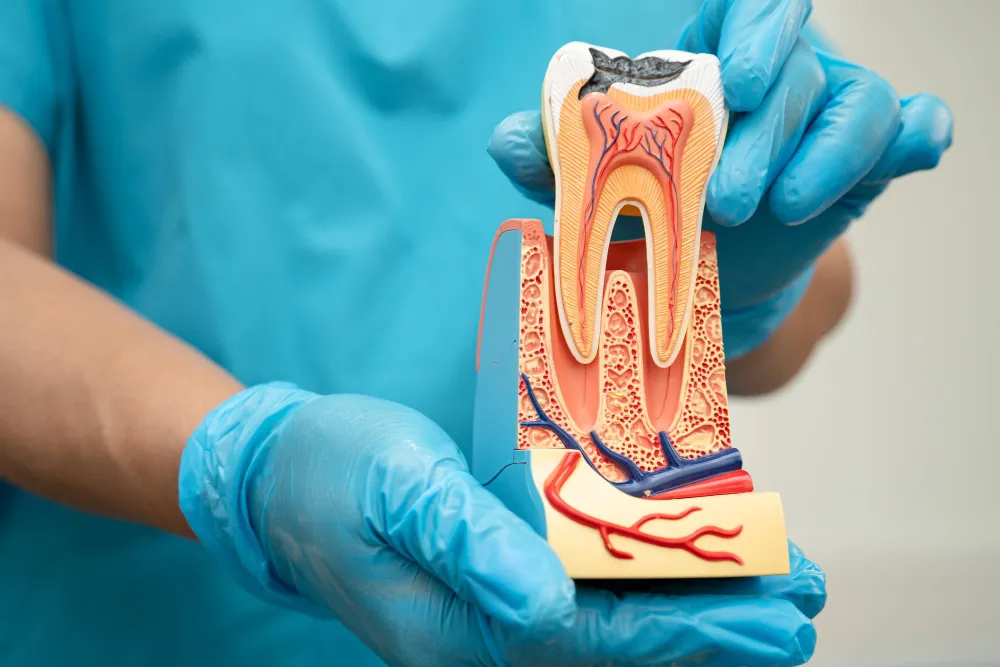
Each year, dentists perform over 2.2 million bone grafts worldwide, showing how safe and effective the procedure is. If you’ve lost bone due to tooth extraction, gum disease, or injury, a bone graft can restore strength to your jaw and prepare it for dental implants. This guide explains what a dental bone graft is, the types available, […]
Do Apples Clean Your Teeth?
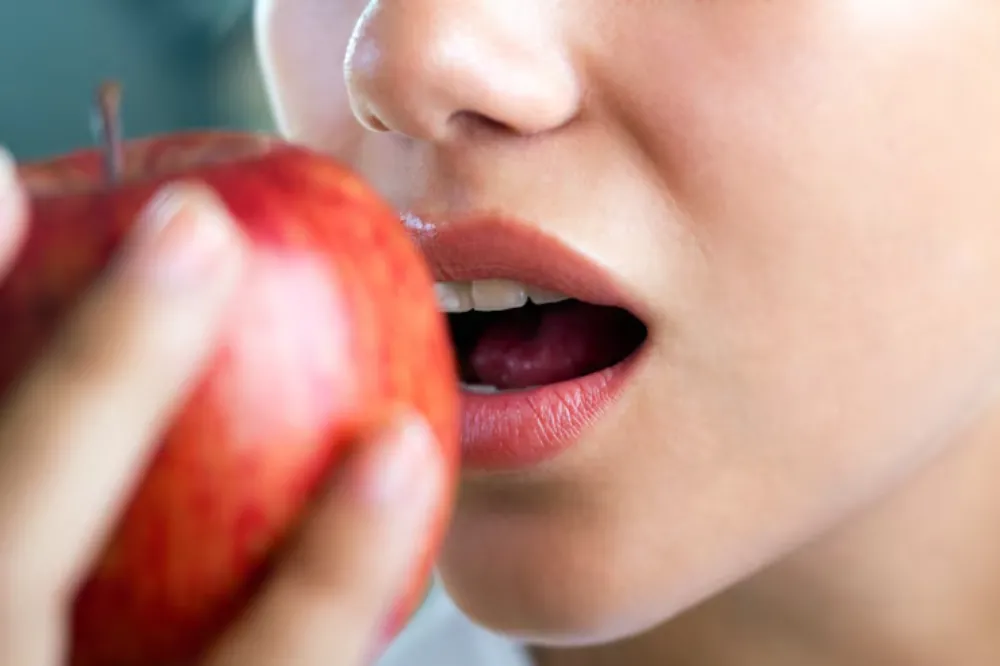
No, apples don’t clean your teeth in any meaningful way, and they don’t replace brushing or flossing. If you’re wondering, chewing an apple raises saliva flow, helps wash away loose food particles, and leaves your mouth feeling fresher. That firm texture can dislodge some debris, but it cannot remove plaque the way a toothbrush does.
Why Are My Teeth Yellow When I Brush Them Every Day
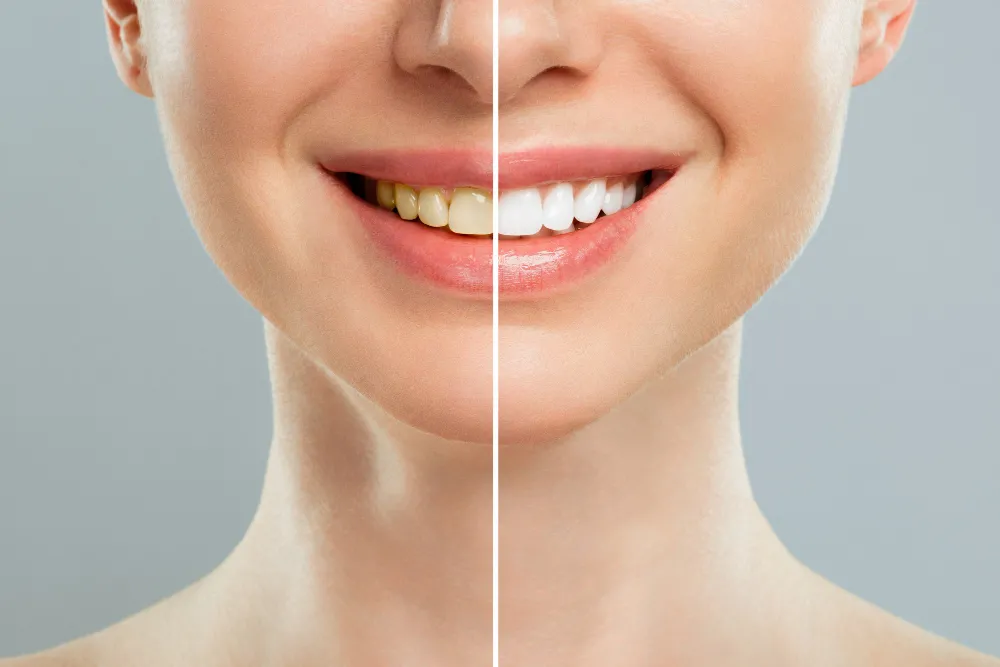
Why Are My Teeth Yellow When I Brush Them Every Day Here is the short answer. A toothbrush only cleans the outer surface of your enamel. When the discoloration sits underneath that surface, no amount of scrubbing will reach it. So if you brush every day and your smile still looks dull, you are probably not […]
Does Sugar Cause Cavities? The Truth Behind Tooth Decay

Sugar contributes to cavities, but it does not directly damage teeth on its own. The sugar and cavities truth is that bacteria in dental plaque feed on sugars and other fermentable carbohydrates, producing acids that remove minerals from enamel and can eventually create cavities. Frequent snacking and sugary drinks increase risk because they expose teeth to repeated acid attacks, while saliva needs time between meals to neutralize acids and support remineralization.
Starchy foods such as crackers, chips, and bread can also break down into sugars and contribute to this process. Your overall cavity risk also depends on fluoride exposure, saliva flow, oral hygiene, diet, and how often your teeth are exposed to fermentable carbohydrates.
What Is Oral Surgery and When Is It Needed?
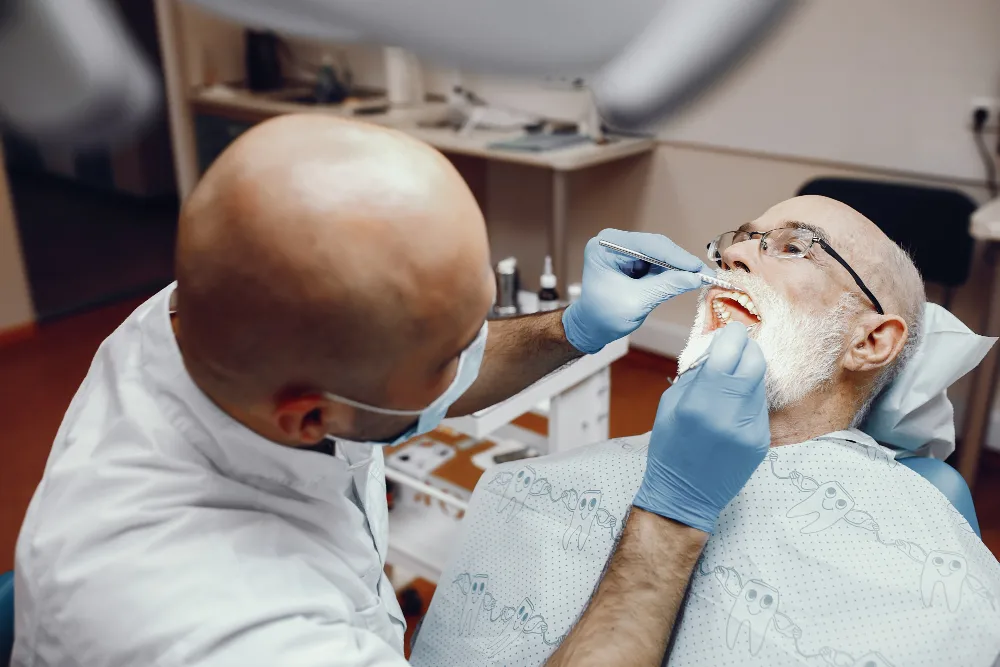
Oral surgery is any procedure performed inside your mouth, on the teeth, gums, jawbone, or the soft tissue around them. It fixes what fillings and medication cannot, such as an impacted molar, a tooth broken below the gumline, or bone loss in the jaw. A dentist with advanced surgical training carries out the work. Feeling […]
What Is a Dental Onlay? Cost, Procedure, and Care Guide
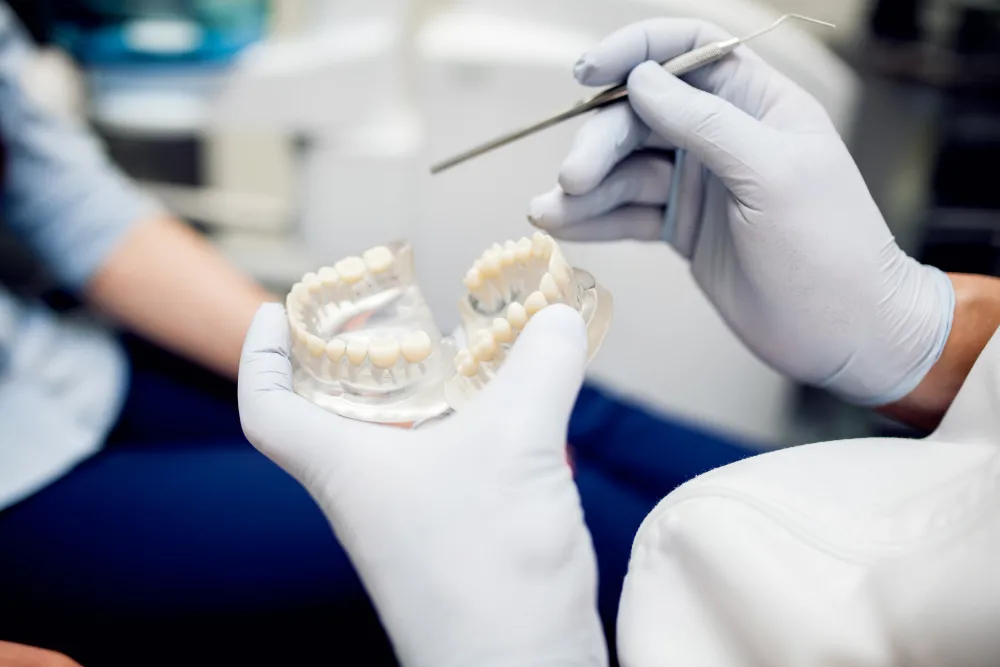
A dental onlay is a custom-made restoration that repairs extensive decay or damage on a back molar while preserving more of your natural structure than a full crown. Often called a partial crown, it covers the damaged chewing surface and one or more cusps without capping the entire tooth. Dentists recommend one when a filling will not hold reliably, but a crown is not yet necessary.