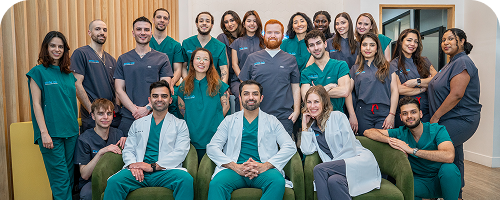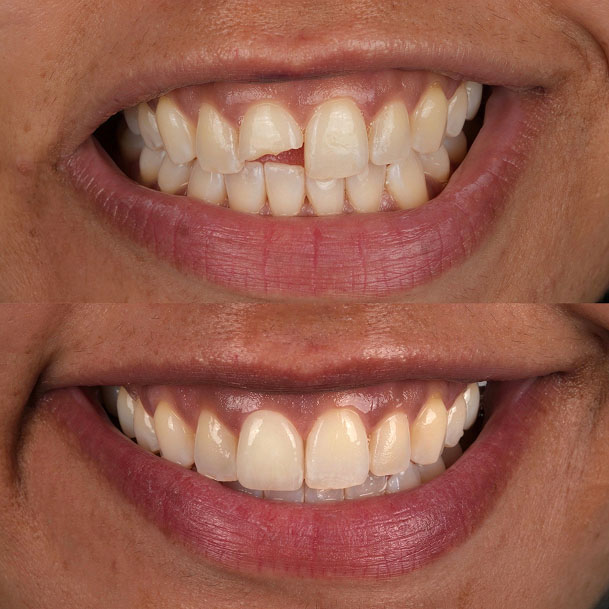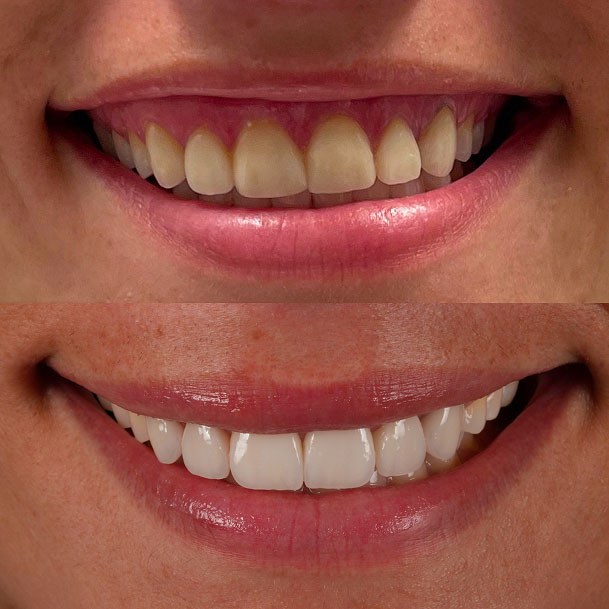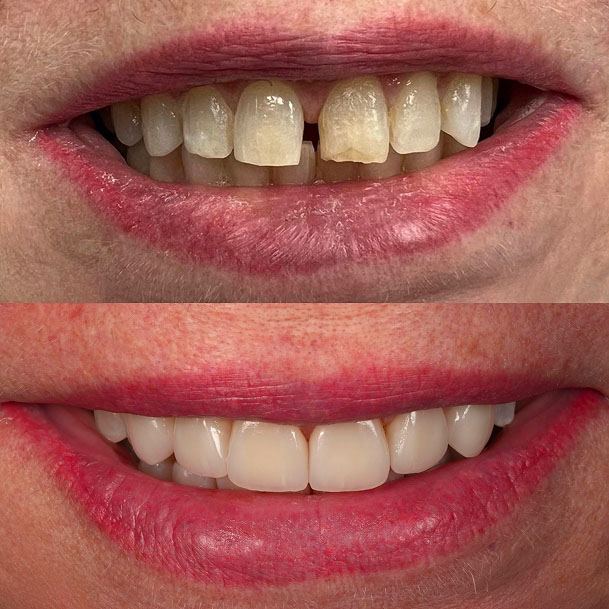
At Smile Lab in Union Square, the goal is to help you make an informed decision based on your bite, cosmetic goals, remaining structure, and long-term oral health. Speed can help, but the best option is the one that fits well, lasts, and supports your natural teeth.
Key Takeaways
- One-visit restorations can work well for many routine cases, especially in areas where strength and function matter most.
- A lab-made restoration may be better for front teeth, deep gumline margins, complex bite issues, or cases that need detailed color matching.
- This treatment can often avoid the need to wear a temporary crown, but convenience should not be the only reason to choose it.
- Both options can last for years with good dental care, proper bite adjustment, and regular checkups.
- The best choice depends on remaining structure, bite force, cosmetic goals, material needs, and long-term oral health.
At a Glance
- A one-visit restoration can help restore your smile in a single visit.
- A lab-made version may offer stronger cosmetic customization.
- Both can protect natural teeth when planned correctly.
- The right choice depends on fit, material, bite, and location in the mouth.
Is the One-Visit Option Reliable?
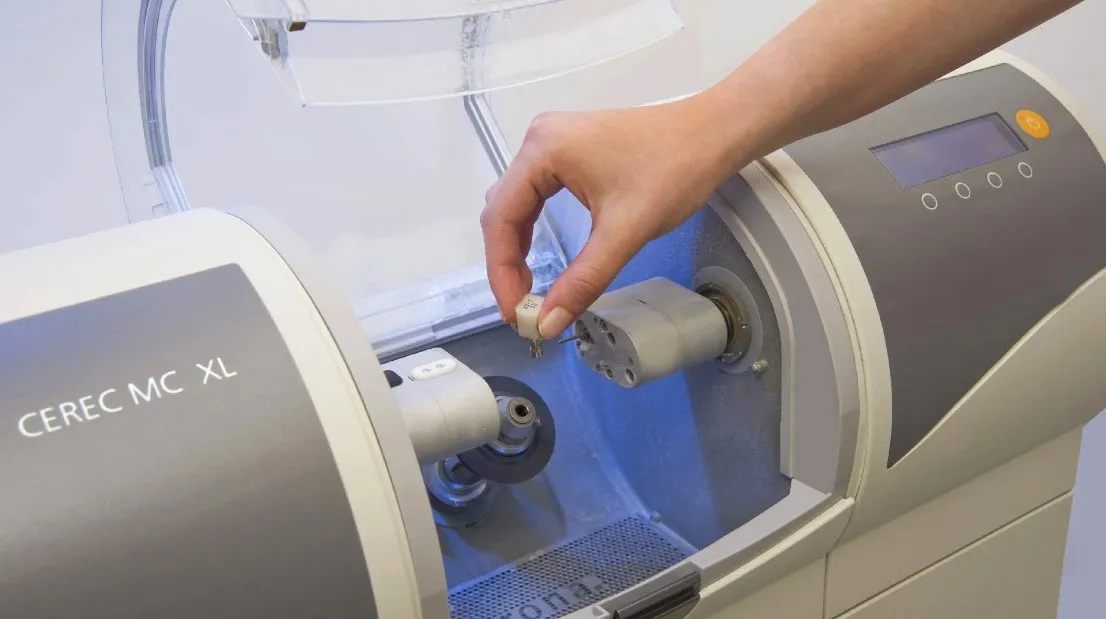
Yes, this type of restoration can be reliable when the case is simple and the bite is stable. The dentist takes a digital impression, uses computer aided design to plan the shape, and creates the final restoration from a ceramic block with an in-office milling machine.
Same-day crowns offer the biggest value when the area needs predictable protection and the shade match is straightforward. A single appointment is helpful, but the clinical fit matters more than the timeline.
When the Lab-Made Option May Be Better
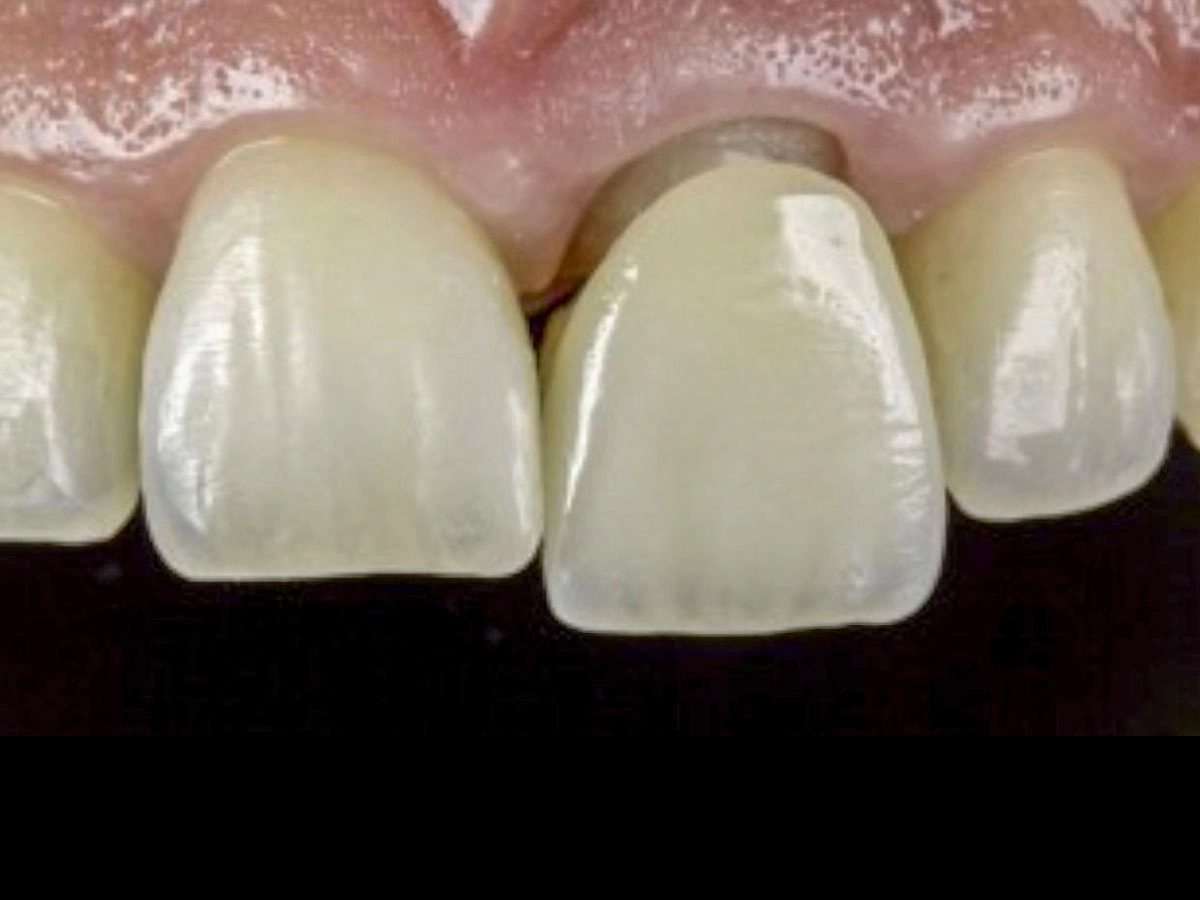
A dental lab may create a better result for front teeth, deep gumline margins, or cases with heavy bite pressure. Lab-made restorations can use more material options, including zirconia, lithium disilicate, or porcelain fused to metal.
These options may help when the dentist needs more control over color layering, strength, or fit.
Same-Day Crowns vs. Traditional Crowns
Time, Fit, and Appearance
Traditional treatment usually requires two visits. You may wear a temporary crown while the lab creates the final version.
A one-visit option is usually completed in a single appointment at the dental office. A precise fit still depends on preparation, scanning quality, bite adjustment, and clinical judgment.
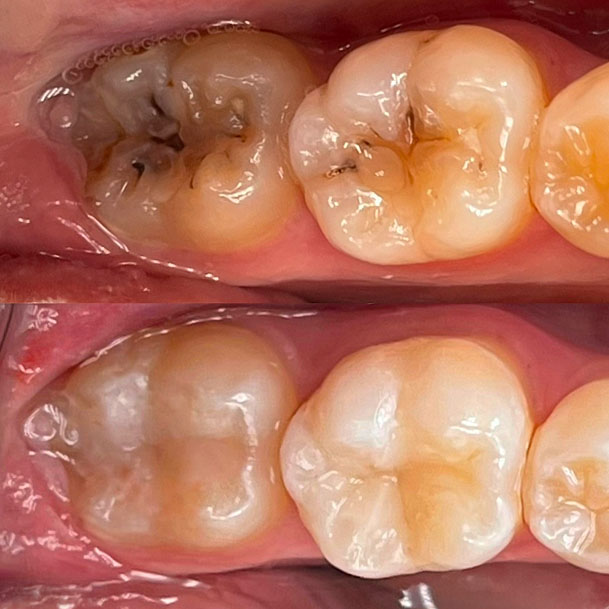
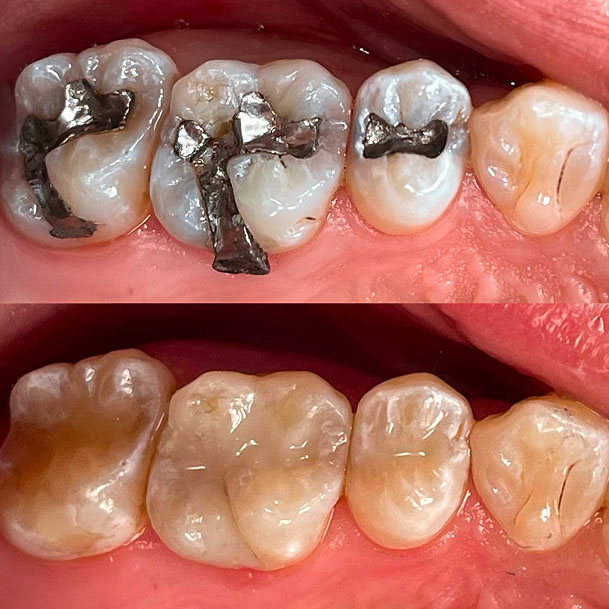
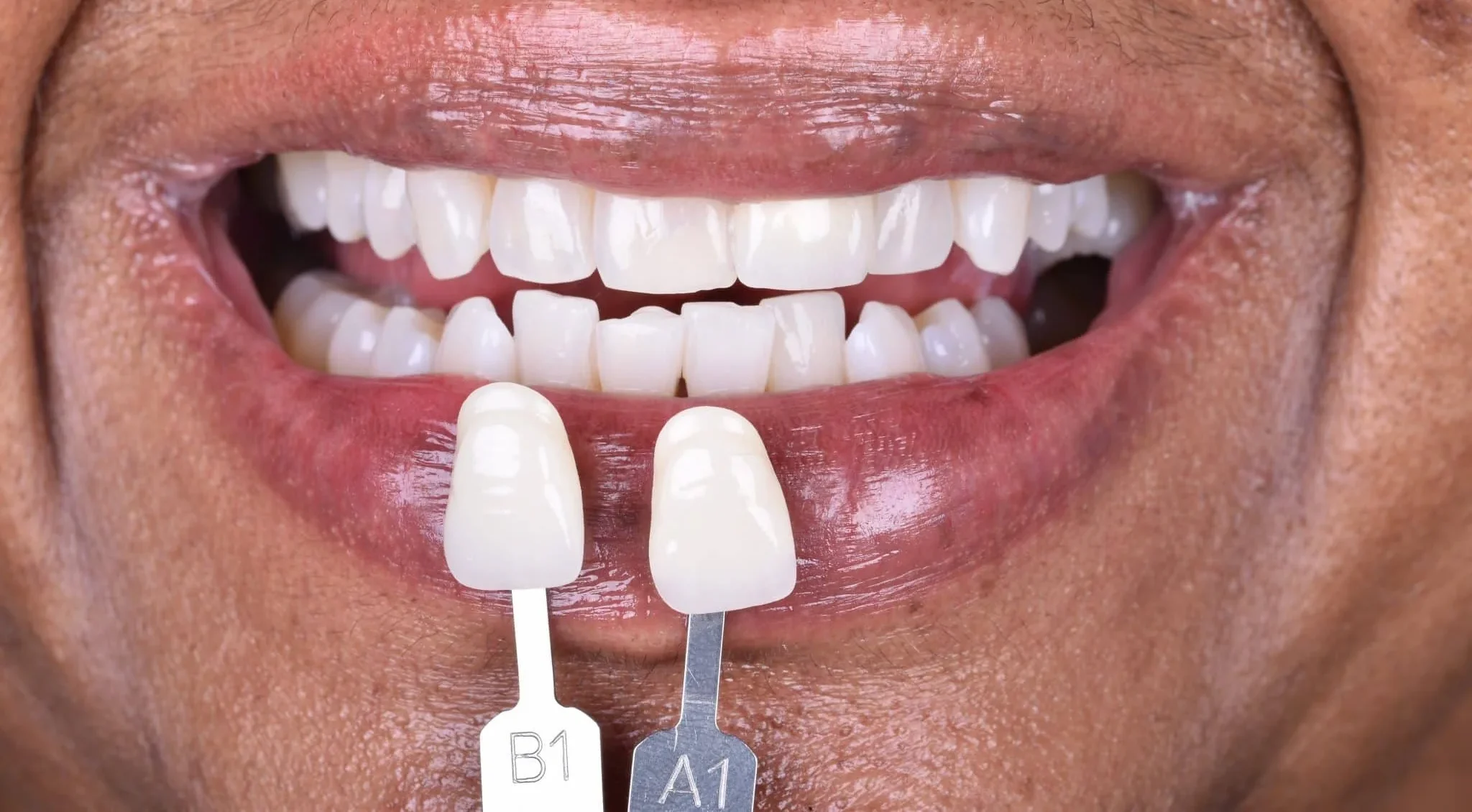
Ceramic restorations can look natural, especially for back teeth. A lab-made version may be preferable when a front restoration needs to closely match nearby teeth.
Main Disadvantages
Shade, Gumline, and Bite Limits
This option may have limits with advanced shade matching. It may also be harder to use when the prepared edge extends below the gumline.
Heavy grinding can change the plan. In those cases, the dentist may recommend a stronger material, a lab-made version, or bite protection.
Is It More Expensive?
Cost and Case Complexity
In Manhattan, same-day CEREC-style restorations often range from about $1,500 to $3,500 per tooth, which is worth weighing against what a dental crown costs in NYC through a lab. General NYC pricing for this type of treatment can vary.
Since Smile Lab does not offer same-day crown treatment, the choice between that and a lab-made dental crown should come down to fit, material, appearance, and long-term protection, not speed alone.
How Long Do Both Options Last?
Cleveland Clinic notes that a dental crown often lasts 5 to 15 years, but how long a dental crown lasts depends on the material, bite force, oral hygiene, and wear.
The lab-made option may have an advantage when the case needs a stronger material selection or a more custom design. A one-visit ceramic version can still perform well in simpler cases, especially when the bite is stable, and the margins seal properly.
How a Dentist Chooses Your Restoration
Dr. Ebrahimi’s Take
Dr. Waise Ebrahimi looks at remaining structure, bite force, cosmetic goals, and long-term health before recommending a restoration. His conservative approach focuses on preserving natural structure whenever possible.
The right treatment should protect the area, fit the bite, and support your long-term oral health. Faster care is useful only when it also meets those standards.
When to Call Today
Call for an evaluation if you have a cracked molar, pain when biting, a large failing filling, a loose restoration, or sensitivity that does not improve.
What to Expect at Smile Lab
Your visit starts with an exam, low-radiation digital imaging, and a clear discussion of your options. You will know whether a one-visit restoration, lab-made option, or another treatment makes the most sense.
Find out which option is right for you.