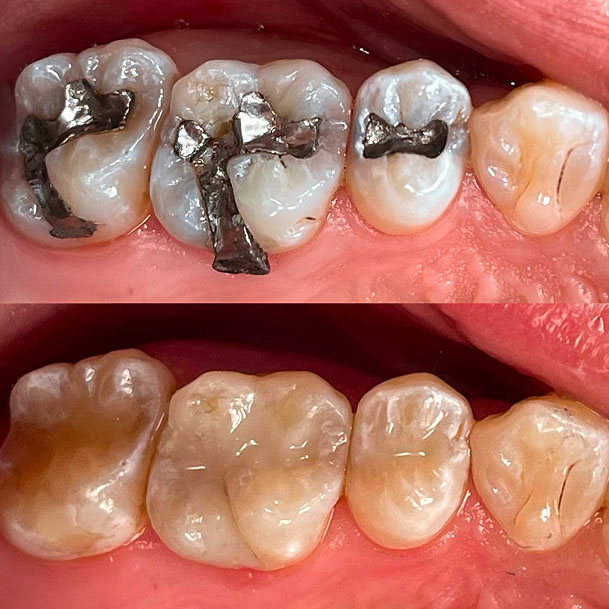

At Smile Lab in Union Square, your schedule is based on what your dentist sees during your exam, not a one-size-fits-all rule. Your mouth, habits, medical history, and past dental work all affect the right timing. The goal is to protect your teeth and gums without adding unnecessary appointments.
Key Takeaways
- Most adults should visit the dentist every six months for preventive care, plaque removal, gum checks, and early cavity detection.
- Some patients need appointments every 3 to 4 months, especially if they have gum disease, heavy tartar buildup, braces, dry mouth, diabetes, or frequent decay.
- Routine visits and deep cleanings serve different needs. Routine care supports prevention, while deeper treatment addresses gum disease below the gumline.
- Skipping a visit can allow plaque to harden into tartar and let small problems progress without obvious symptoms.
- At Smile Lab in Union Square, your recommended schedule is based on your exam, risk level, and oral health needs rather than a one-size-fits-all timeline.
Quick Guide to Visit Frequency
Most adults do well with regular dental visits every six months, but your ideal schedule depends on your risk level. Dentists recommend shorter intervals when plaque buildup, bleeding gums, or a high risk of decay returns quickly between appointments.
The American Dental Association recommends working with your dentist to develop a schedule that meets your needs.
- Every 6 months: Healthy gums, low cavity risk, and steady oral hygiene
- Every 3 to 4 months: Periodontal disease, heavy tartar buildup, smoking, dry mouth, or frequent cavities
- As recommended: Braces, implants, crowns, veneers, or active gum treatment
Dental Cleaning Frequency by Risk Level
Your dental cleaning frequency depends on your risk level:
- Low risk, every 6 months: This usually applies to people with healthy gums, low risk of cavities, and consistent oral hygiene.
- Moderate risk, every 4 to 6 months: This may fit people with dry mouth, smoking habits, braces, crowns, veneers, bridges, or implants.
- High risk, every 3 to 4 months: This may fit people with periodontal disease, diabetes, frequent cavities, bleeding gums, or heavy tartar buildup.
Braces, Polishing, and Timing
People with braces may need visits every three to six months. Brackets and wires trap food and plaque, which makes brushing and flossing harder. Extra support can help keep orthodontic treatment on track and protect the gums during treatment.
Most routine appointments include polishing after tartar removal. Polishing smooths the surface and can reduce surface stains, but it does not replace scaling or diagnosis. If stains return quickly, your dentist can explain whether your schedule should change.
You can also review what to expect from teeth cleaning before-and-after photos and results.
Routine Visits vs Deep Treatment
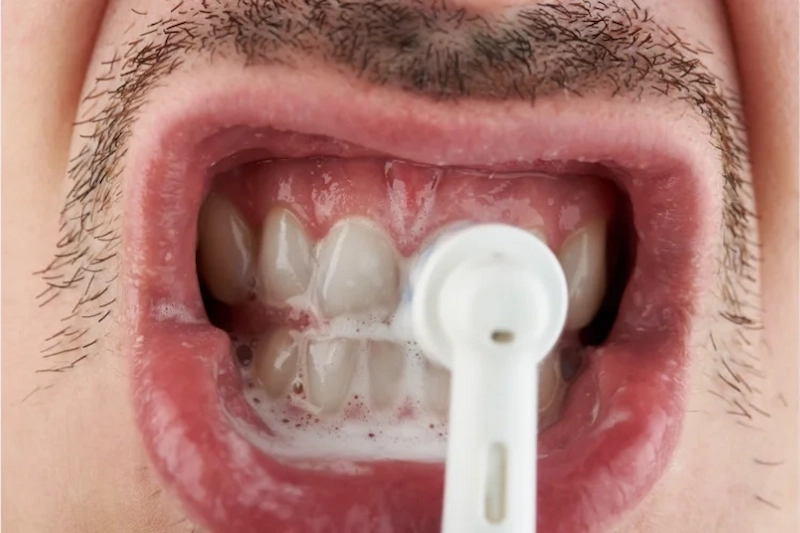
A routine appointment removes plaque and tartar from above and slightly below the gumline. It helps maintain oral health and gives your dentist a chance to catch concerns before symptoms appear. This type of visit supports prevention, not treatment for active gum infection.
A deep cleaning, also called scaling and root planing, treats gum disease below the gumline. It may be recommended when gum pockets, bleeding, bone loss, or infection are present. The timing depends on gum measurements, X-rays, bleeding, and how your tissues respond to care.
Benefits and Possible Downsides
Professional teeth cleaning is helpful when it matches your needs. It can lower the risk of cavities, gum inflammation, bad breath, and more complex future treatment plans. Preventive visits also give you clearer feedback on your home routine.
The most common downsides are temporary tenderness, mild bleeding, or short-term sensitivity. These effects usually fade quickly, especially when gums become healthier. Too many unnecessary visits are not useful, but extra appointments can make sense for higher-risk patients.
What Happens During an Appointment
A routine visit usually includes an exam, plaque and tartar removal, polishing, and home care guidance. Your dentist or hygienist checks your bite, gums, enamel, and existing dental work. Low-radiation digital imaging may be used as needed to visualize areas not visible during the exam.
The hygienist uses professional instruments to clear hardened deposits that home care cannot remove. A routine visit often takes about 45 to 60 minutes. If you are planning your day around the appointment, this guide explains how long after teeth cleaning you can eat.
New patient visits may take longer because the team needs time to understand your history, concerns, and goals.

Is It Okay to Skip a Visit
Skipping once may not cause an immediate problem, but delaying care for months or years can allow small issues to progress quietly. Plaque can harden into tartar, gums may bleed more easily, and cavities can grow without pain at first. Schedule sooner if you notice bleeding gums, swelling, persistent bad breath, tooth pain, sensitivity, or a loose restoration.
Teeth Cleaning Price
Cost clarity matters, especially in NYC, where patients often compare options before booking. At Smile Lab in Union Square, the New Patient Exam and Cleaning is $250. Costs may change if you need X-rays, fluoride treatments, periodontal therapy, or other treatment plans, but your visit should include a clear explanation before care proceeds. Our full teeth cleaning rates guide breaks down pricing by visit type in more detail.
Dental Cleanings at Smile Lab
Smile Lab is built for patients who want modern teeth cleaning in Union Square without the rushed or confusing feel of a traditional office. Dr. Waise Ebrahimi brings a preventative and conservative approach, with training from UCSF and the Kois Center for Advanced Dentistry. His focus is on preserving natural tooth structure and connecting oral health with whole-body wellness.
If you are unsure what schedule fits your needs, a visit can give you a clearer answer than guessing. Book Online and see if Smile Lab is the right fit for your next appointment in Manhattan.