A dental deep cleaning is a gum treatment performed when bacteria, plaque, and hardened tartar have accumulated below the gum line. Dentists call this procedure scaling and root planing because it cleans beneath the gums and smooths the roots of your teeth.
This treatment is usually recommended when gum inflammation, periodontal pockets, or early periodontal disease show that a regular cleaning may not be enough.
You may need this treatment if your gums bleed, feel swollen, pull away from the teeth, or if your dentist sees signs of bone loss on an exam or imaging. The goal is to prevent the infection from worsening, protect the supporting tissues around your smile, and help your gums heal.
At Smile Lab in Union Square, the process starts with a clear evaluation, so you understand what your gums need before treatment begins. Same-day appointments may be available when gum symptoms, discomfort, or schedule constraints make timely care important.
Key Takeaways
- A deep dental cleaning removes bacteria, plaque, and tartar that have accumulated below the gum line.
- Dentists usually recommend this treatment when gum inflammation, periodontal pockets, or early gum disease make a regular visit insufficient.
- The procedure often includes scaling, root planing, and numbing to clean beneath the gums and support healing.
- Mild soreness or sensitivity can happen afterward, but most patients recover with simple aftercare and follow-up guidance.
- A dental evaluation is the only way to know if you need this treatment, how many areas require care, and whether maintenance visits are needed.
What Is a Deep Dental Cleaning?
This periodontal treatment focuses on the gums and tooth roots, not just the visible surfaces in your mouth. It removes plaque and tartar from areas that routine brushing, flossing, and a standard visit cannot fully reach.
The goal is to reduce bacteria below the gumline, reduce inflammation, and improve the stability of your oral health.
Deep Cleaning Teeth vs Regular Cleaning
A regular professional teeth cleaning focuses on prevention. It removes buildup from the visible tooth surfaces and helps keep healthy gums stable.
A periodontal procedure goes further. It reaches below the gums, where bacteria can collect around the roots and cause inflammation.
What Deep Cleaning Treats
This treatment can help treat gum disease when bacteria have moved below the gums. It is often recommended that when gum pockets, bleeding, gum recession, or tenderness show, the tissue needs more than routine care.
Why Gum Disease May Need Treatment
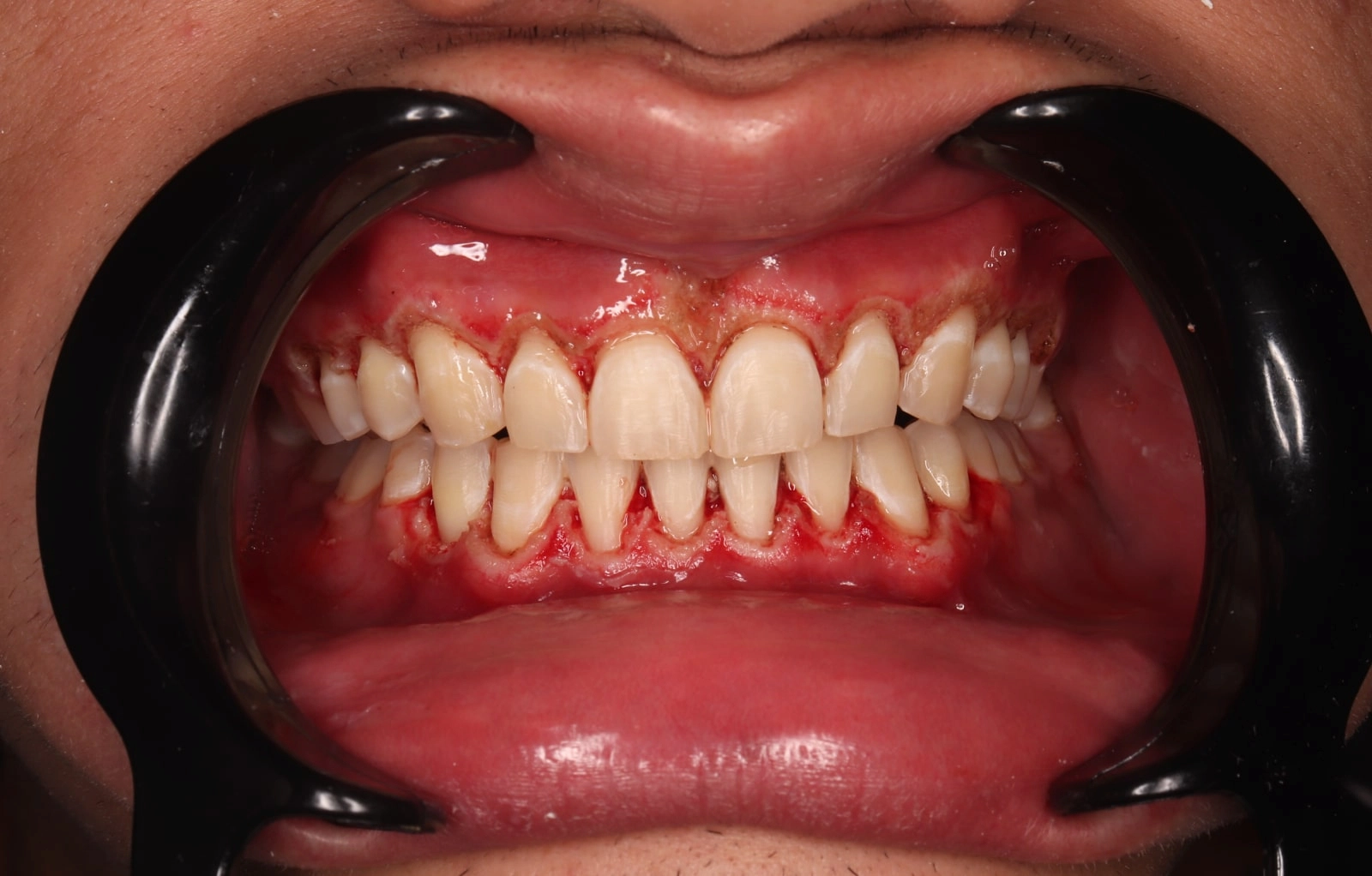
Gum disease can create spaces between the gums and tooth surfaces. These periodontal pockets trap bacteria where a toothbrush cannot reach.
If the problem continues, the gums may pull back, inflammation may increase, and bone loss can occur around the mouth. Some people notice bleeding, swelling, or bad breath, while others have few clear symptoms.
At Smile Lab in Union Square, low-radiation digital imaging may be used when needed to check the supporting bone and guide a clear treatment plan.
What Is Included in the Procedure?
The procedure usually includes periodontal therapy, often called PMT, which focuses on cleaning below the gums, smoothing rough root surfaces, and helping the tissue settle into a healthier position. Your dental team may treat one area or several areas, depending on your exam.
At Smile Lab, this process starts with a clear gum evaluation so the team can explain what areas need care and why. If your case needs added support, specialists are available under one roof every week, so your care can stay coordinated.
Scaling Below the Gumline
Scaling removes buildup from above and below the gums. This step targets bacteria and hardened tartar that keep the tissue irritated.
Root Planing for Healing
Root planing smooths rough areas on the root surface. A smoother surface can reduce bacterial buildup and promote healing as the gums recover.
Numbing and Comfort
Your dentist may numb the area before treatment. This helps you stay comfortable, especially if the gums feel sore or inflamed.
Is the Treatment Painful?
Most patients feel pressure, vibration, or water spray rather than sharp pain. Numbing can make the visit easier if the gums are sensitive.
Mild soreness or temperature sensitivity can happen afterward. Your dentist may suggest warm salt water rinses, soft foods, gentle brushing, or an over-the-counter pain reliever if appropriate for you.
How Long Does the Procedure Take?
Treatment can take 45 minutes to 90 minutes, depending on how many areas need care, while a standard visit may take less time, as explained in this guide on how long a teeth cleaning takes. If several areas need attention, your dentist may divide the procedure into two visits.
For a busy Manhattan schedule, splitting the appointment can sometimes make care easier to manage without rushing.
Deep Cleaning Teeth Before and After
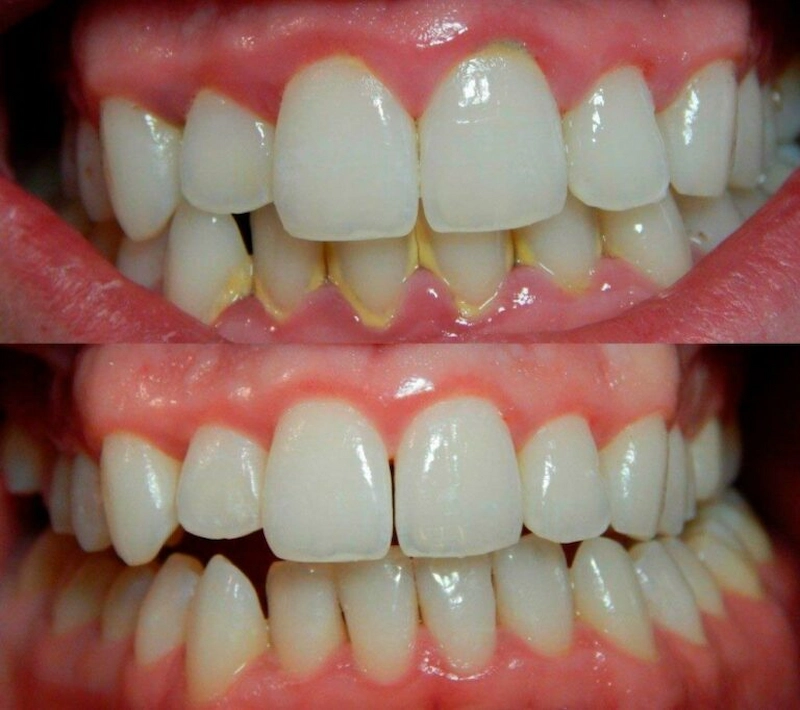
Before treatment, gums may bleed, swell, or feel irritated. After care, the tissue may look calmer as inflammation improves.
The gums may bleed less, feel firmer, and sit closer to the tooth surfaces. Some patients also notice gaps between teeth after deep cleaning as swelling goes down; this is usually a normal part of healing. Better oral hygiene helps keep bacteria from returning quickly.
Healing often starts within a few days, but gum recovery can continue for several weeks.
Deep Cleaning Teeth Cost
Cost can vary based on how many areas need treatment and how advanced the gum condition is, which is why a detailed guide to deep cleaning teeth cost can help you understand the main price factors before scheduling.
Key factors include the number of quadrants treated, pocket depth, imaging needs, and the need for follow-up maintenance. At Smile Lab, deep cleaning with scaling and root planing is diagnosis-based and may cost up to $1,400, including PMT.
Smile Lab accepts all PPO plans, and patients who prefer not to pay upfront can apply for a payment plan through Cherry. Before starting treatment, ask for a clear plan that explains which areas need care, why they need care, and what comes next.
Is Deep Cleaning Worth It?
It can be worth it when gum disease is active, and bacteria have moved below the gums. The treatment can reduce inflammation and help protect the support around your smile.
Possible disadvantages include short-term soreness, sensitivity, and the need for follow-up visits. If pockets are very deep or bone support has changed, a dentist may recommend more advanced periodontal care.
Dr. Waise Ebrahimi, Smile Lab’s lead dentist, takes a preventative and conservative approach focused on preserving natural tooth structure when possible.
How Often Do You Need It?
Some people need this treatment once, followed by routine maintenance. Others need periodontal maintenance every few months.
Periodontal maintenance is different from a routine preventive visit because it focuses on keeping bacteria under control below the gums. The goal is to protect the progress made during treatment and reduce the chance of inflammation returning.
When to Schedule an Evaluation
Schedule an evaluation if your gums bleed often, your breath does not improve with brushing, your gums are pulling back, or a dentist has mentioned pockets. You do not need to feel embarrassed if it has been years since your last visit.
If your symptoms are uncomfortable or you need care that fits your busy Manhattan schedule, same-day appointments may be available.
See if Smile Lab Is the Right Fit for You
If you are unsure what your gums need, start with an evaluation. You will get a clear explanation, diagnosis-based pricing, and space to ask questions before making a decision.