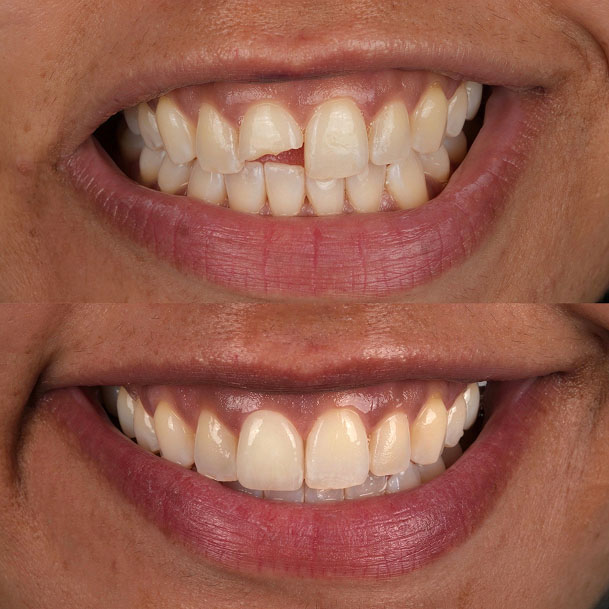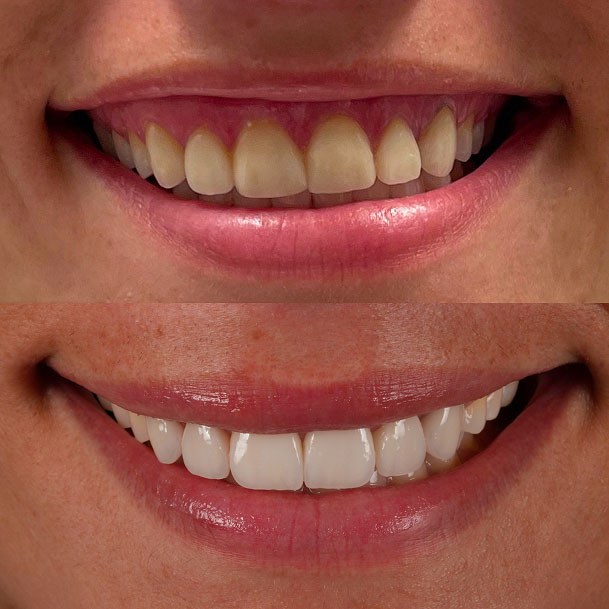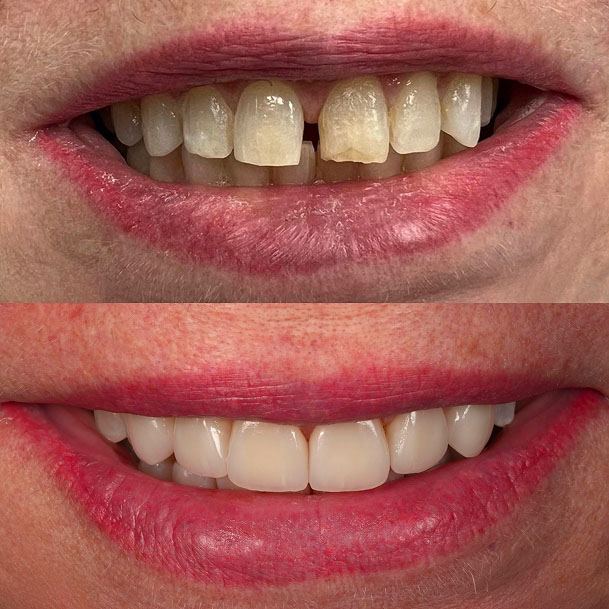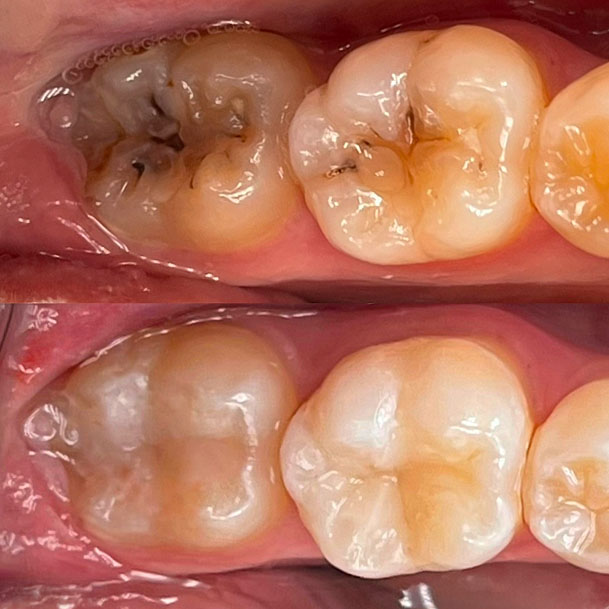
No, hospital ERs generally do not have dentists on staff. The question “Do emergency rooms have dentists?” usually comes up when someone has tooth pain, a broken tooth, swelling, or a lost filling and needs help fast. ERs are staffed by medical doctors who can treat serious symptoms, but they usually cannot perform dental procedures like tooth extractions, root canals, fillings, or crown repairs.
For dental pain, broken teeth, lost fillings, infections, or mouth cuts, the ER may provide temporary help such as pain medication, antibiotics, stitches, or stabilization. At Smile Lab in Union Square, Manhattan, patients can get clear guidance on whether they need urgent dental care, medical care, or a planned visit.

Key Takeaways
- Hospital ERs generally do not have dentists on staff, so they usually cannot perform dental procedures like fillings, root canals, crown repairs, or tooth extractions.
- An ER can help with serious symptoms, including facial swelling, fever, mouth cuts, uncontrolled bleeding, or trouble breathing or swallowing.
- For tooth pain, broken teeth, lost crowns, or a knocked-out tooth, an emergency dentist in Manhattan is usually the better first call.
- A tooth infection may need medical care if swelling spreads, fever develops, or breathing and swallowing become difficult.
- If you are unsure where to go in NYC, call a dental office first unless your symptoms feel medically urgent or potentially life-threatening.
Do ERs Usually Have Dentists?
Most ERs do not have dentists on staff. A hospital emergency room can help with serious symptoms, pain control, infection concerns, and injuries that affect more than your teeth. ER doctors usually cannot fix the cause of most dental problems. They may stabilize you, then tell you to contact your dentist for emergency dental care.
What an ER Can and Cannot Do
An ER can help when a dental problem starts to affect your overall safety, not just your tooth. The main goal is to control urgent symptoms, reduce immediate risk, and guide you toward the right follow-up care.- An ER can help when an oral health problem is connected to broader health issues.
- ER doctors can stabilize urgent symptoms and help reduce immediate risk.
- ERs usually cannot complete dental treatment that fixes the source of the problem, which is why patients often ask whether an emergency room can remove a tooth.
- A dentist is usually needed for diagnosis, repair, and follow-up care.
When to Go to the ER
Seek medical care at the nearest emergency room when symptoms may be life-threatening or beyond routine dental care.Severe Swelling, Breathing Trouble, or Bleeding
Go to the ER for swelling that affects your airway, trouble swallowing, or uncontrolled bleeding. If your mouth is bleeding, apply pressure with clean gauze or cloth while you get help.Facial Trauma or Jaw Injury
Go to the ER after a serious fall, sports injury, car accident, or facial impact. A jaw injury, a deep cut, or a possible broken bone requires medical evaluation before dental repair.When to Call an Emergency Dentist
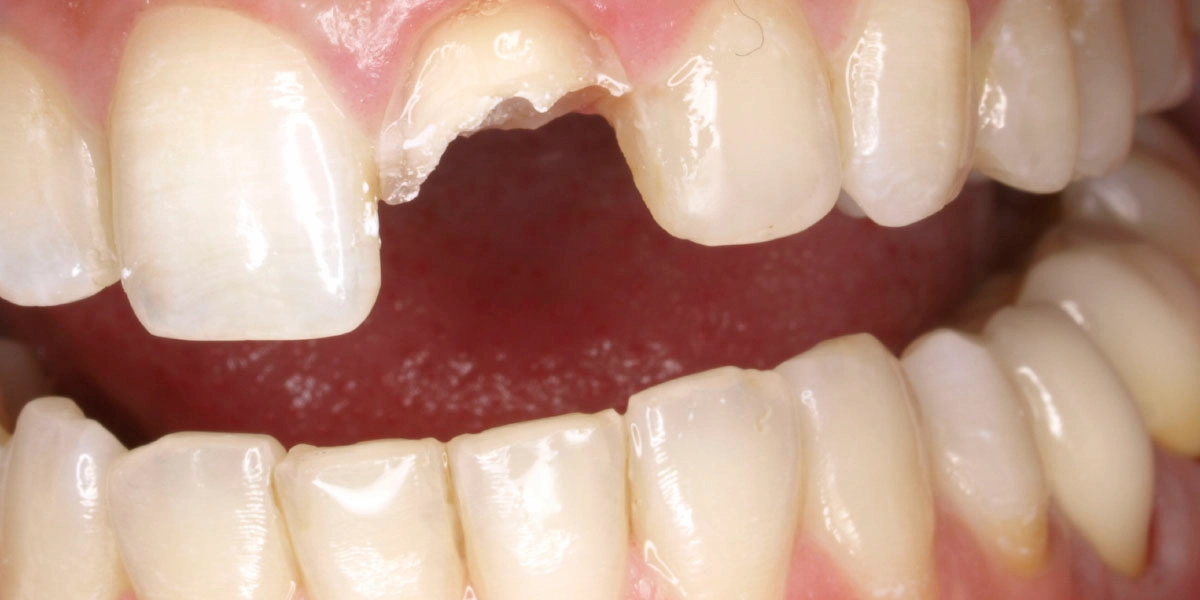
Call your dentist when the problem is urgent, but mainly for dental issues. This includes tooth pain, a broken tooth, a loose restoration, or pain that keeps you from eating, sleeping, or focusing.