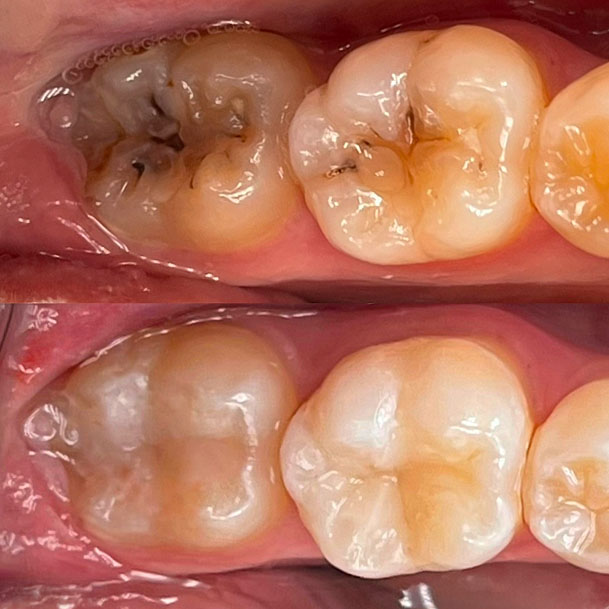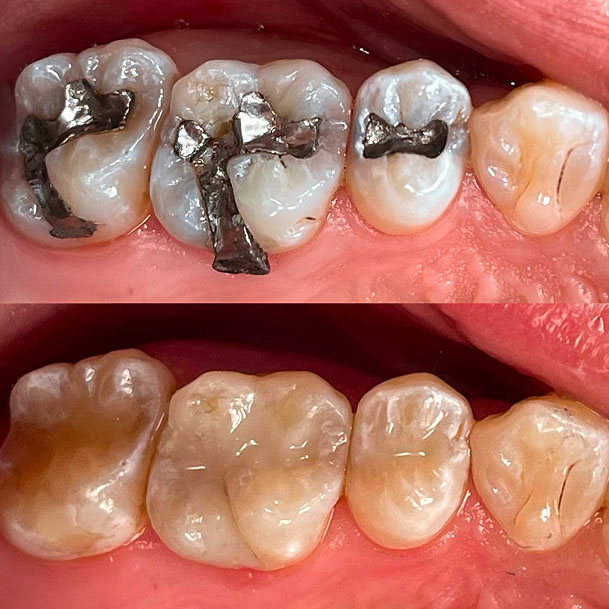
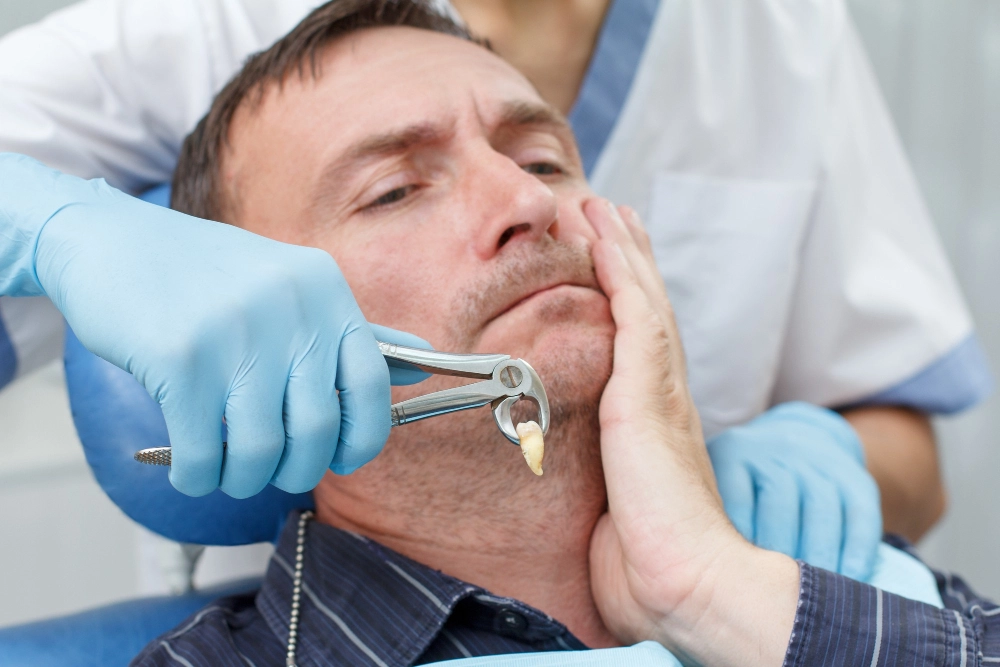
You might need a tooth pulled if you have a badly decayed molar, a stubborn wisdom tooth, a severely damaged tooth, or overcrowding. It is a common procedure in which a dentist, or, for more complex cases, an oral and maxillofacial surgeon, removes the affected tooth to relieve pain and prevent complications.
This guide walks you through the healing process stage by stage, plus practical tips to recover faster, since recovery looks a little different for everyone and it helps to know exactly what is normal and what is not.
How Long Does a Tooth Extraction Take to Heal?
Soft tissue leads the way. A blood clot forms within hours, and by about one to two weeks, the surrounding gum tissue has usually grown across the opening to seal it.
Bone repair is the slower half of the process. It rebuilds from the socket floor upward, a layered process that continues for several weeks to a few months, since bone regenerates far more slowly than soft tissue. That is why the site can look and feel healed on the outside long before the structure underneath has finished forming. Your tooth extraction recovery time depends on a handful of factors we cover further down.
A simple tooth extraction, where the tooth is already visible, usually heals faster. A surgical extraction, such as for an impacted wisdom tooth, takes more time.
The key thing to hold onto: discomfort fades quickly, but the deeper repair is a slower, quieter process.
The Tooth Extraction Healing Process, Stage by Stage

Here is how recovery unfolds so you know what is coming at each point.
1. First 24 Hours
The first day matters most. Your body starts repairing right away, and some swelling and soreness are normal.
What’s normal:
- Light bleeding that slows within a few hours
- Swelling that peaks on the first day
- A blood clot forming to protect the socket
How to help it along:
- Apply ice packs to the outside of your cheek to ease swelling.
- Rest and keep your head elevated.
- Do not spit or use a straw, as suction can loosen the clot.
2. Days 2 to 3
Swelling and soreness often peak here, but relief is close behind.
What’s normal:
- Swelling and bruising at their worst
- Aching that starts to settle, though you may still want pain relief
How to help it along:
- Keep using ice packs to reduce swelling.
- Take pain relievers as your dentist directs. If you’re reaching for an over-the-counter option, the ADA’s clinical guidance (nofollow) points to ibuprofen as the most effective first choice for post-extraction pain, typically 400 to 600 mg every 6 hours for the first 24 hours, then 400 mg every 4 to 6 hours as needed, staying under 2,400 mg total in a day. Always follow your dentist’s specific instructions if they differ.
- Add soft foods like yogurt and smoothies to avoid irritating the site.
- Rinse gently with warm salt water to keep things clean.
3. Days 4 to 7
Wondering how long for the gum to heal after a tooth extraction? By days 4 to 7, the gum tissue begins to close over the socket, and recovery becomes more visible.
What’s normal:
- A white or yellowish film over the site. This is granulation tissue, a healthy sign of new tissue forming, not an infection.
- Tenderness that is fading, with less overall discomfort
How to help it along:
- Keep up gentle saltwater rinses to stay clean.
- Stick with easy-to-chew foods, and skip anything too hot or spicy.
- Do not brush directly over the socket.
4. One to Two Weeks
By now, most people feel much better, with pain and swelling nearly gone.
What’s normal:
- Gum tissue around the site largely healed, with minimal pain
- Any lingering sensitivity easing off during this stretch
How to help it along:
- Start adding firmer foods, but avoid hard, crunchy items near the socket.
- If you had stitches, they may dissolve on their own or be removed by your dentist.
5. Weeks to Months
Your gums may look healed, but the bone beneath keeps regenerating.
What’s normal:
- The site feels fine on the surface while the bone rebuilds and reshapes underneath
- By around five weeks post-op, most people have little to no sensitivity, even though remodeling continues out of sight
- For patients considering dental implants, full bone healing is needed before placement
In some cases, particularly when the socket is larger or a future implant is planned, your dentist may recommend a bone graft to help the site rebuild properly.
How to help it along:
- Keep up good oral hygiene to prevent infection while the bone heals.
- Follow up with your dentist to confirm things are on track.
- Avoid smoking and heavy alcohol, both of which slow bone repair.
Dry Socket and Other Warning Signs to Watch For
Most extractions heal without complications, but a few warning signs are worth knowing so you can act fast.
Dry socket is the one people ask about most. It happens when the protective clot loosens or breaks down too soon, leaving bone and nerve exposed. It shows up as sharp, throbbing pain starting around days 3 to 5, often with a bad taste or odor and an empty-looking socket.
It affects roughly 0.5% to 5% of routine removals, with higher odds after lower wisdom tooth surgery, per NCBI’s StatPearls review. It is not the same as an infection, but it does need your dentist to treat it.
Smoking is the biggest risk you can control. One clinical study found smokers had several times the odds of dry socket compared with non-smokers, reported in this peer-reviewed analysis. Holding off on cigarettes for at least 72 hours makes a real difference.
Call your dentist if you notice any of these:
- Severe pain that worsens after day 3 instead of easing
- Heavy bleeding that does not slow after 30 to 45 minutes of gentle gauze pressure
- A fever of 100.4°F (38°C) or higher, or pus or discharge from the socket
- A foul taste or smell that does not clear
- Swelling that increases after day 3
What to Eat and Avoid While You Heal
What you put in your mouth during the first week protects the clot and keeps you comfortable.
Stick to soft, cool foods for the first few days:
- Yogurt, smoothies (spoon only, no straw), and protein shakes
- Scrambled or soft-boiled eggs
- Mashed potatoes, oatmeal, and soft-cooked vegetables
- Applesauce, bananas, soft pasta, and rice
Hold off on these until the socket has closed:
- Hard or crunchy items like chips, nuts, and raw vegetables
- Hot food and drinks for the first day, since heat can loosen the clot
- Spicy dishes that sting the healing tissue
- Alcohol, which slows repair and mixes badly with pain medicine
For a longer list of what to eat and avoid while you heal, see our guide to foods to avoid after a tooth extraction.
Factors That Affect How Long It Takes a Pulled Tooth to Heal
The general timeline gives you a solid picture, but a few things speed recovery up or slow it down. How fast your gums heal and how long it takes a pulled tooth to heal overall come down to these:
- Age and Bone Density: Younger patients and those with denser bone tend to heal quicker than older patients.
- Health Conditions: Chronic issues like diabetes or autoimmune disorders can slow the process.
- Aftercare Consistency: Following your dentist’s guidance, resting, staying hydrated, eating well, and sticking to soft foods helps you heal faster and more comfortably.
How Smile Lab Supports You Through Tooth Removal and Healing

At Smile Lab, having a tooth pulled doesn’t need to be a heavy experience. The multi-specialty team, including oral and maxillofacial surgery and periodontal specialists, provides care at every stage, from the procedure through follow-up and healing.
Advanced tools and techniques keep removals gentle and precise, supporting a faster recovery with less discomfort.
Patients consistently point to honest recommendations and proven results, reflected in hundreds of five-star reviews.
Conclusion
A tooth extraction is a routine procedure, and while healing takes time, it is rarely as rough as it sounds. Most patients feel much better within a week, though full bone healing continues for several months.
Follow the aftercare steps, protect the socket, and watch for the warning signs above. When the time comes, choose a trusted team like Smile Lab, where your comfort and long-term oral health come first.
FAQs
Can I go back to work after a tooth extraction?
Many patients return to light work within 1 to 2 days, but avoid strenuous activity, such as intense workouts or heavy lifting, for at least 24 hours.
When can I eat normally again after a tooth extraction?
Most people return to a normal diet within 7 to 10 days for a routine extraction. Wisdom tooth removal may call for soft foods a bit longer, up to about 2 weeks, since those sockets are larger and take more time to close.
How long should I avoid using a straw after a tooth extraction?
Give the clot time to stabilize first. Most dentists suggest waiting at least a week, since the suction from a straw can pull the clot loose and trigger dry socket. Drink straight from the glass in the meantime.
When can I have caffeine or coffee after a tooth extraction?
Skip hot coffee for the first 24 hours, because heat can soften the clot. After that, cooler or lukewarm caffeine in small amounts is usually fine once the socket feels stable, generally a few days in. Watch the temperature more than the caffeine itself.
How long does it take for the roof of your mouth to heal?
Soft tissue on the roof of your mouth usually settles within one to two weeks, similar to gum tissue closing over a socket. If a sore spot there lingers for more than two weeks or gets worse, have your dentist check it.
When should I call my dentist?
Contact your dentist if you have a fever of 100.4°F (38°C) or higher, severe pain after 3 to 4 days, heavy bleeding, worsening swelling, or a bad taste or odor. These can be signs of infection or dry socket.