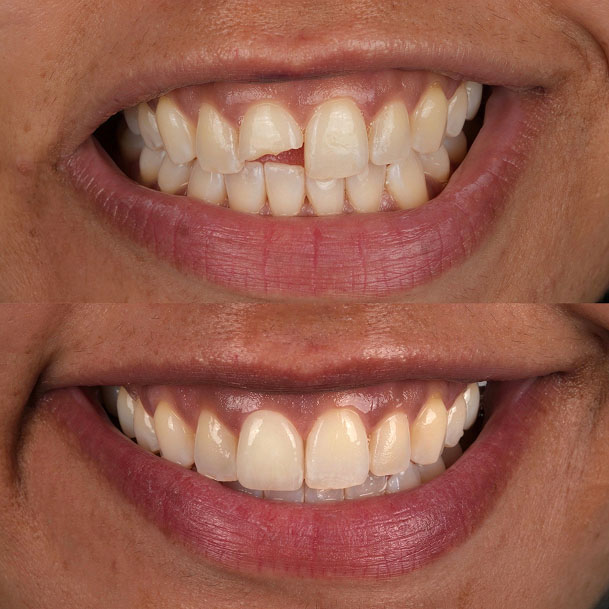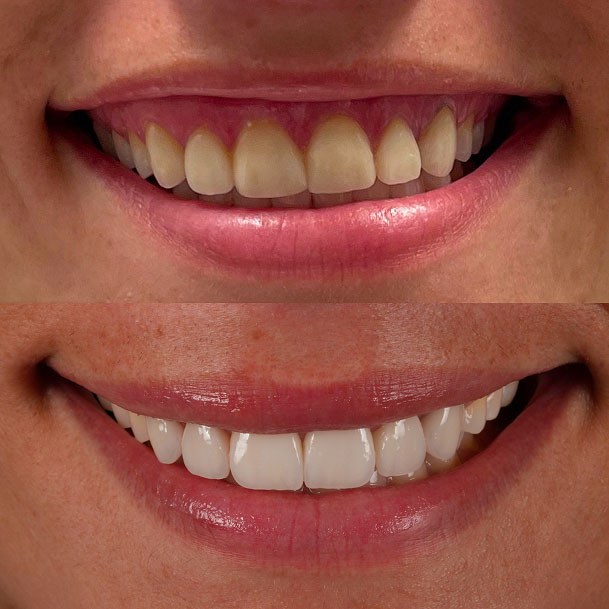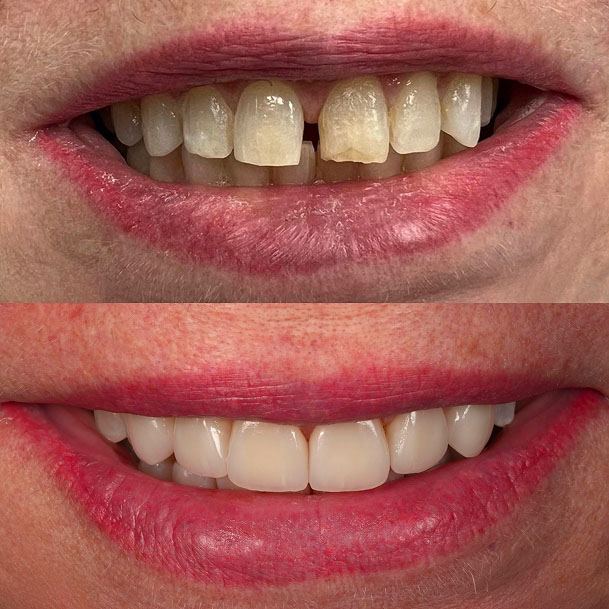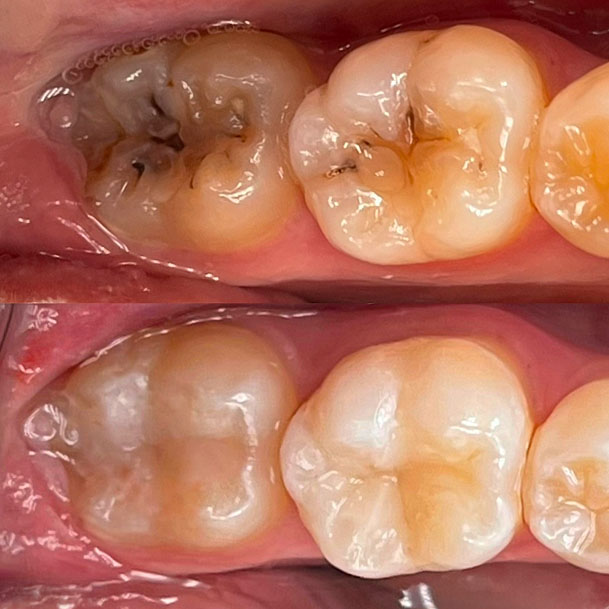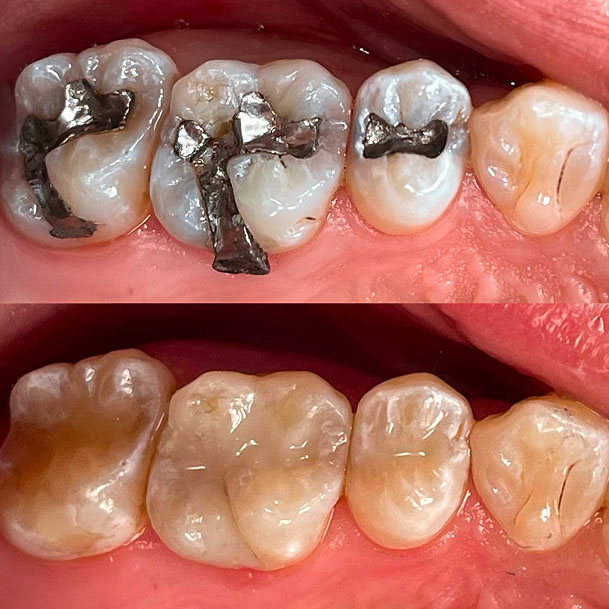
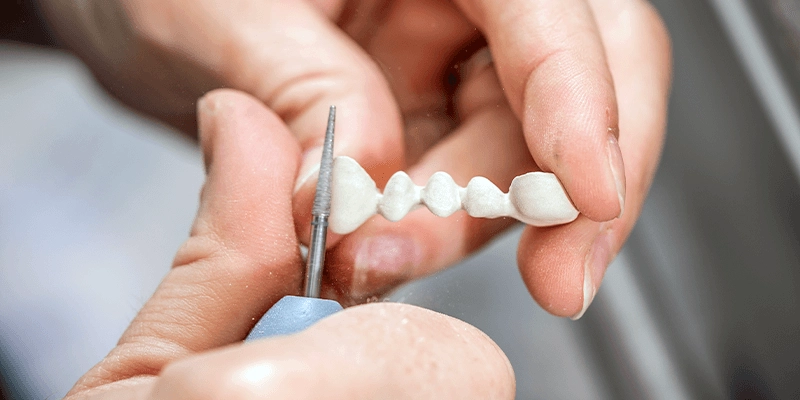
Yes, some bridges can be completed in a single visit, but only when your mouth, gums, bite, and missing-tooth space are ready for treatment. This one-visit option uses digital impressions, CAD/CAM design, and in-office milling to create a custom ceramic or porcelain restoration without waiting weeks for a dental lab.
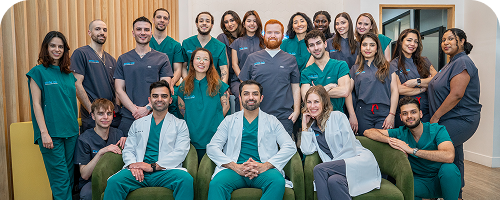
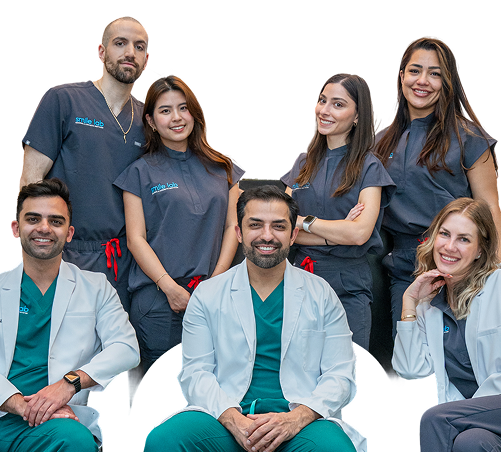
At Smile Lab in Union Square, the team can evaluate your case and explain whether faster treatment is realistic or whether a traditional timeline would give you a better result.
Key Takeaways
- A same-day dental bridge may be possible if your mouth, gums, bite, and the space left by the missing tooth are healthy enough to be treated in one visit.
- Digital impressions, CAD/CAM design, and in-office milling can help create and place a custom ceramic or porcelain bridge without waiting weeks for a dental lab.
- Some patients still need a temporary bridge first, especially when gum health, tooth strength, or bite balance needs more planning.
- A faster option can reduce the number of appointments and restore function sooner, but accuracy and long-term fit should guide the treatment timeline.
- A dentist should evaluate your oral health, bite, and support structures before deciding whether a one-visit restoration or a traditional bridge is the better choice.
Can Dental Bridges Be Done the Same Day?
Yes, but only when the case is simple enough and clinically safe. A same-day dental bridge works best when the supporting teeth are strong, the gums are healthy, and the bite is stable.
Speed should never be the main goal if it could affect the fit, comfort, or long-term result. The safer option is the one that protects your natural teeth, supports your oral health, and gives the bridge the best chance to last.
A bridge fills a gap in your smile by anchoring to existing teeth or another approved support option. This can help restore your smile, improve chewing, and keep the remaining teeth from shifting.
Who Qualifies for One-Visit Treatment?
Your dentist needs to confirm that your mouth has a good oral foundation for the procedure. The gums, bite, and support area must be healthy enough for treatment right away.
If pain, swelling, or a broken restoration makes the issue feel urgent, an emergency dentist in Manhattan can help you understand the safest next step. Taking more time can help your dentist plan the restoration more accurately and avoid problems after placement.
Healthy Support Structures
Bridges often rely on natural teeth for support. These areas must be strong enough to hold a dental crown or bridge without added risk.
When the support is not strong enough, your dentist may recommend additional treatment before placing the final restoration. This protects the surrounding area and reduces the risk of failure.
Temporary Dental Bridge the Same Day
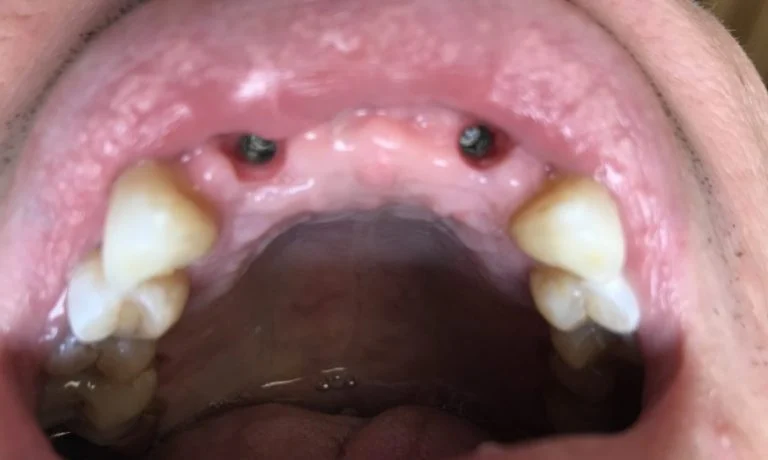
Some patients can receive a temporary dental bridge the same day, even if the final restoration takes longer. This can help you leave the dental office with a better appearance and function while the permanent version is planned.
A temporary option can be helpful when the final bridge should not be rushed. It gives your dentist time to confirm the best fit, material, and bite before placing the permanent restoration.
When Final Bridges Take Longer
A final bridge may take longer if several spaces need treatment, the bite is uneven, or the case requires more detailed lab work. Some patients may also compare bridges and dental implants before choosing the best option to replace a missing tooth. If an implant becomes part of the discussion, understanding dental implant recovery can help you compare the full treatment timeline
In these cases, the safer option may be the traditional process. More planning can lead to a better fit, stronger function, and a lower risk of adjustments later.
How the Process Works
The dentist first examines the missing-tooth space, gums, bite, and surrounding support structures. Digital imaging helps show whether the restoration can fit safely and function well.
If the exam shows that same-visit treatment is not the safest choice, your dentist may recommend a temporary bridge first. That does not mean treatment failed; it means the final result needs more planning.
Tooth Preparation and Placement
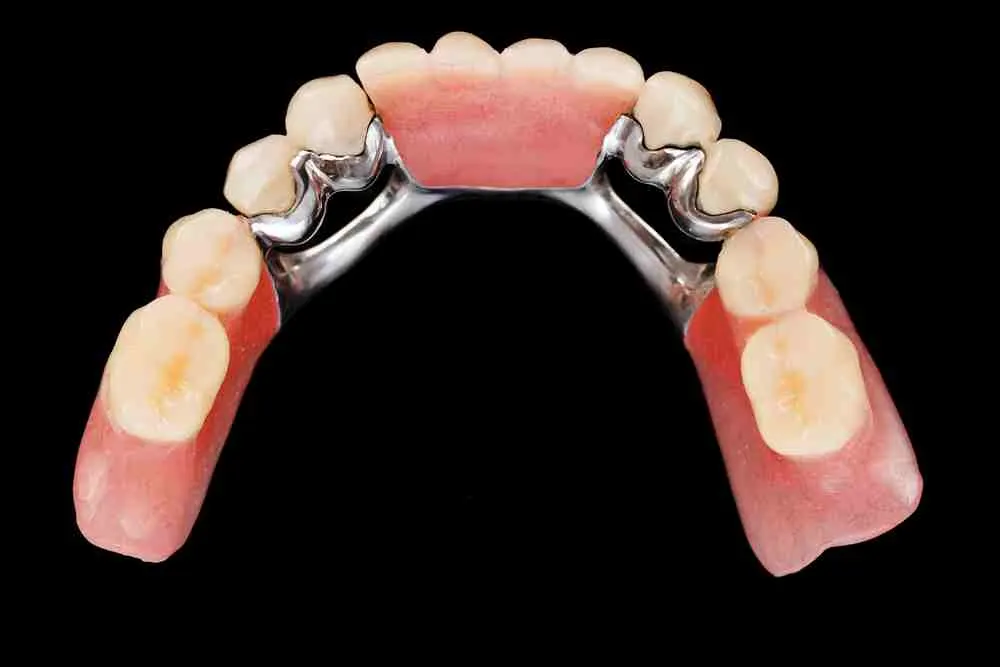
If you qualify, the dentist prepares the support area, designs the bridge, and adjusts the fit before placement. Dr. Waise Ebrahimi uses a conservative approach that focuses on preserving natural tooth structure when planning dental crowns and bridges.
This approach helps avoid unnecessary treatment and supports safer long-term outcomes. The goal is not just to close the space, but to protect the health and function of your mouth.
How Long Do These Bridges Last
A bridge can last for years when it fits well and receives proper care. Daily brushing, cleaning under the restoration, and follow-up visits help protect the surrounding area.
If you have dental insurance paperwork, bring it to the visit, but the clinical recommendation should come from your diagnosis, not coverage alone. The safest plan should come first.
Getting Clear Answers in Union Square
A faster bridge can be helpful, but it is not right for every case. If a traditional timeline is safer, that may be the better recommendation.
Smile Lab can evaluate your mouth, explain your options, and help you decide whether same-visit care or a traditional bridge gives you the safest, most reliable result.
See if Smile Lab is the right fit for you.