
Severe tooth pain usually requires prompt evaluation, especially when accompanied by swelling, infection, trauma, fever, or worsening pain. Choosing the right emergency dentist for severe tooth pain means looking for a provider who offers same-day or weekend availability, clear diagnosis, emergency treatment experience, and a location you can reach quickly when discomfort makes travel harder.
The right office should also help you feel informed instead of rushed. Online reviews, emergency availability, and experience treating issues such as a broken tooth, dental abscess, or a knocked-out tooth can help you compare providers more confidently. At Smile Lab in Union Square, emergency visits focus on quickly identifying the cause, clearly explaining the next steps, and helping patients move forward with less stress.
Key Takeaways
- Choose an emergency dentist who offers same-day or weekend availability, provides clear diagnoses, and has experience treating severe tooth pain.
- Go to the ER if tooth pain is accompanied by trouble breathing, trouble swallowing, facial swelling, high fever, or bleeding that will not stop.
- Severe pain may come from infection, trauma, a broken tooth, lost fillings, or a dental abscess, so diagnosis should come before treatment.
- A knocked-out adult tooth needs fast care, ideally within about an hour, and should stay moist while you contact a dentist.
- In NYC, location matters because urgent dental care is easier to complete when the office is close to work, home, or your commute.
How to Choose the Right Emergency Dentist
Choosing the right emergency dentist starts with one question: Can this dental office quickly diagnose and treat the real cause of your pain? Severe tooth pain may come from a dental abscess, deep decay, a cracked tooth, a broken tooth, lost fillings, gum infection, or trauma. Fast care can also protect your oral health and prevent further complications.
Look for emergency dental services with same-day or weekend appointments when possible. The dentist should be able to evaluate urgent dental issues, take digital images if needed, and explain whether your situation needs dental care, urgent care, or the ER.
Before you visit an emergency dentist, ask:
- Can I be seen today or this weekend?
- Do you treat severe tooth pain, swelling, trauma, and lost fillings?
- Can the dentist take X-rays if needed?
- What should I bring, including my dental insurance or insurance plan information?
When Severe Tooth Pain Is an Emergency
Severe tooth pain can signal a dental problem that should not wait. Some symptoms require immediate attention because they may involve infection, trauma, nerve damage, or uncontrolled bleeding.
Seek urgent dental care if you notice:
- Pain that keeps getting worse
- Pain that wakes you up
- Pain that does not improve with basic care
- Swelling in the gums, jaw, or face
Go to the ER or seek medical help if tooth pain comes with:
- Trouble breathing
- Trouble swallowing
- Swelling near the eye
- Swelling under the jaw
- Voice changes
- Fever
- Bleeding that won’t stop
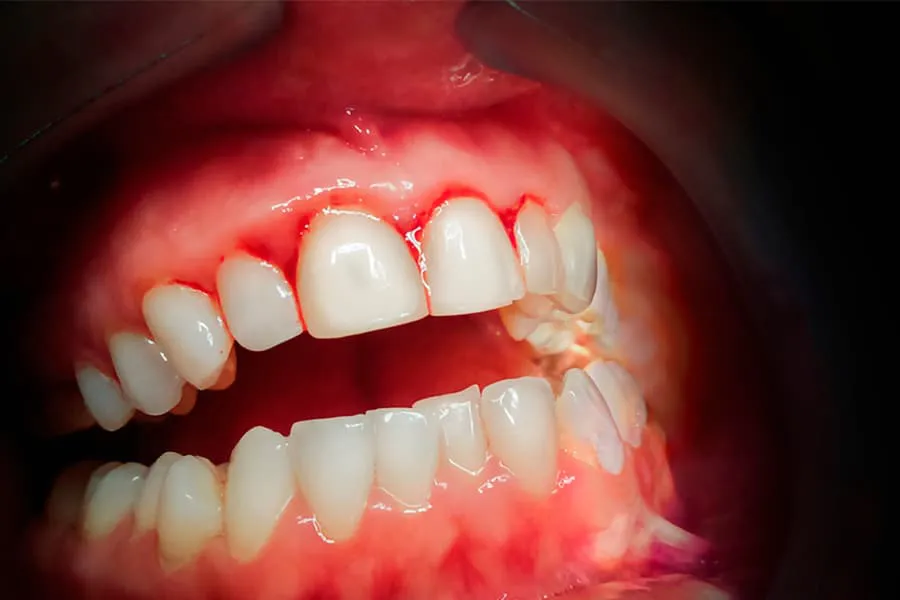
These symptoms may indicate that the infection is spreading or affecting your overall health.
A broken, loose, or knocked-out tooth should also be treated quickly. For a knocked-out adult tooth, hold it by the crown, keep it moist, and contact a dentist right away. The best chance of saving the tooth usually comes when care happens within about an hour.
ER vs Emergency Dentist for Tooth Pain
The ER and an emergency dentist do not serve the same role. The ER can help with serious medical symptoms, but a dentist usually needs to treat the tooth itself.
The ER may provide pain control, evaluate the risk of infection, prescribe medication when appropriate, or treat symptoms affecting breathing, swallowing, or overall safety. Most emergency rooms cannot provide fillings, crowns, or root canals, or remove a tooth, in routine cases, so you may still need dental treatment afterward.
What the ER Can Do for Dental Pain
The ER can help when dental pain is accompanied by symptoms that affect your overall safety. A medical team may evaluate swelling, infection risk, fever, bleeding, breathing difficulties, or difficulty swallowing.
The ER may also provide short-term pain control or medication when appropriate. But most emergency rooms cannot repair a broken tooth, replace lost fillings, complete a root canal, or provide routine tooth extraction, so dental follow-up is usually still needed.
What to Do Before Dental Care
Short-term steps can help you stay more comfortable before your appointment. They do not replace treatment, but they may support temporary pain relief and reduce irritation while you arrange care.
Avoid chewing on the painful side. Save any broken tooth pieces or lost fillings if you can. Rinse gently with warm water, use clean gauze to apply pressure to the bleeding area, and avoid placing aspirin directly on the gums.
If you have swelling, fever, trouble swallowing, trouble breathing, or bleeding that won’t stop, seek urgent care or emergency medical help instead of waiting for symptoms to improve on their own.
What to Bring to an Emergency Dental Visit
Bring any information that helps the dentist understand your health and recent symptoms. This may include your medication list, allergies, recent dental work, dental insurance details, and when the pain started.
If a tooth broke or came out, bring any pieces of the tooth with you, if possible. If you have swelling, fever, or bleeding that won’t stop, tell the office before you arrive so they can guide you on the safest next step.
What to Expect at the Visit
An emergency visit should help you understand the problem, reduce pain, and decide the next safe step. The dentist will examine your tooth, gums, bite, and surrounding tissues, and imaging may show decay, infection, fracture, bone changes, or other hidden causes.
Treatment options may include a filling, crown repair, root canal therapy, tooth extraction, abscess drainage, antibiotics when needed, oral surgery when indicated, or a temporary solution until final care is possible. Dr. Waise Ebrahimi, Smile Lab’s lead dentist, uses a conservative approach that focuses on preserving natural tooth structure when possible.
The right treatment depends on the cause, and if removal is needed, your dentist should explain the healing time for the tooth extraction before you leave. Decay, infection, fracture, trauma, and failed dental work can all create severe pain, but they may need different solutions. This is why diagnosis comes before treatment.
Emergency Dental Care in NYC
When you need an emergency dentist in Manhattan, access matters. If you are dealing with pain before work, after hours, or between meetings, the location and schedule can shape how fast you get help.
The best emergency dentist for severe tooth pain isn’t necessarily the closest provider. It is the one who can evaluate the cause, explain the risk, offer the right treatment, and help you feel calm enough to move forward.