A same-day dental implant can replace a missing or extracted tooth with an implant post and a temporary crown in one visit, provided the jawbone is healthy and stable enough to support it. The temporary tooth helps you leave the office with a natural-looking smile, but it is not the final restoration.
This option may work for one tooth, multiple teeth, or a full arch, but candidacy depends on bone support, gum health, bite pressure, and overall oral health. At Smile Lab in Union Square, the goal is to help you clearly understand implant options, including why a staged approach is often the safer and more predictable path to long-term results.
Key Takeaways
- A same-day dental implant usually means you receive a temporary tooth the same day, not the final restoration.
- Candidacy depends on bone support, gum health, bite pressure, and the presence of infection or gum disease.
- The main benefits are fewer visits, faster improvement in appearance, and less time with a visible gap.
- The main risks include implant movement, poor healing, infection, and implant failure if the case is not planned carefully.
- The full process can still take several months because the implant needs time to heal before the final tooth is placed.
Can You Get a Tooth Implant the Same Day?
Yes, some people can receive an implant and a temporary tooth in one visit, but it helps to first understand what dental implants are and whether they are safe. This depends on your bone support, gum health, bite pressure, and the location of the missing tooth.
What “Same Day” Really Means
For most people, “same day” means a temporary tooth, not the final restoration. The final crown or prosthesis is usually placed later, after the implants have healed and become stable in the bone.
Temporary Teeth vs Final Teeth
A temporary tooth helps fill the visible gap while the implant heals. It is shaped for appearance and light biting, but you should avoid chewing hard or sticky foods on that side.
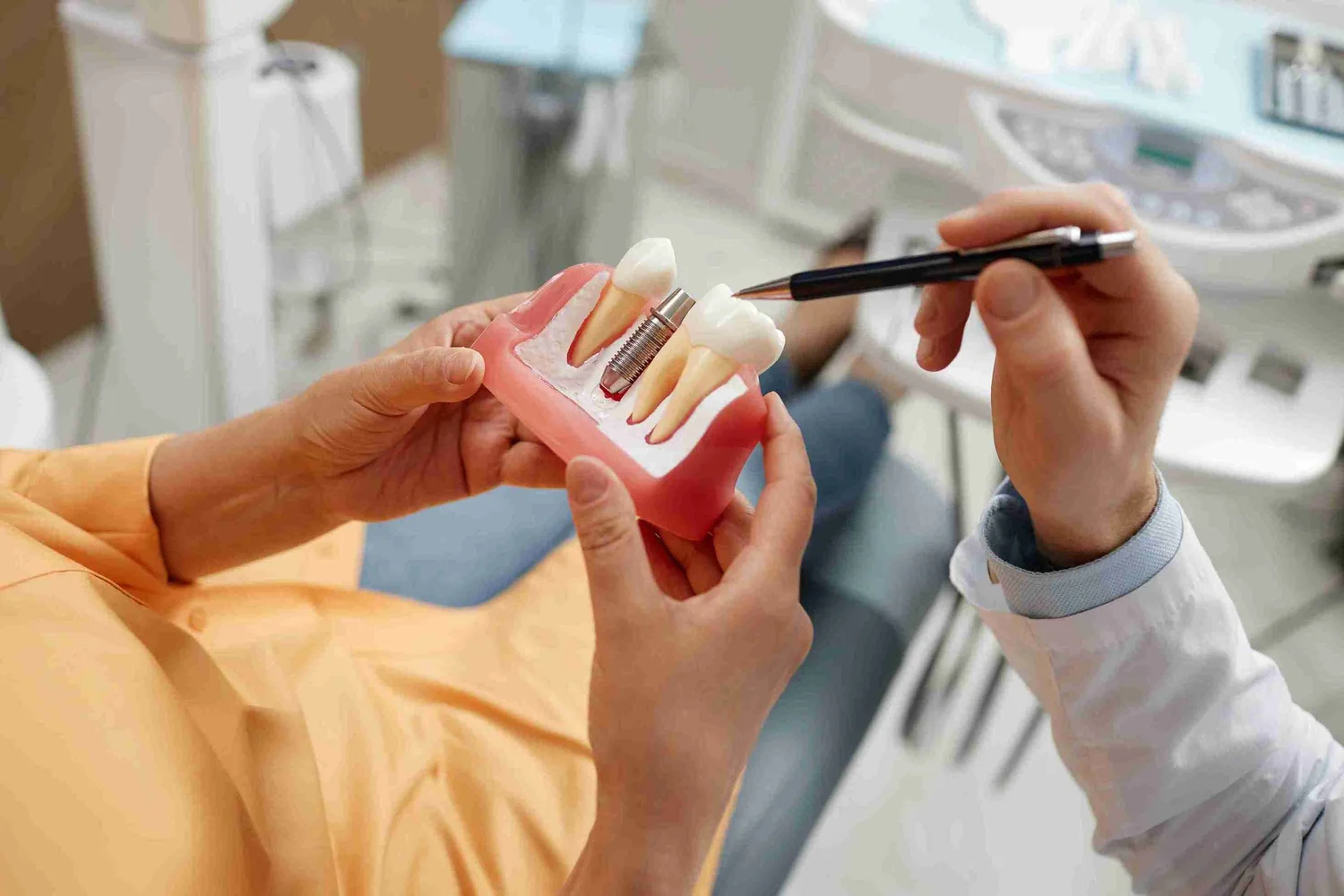
A complete implant restoration usually includes the implant post in the bone, the abutment that connects the post to the crown, and the crown that looks like a natural tooth. The final crown is made after healing. Once your dentist confirms that the implant is stable, the gums have properly shaped, and your bite can support normal chewing, the final crown is made.
Same-Day Dental Implant After Extraction
In some cases, a tooth can be removed and replaced with an implant during the same visit. This is called immediate placement.
If the tooth needs to be removed because of pain, trauma, swelling, or a sudden dental problem, an emergency dentist in Manhattan can evaluate whether extraction, infection control, or another urgent step should take priority.
When Immediate Placement Works
Immediate placement may be appropriate when there is sufficient healthy bone and no active infection. Low-radiation digital imaging can help evaluate bone structure before implant surgery.
When Healing Comes First
Some cases require healing before treatment can continue. If infection, bone loss, inflammation, or gum disease is present, your dentist may recommend a staged plan.
Bone grafting may also be needed to rebuild support. This healing process can make treatment take months to complete, but it may improve long-term success.
One-Day Dental Implant Procedure
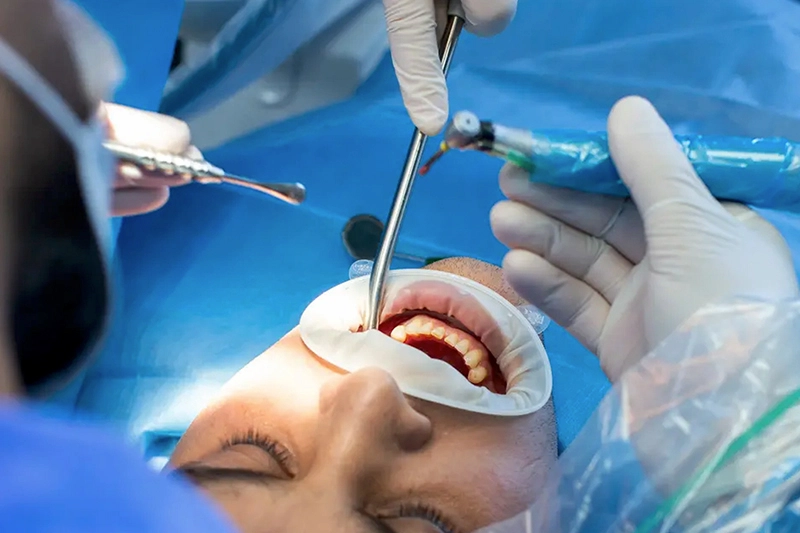
The one-day dental implant procedure starts with an exam, imaging, and a clear treatment plan, which you can better understand in this guide to what to expect. Your dentist checks whether your mouth is suitable for immediate treatment before recommending this option.
The process usually includes:
- Reviewing your medical history, oral health, and treatment goals
- Taking digital imaging to check bone levels and implant position
- Removing the damaged tooth, if extraction is needed
- Placing the implant post in a stable position
- Attaching a temporary tooth or prosthesis when stability allows
- Planning follow-up visits to monitor healing
At Smile Lab, Dr. Waise Ebrahimi uses his training in implant placement and reconstructive dentistry to evaluate your oral health, explain your replacement options, and guide you toward a staged treatment plan when that approach offers better stability.
Who Is a Good Candidate?
A good candidate for this treatment usually has healthy gums, enough bone support, and no uncontrolled health issues that could affect healing. Bite force also matters because heavy pressure can affect stability.
Bone, Gum, and Health Factors
Strong bone helps hold the implant steady during the first healing stage. Healthy gums help seal and protect the area around the implant, reducing the risk of infection.
Your overall health also matters. Smoking, uncontrolled diabetes, active infection, and gum disease can slow healing and raise the risk of implant failure.
When Same-Day Implants May Not Work
This option may not be viable if the implant cannot be placed securely during surgery. It may also be less predictable in cases of severe bone loss, active infection, untreated gum disease, or heavy bite pressure.
For a full arch of teeth, your dentist must also check whether several implants can safely support a temporary prosthesis. If the foundation is not stable enough, a staged plan may yield better long-term results.
Benefits and Risks of One-Day Dental Implants
The main benefit is convenience. You may avoid spending weeks or months with a visible gap and restore your smile faster.
Main Benefits
Potential benefits include fewer appointments, a temporary tooth right away, less time without a visible replacement, and clearer planning for dental implant treatments.
Key Risks
The biggest risk is movement during the early healing phase. Even a small movement can interfere with the implant’s integration with the bone, potentially compromising stability and increasing the risk of implant failure.
Other risks include infection around the implant, swelling, gum inflammation, poor bite balance, or excessive pressure on the temporary tooth too early. Smoking, uncontrolled diabetes, teeth grinding, and poor oral health can also make healing less predictable.
Recovery Expectations
Most people can return to normal daily activities within a day or two, but the implant still needs several months to heal fully. During this time, your dentist may recommend soft foods, avoiding direct chewing on the area, and carefully cleaning the implant to reduce irritation and the risk of infection.
Follow-up visits help your dentist assess stability, gum healing, bite pressure, and implant healing over time, which is why a clear dental implant recovery guide can help you understand what to expect after surgery. The final crown or prosthesis is usually placed only after the implant has bonded securely to the bone.
Same-Day Dental Implant vs Traditional Implants
Both options replace missing teeth, but they follow different timelines, and some patients may also compare dental implants vs bridges before choosing a treatment path. Immediate treatment places the implant and a temporary tooth in one visit, while traditional implant care usually places the implant first, waits for healing, and adds the final crown later.
Traditional implants may take longer, but they give the bone and gums more time to stabilize. This approach can be safer when you need bone grafting, infection control, or extra healing before the final tooth is made.
What Can Affect the Total Cost?
The total cost can vary based on the number of teeth being replaced, the condition of your bone, and whether bone grafting is needed, which is why reviewing dental implant costs in Manhattan can help you understand the main pricing factors. Imaging, implant surgery, temporary teeth, final restorations, and follow-up care can also affect the estimate.
Common single-tooth cost factors may include:
- Implant post: $1,500 – $3,000
- Abutment: $300 – $600
- Crown: $1,000 – $2,000
Types of Implants
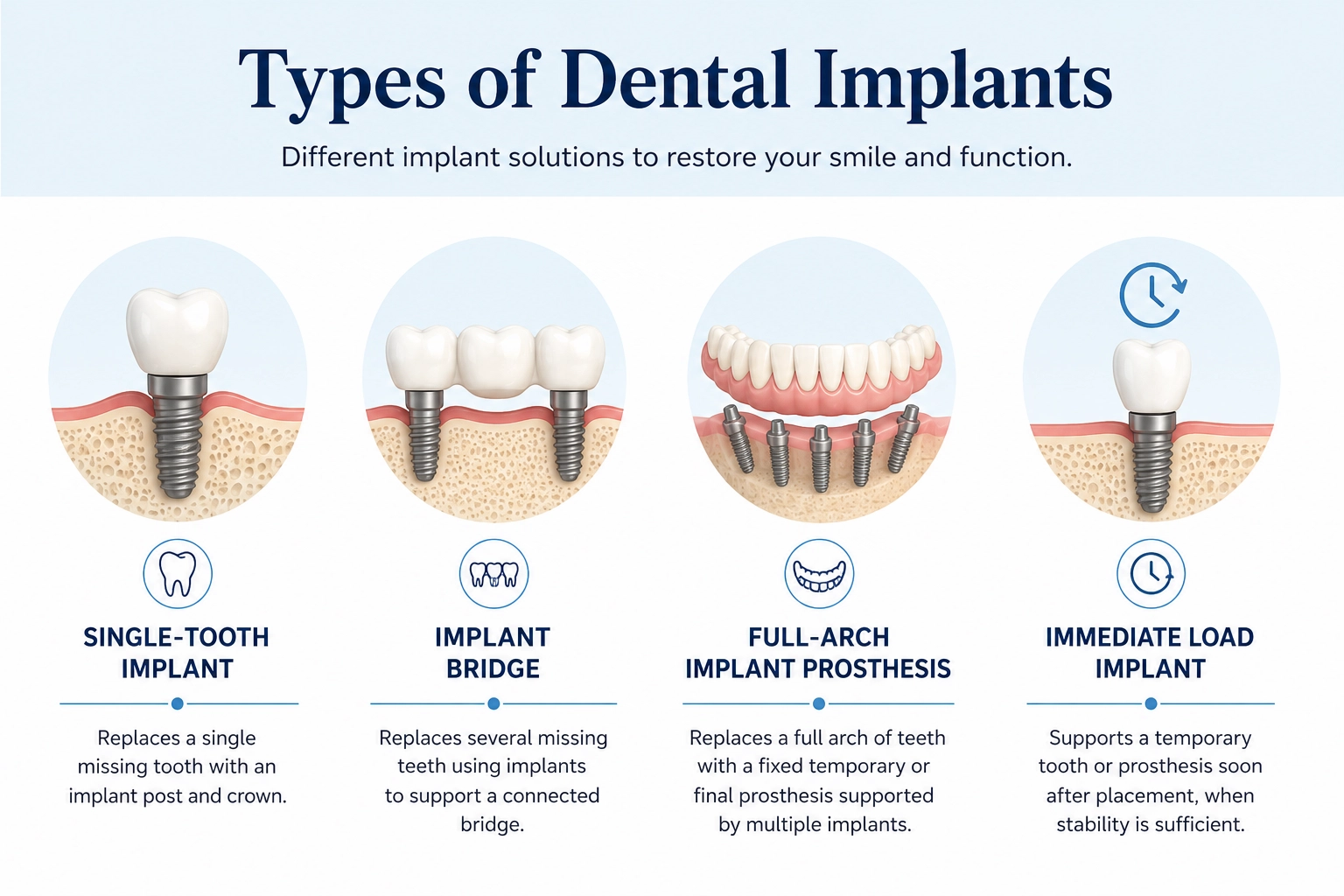
Different cases need different implant plans, so your dentist should explain which option fits your mouth, bite, and long-term goals. Common options include:
- Single-Tooth Implant: Replaces a single missing tooth with an implant post and crown.
- Implant Bridge: Replaces several missing teeth using implants to support a connected bridge.
- Full-Arch Implant Prosthesis: Replaces a full arch of teeth with a fixed temporary or final prosthesis supported by multiple implants.
- Immediate Load Implant: Supports a temporary tooth or prosthesis soon after placement, when stability is sufficient.
How to Choose the Right Implant Dentist
Choose a dentist who explains both the benefits and limits of faster treatment, even if they do not provide immediate implant placement. Be cautious if every case sounds like an easy one-day fix.
Questions to Ask Before Booking
Ask whether you are a candidate for same-day dental care, whether you will receive a temporary or final tooth, and whether you need grafting first. You should also ask what could increase the risk of implant failure.
When to Get a Second Opinion
Get a second opinion if you feel rushed, confused, or unsure about the plan. This is especially true for full mouth care, complex bite issues, or cases involving bone loss.