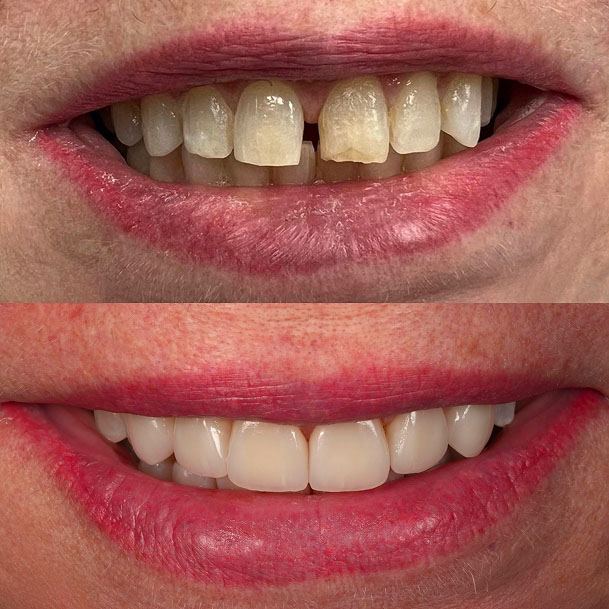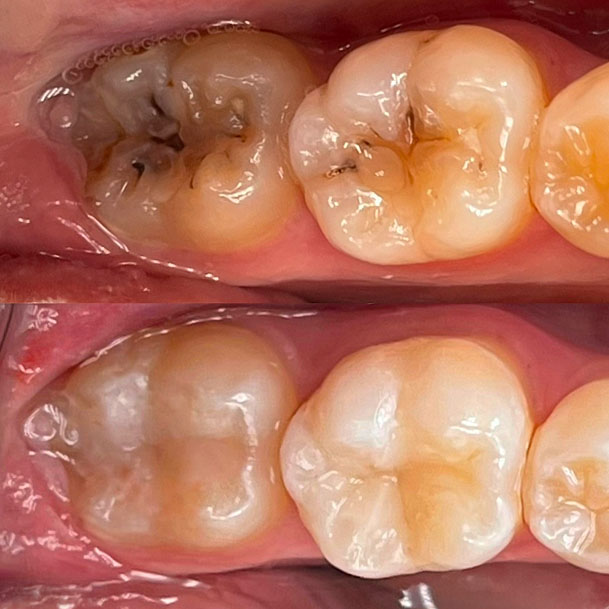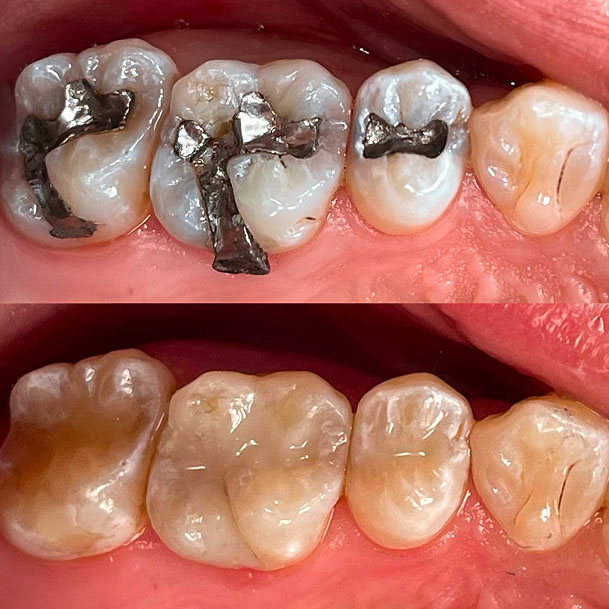
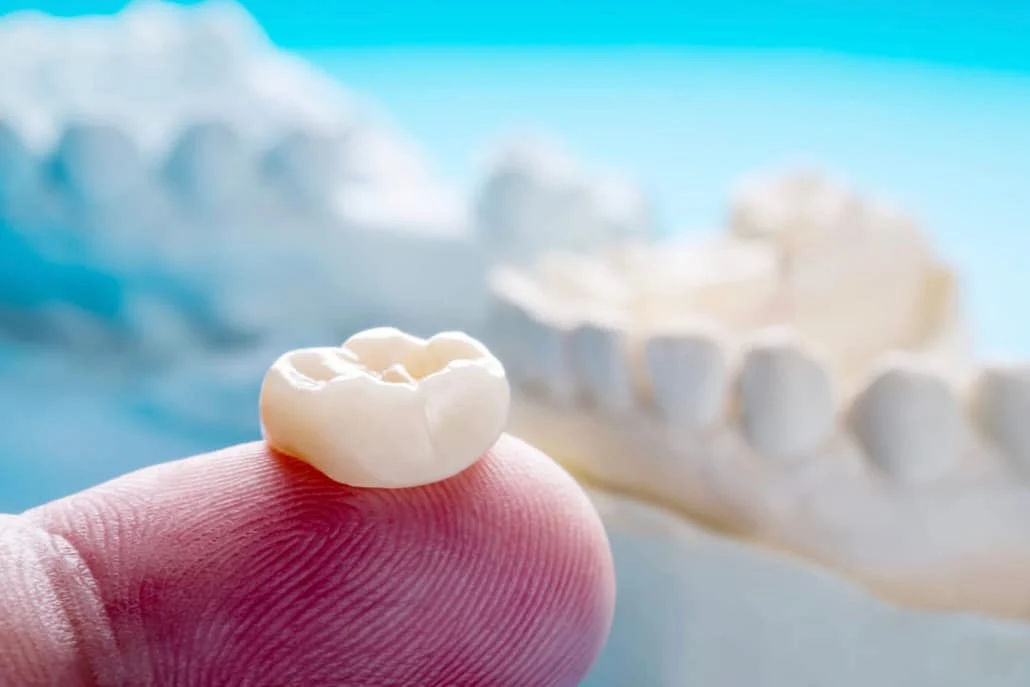
Cost depends on the natural tooth structure, damage level, material, and bite planning. At Smile Lab in Union Square, patients can learn whether this option fits their tooth, schedule, and treatment goals.
Key Takeaways
- CEREC same-day crowns can repair a damaged tooth in one visit using digital impressions, 3D imaging, and in-office milling.
- This option can help you avoid messy molds, temporary restorations, and multi-week lab waits when your tooth is a good candidate.
- The main benefits include faster treatment, fewer appointments, precise digital design, and a natural-looking ceramic result.
- Cost depends on the tooth, the amount of damage, the material used, and the level of bite planning needed.
- Not every tooth qualifies, so a dentist must evaluate tooth structure, bite force, gum health, and cosmetic needs before treatment.
Can You Restore a Tooth in One Day?
Yes, some patients can complete treatment in one appointment, but the better question is whether that option is the right choice for the restoration area. The dentist must evaluate remaining tooth structure, bite force, gum health, and cosmetic needs before recommending any final restoration.
This approach may work well when the restoration area can support a durable ceramic result. If another material or a lab-made option would better protect the tooth, that should take priority over convenience.
What Are Same-Day CEREC Crowns?
Same-day CEREC crowns are ceramic dental restorations fabricated in the dental office using a digital scan and clinical evaluation. CEREC stands for chairside economic restorations of esthetic ceramics, which refers to a chairside economical restoration process that uses CEREC technology instead of an outside lab.
The goal is not just to place permanent crowns sooner, but to restore function, protect the tooth, and match the surrounding teeth in a way that supports long-term oral health.
How the Digital Process Works
Digital Scan and Design
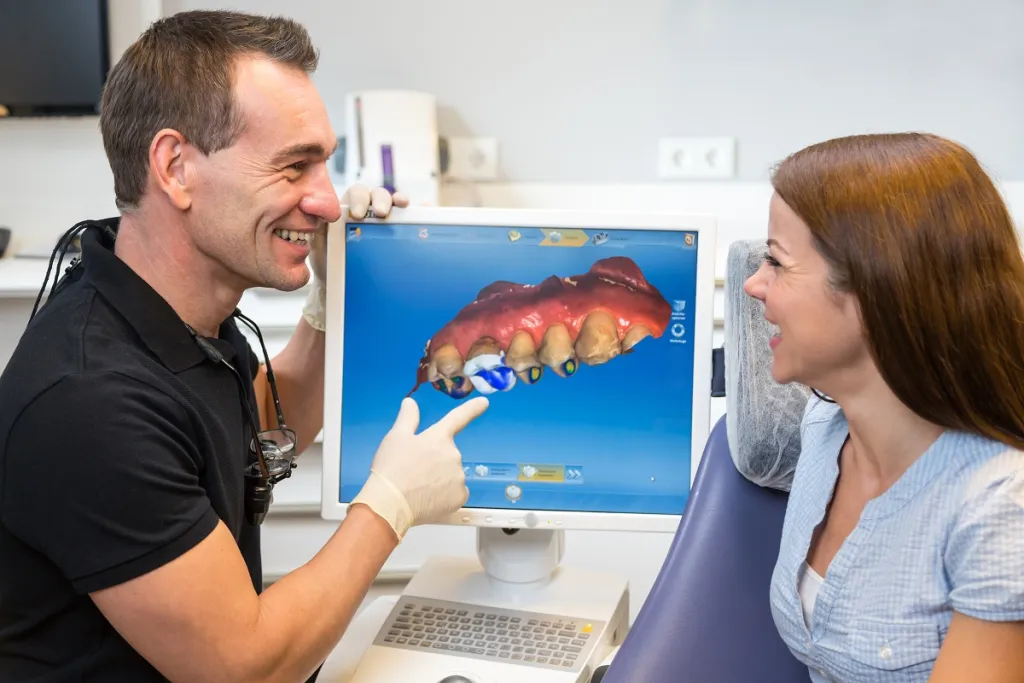
The dentist prepares the tooth and takes digital impressions. The scan creates an image of your tooth on a screen so the restoration can be planned around your bite and tooth shape.
The software uses computer-aided design CAD to shape the ceramic piece. This helps the dentist plan fit, contour, and chewing contact before fabrication.
Milling and Bonding
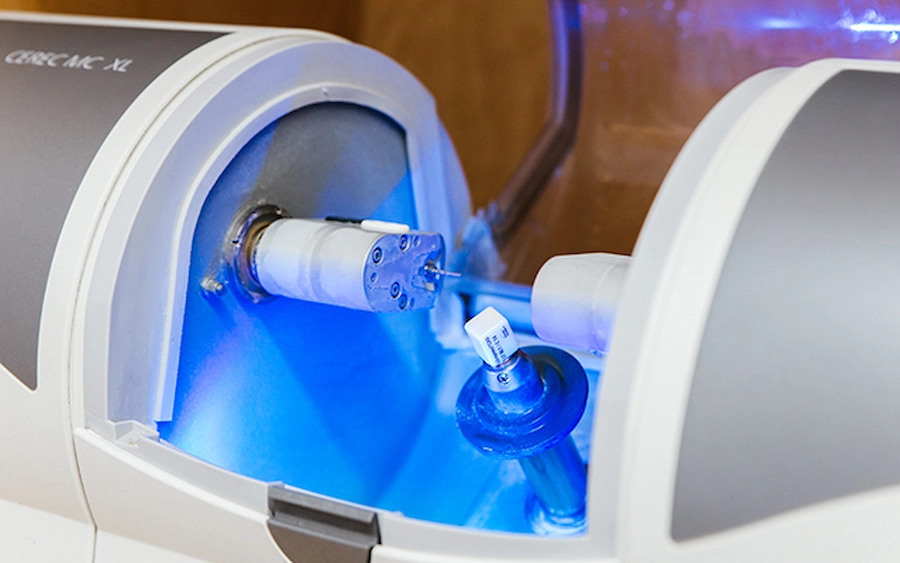
The in-office system uses cad cam technology to mill the ceramic restoration. The dentist then checks the fit, adjusts the bite, and bonds it only after confirming that it feels and functions correctly.
This process can make crowns in a single visit possible for selected cases. It can also help patients avoid wearing a temporary crown, but that benefit only matters when the final result is clinically appropriate.
Are These Restorations Good?
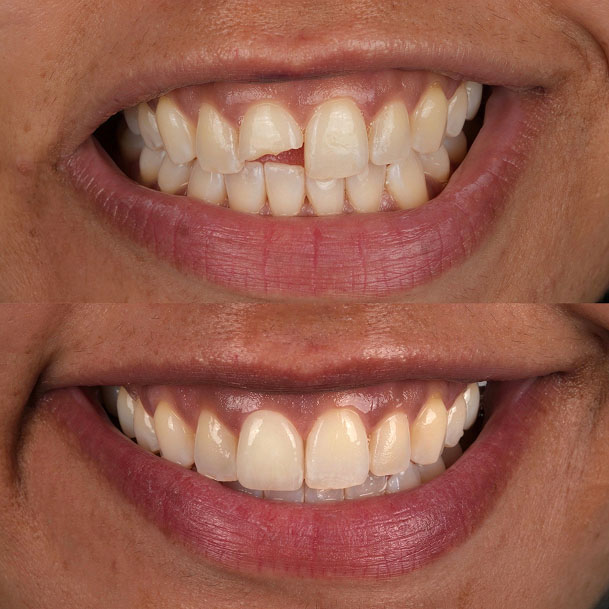
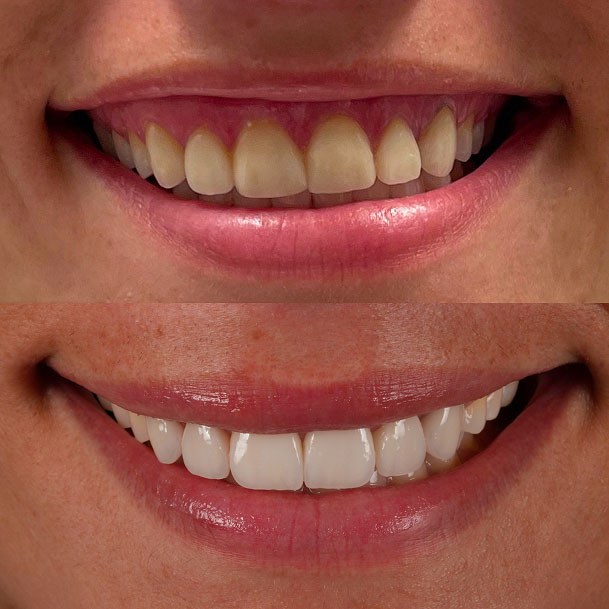
This treatment can work well when the tooth is a good candidate. The benefits of Cerec include precise digital planning, fewer appointments, no temporary phase, and a ceramic result that can protect the tooth.
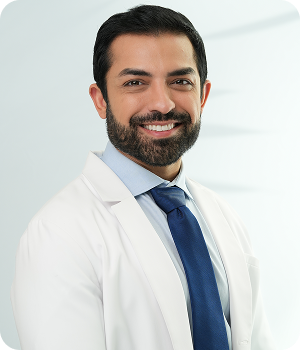
Dr. Waise Ebrahimi, a UCSF-trained dentist with advanced training at the Kois Center, uses a conservative approach when deciding whether a one-visit ceramic option or another treatment makes more sense. The best recommendation should protect the tooth first and fit the patient’s goals second.
Cost, Materials, and Comparisons
CEREC same-day crowns in Manhattan often cost about $1,500 to $3,500 per tooth, based on local dental pricing guides. The final cost can vary by tooth damage, material choice, buildup needs, cosmetic planning, and bite complexity.
Cost should not be the only factor. The final restoration must seal well, fit your bite, protect the tooth, and reduce the risk of future problems.
These restorations are usually ceramic. Traditional dental crowns may be made of lab-made ceramic, zirconia, or porcelain fused to metal. A dentist may recommend another material if your tooth needs more strength, more cosmetic detail, or different bite support.
Who Is a Good Candidate?
You may be a candidate if you have a cracked tooth, worn enamel, a large old filling, or damage after decay removal. You may need another option if the tooth has a deep infection, severe gum disease, a major fracture, or limited remaining structure.
A good plan should match the treatment to the tooth, not force the tooth into a one-visit process. That is the difference between convenient care and patient-centered care.
Recovery and Lifespan
Most patients return to normal routines soon after treatment. Mild soreness can happen, but the bite should feel balanced once the numbness fades.
A well-made ceramic restoration often lasts 5 to 15 years, and some can last longer with strong home care, regular cleanings, and bite protection when needed. Grinding, clenching, eating hard foods, tooth decay, and untreated gum problems can shorten its lifespan.
Getting Same-Visit Dental Care in NYC
If you live or work near Union Square, choosing the right crown should depend on diagnosis, fit, material, bite support, and long-term tooth protection. CEREC may be helpful for some cases, but it is not the best choice for every tooth.
A consultation at Smile Lab can help you compare ceramic, zirconia, porcelain, and lab-made options so you can choose the restoration that best fits your tooth. See if Smile Lab is the right fit for you.