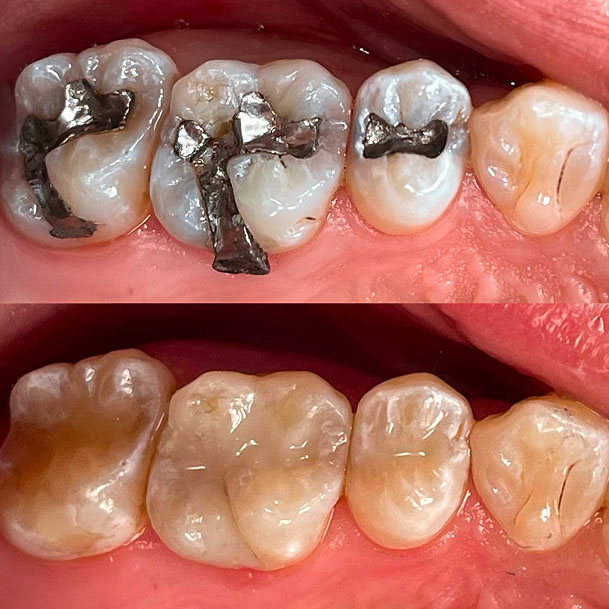


Urgent dental problems are the ones that may risk a tooth, spread infection, cause uncontrolled bleeding, or involve trauma to the mouth, jaw, or face. Common dental emergency examples include severe tooth pain, a knocked-out or loose adult tooth, a cracked tooth, a tooth abscess, swelling, heavy bleeding, and injuries to the lips, gums, tongue, or jaw.
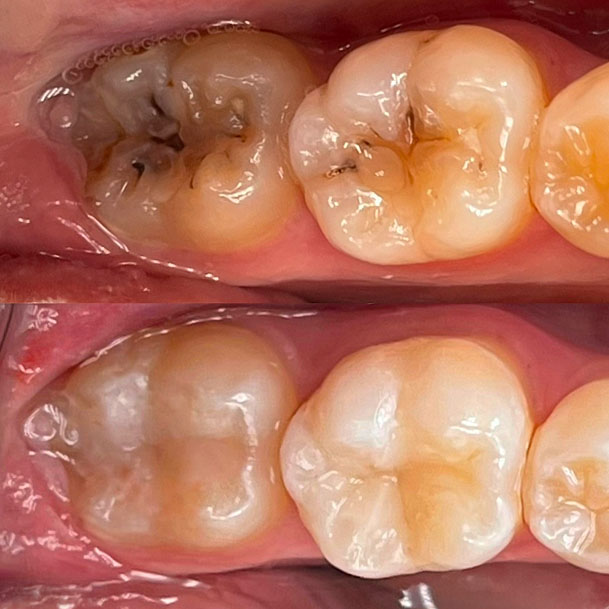
Lost fillings, a loose dental crown, and broken sharp orthodontic wires may also need prompt care if they cause pain, expose the tooth, or cut soft tissue.
Some issues can usually wait briefly, such as mild sensitivity, a tiny chip with no pain, or minor gum irritation that does not worsen. The safest next step is to assess pain level, swelling, bleeding, trauma, and whether the problem is worsening. At Smile Lab in Union Square, patients can get clear guidance on what needs same-day care and what can wait for a scheduled visit.


Key Takeaways
- Dental issues usually need urgent care when they involve severe pain, swelling, infection, trauma, bleeding, or a risk of losing an adult tooth.
- Common urgent problems include knocked-out teeth, cracked or broken teeth, dental abscesses, mouth injuries, and lost crowns or fillings that cause pain or sharp edges.
- Mild sensitivity, a tiny chip with no pain, or minor gum irritation can often be managed briefly if symptoms are stable and not worsening.
- The safest first step is to call a dentist, explain your symptoms clearly, and avoid unsafe home fixes like glue, cutting tissue, or draining swelling yourself.
- Go to the emergency room for trouble breathing or swallowing, major facial swelling, uncontrolled bleeding, suspected jaw fracture, or serious facial trauma.
Examples of Dental Emergencies
Dental emergencies are problems that require prompt care to stop pain, protect a tooth, control bleeding, or treat infection. The main types of dental emergencies are pain, trauma, infection, bleeding, and damaged dental work. These situations can affect your comfort, your bite, and sometimes your overall health.
Severe Tooth Pain or Swelling
Pain in the back of the mouth may also come from an impacted or infected wisdom tooth, which sometimes requires emergency wisdom tooth removal. While waiting for care, you can rinse your mouth with warm water, gently floss around the area, and take an over-the-counter pain reliever as directed.Knocked-Out, Cracked, or Broken Tooth
A knocked-out adult tooth requires prompt action, as timing can affect whether the tooth can be saved.- Hold a knocked-out adult tooth by the crown, not the root, and avoid scrubbing it.
- Keep the tooth moist in milk or a tooth preservation product if you cannot place it back in the socket.
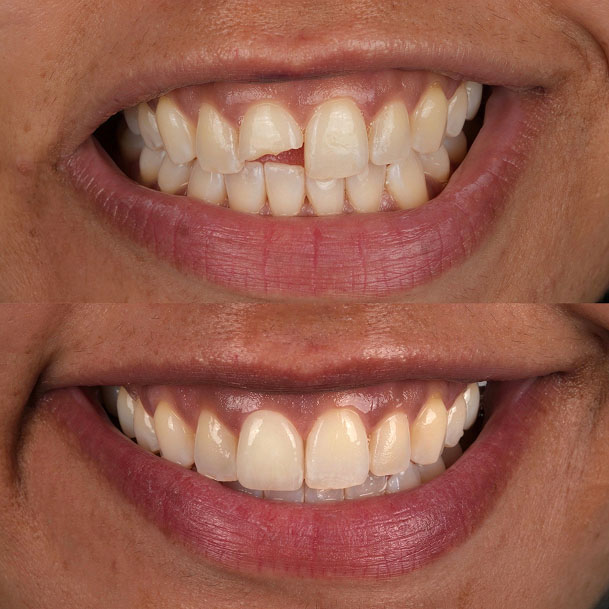
- For a chipped ¿ or broken tooth, avoid chewing on that side, save any fragments, and apply a cold compress if swelling develops.
Abscess, Bleeding, or Soft Tissue Injury
A tooth abscess is a pocket of infection near a tooth root or gum tissue. It may cause throbbing pain, swelling, fever, pus, a bad taste, or a pimple-like bump on the gums. In severe cases, emergency tooth extraction may be considered if the tooth cannot be safely restored. Bleeding from the lips, tongue, gums, or cheek can happen after a fall, bite, sports injury, or accident. This type of soft tissue injury may improve with gentle pressure, but bleeding that does not slow needs urgent care. Rinse gently with salt water if you can do so without increasing bleeding. Apply clean gauze with steady pressure for several minutes, and seek care right away if bleeding does not slow or the cut looks deep.