
Finding time for a dental visit can be tough with a packed schedule, especially if you’re unsure how long the procedure will take. Knowing the time commitment for treatments like deep teeth cleaning can help you plan better and prioritize your oral health.
In this article, we’ll break down how long deep cleaning takes, the steps involved, and what you can expect during the procedure, making it easier to fit a dental appointment into your routine.
How Long Does a Teeth Cleaning Take at the Dentist?
The time for teeth cleaning varies from person to person. People who take care of their teeth and visit their dentists regularly usually need 30 to 45 minutes for teeth cleaning. However, if you have not had your teeth cleaned by a dentist in a long time, the appointment could take about an hour or more.
Additionally, you will also need a few minutes before and after the cleaning, chatting with your hygienist or dentist about your dental health. This includes discussing any concerns, reviewing X-rays if needed, and outlining preventive care.
What Happens During a Routine Dental Cleaning?
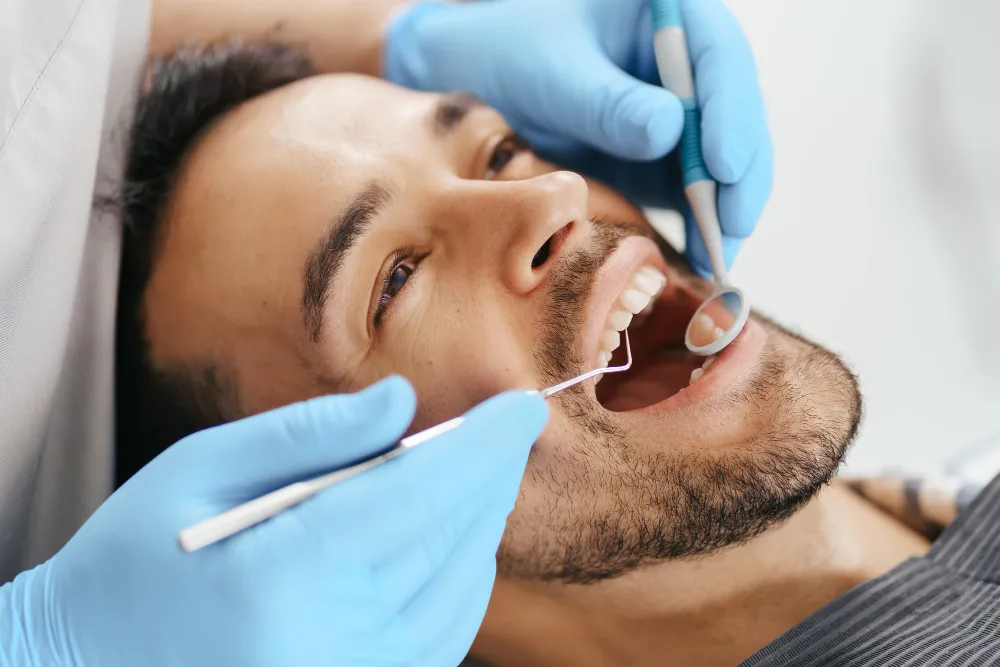
Now that you know how long a typical dental cleaning takes, let’s look at each step and how much time it usually takes.
Step 1: Oral Exam and Gum Check
Before beginning the cleaning, your dental hygienist will inspect your mouth. They will examine your gums, tongue, and teeth for any signs of issues.
- Decay
- Inflammation
- Gum disease
This usually takes about 5 to 10 minutes, depending on your oral health.
The hygienist may use a small mirror to look at hard-to-see areas and gently probe your gums to measure the depth of the pockets around your teeth. If the pockets are deeper than 4 millimeters, it might indicate gum disease.
Step 2: Scaling to Remove Plaque and Tartar
This is the basic step of teeth cleaning. Your dentist will utilize a scaler to eliminate plaque and tartar buildup. This tool is also effective in eliminating the bacteria in your teeth, especially around the gum line.
This step usually takes between 15 and 30 minutes, depending on your daily cleaning routine. However, regular brushing and flossing cannot clean your teeth, and you still need a professional cleaning to remove the tartar from
- Gum lines
- Inside surface of the teeth
- Front surface
If you haven’t had a cleaning in over a year, this step may take a bit longer.
Step 3: Polishing and Stain Removal
After removing the tartar, the hygienist will polish your teeth using a gritty paste and a special electric brush. This removes surface stains from things like
- Coffee
- Tea
- Sticky food
Polishing generally takes 5 to 10 minutes and leaves your teeth smooth and shiny. Smooth teeth are less likely to attract plaque, which makes it easier to keep your teeth clean between visits.
Step 4: Flossing and Fluoride (Optional)
At the end, your dentist will floss your teeth for the final cleaning and remove any debris stuck inside the teeth. After flossing, they will pass your teeth through fluoride treatment to make your enamel strong and strengthen your teeth. This step is crucial, especially for children and older adults, because they are vulnerable to tooth decay.
Factors That Affect Cleaning Time
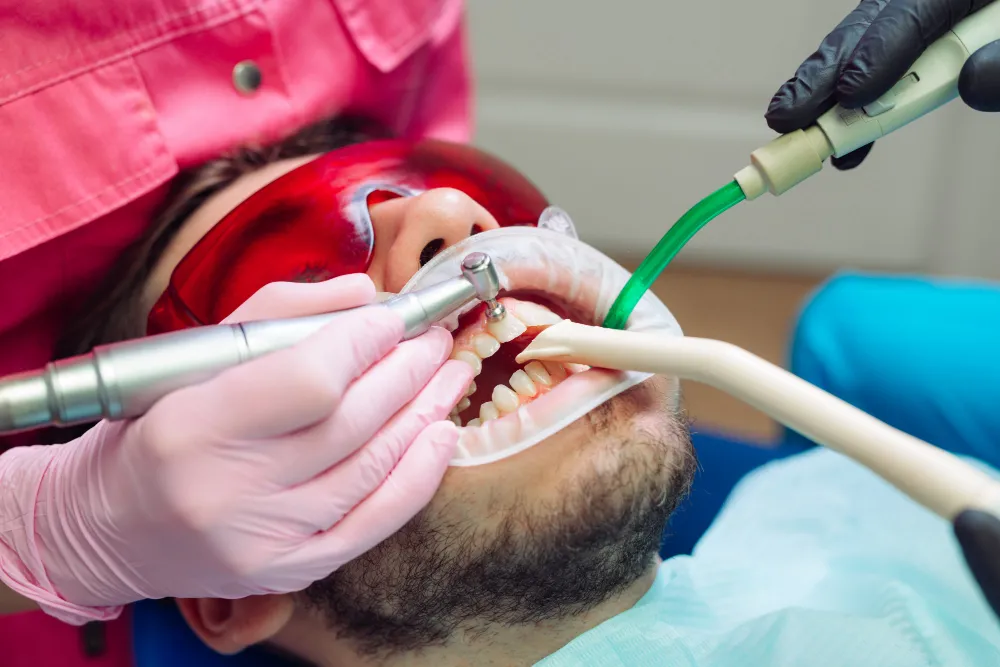
Below, we have discussed some factors and their impact on teeth cleaning.
- Time since your last cleaning: If you haven’t visited your dentist for a dental cleaning in over a year, you can expect more plaque and tartar buildup on your teeth. This will take more time to clean thoroughly.
- Food supporting Plaque and tartar levels: Excessive coffee, or food that sticks and makes a thick layer of plaque and tartar. More buildup means more time spent scaling.
- Gum health: Inflamed or bleeding gums may require a gentler, more careful cleaning. That’s why it may take more time.
- Additional procedures: You may need X-rays, oral exams, or treatment planning that extend your visit.
- Anxiety or sensitivity: If you’re nervous or have sensitive teeth, your hygienist might slow down to ensure your comfort.
How Long Does a Dog’s Teeth Cleaning Take?
A professional dog teeth cleaning is performed under anesthesia by a veterinarian. It typically takes more time than human cleaning, which is 45 to 90 minutes, because anesthesia takes some minutes to perform effectively.
A dog dental cleaning process includes
- Pre-operative exams
- Anesthesia administration
- Scaling
- Polishing
- Post-op recovery
The time required depends on your pet’s dental condition and whether extractions or X-rays are needed. Therefore, it is suggested to consult your veterinarian for a detailed assessment.
Note: This section is only for informational purposes. At Smile Lab, we offer only human dental care.
How Smile Lab NY Makes Your Cleanings Stress-Free
At Smile Lab NY, your comfort is always our top priority. That is why we have designed our care experience to be transparent, gentle, and patient-focused from start to finish.
You will always receive a clear estimate of how long your appointment will take so that you can plan your day with confidence. If you feel anxious, our compassionate team is trained to move at your pace.
Final Thoughts
If you are delaying your dental cleaning due to time constraints, you must know that it is a process of only 30 to 45 minutes (average). However, if you do not visit your dentist for a detailed cleaning for more than one year, it may take nearly one hour or more to remove the tartar and plaque and polish your teeth.
The other factors that affect the time period of your dental cleaning include sticky food, not cleaning your teeth daily, poor gum health, anxiety, and nervousness.